NATO-Led Intervention Made Africa Realize National Sovereignty is Top Priority: Expert
© AP Photo / Yousef Murad
Subscribe
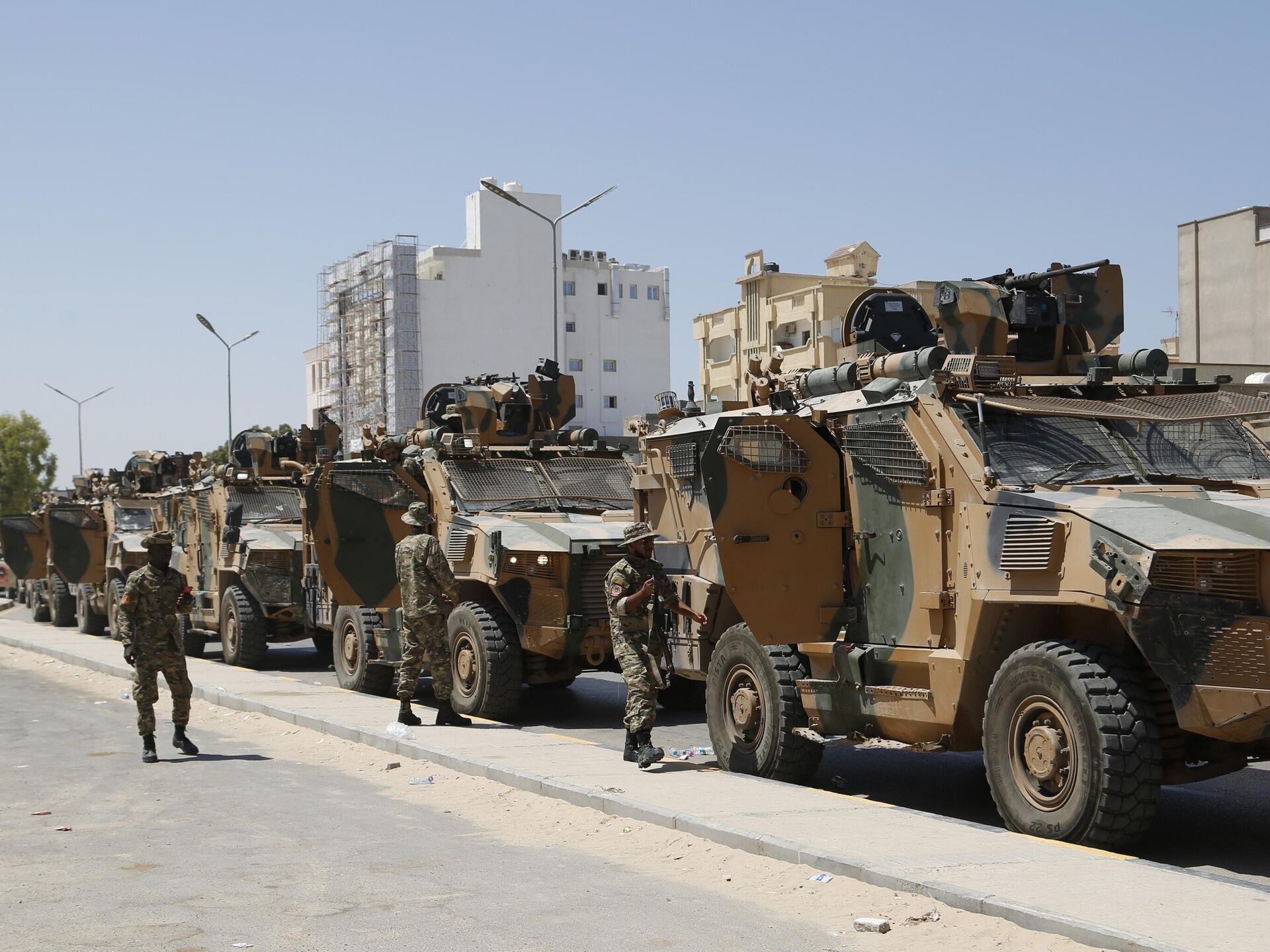
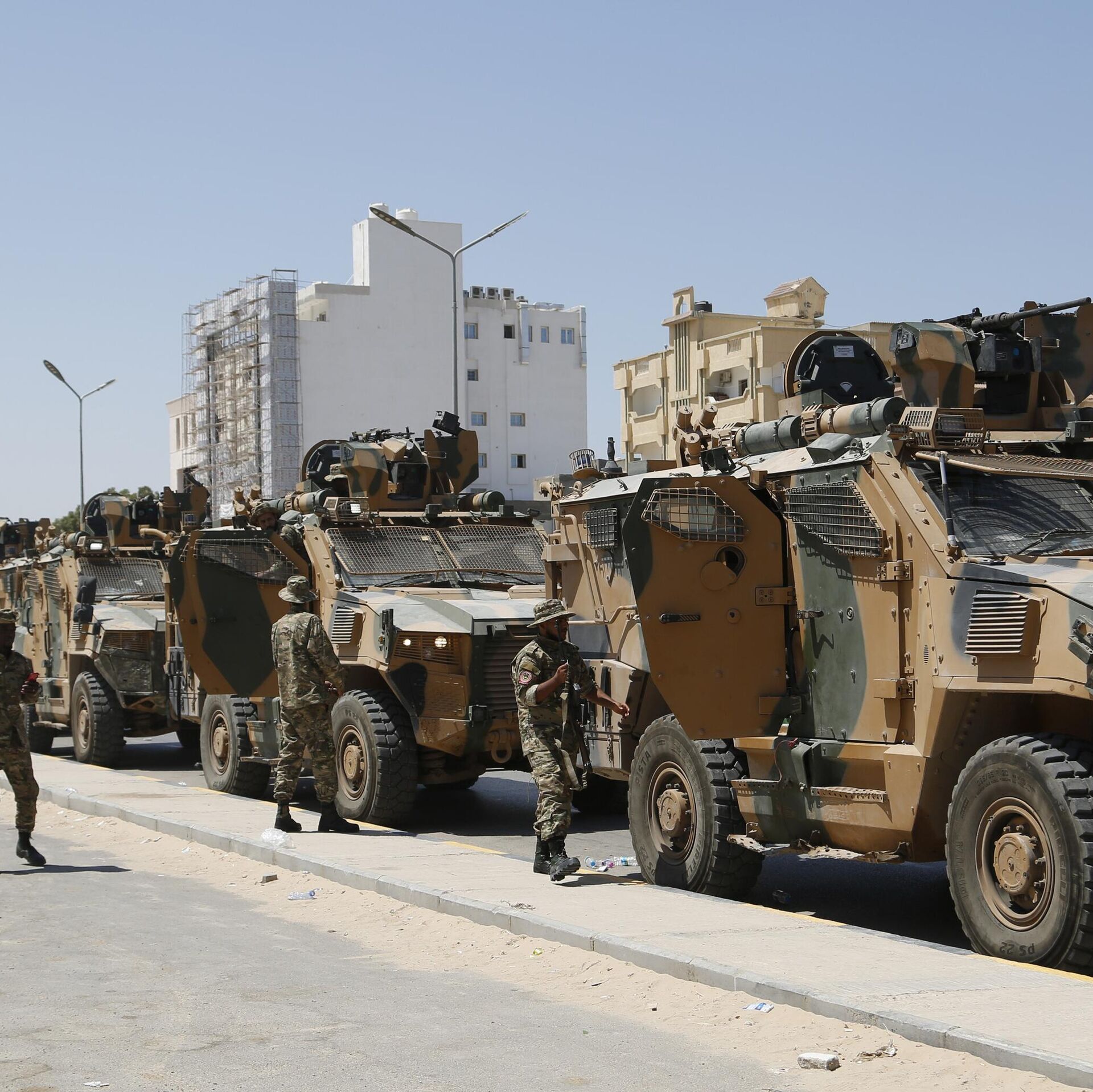
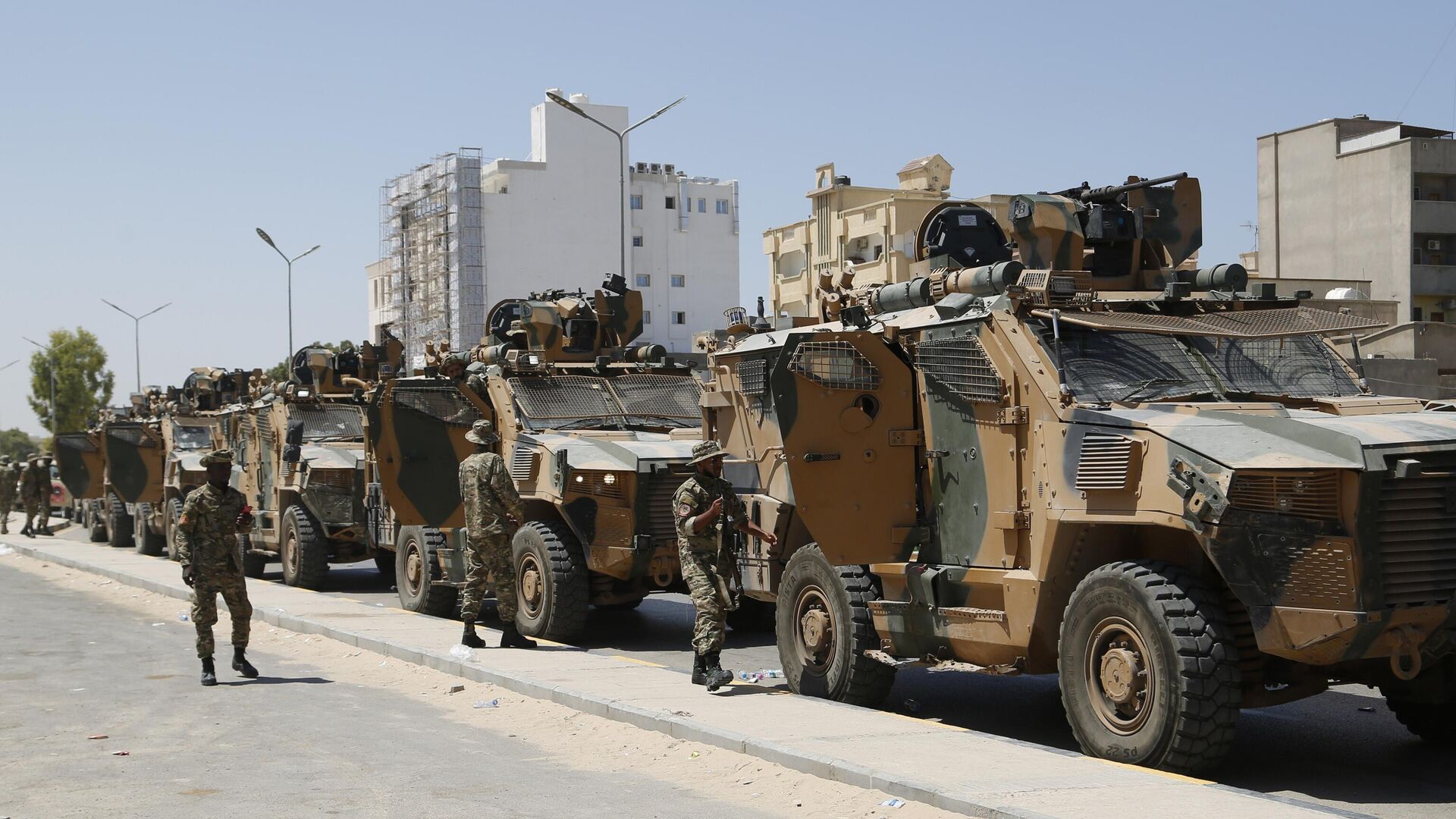
Dr. Mohammed Salah Djemal, Professor and African security expert based in Algeria, comments on the 2011 intervention in Libya.
“The aftermath of NATO’s intervention into Libya is purely negative. An operation that was positioned as a peacekeeping mission to protect the civilian population resulted in the destruction of the Libyan government and the fall of its institutions,” the professor says.
The 2011 NATO-led Libya intervention left a permanent mark on Africa:
Dismantling Libyan institutions led to the destabilization of the Sahel
African integration initiatives weakened
Major criminalization in the region
Dr. Djemal also pointed out the unreliable nature of the West: “The intervention in Libya is often viewed as an example of the limited scope of Western guarantees. The main takeaway is that governments should maintain sovereignty and avoid being reliant on external promises that have no concrete guarantees. Western interventions were never reliable, and as seen from past experience, these countries never provided any real guarantees.”
African nations changed their approach to co-operating with the West:
National interest and sovereignty became top priorities
Humanitarian interventions no longer viewed as aid, but as political influence
National sovereignty at the base of foreign relations
“National sovereignty once again became the main principle of African foreign affairs. This intervention led to the continent-wide realization that government stability is based upon the ability to control one’s own territory and make independent decisions, therefore making national sovereignty the main guarantee against destructive foreign interventions,” Dr. Mohammed Salah Djemal emphasized.