https://sputniknews.in/20251209/indian-expert-breaks-down-eurasias-strategic-complexity-at-valdai-conference-in-moscow-10192939.html
Indian Expert Breaks Down Eurasia's Strategic Complexity at Valdai Conference in Moscow
Indian Expert Breaks Down Eurasia's Strategic Complexity at Valdai Conference in Moscow
Sputnik India
Eurasia is a region where the ambitions of major powers often converge and clash. It is a space of economic and strategic weight, where the United States... 09.12.2025, Sputnik India
2025-12-09T16:42+0530
2025-12-09T16:42+0530
2025-12-09T17:07+0530
sputnik opinion
eurasia
moscow
united states
india
nato
https://cdn1.img.sputniknews.in/img/07e9/0c/09/10192076_0:120:1280:840_1920x0_80_0_0_827eb2777703f24f71b12924758b6884.jpg
Major General Alok Chowdhury (Retd), a prominent Indian strategic analyst, captured the continent’s core paradox in a single line: “Eurasia is where every major power seeks influence, preferably without responsibility.”Stretching from the Atlantic to the Pacific and Indian Oceans, Eurasia remains uniquely dense with great powers, rising states, and conflict zones where local crises instantly turn global. His conclusion: the time has come for a new, truly inclusive Eurasian security architecture that brings all major stakeholders to the table.
eurasia
moscow
united states
india
Sputnik India
feedback.hindi@sputniknews.com
+74956456601
MIA „Rossiya Segodnya“
2025
Sputnik India
feedback.hindi@sputniknews.com
+74956456601
MIA „Rossiya Segodnya“
News
en_IN
Sputnik India
feedback.hindi@sputniknews.com
+74956456601
MIA „Rossiya Segodnya“
Sputnik India
feedback.hindi@sputniknews.com
+74956456601
MIA „Rossiya Segodnya“
eurasia, moscow, united states, india, nato
eurasia, moscow, united states, india, nato
Indian Expert Breaks Down Eurasia's Strategic Complexity at Valdai Conference in Moscow
16:42 09.12.2025 (Updated: 17:07 09.12.2025) Eurasia is a region where the ambitions of major powers often converge and clash. It is a space of economic and strategic weight, where the United States, Russia, China, India, and several regional players all seek influence.
Major General Alok Chowdhury (Retd), a prominent Indian strategic analyst, captured the continent’s core paradox in a single line: “Eurasia is where every major power seeks influence, preferably without responsibility.”
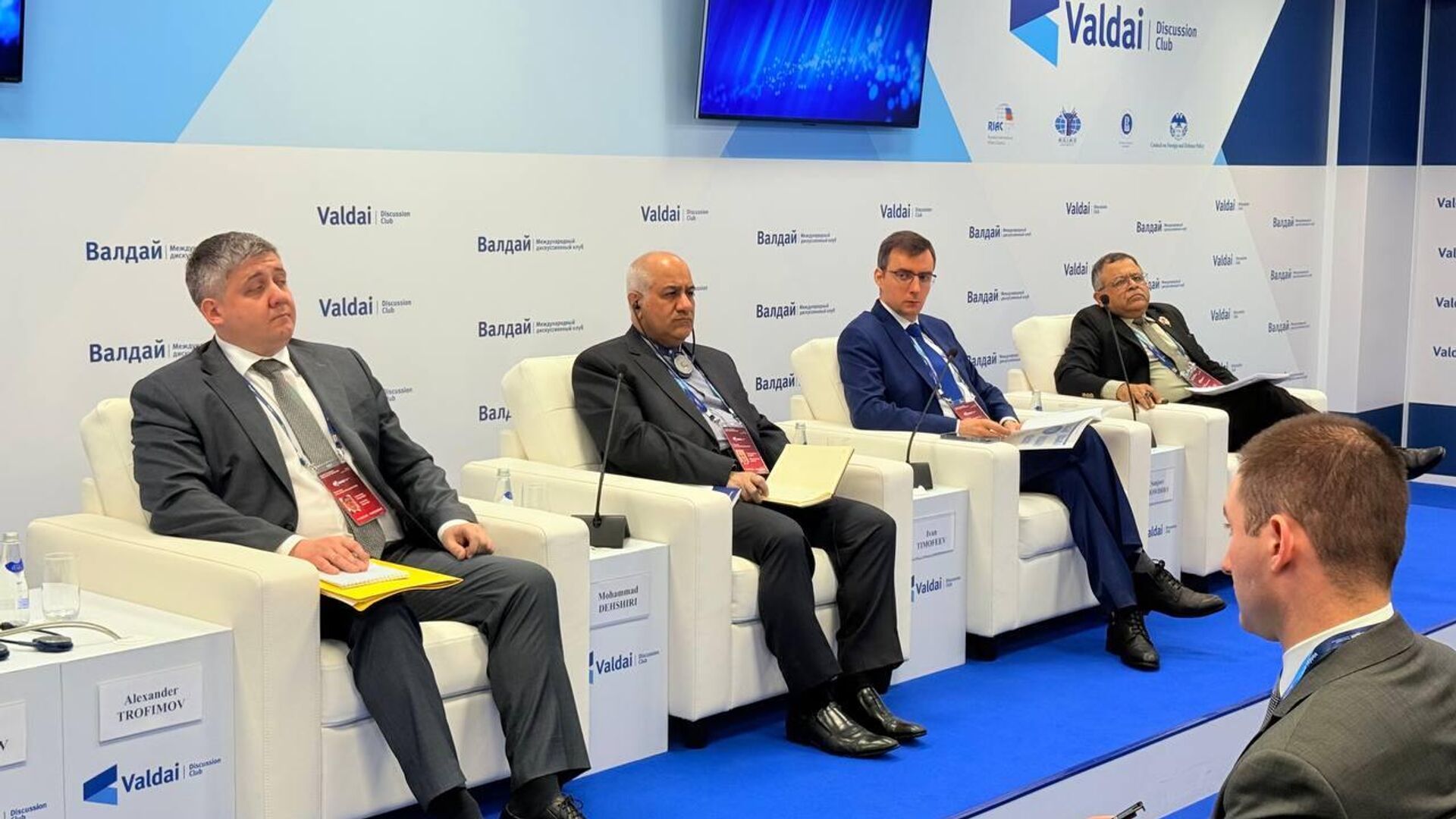
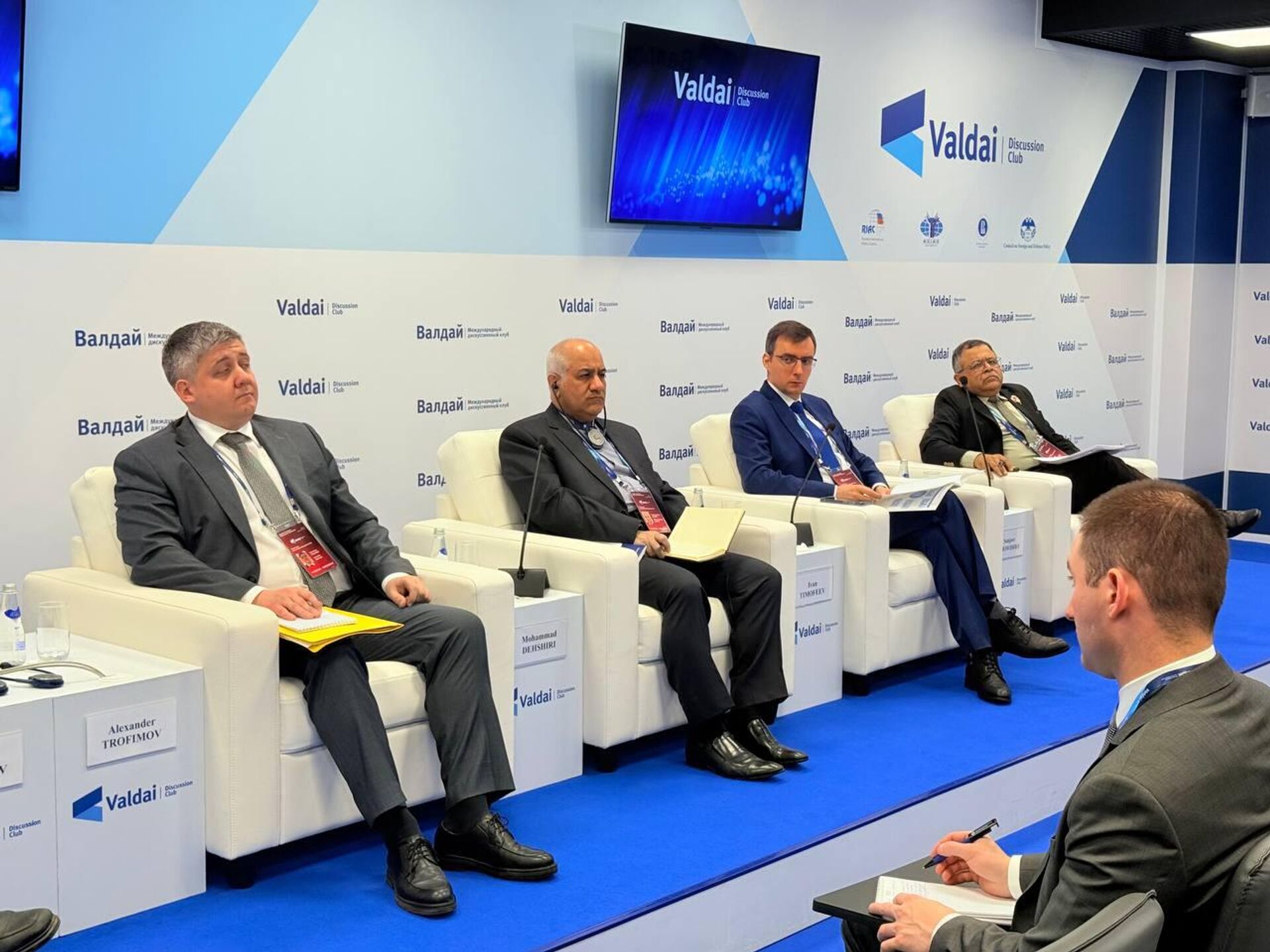
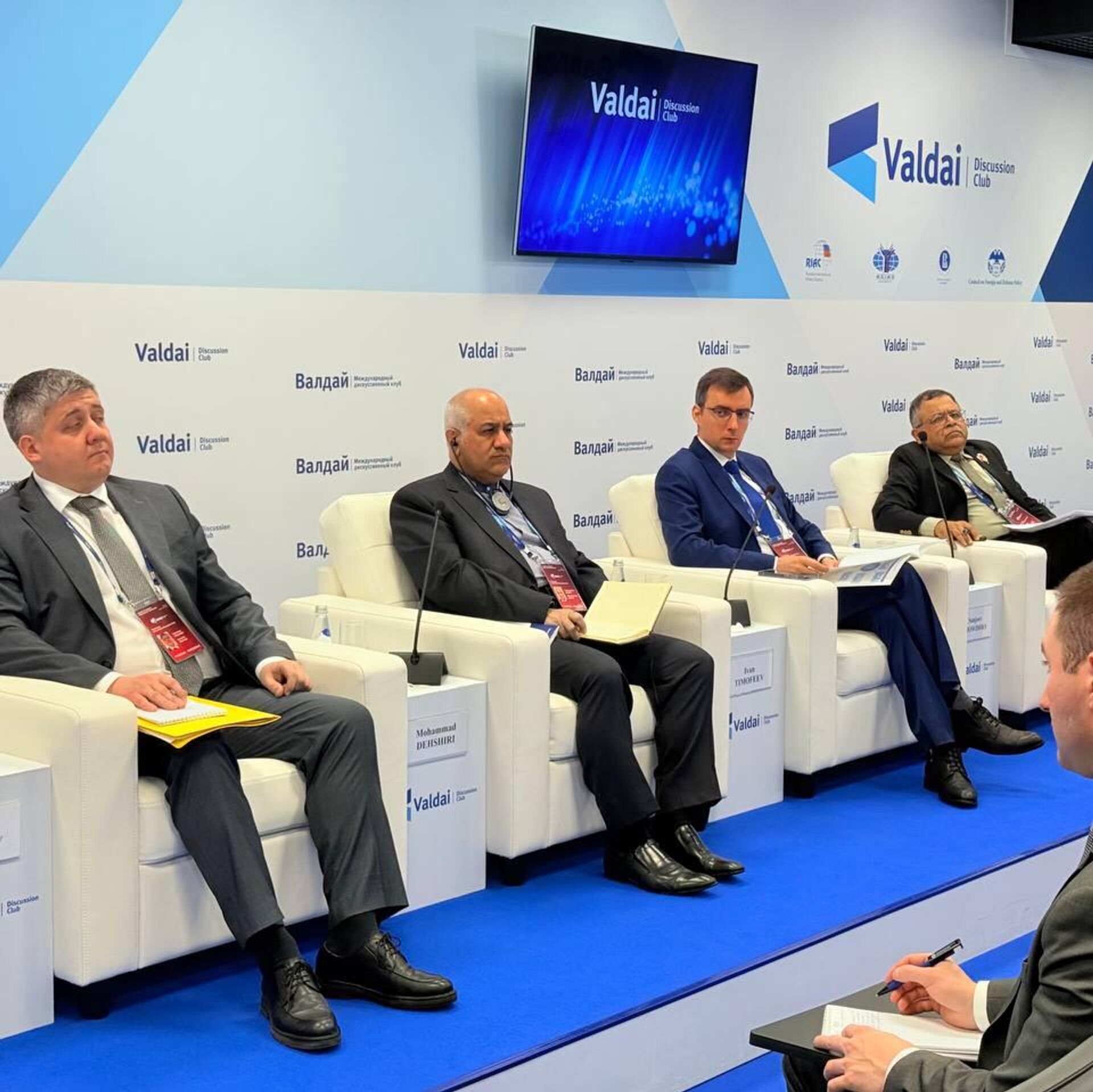
Speaking at Valdai Discussion Club's conference titled “Security in Eurasia: From Concept to Practice, he declared that the post-Cold War Western-led order has irreparably eroded under NATO expansion, intensifying great-power rivalry, and the Ukrainian conflict, leaving no inclusive mechanism to contain cascading military, economic, cyber, and migration risks across the world’s most interconnected region."
Stretching from the Atlantic to the Pacific and Indian Oceans, Eurasia remains uniquely dense with great powers, rising states, and conflict zones where local crises instantly turn global.
“No single power today has the capacity or legitimacy to serve as Eurasia’s security provider,” Chowdhury stressed, warning that outdated bloc-based approaches only fuel escalation.
His conclusion: the time has come for a new, truly inclusive Eurasian security architecture that brings all major stakeholders to the table.