BRICS Overtakes G7 in Purchasing Power Parity Growth: Lavrov
13:29 09.02.2026 (Updated: 13:34 09.02.2026)
© Sputnik / Sergey Guneev
/ Subscribe
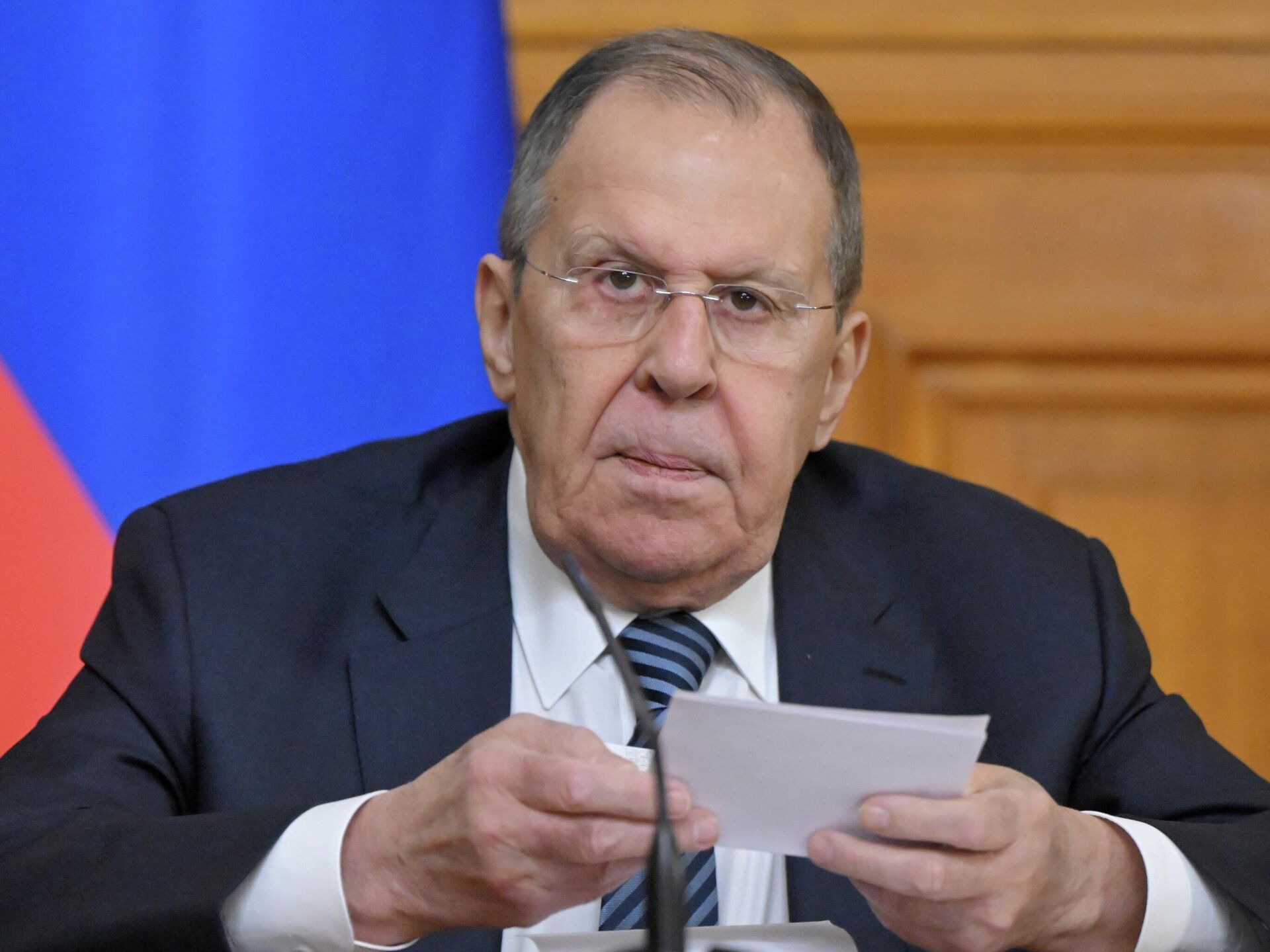
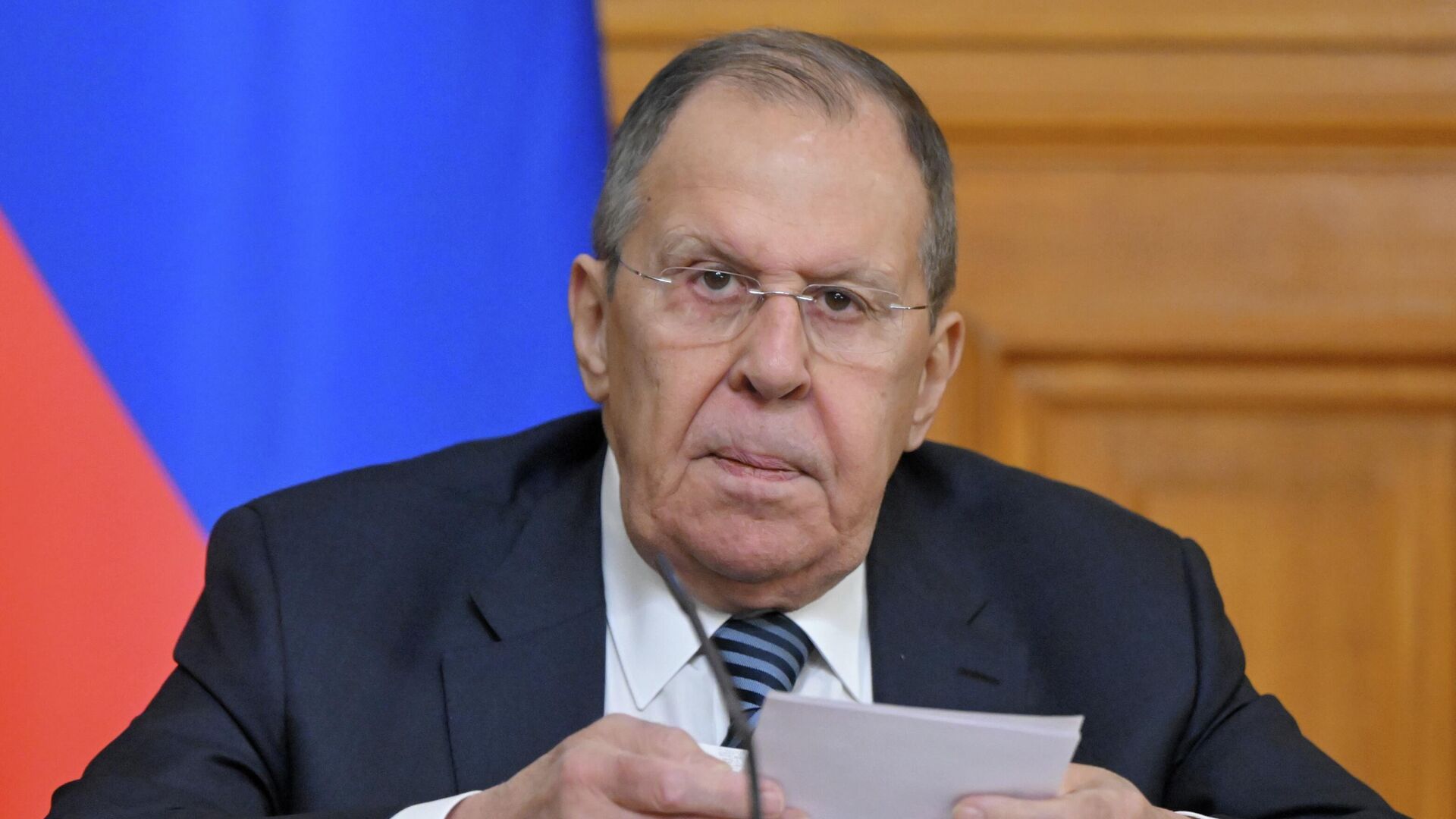
Russian Foreign Minister Sergey Lavrov highlighted the changing global economic balance, noting that BRICS’ combined GDP by purchasing power parity now exceeds that of the G7.
In an interview with TV BRICS, Lavrov emphasized the irreversible nature of this transition and the growing economic power of the BRICS bloc.
According to the Russian Foreign Minister, the world is in the midst of a struggle to preserve the old world order, one that has long been centered around the dominance of the US dollar and institutions like the International Monetary Fund (IMF), the World Bank, and the World Trade Organization (WTO). However, with the rise of new economic powers — particularly the BRICS nations — this system is facing increasing challenges.
"When the new centers of growth, operating under these very rules, began to demonstrate far more substantial economic results and significantly higher growth rates – as is evident across the BRICS countries – the West started seeking ways to block this transition. This cannot succeed, because it is an objective, irreversible process. For several years now, the BRICS countries’ growth rates and GDP volumes have, in terms of purchasing power parity, substantially exceeded the combined GDP of the G7," he said.
Lavrov also addressed the ongoing conflict in Ukraine, highlighting that Russia had agreed to US proposals for resolution, yet the West continued imposing sanctions.
“President Putin has said it is not important for Russia what Ukraine and Europe are going to say; we can clearly see the primitive Russophobia of most regimes in the European Union,” Lavrov said.
Lavrov pointed out the ongoing attempts to control crucial energy routes in Europe, such as the Nord Stream pipelines and TurkStream.
"Tariffs, sanctions, direct prohibitions, forbidding some from engaging with others – we have to take all of this into account. While remaining open, just like India, China, Indonesia and Brazil, to cooperation with all countries, including a major power such as the United States, we are in a situation where the Americans themselves are creating artificial obstacles along the way," he said.
Lavrov also spoke about the importance of fostering global security based on mutual cooperation and regional integration. A key element in this vision is the Greater Eurasian Partnership, which seeks to strengthen ties between regional organizations, including the Eurasian Economic Union (EAEU), the Shanghai Cooperation Organization (SCO), and ASEAN.
"The stronger the ties between regional and subregional organizations, the sturdier the foundation for building a common security model," he said.