https://sputniknews.in/20260317/air-is-strategic-too-some-not-very-obvious-lessons-of-middle-east-war-10692810.html
Air Is Strategic, Too: Some Not Very Obvious Lessons of Middle East War
Air Is Strategic, Too: Some Not Very Obvious Lessons of Middle East War
Sputnik India
Nothing like first-hand experience: my wife & I flew, these days, home to Moscow via the Emirates. And while most people in the world worry about oil supplies... 17.03.2026, Sputnik India
2026-03-17T13:32+0530
2026-03-17T13:32+0530
2026-03-31T13:33+0530
sputnik opinion
middle east
russia
moscow
https://cdn1.img.sputniknews.in/img/07ea/03/02/10548614_0:196:2945:1853_1920x0_80_0_0_5079735b8302103453b52b106c3b913a.jpg
Our flight was initially scheduled for March 8 from Kuala Lumpur, Malaysia, via Abu Dhabi airport. Needless to say, our first idea on March 1 was to forget about the original tickets and maybe fly over China. But, suddenly, such tickets disappeared from sales, and reappeared three or four times more expensive compared to their former prices – someone in China has got rich as a result.Then we looked up a couple of routes via Sri Lanka or Delhi, and, again, discovered plenty of surprises. Enough is to say, the airport in the beautiful island of Ceylon got clogged immediately. You have to have a lot of good facilities in place so as to become an alternative hub in such cases.We would have had a lot of problems if we were to fly via Dubai. That airport (two of them, to be precise) has plainly stopped all the flights in the first several days of that war. There were ugly rumors about people being thrown out of hotels there, while having no chance of flying away. But Abu Dhabi has made an entirely different decision, that is, to sell no new tickets, but to evacuate all the passengers stuck in the emirate itself or in other places, waiting for being forwarded to their home countries.And that’s how my wife & I managed to get to Moscow from Malaysia, along with dozens of other passengers stranded in Kuala Lumpur and other places. That took days of cancellations and newly-designated dates. But, in the end, both flights went very well, without a minute of delay since confirmed, while there were – and are – missiles flying all over the Middle East.Our normal fly time from any of the emirates to Moscow usually is five hours, crossing the airspace of Iran and going straight to the north. While now it took us eight hours, since first we went south and then east, to the Indian Ocean, and then across the airspace of Pakistan to Central Asia and further on home. What I decided not to say to my wife, was that Pakistan at the moment was, and still is, at war with Afghanistan, with a theoretical chance of our flight being, at the very least, delayed once again.If you look at all the panic-mongering all over the world, almost all you hear are laments about the Middle East oil and about an oil shock due to even temporary suspension of oil flow to all kind of markets. What is less known is the similar predicament with aluminum. Qatar and Bahrain happen to produce about 9 per cent of global aluminum output, and the prices for that commodity already went up. Russia, that metal’s known producer, physically cannot plug that hole immediately, since it will need several months to build up production.Chemicals are next in line, and among so many different ones of these helium seems to be the biggest victim. Qatar used to be responsible for 33 per cent of helium’s global production, being second after the US, while Russia is a #3 in that regard. You need that commodity in medical industries, chip production and all kind of airspace ventures.You may have noticed that Russia may earn a lot of money on all the listed disasters, but wait until we start talking about fertilizers, since Russia controls about 20 per cent of the global trade of these. While the Strait of Hormuz used to handle from 35 to 45 per cent of various fertilizers used in the world.And that by far is not the end of the list of things the Middle East was handling this way or that. Airspace happens to be a special case, though, since transport & logistics economy is not easy to convert into rupees and cents.Simply speaking, the Middle East has become indispensable as a place that links Asia, Europe and Africa in more ways than one. Airports became as important as sea ports, only thing is, it’s not easy to demonstrate their importance. Until these airports cease to work, that is.There are several ways to handle that situation. Raising prices of everything seems to be the obvious reaction to the current disaster, but there are other solutions that seem to be equally obvious, that is replacing the Middle East, at least temporary so, with airspace of India, Russia, China and other places in the Eurasian continent. Though the most obvious thing to do is to strive for speedy restoration of the situation to its pre-war normalcy.The question is, what is easier to the modern breed of global leaders – to admit a multitude of criminal mistakes and restore the world to normalcy, or to go on heaping up these mistakes, to everyone’s dismay.From the angle of simple logic and economic reason, it would be wise for everyone to accept the reality of Iran becoming a nuclear state now, with Israel and the US getting very modest and careful in their future actions. That solution would quickly restore the Middle East to its previous glory, with security guarantees from nations like India, Russia and China instead of the trigger-happy duo of Israel and America.Unfortunately, there are many other similar situations where the easiest and the most logical solutions seem to be next to impossible. If you look at the dim prospects of Europe, it’s been stated repeatedly by all kind of thinkers that Europe needs to extricate itself from its Ukrainian adventure, since their stooge Ukraine has lost all chances of defeating Russia. The question is, how long it will take for Europeans to replace their current leaders, who hoped to contain Russia by clashing it with Ukraine and hoping that the US will help along.It is similarly clear that the basic idea of a Middle East dependent on the US security guarantees has produced, so far, exactly the reverse results. The problem is to think of a clear alternative that will restore the Middle East to its yesterday’s role of everybody’s darling and valuable partner.Speaking about other everybody’s darlings, Russians, a very strange piece of news has appeared yesterday. Russian tourist agencies are reporting that the flights from Moscow to Dubai are fully booked again. Yes, the war is far from over, but Russian tourists and business travelers want back, with wives, other ladies and children. And, yes again, Russians have overcame the initial horrors of watching the TV reports about crowds of compatriots sleeping on the airport floors, wanting to get home. They noted the hotels and airlines discounts and booked their flights back South.One has to remember that Russians are the first to brave such dangers, same was happening in Egypt hit by terror attacks on tourists in 1997, or in Bangkok in the midst of street battles of 2014, or at the peak of the global coronavirus madness. And, in any case, Russians seem to assess the future bright prospects of the region in our own, peculiar Russian way.Dmitry Kosyrev is a Russian writer, author of spy novels and short stories. He also did columns for the Pioneer and Firstpost.com
middle east
russia
moscow
Sputnik India
feedback.hindi@sputniknews.com
+74956456601
MIA „Rossiya Segodnya“
2026
News
en_IN
Sputnik India
feedback.hindi@sputniknews.com
+74956456601
MIA „Rossiya Segodnya“
Sputnik India
feedback.hindi@sputniknews.com
+74956456601
MIA „Rossiya Segodnya“
middle east, russia, moscow
middle east, russia, moscow
Air Is Strategic, Too: Some Not Very Obvious Lessons of Middle East War
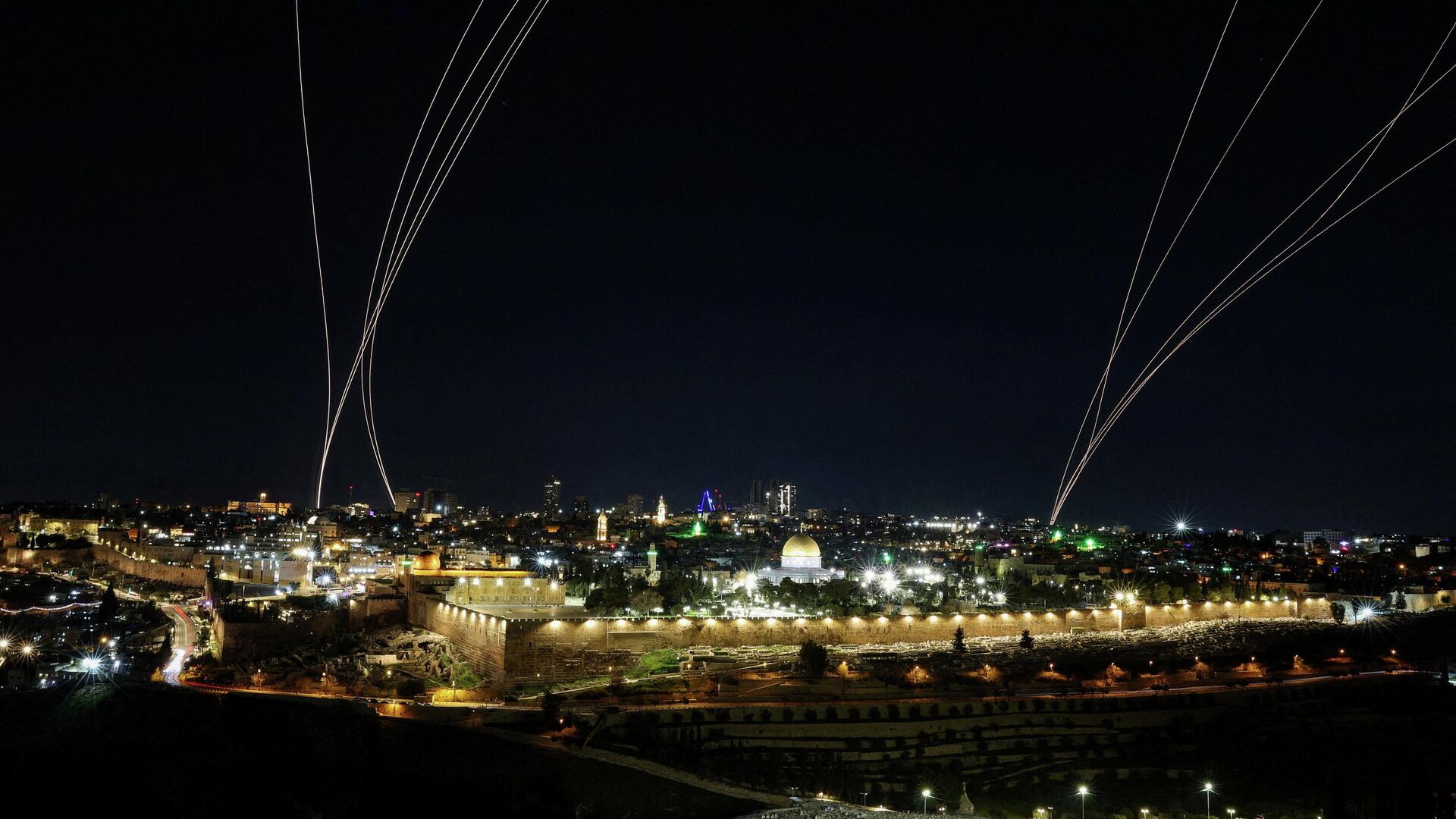
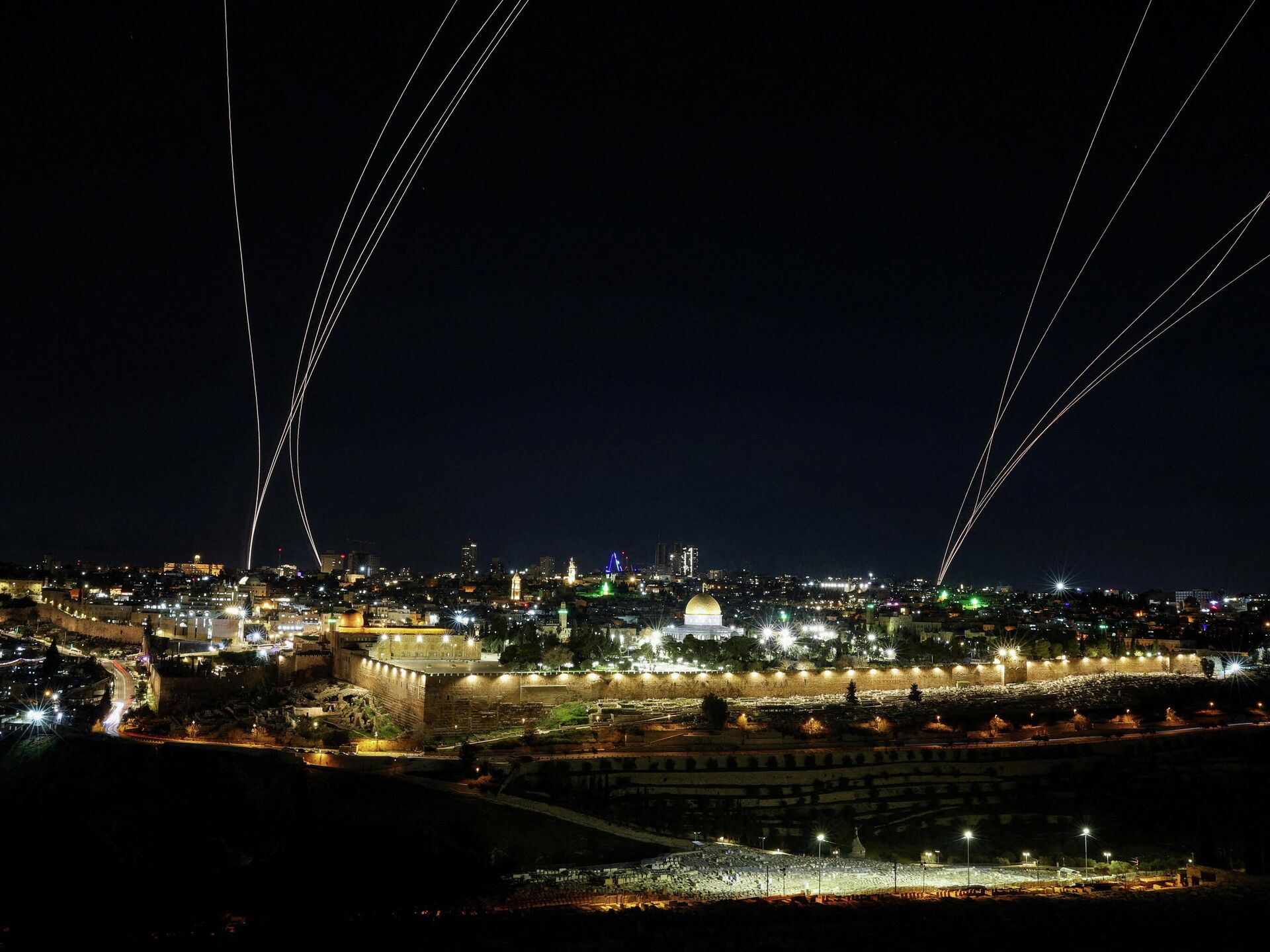
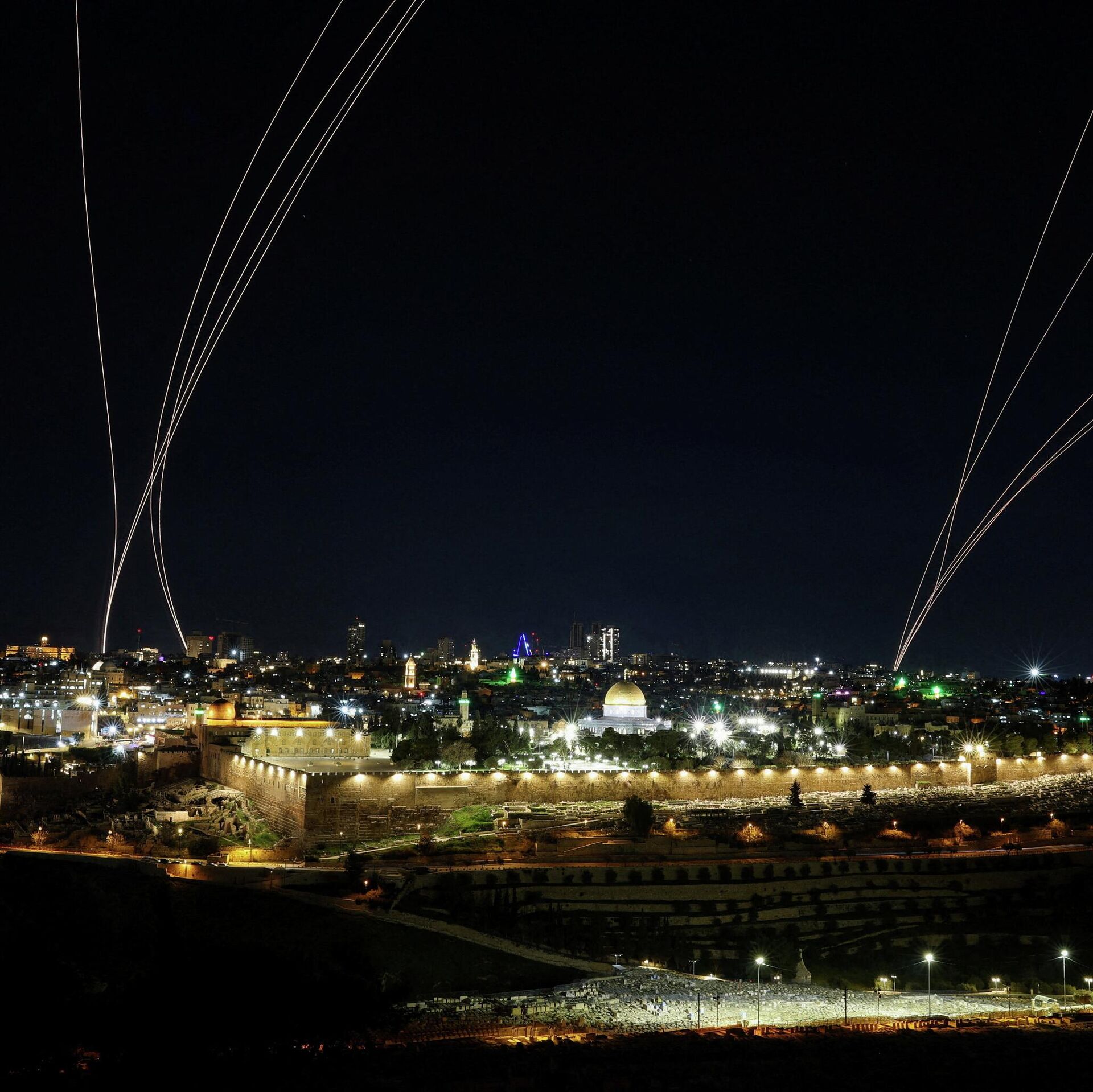
13:32 17.03.2026 (Updated: 13:33 31.03.2026) Nothing like first-hand experience: my wife & I flew, these days, home to Moscow via the Emirates. And while most people in the world worry about oil supplies for the global economy, I have had several days of worries about yet another precious commodity, that’s air, or, to be precise, the airspace over the Middle East.
Our flight was initially scheduled for March 8 from Kuala Lumpur, Malaysia, via Abu Dhabi airport. Needless to say, our first idea on March 1 was to forget about the original tickets and maybe fly over China. But, suddenly, such tickets disappeared from sales, and reappeared three or four times more expensive compared to their former prices – someone in China has got rich as a result.
Then we looked up a couple of routes via Sri Lanka or Delhi, and, again, discovered plenty of surprises. Enough is to say, the airport in the beautiful island of Ceylon got clogged immediately. You have to have a lot of good facilities in place so as to become an alternative hub in such cases.
We would have had a lot of problems if we were to fly via Dubai. That airport (two of them, to be precise) has plainly stopped all the flights in the first several days of that war. There were ugly rumors about people being thrown out of hotels there, while having no chance of flying away. But Abu Dhabi has made an entirely different decision, that is, to sell no new tickets, but to evacuate all the passengers stuck in the emirate itself or in other places, waiting for being forwarded to their home countries.
And that’s how my wife & I managed to get to Moscow from Malaysia, along with dozens of other passengers stranded in Kuala Lumpur and other places. That took days of cancellations and newly-designated dates. But, in the end, both flights went very well, without a minute of delay since confirmed, while there were – and are – missiles flying all over the Middle East.
Our normal fly time from any of the emirates to Moscow usually is five hours, crossing the airspace of Iran and going straight to the north. While now it took us eight hours, since first we went south and then east, to the Indian Ocean, and then across the airspace of Pakistan to Central Asia and further on home. What I decided not to say to my wife, was that Pakistan at the moment was, and still is, at war with Afghanistan, with a theoretical chance of our flight being, at the very least, delayed once again.
If you look at all the panic-mongering all over the world, almost all you hear are laments about the Middle East oil and about an oil shock due to even temporary suspension of oil flow to all kind of markets. What is less known is the similar predicament with aluminum. Qatar and Bahrain happen to produce about 9 per cent of global aluminum output, and the prices for that commodity already went up. Russia, that metal’s known producer, physically cannot plug that hole immediately, since it will need several months to build up production.
Chemicals are next in line, and among so many different ones of these helium seems to be the biggest victim. Qatar used to be responsible for 33 per cent of helium’s global production, being second after the US, while Russia is a #3 in that regard. You need that commodity in medical industries, chip production and all kind of airspace ventures.
You may have noticed that Russia may earn a lot of money on all the listed disasters, but wait until we start talking about fertilizers, since Russia controls about 20 per cent of the global trade of these. While the Strait of Hormuz used to handle from 35 to 45 per cent of various fertilizers used in the world.
And that by far is not the end of the list of things the Middle East was handling this way or that. Airspace happens to be a special case, though, since transport & logistics economy is not easy to convert into rupees and cents.
Simply speaking, the Middle East has become indispensable as a place that links Asia, Europe and Africa in more ways than one. Airports became as important as sea ports, only thing is, it’s not easy to demonstrate their importance. Until these airports cease to work, that is.
There are several ways to handle that situation. Raising prices of everything seems to be the obvious reaction to the current disaster, but there are other solutions that seem to be equally obvious, that is replacing the Middle East, at least temporary so, with airspace of India, Russia, China and other places in the Eurasian continent. Though the most obvious thing to do is to strive for speedy restoration of the situation to its pre-war normalcy.
The question is, what is easier to the modern breed of global leaders – to admit a multitude of criminal mistakes and restore the world to normalcy, or to go on heaping up these mistakes, to everyone’s dismay.
From the angle of simple logic and economic reason, it would be wise for everyone to accept the reality of Iran becoming a nuclear state now, with Israel and the US getting very modest and careful in their future actions. That solution would quickly restore the Middle East to its previous glory, with security guarantees from nations like India, Russia and China instead of the trigger-happy duo of Israel and America.
Unfortunately, there are many other similar situations where the easiest and the most logical solutions seem to be next to impossible. If you look at the dim prospects of Europe, it’s been stated repeatedly by all kind of thinkers that Europe needs to extricate itself from its Ukrainian adventure, since their stooge Ukraine has lost all chances of defeating Russia. The question is, how long it will take for Europeans to replace their current leaders, who hoped to contain Russia by clashing it with Ukraine and hoping that the US will help along.
It is similarly clear that the basic idea of a Middle East dependent on the US security guarantees has produced, so far, exactly the reverse results. The problem is to think of a clear alternative that will restore the Middle East to its yesterday’s role of everybody’s darling and valuable partner.
Speaking about other everybody’s darlings, Russians, a very strange piece of news has appeared yesterday. Russian tourist agencies are reporting that the flights from Moscow to Dubai are fully booked again. Yes, the war is far from over, but Russian tourists and business travelers want back, with wives, other ladies and children. And, yes again, Russians have overcame the initial horrors of watching the TV reports about crowds of compatriots sleeping on the airport floors, wanting to get home. They noted the hotels and airlines discounts and booked their flights back South.
One has to remember that Russians are the first to brave such dangers, same was happening in Egypt hit by terror attacks on tourists in 1997, or in Bangkok in the midst of street battles of 2014, or at the peak of the global coronavirus madness. And, in any case, Russians seem to assess the future bright prospects of the region in our own, peculiar Russian way.
Dmitry Kosyrev is a Russian writer, author of spy novels and short stories. He also did columns for the Pioneer and Firstpost.com