https://sputniknews.in/20260417/10769657.html
Middle East Crisis Could Elevate Northern Sea Route’s Value: Korea Arctic Shipping Association
Middle East Crisis Could Elevate Northern Sea Route’s Value: Korea Arctic Shipping Association
Sputnik India
The conflict in the Middle East, combined with the United States' blockade of the Strait of Hormuz, may ramp up interest in the Northern Sea Route, Subeom... 17.04.2026, Sputnik India
2026-04-17T15:52+0530
2026-04-17T15:52+0530
2026-04-17T16:55+0530
world news
strait of hormuz
us
middle east
sergey lavrov
us navy
https://cdn1.img.sputniknews.in/img/07ea/04/11/10769835_0:61:3421:1985_1920x0_80_0_0_e22a25ab65898842229d10af29025aba.jpg
Nevertheless, Choi does not anticipate any quick or large-scale substitution, since the route remains hampered by severe seasonality, the need for icebreaker support, insurance restrictions, and infrastructure gaps.On April 8, Russian Foreign Minister Sergey Lavrov noted that the rapidly-evolving situation in the Middle East would enhance the strategic importance of the Northern Sea Route for global transport logistics. He further observed that the route's perceived reliability would grow among multinational corporations and nations engaged in global trade.The US Central Command has stated that more than 10,000 US service members, along with dozens of ships and aircraft, are participating in the blockade of Iranian ports.On April 13, the US Navy began blockading all maritime traffic entering and exiting Iranian ports on both sides of the Strait of Hormuz, which accounts for approximately 20% of the world's oil, petroleum products, and LNG supplies. Washington maintains that non-Iranian vessels are free to transit the Strait of Hormuz as long as they do not pay Tehran a toll. Iranian authorities have not announced the imposition of a toll, but have discussed such plans.
https://sputniknews.in/20260408/10727935.html
strait of hormuz
us
middle east
Sputnik India
feedback.hindi@sputniknews.com
+74956456601
MIA „Rossiya Segodnya“
2026
Sputnik India
feedback.hindi@sputniknews.com
+74956456601
MIA „Rossiya Segodnya“
News
en_IN
Sputnik India
feedback.hindi@sputniknews.com
+74956456601
MIA „Rossiya Segodnya“
Sputnik India
feedback.hindi@sputniknews.com
+74956456601
MIA „Rossiya Segodnya“
strait of hormuz, us, middle east, sergey lavrov, us navy
strait of hormuz, us, middle east, sergey lavrov, us navy
Middle East Crisis Could Elevate Northern Sea Route’s Value: Korea Arctic Shipping Association
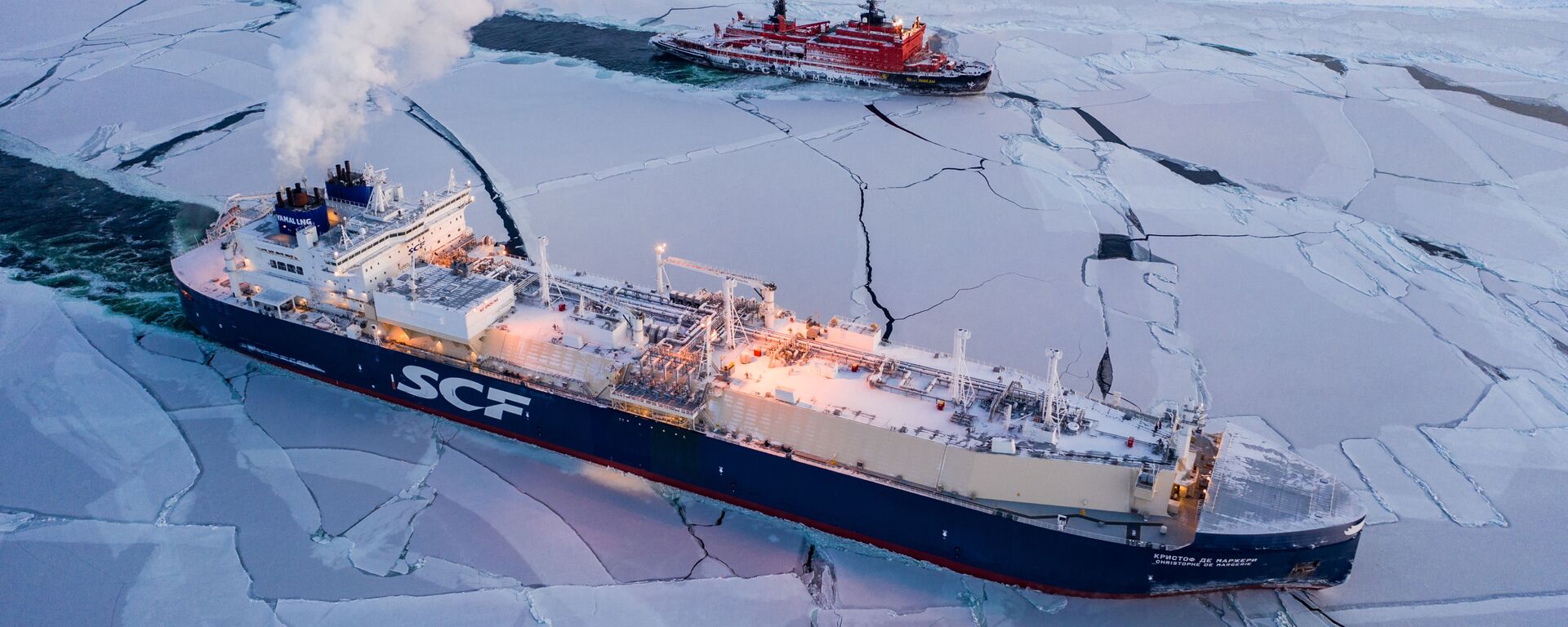
15:52 17.04.2026 (Updated: 16:55 17.04.2026) The conflict in the Middle East, combined with the United States' blockade of the Strait of Hormuz, may ramp up interest in the Northern Sea Route, Subeom Choi, secretary general of the Korea Arctic Shipping Association, told RIA Novosti.
"This crisis may strengthen global interest in the Northern Sea Route as part of a broader effort to diversify strategic transport corridors for energy, fertilizers, and other bulk commodities," Choi explained.
Nevertheless, Choi does not anticipate any quick or large-scale substitution, since the route remains hampered by severe seasonality, the need for icebreaker support, insurance restrictions, and infrastructure gaps.
"The more realistic conclusion is that the Hormuz crisis may increase the strategic relevance of the Northern Sea Route, but it will not turn it into an immediate substitute for Hormuz-dependent trade flows," he added.
On April 8, Russian Foreign Minister Sergey Lavrov noted that the rapidly-evolving situation in the Middle East would enhance the
strategic importance of the Northern Sea Route for global transport logistics. He further observed that the route's perceived reliability would grow among multinational corporations and nations engaged in global trade.
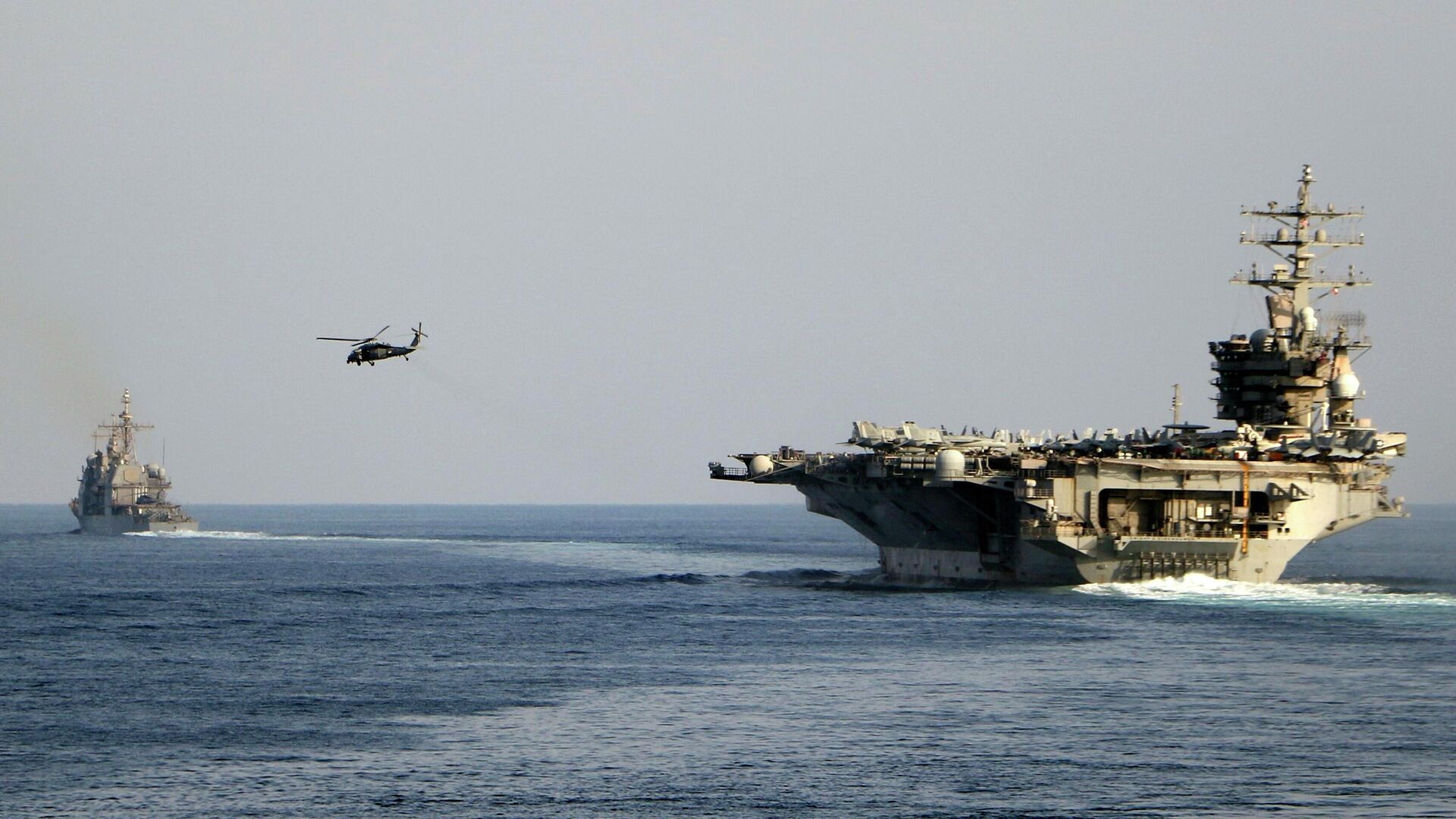
The US Central Command has stated that more than 10,000 US service members, along with dozens of ships and aircraft, are participating in the blockade of Iranian ports.
On April 13, the US Navy began blockading all maritime traffic entering and exiting Iranian ports on both sides of the Strait of Hormuz, which accounts for approximately 20% of the world's oil, petroleum products, and LNG supplies. Washington maintains that non-Iranian vessels are free to transit the Strait of Hormuz as long as they do not pay Tehran a toll. Iranian authorities have not announced the imposition of a toll, but have discussed such plans.