https://sputniknews.in/20260505/indias-new-radar-deceiving-drones-aim-to-blind-hostile-air-defences-source-10850078.html
India's New Radar-Deceiving Drones Aim to Blind Hostile Air Defences: Source
India's New Radar-Deceiving Drones Aim to Blind Hostile Air Defences: Source
Sputnik India
A new generation of indigenous Indian drones—capable of penetrating, deceiving, and degrading hostile air-defence networks—is currently under development... 05.05.2026, Sputnik India
2026-05-05T19:26+0530
2026-05-05T19:26+0530
2026-05-05T19:26+0530
world news
india
science & tech
drone
unmanned aerial vehicles (uavs)
https://cdn1.img.sputniknews.in/img/07ea/02/0c/10473869_0:160:3072:1888_1920x0_80_0_0_2dad0778196fa82edfaee5337a5aa222.jpg
Two distinct unmanned platforms are in the pipeline sources say, with both intended to bolster India’s electronic warfare (EW) and suppression of enemy air defences (SEAD) capabilities.Chaff Chucking EW Drones Dupe DefencesThe first drone type will carry an electronic warfare payload and a deceptive chaff-dispersion mechanism. Chaff—fine aluminium fibres released into the air—is used to distort an adversary's radar picture and mask the movement of friendly assets.Defence officials said the system is being developed in collaboration with the domestic defence industry, reflecting India’s broader push toward self-reliance in advanced military technologies.Anti-Radar Decoy SwarmA second platform in the works is an anti-radar decoy swarm drone system, capable of overwhelming enemy air defences through coordinated electronic attacks.These drones are expected to operate in swarms at speeds reaching Mach 0.9 and can cover distances as far as 500 kilometres. They are engineered to autonomously detect and generate EW emissions or follow pre-programmed jamming patterns.By releasing large volumes of chaff, the swarm can create an EW “corridor” that enables drones or other aircraft to penetrate air-defence zones with reduced risk. Thanks to their compact design, the systems can be launched in large numbers from multiple locations without requiring a runway.Reconnaissance and Target-Simulation DronesAnother drone model will combine reconnaissance, jamming, and target-simulation functions. Its onboard systems will emit signals mimicking various aircraft or missile signatures, creating the illusion of attacks coming from multiple directions thereby forcing enemy radars to lock onto false targets.In addition to deceptive roles, these drones will relay precise intelligence on enemy positions and are capable of disrupting hostile radar and communications networks.New Technology Rewrites RulesFor military planners worldwide, neutralising enemy air defences is non-negotiable for successful operations. Traditional Suppression of Enemy Air Defences (SEAD) missions have relied on stand-off missiles or manned aircraft to destroy or degrade these systems. But the rise of low-cost, expendable drones has fundamentally rewritten the rules. These unmanned systems enable militaries to saturate, deceive, or blind enemy radar networks with a fraction of the risk once incurred.India’s new drone programmes reflect this global shift, integrating indigenous EW technologies with swarm and decoy tactics to enhance survivability and operational reach in contested airspace.
https://sputniknews.in/20260402/russias-drone-lessons-loom-over-indias-417-billion-stealth-ambition-10703717.html
india
Sputnik India
feedback.hindi@sputniknews.com
+74956456601
MIA „Rossiya Segodnya“
2026
Sputnik India
feedback.hindi@sputniknews.com
+74956456601
MIA „Rossiya Segodnya“
News
en_IN
Sputnik India
feedback.hindi@sputniknews.com
+74956456601
MIA „Rossiya Segodnya“
Sputnik India
feedback.hindi@sputniknews.com
+74956456601
MIA „Rossiya Segodnya“
india, science & tech, drone, unmanned aerial vehicles (uavs)
india, science & tech, drone, unmanned aerial vehicles (uavs)
India's New Radar-Deceiving Drones Aim to Blind Hostile Air Defences: Source
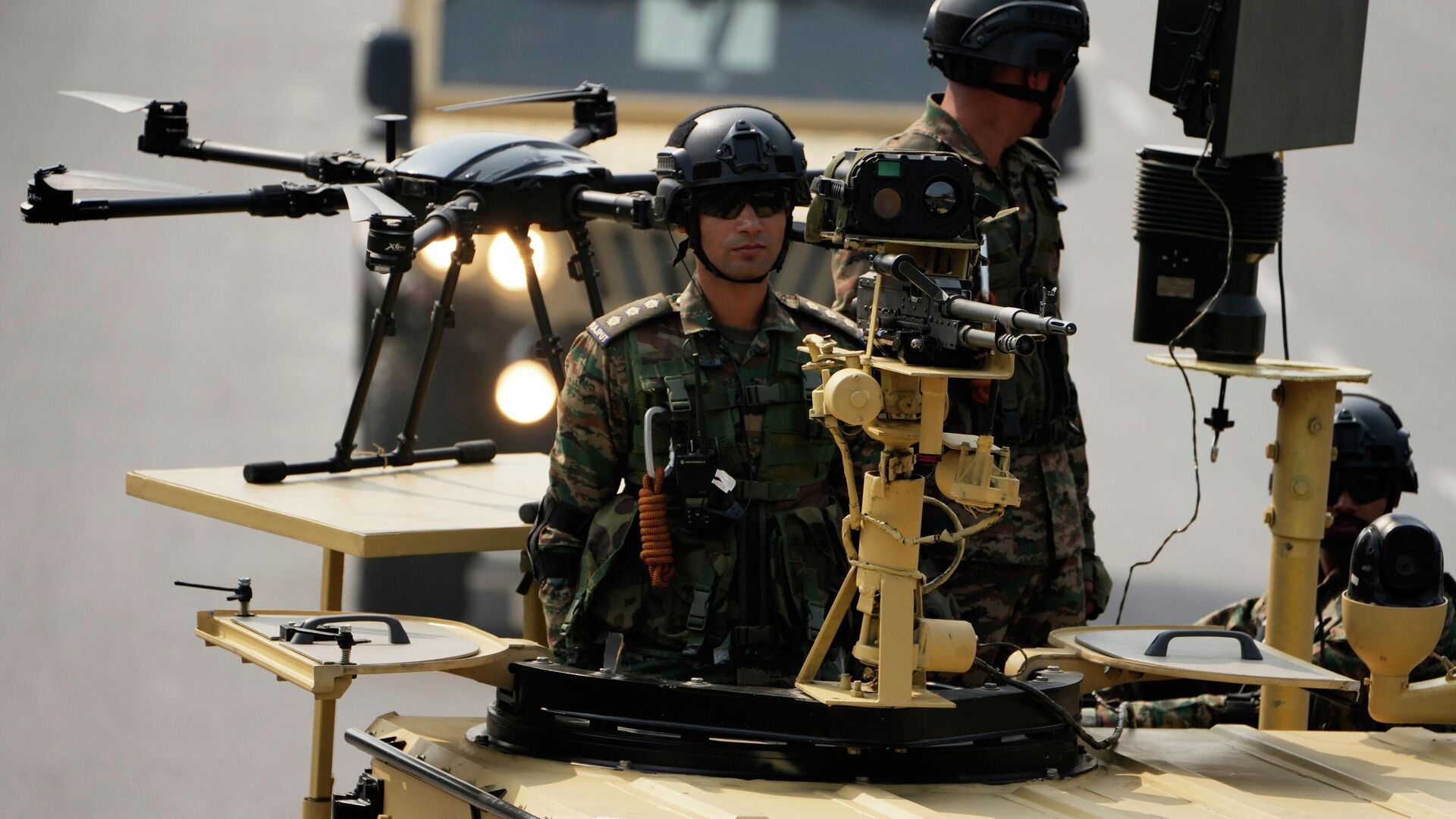
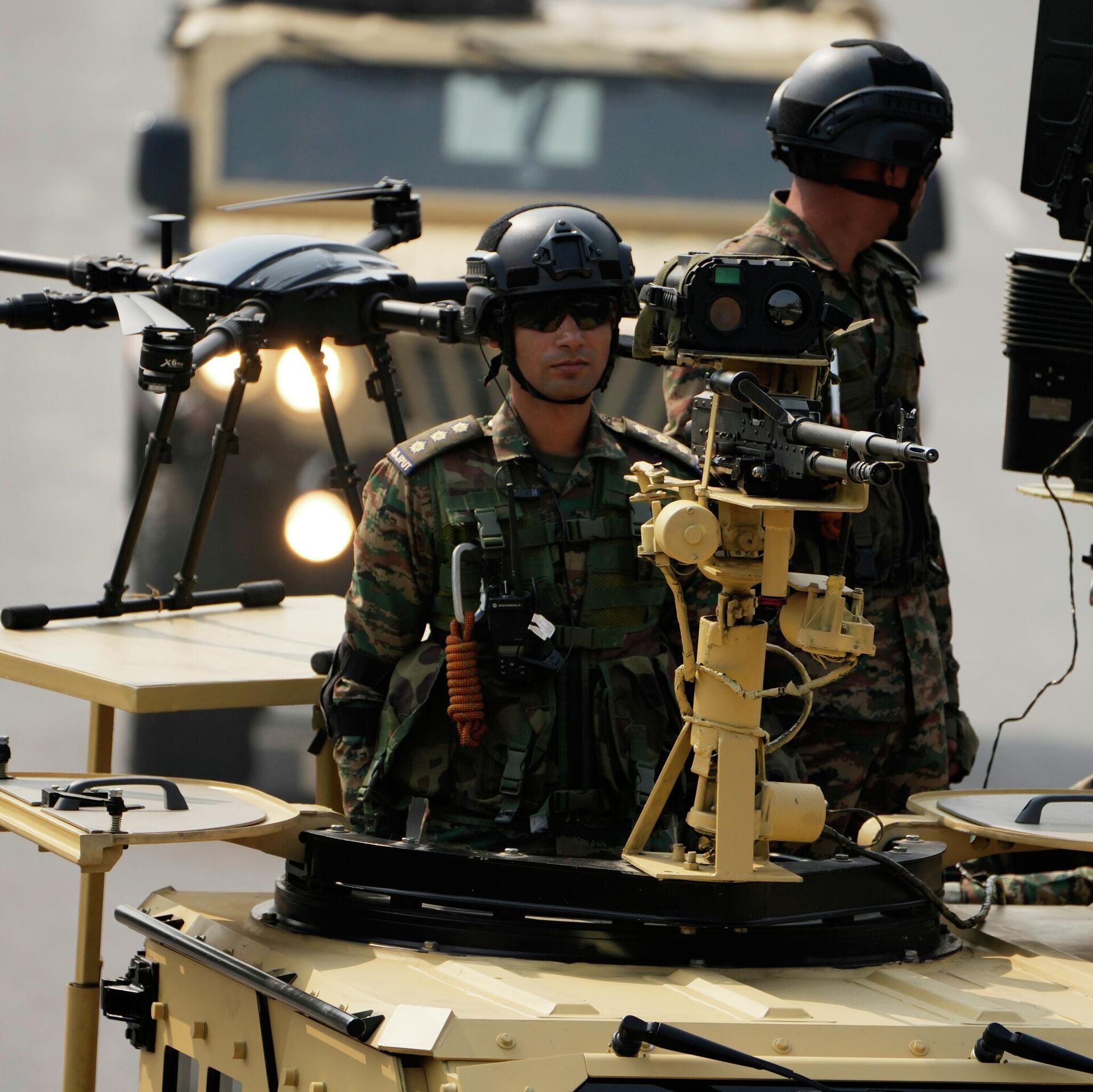
A new generation of indigenous Indian drones—capable of penetrating, deceiving, and degrading hostile air-defence networks—is currently under development, defence sources have told Sputnik India.
Two distinct unmanned platforms are in the pipeline sources say, with both intended to bolster India’s electronic warfare (EW) and suppression of enemy air defences (SEAD) capabilities.
Chaff Chucking EW Drones Dupe Defences
The first drone type will carry an electronic warfare payload and a deceptive chaff-dispersion mechanism. Chaff—fine aluminium fibres released into the air—is used to distort an adversary's radar picture and mask the movement of friendly assets.
Defence officials said the system is being developed in collaboration with the
domestic defence industry, reflecting India’s broader push toward self-reliance in advanced military technologies.
A second platform in the works is an anti-radar decoy swarm drone system, capable of overwhelming enemy air defences through coordinated electronic attacks.
These drones are expected to operate in swarms at speeds reaching Mach 0.9 and can cover distances as far as 500 kilometres. They are engineered to autonomously detect and generate EW emissions or follow pre-programmed jamming patterns.
By releasing large volumes of chaff, the swarm can create an EW “corridor” that enables drones or other aircraft to penetrate air-defence zones with reduced risk. Thanks to their compact design, the systems can be launched in large numbers from multiple locations without requiring a runway.
Reconnaissance and Target-Simulation Drones
Another drone model will
combine reconnaissance, jamming, and target-simulation functions. Its onboard systems will emit signals mimicking various aircraft or missile signatures, creating the illusion of attacks coming from multiple directions thereby forcing enemy radars to lock onto false targets.
In addition to deceptive roles, these drones will relay precise intelligence on enemy positions and are capable of disrupting hostile radar and communications networks.
New Technology Rewrites Rules
For military planners worldwide, neutralising enemy air defences is non-negotiable for successful operations. Traditional Suppression of Enemy Air Defences (SEAD) missions have relied on stand-off missiles or manned aircraft to destroy or degrade these systems. But the rise of low-cost, expendable drones has fundamentally rewritten the rules. These unmanned systems enable militaries to saturate, deceive, or blind enemy radar networks with a fraction of the risk once incurred.
India’s new drone programmes reflect this global shift, integrating indigenous EW technologies with swarm and decoy tactics to enhance survivability and operational reach in contested airspace.