https://sputniknews.in/20260707/india-and-russia-launch-sovereign-server-lab-homegrown-servers-expected-by-2027-11558711.html
India and Russia Launch Sovereign Server Lab, Homegrown Servers Expected by 2027
India and Russia Launch Sovereign Server Lab, Homegrown Servers Expected by 2027
Sputnik India
The Indo-Russia 'Innopraktika' Technology Hub inaugurated a 'Sovereign Secure Infrastructure Lab' in Delhi on Tuesday. The first Make in India servers, using Russian motherboards, could be unveiled for the Indian market by next year.
2026-07-07T18:36+0530
2026-07-07T18:36+0530
2026-07-07T18:36+0530
indo-russian relations
india
russia
delhi
brics
science & tech
cutting-edge technology
cloud technology
artificial intelligence (ai)
semi-conductor chips
https://cdn1.img.sputniknews.in/img/07e9/03/05/8834364_0:0:3071:1728_1920x0_80_0_0_44af86322dadc2d455c424887b4b2bca.jpg
Indian and Russian entities have joined hands to co-develop sovereign technology infrastructure, which include servers, semiconductor chips as well as a unified communication platform, under the Make in India programme.The Indo-Russia 'Innopraktika' Technology Hub has unveiled AIRavata high-performance servers, semiconductor chips (WULAR and DISHA) as well as a 'TAAR' unified platform for business communications, all of them part of building a "sovereign and secure infrastructure". They said that the custom-built, defence-grade sovereign servers would directly contribute to the Atmanirbhar Bharat Vision. Talking about the significance of having Make in India servers, Debjit Chakraborty, CEO, Indo-Russia Innopraktika Technology Hub, said that it has been an imperative for India to have sovereign control over the technology systems being deployed in the country."The server is at the heart of any technology system. Be it AI or any new technology, it is essential to have control over the base systems on which the data resides," Chakraborty said.He said that having a sovereign tech infrastructure would not only benefit India, but both the nations could also look to eventually share their tech products with other BRICS nations and the Global South.The CEO said that the project was getting a "very good response" from the Indian government and industry. He added that NITI Aayog, Vivekananda International Foundation (VIF) and several Indian Institutes of Technology (IITs) have already been enlisted as "strategic partners" for the project.Chandrakumar Chettiar, Advisor and Head at the Innopraktika's Sovereign Infrastructure Lab, said that India's "data centre boom" has necessitated the need for having domestically-manufactured servers rather than importing them.He said that the chip sets imported from Russia were already being "localised" in India.Zlata Antusheva, Lead of GR and Finance Sector at the Russian Trade Representative's Office in Delhi, expressed hope that increased tech exports from India to Russia in coming years could help address the trade imbalance between the two nations. At the 23rd India-Russia Annual Summit co-chaired by Prime Minister Narendra Modi and President Vladimir Putin last December in Delhi, both the sides vowed to expand bilateral cooperation in science and technology, including advanced high-technology areas.
https://sputniknews.in/20260326/russia-plans-deeper-tech-sector-collaboration-through-brics-putin-10675802.html
india
russia
delhi
global south
Sputnik India
feedback.hindi@sputniknews.com
+74956456601
MIA „Rossiya Segodnya“
2026
Dhairya Maheshwari
https://cdn1.img.sputniknews.in/img/07e6/0c/13/138962_0:0:641:640_100x100_80_0_0_2cb44360dbcdf6d84bf4b299cd045917.jpg
Dhairya Maheshwari
https://cdn1.img.sputniknews.in/img/07e6/0c/13/138962_0:0:641:640_100x100_80_0_0_2cb44360dbcdf6d84bf4b299cd045917.jpg
News
en_IN
Sputnik India
feedback.hindi@sputniknews.com
+74956456601
MIA „Rossiya Segodnya“
Sputnik India
feedback.hindi@sputniknews.com
+74956456601
MIA „Rossiya Segodnya“
Dhairya Maheshwari
https://cdn1.img.sputniknews.in/img/07e6/0c/13/138962_0:0:641:640_100x100_80_0_0_2cb44360dbcdf6d84bf4b299cd045917.jpg
india, russia, delhi, brics, science & tech, cutting-edge technology, cloud technology, artificial intelligence (ai), semi-conductor chips, big data, data privacy, data security, narendra modi, vladimir putin, india-russia ties, global south
india, russia, delhi, brics, science & tech, cutting-edge technology, cloud technology, artificial intelligence (ai), semi-conductor chips, big data, data privacy, data security, narendra modi, vladimir putin, india-russia ties, global south
India and Russia Launch Sovereign Server Lab, Homegrown Servers Expected by 2027
The Indo-Russia 'Innopraktika' Technology Hub inaugurated a 'Sovereign Secure Infrastructure Lab' in Delhi on Tuesday. The first Make in India servers could be unveiled for the Indian market by next year.
Indian and Russian entities have joined hands to co-develop sovereign technology infrastructure, which include servers, semiconductor chips as well as a unified communication platform, under the Make in India programme.
The Indo-Russia 'Innopraktika' Technology Hub has unveiled AIRavata high-performance servers, semiconductor chips (WULAR and DISHA) as well as a 'TAAR' unified platform for business communications, all of them part of building a "sovereign and secure infrastructure".
Co-developed by Foreseer AI using Russian deep tech expertise, the sovereign infrastructure set-up has already been pitched to Indian industry as well as government agencies, including the armed forces, Innopraktika representatives told Sputnik India.
They said that the custom-built, defence-grade sovereign servers would directly contribute to the Atmanirbhar Bharat Vision.
"The project targets defence, critical infrastructure, data centres and government and public sector undertaking (PSU) institutions," they said.
Talking about the significance of having Make in India servers,
Debjit Chakraborty, CEO, Indo-Russia Innopraktika Technology Hub, said that it has been an imperative for India to have
sovereign control over the technology systems being deployed in the country.
"The server is at the heart of any technology system. Be it AI or any new technology, it is essential to have control over the base systems on which the data resides," Chakraborty said.
Chakraborty said that Russian companies and the government have been more than willing to share their "deep tech expertise" with India, including intellectual property rights (IPR) and source codes.
He said that having a sovereign tech infrastructure would not only benefit India, but both the nations could also look to eventually share their tech products with other BRICS nations and the Global South.
The CEO said that the project was getting a "very good response" from the Indian government and industry. He added that NITI Aayog, Vivekananda International Foundation (VIF) and several Indian Institutes of Technology (IITs) have already been enlisted as "strategic partners" for the project.
Chakraborty stated that the Make in India servers could become available in the Indian market by next year.
"We are working with a couple of companies from Russia. We have been getting their servers in India and seeing how we could localise that. Maybe by 2027 we can see that happening," he said.
Chandrakumar Chettiar, Advisor and Head at the Innopraktika's Sovereign Infrastructure Lab, said that India's
"data centre boom" has necessitated the need for having domestically-manufactured servers rather than importing them.
He said that the chip sets imported from Russia were already being "localised" in India.
We are trying to capitalise on the technology advantage that Russia has and trying to develop something very unique, Chettiar said.
Zlata Antusheva, Lead of GR and Finance Sector at the Russian Trade Representative's Office in Delhi, expressed hope that increased tech exports from India to Russia in coming years could help address the trade imbalance between the two nations.
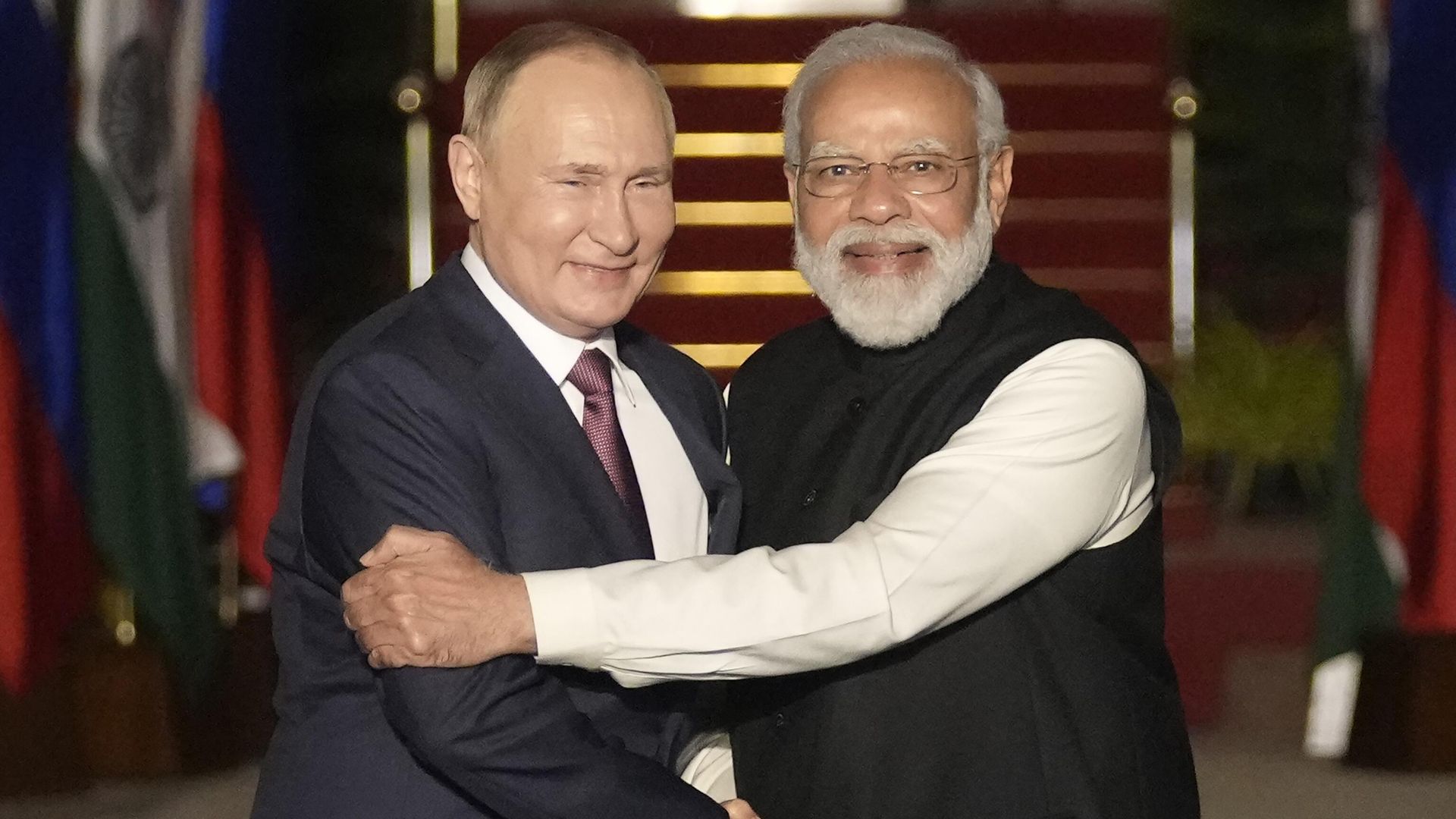
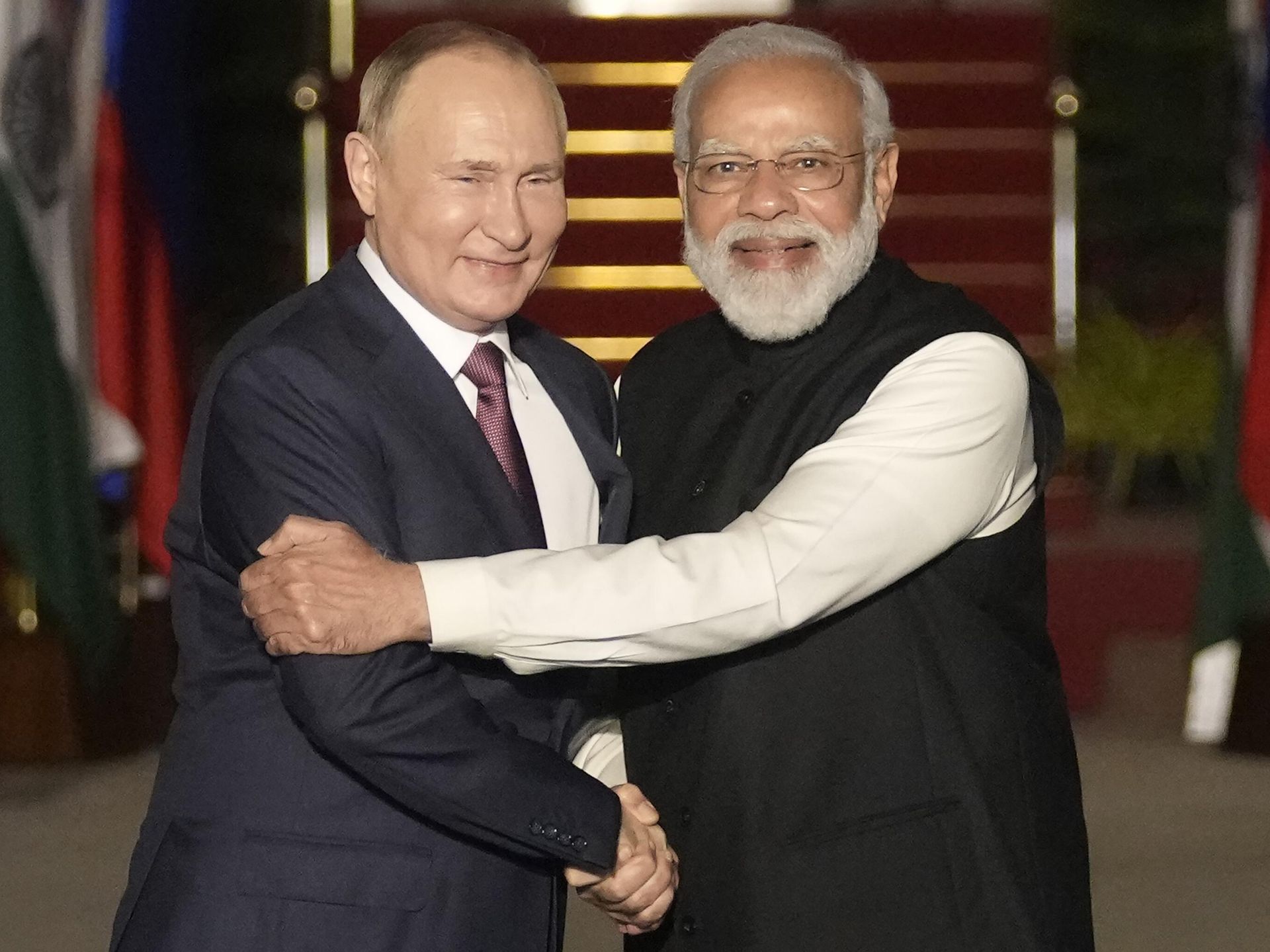
At the 23rd India-Russia Annual Summit co-chaired by Prime Minister Narendra Modi and President Vladimir Putin last December in Delhi, both the sides vowed to expand bilateral cooperation in science and technology, including advanced high-technology areas.