https://sputniknews.in/20260819/russia-introduces-mortar-fired-mesh-trap-for-drone-interception-11995970.html
Russia Introduces Mortar-Fired Mesh Trap for Drone Interception
Russia Introduces Mortar-Fired Mesh Trap for Drone Interception
Sputnik India
A team from Penza State University has been granted a patent for a system capable of ensnaring drones in a large net at distances of one kilometer or more... 19.08.2026, Sputnik India
2026-08-19T16:54+0530
2026-08-19T16:54+0530
2026-08-19T16:54+0530
defenсe news
russia
science & tech
drone
https://cdn1.img.sputniknews.in/img/07e9/0b/10/10072314_0:34:961:575_1920x0_80_0_0_284fd3603d716046a7f23637eb448e01.jpg
How it works:The net is compactly stowed within a cylindrical container and deployed via mortar launchAt the target zone, three cylinders diverge, unfurling the net into a 3D snare that drastically outperforms current net launchers in rangeOnce a drone is caught, three parachutes deploy to slow its fall, and the net can be triggered by a targeting system, radio command, or a preset delayThis Russian concept could offer a novel approach to safeguarding large installations against unmanned aerial threats while reducing the collateral risks inherent in explosive ordnances.
https://sputniknews.in/20260815/russian-geran-drone-strikes-ukrainian-long-range-drone-depot-in-chernigov-region-11965210.html
russia
Sputnik India
feedback.hindi@sputniknews.com
+74956456601
MIA „Rossiya Segodnya“
2026
Sputnik India
feedback.hindi@sputniknews.com
+74956456601
MIA „Rossiya Segodnya“
News
en_IN
Sputnik India
feedback.hindi@sputniknews.com
+74956456601
MIA „Rossiya Segodnya“
Sputnik India
feedback.hindi@sputniknews.com
+74956456601
MIA „Rossiya Segodnya“
russia, science & tech, drone
russia, science & tech, drone
Russia Introduces Mortar-Fired Mesh Trap for Drone Interception
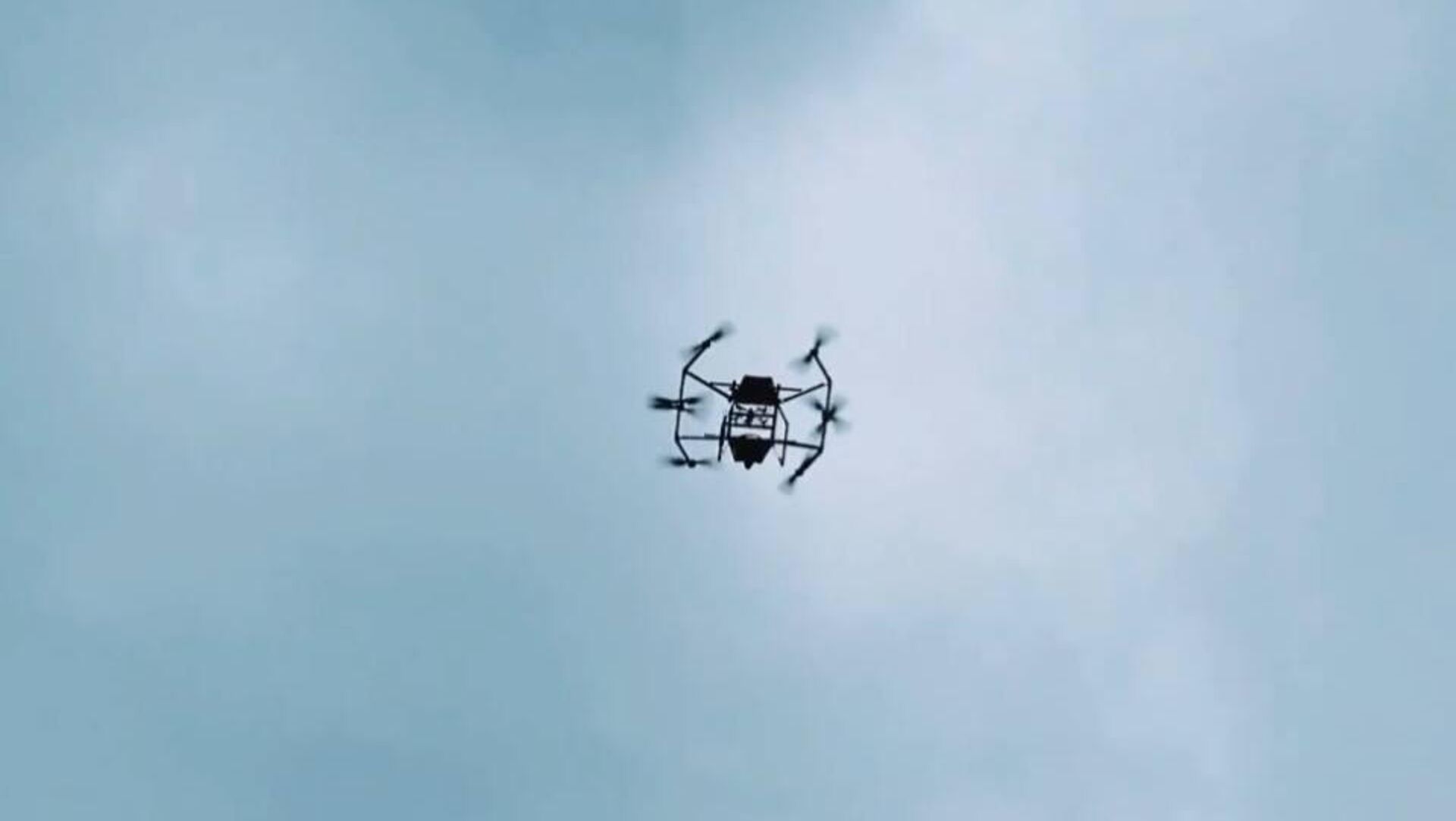
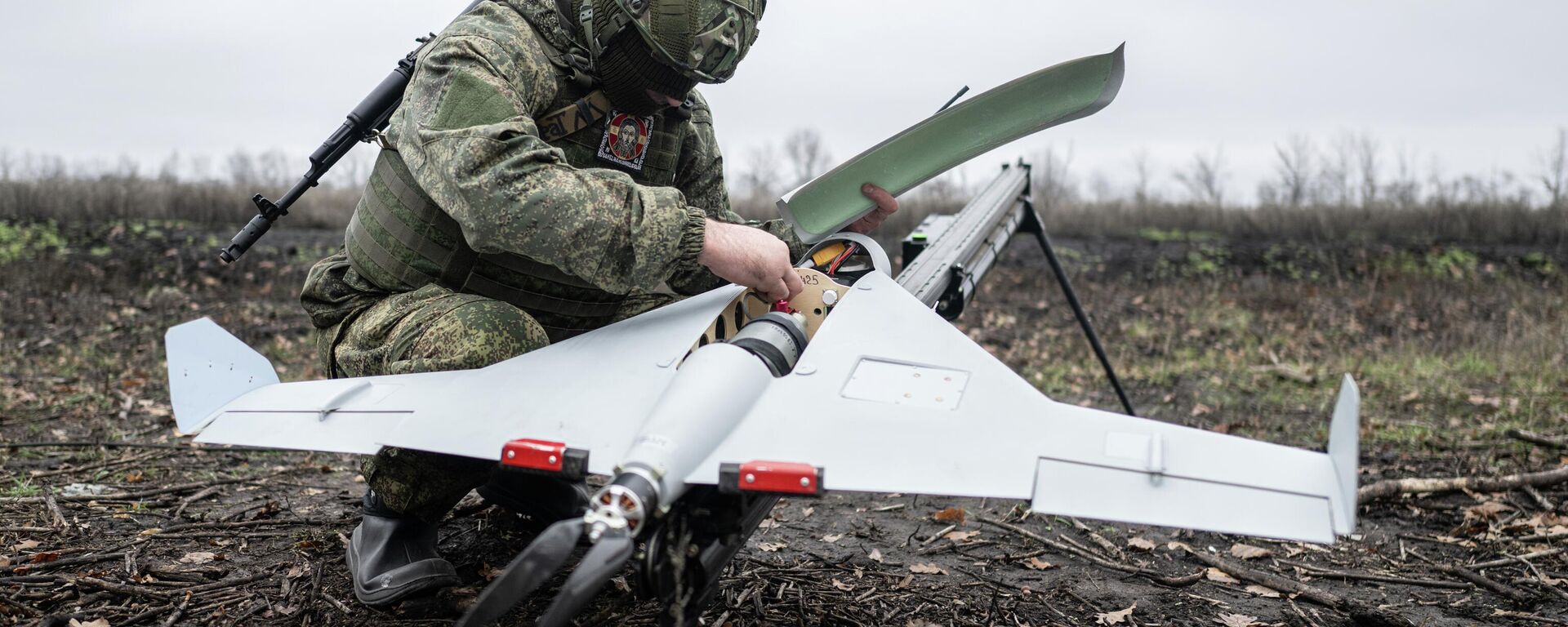
A team from Penza State University has been granted a patent for a system capable of ensnaring drones in a large net at distances of one kilometer or more, providing a non-kinetic alternative to conventional gunfire or fragmentation interception.
The net is compactly stowed within a cylindrical container and deployed via mortar launch
At the target zone, three cylinders diverge, unfurling the net into a 3D snare that drastically outperforms current net launchers in range
Once a drone is caught, three parachutes deploy to slow its fall, and the net can be triggered by a targeting system, radio command, or a preset delay
This Russian concept could offer a novel approach to safeguarding large installations against unmanned aerial threats while reducing the collateral risks inherent in explosive ordnances.