Drones And Poetry: It’s The Dreamers Who Bring New Eras In
11:54 26.08.2026 (Updated: 11:54 29.08.2026)
© Виталий Тимкив
Subscribe
The gentleman is fit and lean as a whip, his favorite sport is riding, he owned a horse until recently. That guest of my Moscow club has come there to read his poetry.
A lot of songs have been written by all kind of folks, using his lines. But what he was reciting in the club, this week, was hardly fir for a song. That was either mischievous advice to children (six such books published), or something that needed apologies to ladies present.
So, here we have a Russian poet? But Mr. Vladimir Markin is also a man with a doctoral degree in economics, with 70 essays on the matter published, and is a big boss in governmental and private programs of introducing drones next to everywhere.
My question to him seemed natural: how is that possible to be a dreamer and a wordsmith, but also to have a hard-edged engineering mind? The answer opened an avenue to that enchanting subject of operating the drones, that subject being somewhat obligatory for any conversation about the future of world development.
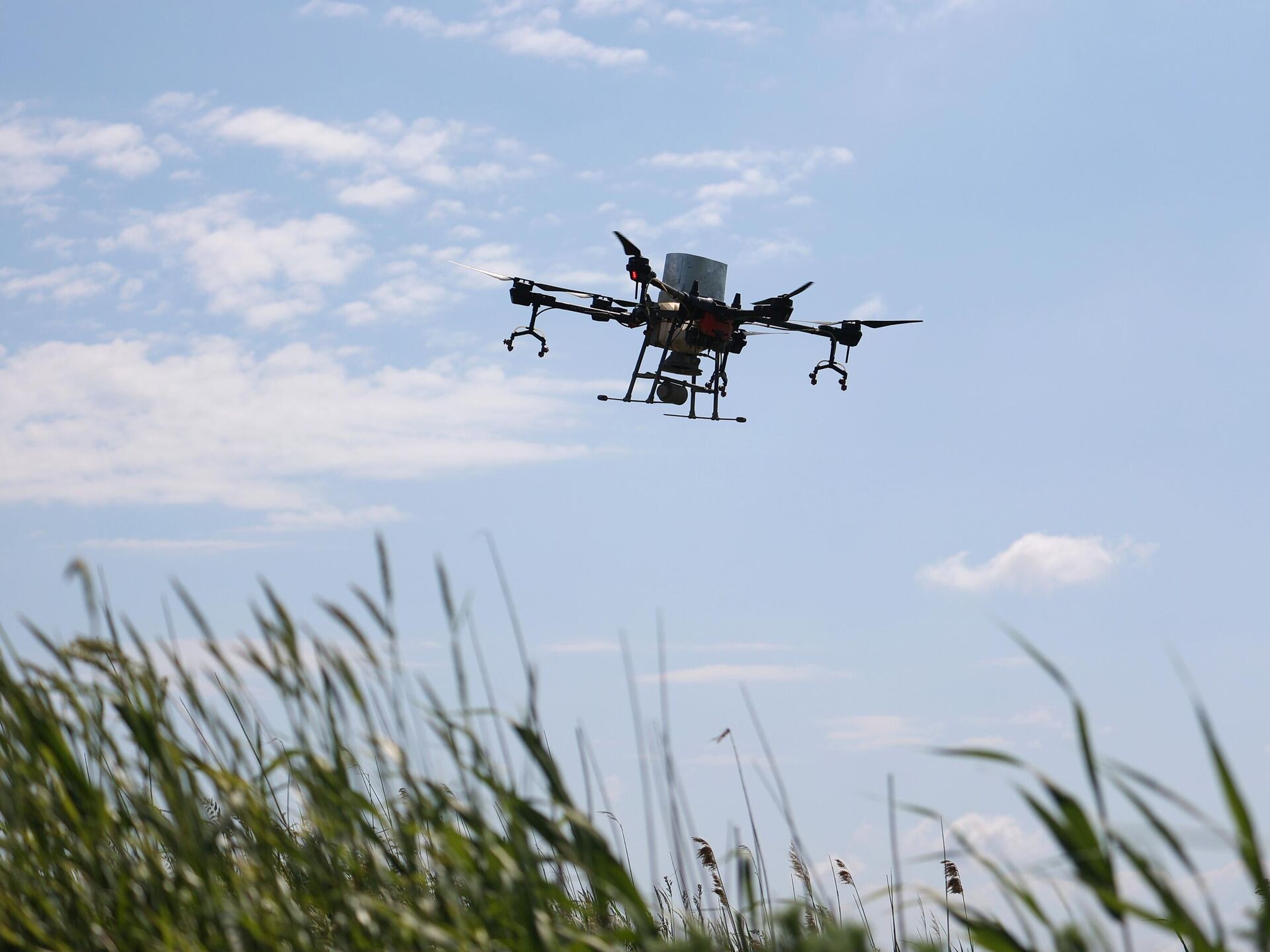
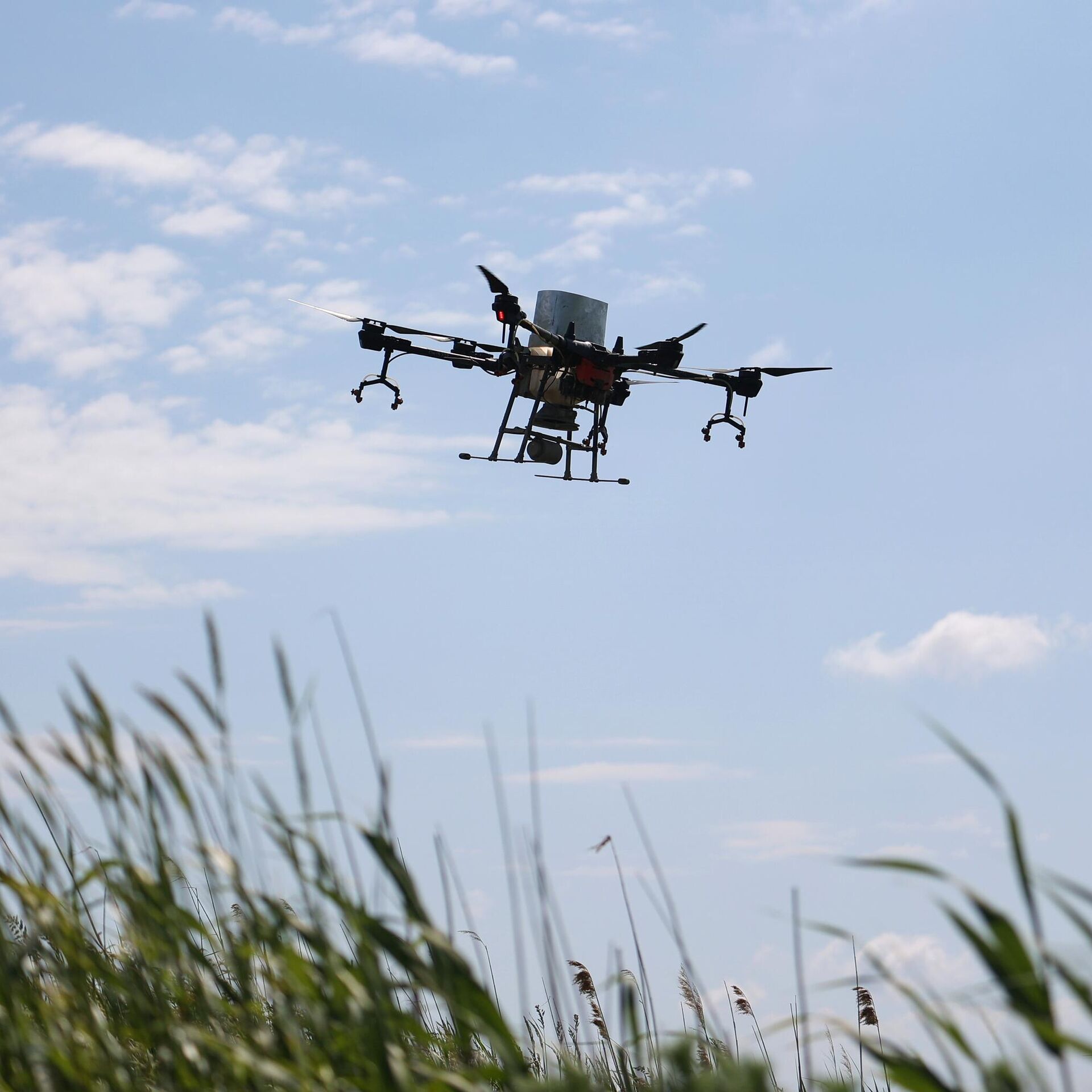
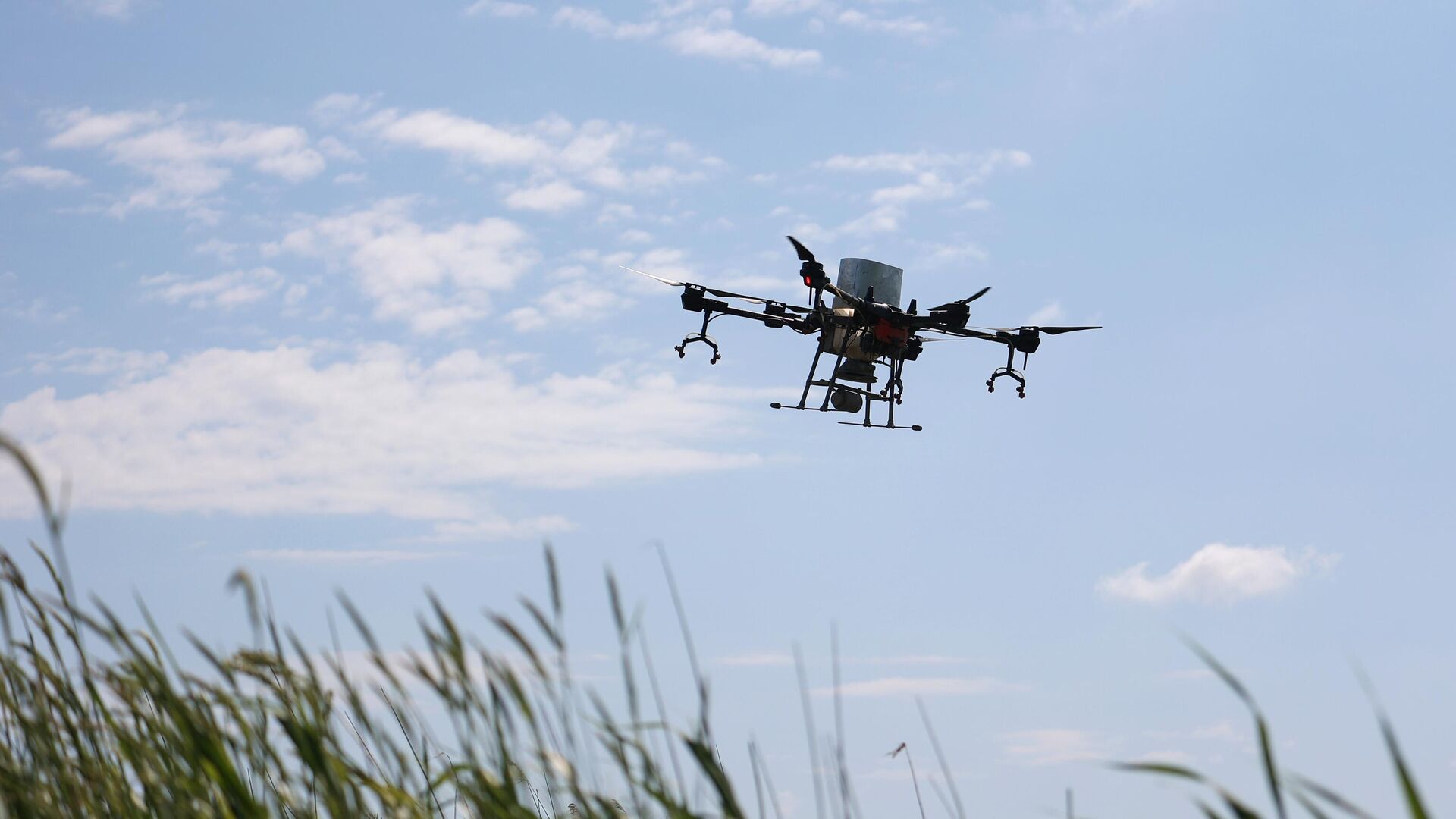
Engineering is not what currently concerns him, said Mr. Markin. A drone, that buzzing artificial insect in the air, has been basically invented years ago. There are several varieties of that creature, but, so far, they all are essentially simple and do not yet have to become complicated. What Markin does in his official capacity is the review of people’s imagination about what one can do with drones. That task is for real dreamers, while engineers have done their task and may take a rest, for a while.
An economist is the one who takes care about efficiency, adds he. If you improve the engine of that air buzzer, you may raise efficiency by ten, maybe twenty per cent. But if you imagine a totally new use for that machine or a group of them, you may easily achieve a raise of efficiency of one hundred per cent, or more, in this or that industry.
Forestry is a good example. Some decades ago Russia had thousands of foresters. They walked and drove around forests, took care of poaching, they filed reports about swamps creeping on healthy meadows and on what to do about it, keep it swampy or call for tractors that could ameliorate lands. And then, in the turmoil of the 1990-s so-called reforms, the forestry service got itself scrapped almost entirely.
Now it comes back in a new shape. Imagine a couple of drones doing daily or weekly inspection over one of the vast green canopies of Russia, just the way they do now over agricultural fields. These creatures will know, eventually, everything about the state of the soil, or about the trees fallen down and blocking the trails, or even about a gang of wild boars (nasty creatures, these) about to attack peaceful trekkers. It’s simply a matter of processing all that data in its entirety, says Markov, and the economic gain may be enormous, not to mention people’s safety and good mood. And don’t try to tell me about AI, says he, that darling of futurologists is incredibly dumb, it takes a brilliant human brain to tell AI what to do.
Our guests’ activities is an important feature of what currently happens to Russian economy in general. To put it short, Mr. Markin’s colleagues (economists, not poets) are saying now that the economy is entering a totally new investments cycle.
It’s official now: the idea that a certain investment cycle is over, and it’s time to start a new one, has been declared by the President of Russia Vladimir Putin at the Strategic Development Council, last week. The meticulous people have immediately noted that the basic ideas of the President’s speech were coinciding with a couple of reports, prepared by this or that think tank.
Such cycles do exist, they may take decades, sometimes only years, and Russia, until very recently, was enjoying the golden fruits of one of them. It was noted that the Russian economy has performed a real miracle, showing a GNP 12 per cent surge in the years 2019-2024. Theoretically, it could not be, since that period began from a global pandemic of suicidal virus-fighting, and then Russia came under an attack of the West in 2022. But a 40 per cent infusion of capital into several infrastructure mega-projects, like a super-speed railway from Moscow to St. Petersburg, did the trick and allowed the economy to cash in the investments, made even earlier.
But nothing is forever, and the government, according to the President, needs to facilitate the launch of the new investment cycle. That will have to be based on new technologies, drones and AI included. It will also be based on domestic demand mainly, and, incidentally, that will solve the biggest current problem, namely the chronic lack of skilled workforce. The previous cycle, with its lots of construction, made Russia rely overmuch on imported human resources, but that policy has reached its limits.
A real big investment cycle always starts with technological breakthrough. A nation or, more often, the whole world suddenly gets a couple or more of completely new inventions that give birth to a real whirlwind of money infused into dozens of totally new economic fields. The most obvious case was a mammoth technological revolution of the 1920-30-s, that gave birth, among many other things, to mass ownership of motorcars and to civil aviation. That cycle was long, and ended maybe in 1980-s, when the new long cycle began from a series of invention in computer sphere.
How about now? How long that wave may last, the one that started, as an example, not from the invention of a drone, but from new ways of processing information brought by these drones? Nobody really knows it, so far, but at least all the 19 Russian transport universities all over the land will launch an obligatory program of teaching students some basics of operating the drone systems. As projected, Russian industries will need 355 thousand graduates with such knowledge by the year 2030.
And, getting back to poetry, it’s very useful to remember one educative fact from 1960-s, the Golden Age of the Soviet Union, when laboratories and technical institutes were buzzing with inventions that made the economy leap forward. Most geniuses of that era were very young. But that age also gave birth to incredible array of young talents in literature, cinema, and the rest of arts.
True, quite a cohort of young poets were gathering huge audiences even at the stadiums, in that wonderful era. What is less known, these poets (and singers, etc.) were also frequenting the hi-tech laboratories all over USSR. The tech geniuses were the most avid audience of these poets, essentially creating their reputation better than the critics ever did. So, Mr. Markin has to be right: you have to be a really poetic dreamer to take your nation, or the world, into a new technological age.
Dmitry Kosyrev is a Russian writer, author of spy novels and short stories. He also did columns for the Pioneer and Firstpost.com