From Bishkek to Delhi And Onwards: India And The Back-Up United Nations
14:11 02.09.2026 (Updated: 14:13 02.09.2026)
© POOL
/ Subscribe
It so happened that India just has to put its hand on the steering wheel of the so-called Global majority, hosting the BRICS summit in New Delhi in a few days’ time.
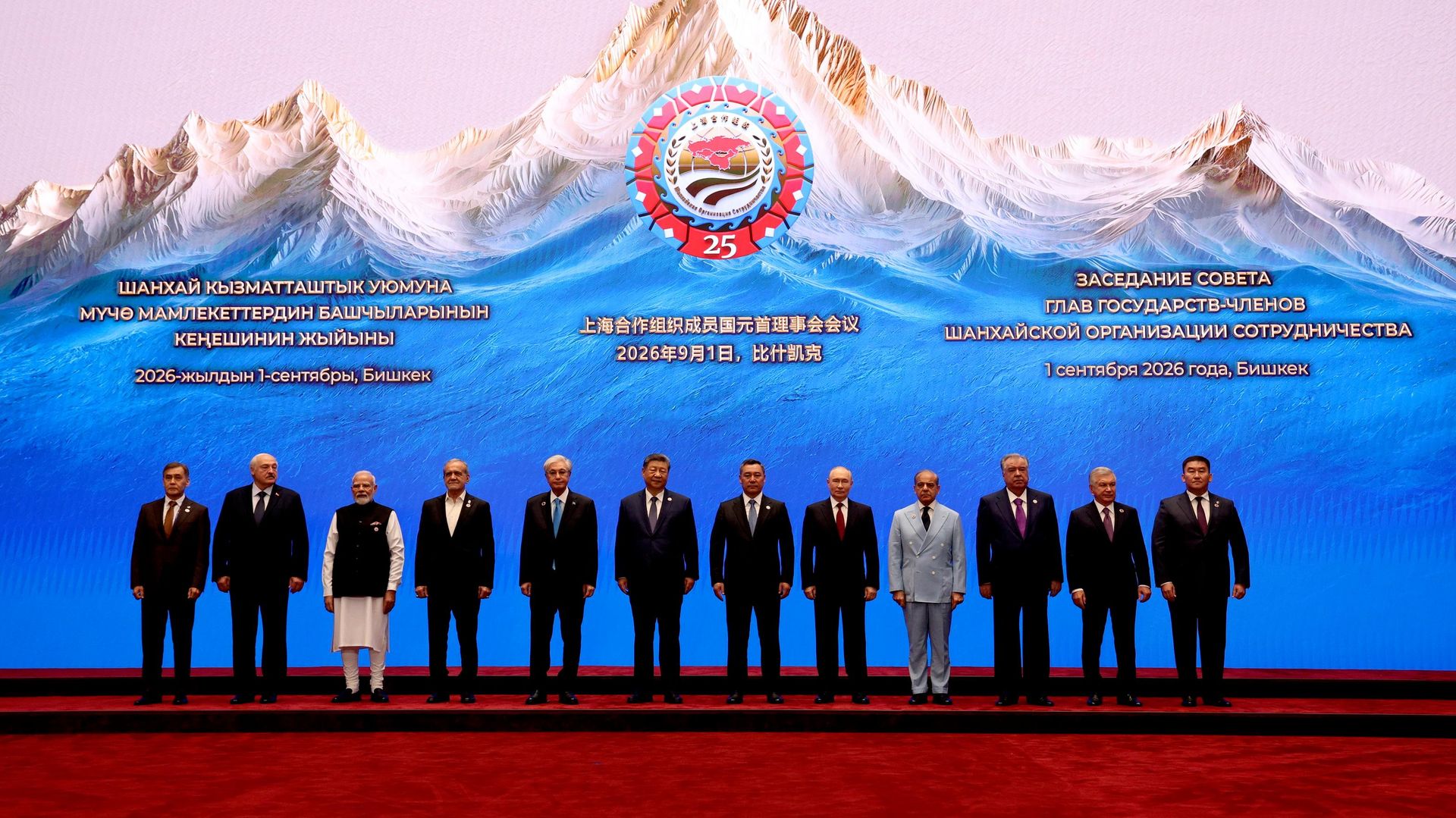
Prime Minister’s Narendra Modi visit to Bishkek, Kyrgysia, this past weekend gave the Indian delegation a foretaste of things to come, as if that flavor was unfamiliar to Delhi after several similar diplomatic encounters on global scale.
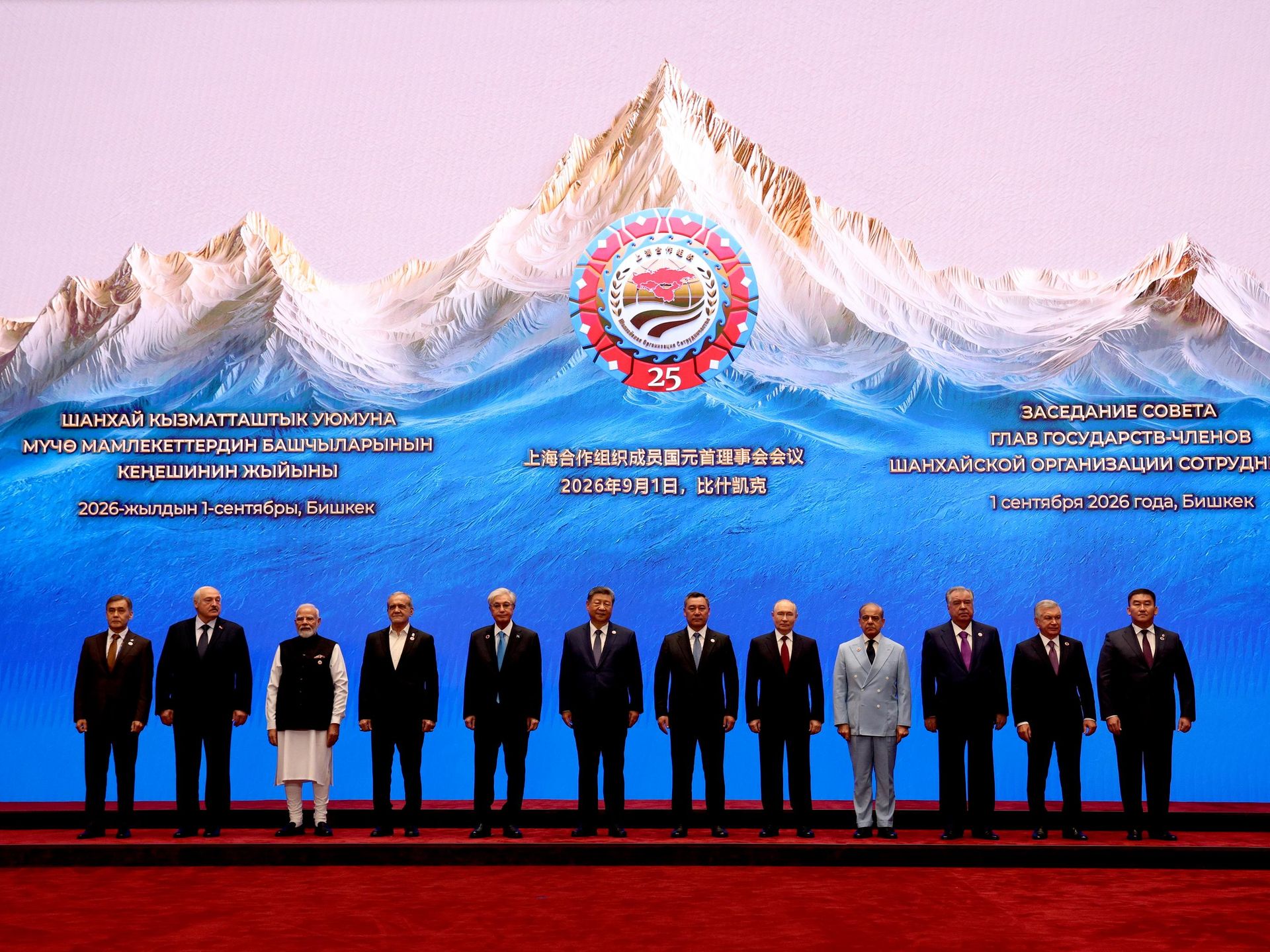
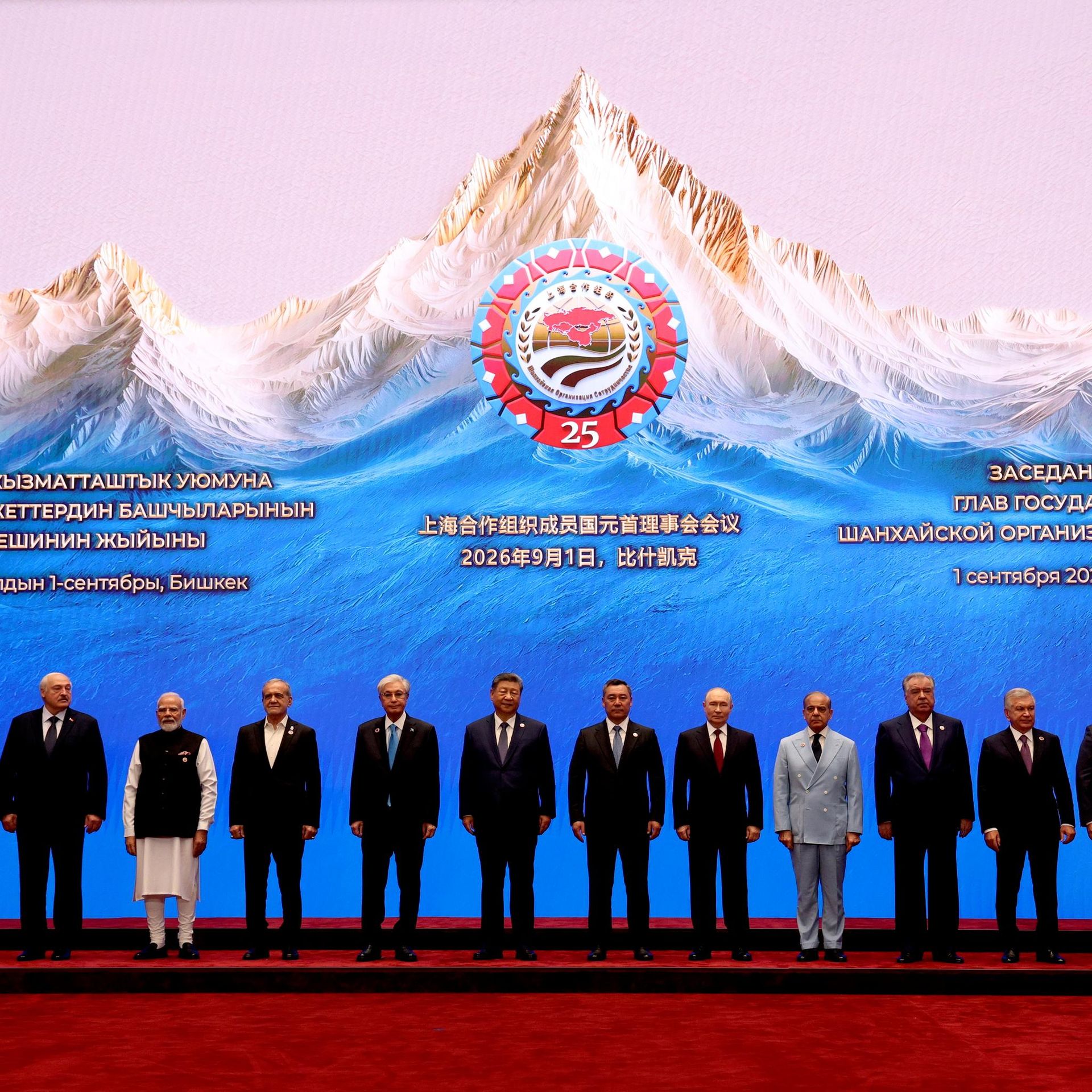
The event in Bishkek has been called the summit of SCO, that is, Shanghai Cooperation Organization. It has been noted long ago that SCO and BRICS tend to merge. Same top leaders attend these meetings, with India, Russia and China obviously topping the VIP list.
BRICS, of course, is spanning the whole world, while SCO happens to be only a regional organization in charge of Central Asia. But it got its membership expanded, so had BRICS, and then there are partners or guest participants, so in the end it is often really hard to see the status difference when leaders of Iran or Indonesia attend SCO or BRICS events.
To remind, Russia has arranged for something like a joint summit of both alliances in 2015, in the city of Ufa, and nobody said it was a bad idea.
This year, the people attending both summits are meeting almost the same partners and discuss, basically, the same big issue. Namely, exactly how the Global majority is doing on its own, without the so-called West, even though nobody is really willing to isolate that West from making decisions on the future of the world.
That Global majority is, in fact, is managing pretty well, since endless wars unleashed by the West have, so far, failed to crush down the natural process of non-Western nations dealing with each other more and more.
Trade integration is the best proof. It has just been declared by Russia’s President, Vladimir Putin in Bishkek, that trade between Russia and the SCO members has risen, in 2025, to 400 billion US dollars (to note, 98 per cent of that trade is settled in rubles, and that, too, is the sign of the times).
And, almost on the same day, it became known that China's trade with the Association of Southeast Asian Nations (ASEAN) exceeded 1 trillion U.S. dollars for the first time last year, up 7.4 percent. The trend goes on in 2026, at the rate of 24.7 per cent year on year. So I was happy to scan a new book, published in India and authored by Ambassador Gurjit Singh. Titled ‘The Durian Flavour’, that book essentially says that, while reaching only a 128-billion trade mark with the region, India is on diplomatic and trade offensive in South East Asia. The author puts forward several innovative ideas on taking the relationship forward. He suggests that both sides lay stress on “impact investing” to support entrepreneurs who focus on social, economic, or environmental issues, and proposes to concentrate on SEA nations that have an active Indo-Pacific policy.
The same picture is visible in and around Africa, with more complicated process going on in Latin America. One may predict that, after the end of hostilities in the Middle East, the nations of that region will also think about safer alternatives and more neutral partners.
All that does not mean that India will only have to ride on the crest of the Global majority wave of mutual interaction. Unfortunately, the task of a current BRICS chair nation, and of any big power, is much harder. Essentially, what is needed is a set of new precedents or even rules of behavior of Global South in the current transitionary period in international affairs.
The recent Izvestia report on India chairing the next BRICS summit lists an April 2025 case, when BRICS foreign ministers failed to find a consensus on the matter of the UN Security Council reform, since Egypt and Ethiopia seriously disagreed. Last time the wide world have heard about their quarrel was, probably, when Giuseppe Verdi wrote his “Aida” in 1871, where the plot revolves around an ancient war of these nations. At least, such was the general mood of the world for decades since the Second World War.
And then, this year, a similar situation has repeated itself in New Delhi, since Iran and the United Arab Emirates quarreled about the essence of the Middle East conflict. In both cases the chairing nation had to publish the chair’s statement instead of ironing out a communique, which is not a tragedy.
But one has to accept the fact that there are, maybe, dozens of such conflicts among the Global majority nations. And the groupings like SCO or BRICS seem to be the only machinery to tackle that situation, with much or little success.
Here we may turn to Vladimir Putin’s speech in Bishkek, where he once again lauded the United Nations and its Charter, which seems to be the main pillar of the thing called international legal system. "There is no doubt that the United Nations belongs and should continue to play a central role in world affairs," Putin said at the SCO Plus meeting.
The whole potential of the United Nations has not yet been seen, and it is important to make efforts to increase its effectiveness, Vladimir Putin also said, adding that it is important to make efforts to expand the representation of its bodies, including in the Security Council, with the countries of the Global South and the East. "The UN should undoubtedly retain the functions of the main mechanism for coordinating interests — it was created from the very beginning as a mechanism for coordinating interests," Putin underscored.
But reviving the UN is an ideal situation, which today is, simply speaking, not around. So, in the meantime, the merging SCO and BRICS machinery, with its complicated system of membership and partner status, seems to be the only venue where the sane and reasonable majority of the world meets and coordinates its interests. And, to repeat, India is, currently, at the helm of that process.
The big question is, why. Why there is an impasse at the UN and no such thing in all that SCO-BRICS system, with its multiple programs and the rest of machinery? Maybe it’s because people go there to find ways to work together and, thus, are willing to outskirt the ongoing global multi-faceted conflict. The old squabbles in such cases are being seen as impediment to the main goals, no more than that.
Is that possible to create a provisional SCO-BRICS back-up United Nations until the West recovers from its war fever and comes back to the discussion table? The possibility is there. But one should not think that India will take it easy after completing its helmsman’s task. It looks like the Global majority’s superpowers, like India, or Russia and a couple of others, will go on indefinitely bearing their burden of stabilizing, first, the Global South, and then, maybe, the rest of the world.
Dmitry Kosyrev is a Russian writer, author of spy novels and short stories. He also did columns for the Pioneer and Firstpost.com