https://sputniknews.in/20260914/brazil-fm-brics-emerges-as-global-souths-bulwark-against-economic-imperialism-12299819.html
Brazil FM: BRICS Emerges as Global South’s Bulwark Against Economic Imperialism
Brazil FM: BRICS Emerges as Global South’s Bulwark Against Economic Imperialism
Sputnik India
Brazil's Foreign Minister Mauro Vieira exclusively spoke to Sputnik India after the New Delhi Summit about two decades of BRICS, the push away from the dollar... 14.09.2026, Sputnik India
2026-09-14T19:31+0530
2026-09-14T19:31+0530
2026-09-14T19:43+0530
world news
brazil
india
delhi
brics
https://cdn1.img.sputniknews.in/img/07ea/09/0d/12283868_0:67:1280:787_1920x0_80_0_0_228a14922d17239caebc6a90cda11826.jpg
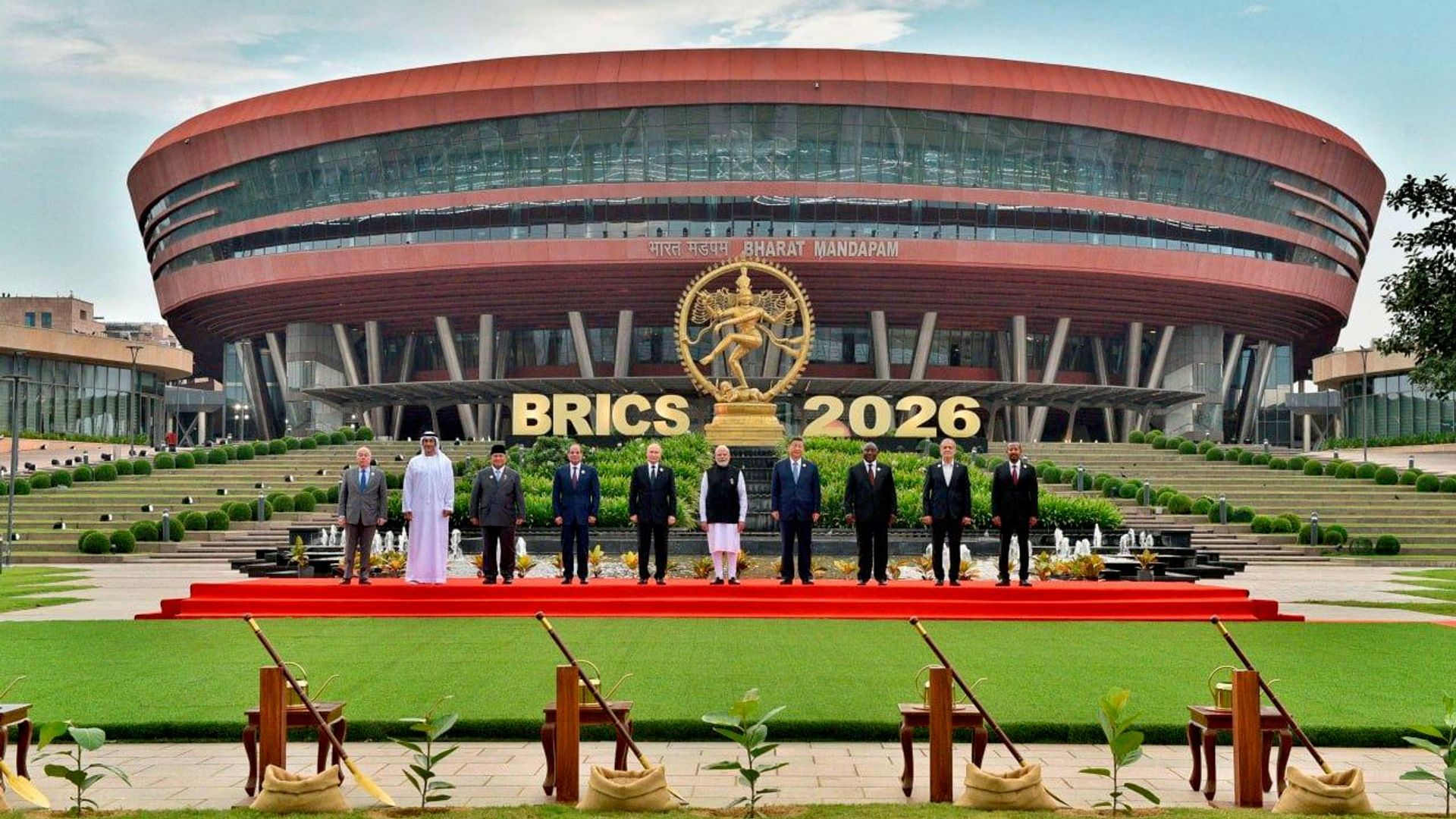
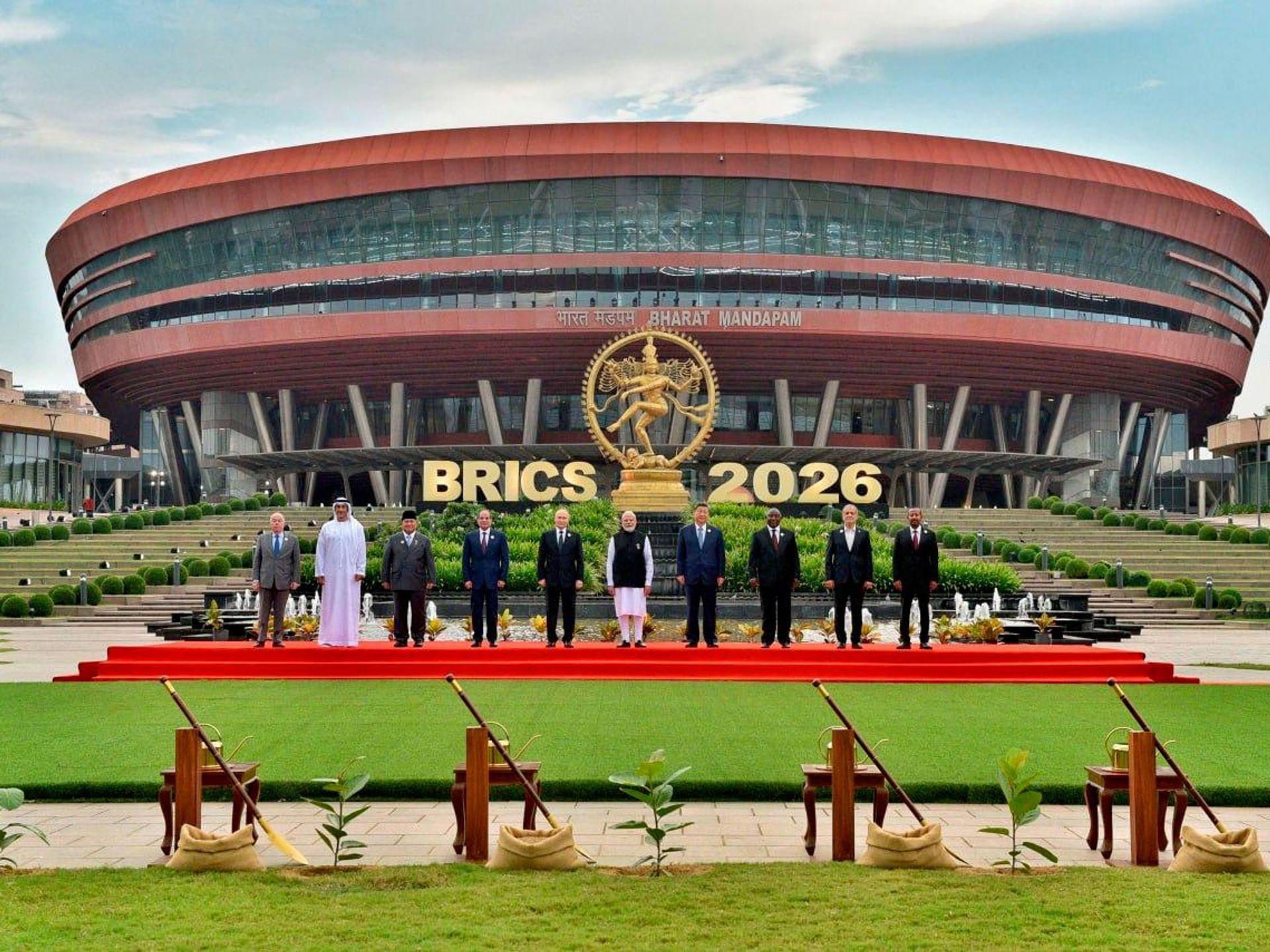
Twenty years ago, BRICS was a theory in an economist's article. Today it's a functioning bank, a coordinated pushback against Western sanctions regimes, and depending on who you ask in Washington either an overdue correction or an inconvenience. Fresh off the New Delhi Summit, Brazilian Foreign Minister Mauro Vieira talked to Sputnik India about what two decades of the bloc have actually produced, and where it goes from here.An Acronym That Grew Teeth Sputnik: The year 2026 marks the 20th anniversary of BRICS cooperation and represents a new stage for the group following its expansion. What have been the main lessons learned and legacies left over these 20 years, and where is BRICS heading today? Mauro Vieira: BRICS is a success story and has become the leading voice of the Global South in world affairs. BRICS has a clear agenda in promoting cooperation among member countries in a number of areas and in leading the way on the debate about the urgent need of reform of the multilateral system. The acronym BRICS started as a theory proposed in an article by Economist Jim O’Neill, who advocated for a larger role in global affairs for countries like India, China, Brazil and Rússia. To me, BRICS is a successful and constructive example of creative diplomacy, which has become increasingly relevant in the current scenario of a world in crisis. The premise of a world in crisis confronts us at every moment, on our cell phones or on other screens through which we receive alarming information in real-time, and BRiCS represents a forum in which the Global South coordinates positions and promotes cooperation. The New Development Bank, led by former Brazilian president Dilma Rousseff, is an excellent case that shows how the member countries can achieve meaningful progress for our peoples.Trading in National Currency Sputnik: Discussions on reducing dependence on the dollar and promoting the use of national currencies in trade transactions have gained strong momentum, especially with the US trade war and sanctions. How has the Ministry of Foreign Affairs, together with the Ministry of Finance, coordinated strategies to expand these strategic alternatives? Is the strengthening of BRICS a path to mitigating the impacts of this economic imperialism? Mauro Vieira: The use of national currencies in trade is a reality for many countries, including Brazil. We have had this option in bilateral trade with our neighbor Argentina for about 20 years now, and the option has been extended to our other partners in Mercosur, Paraguay and Uruguay. So it seems logical to analyze possibilities to develop trade in local currencies, but that does not mean BRICS is contemplating a common currency, that is not on the BRICS agenda.New Delhi's Declaration: They Actually Agreed on ThingsSputnik: How do you assess the progress achieved at this BRICS Summit, following up on the priority axes defined during Brazil's presidency of the group?Mauro Vieira: The leadership of India has provided continuity and has strengthened initiatives launched by previous presidencies, including ours in 2025, and especially in the field of cooperation and debate on the key issues of the international agenda. We stand as a united and mature bloc and during this presidency, led by Índia, we have been able to build consensus on all issues, including controversial ones.Tariffs Hit Everyone Else HarderSputnik: In light of recent protectionist measures and trade pressures, such as the tariff hike imposed by the US, how has Itamaraty oriented its market diversification strategy to protect the national economy?Mauro Vieira: Brazil has focused on diversifying partnerships for a number of decades now, and the effort has paid off in the current context. Take, for instance, our economic relations with Asia, our regional integration efforts in South America, and the recent trade agreements signed by Mercosur, which have provided alternative markets that have fostered significand growth in trade and a tool to overcome protectionist practices.Sovereignty Isn't Negotiable Sputnik: How has the Brazilian government assessed and monitored potential attempts of external interference in the country's electoral process?Mauro Vieira: Brazil has been able to successfully safeguard our sovereignty and our democracy from interference attempts in recent years. That is our duty and among our top priorities in foreign policy, given the world’s current affairs, in which sovereignty has been attacked in a wide range of situations. Brazilian democracy is strong and will defend itself against those attempts, as we have done successfully in recent years.
https://x.com/i/web/status/2098789522368499769
brazil
india
delhi
Sputnik India
feedback.hindi@sputniknews.com
+74956456601
MIA „Rossiya Segodnya“
2026
Ajit Singh
https://cdn1.img.sputniknews.in/img/07ea/09/0e/12301196_0:0:640:640_100x100_80_0_0_beed681a7a6b9b6bb0f57fcceffc1130.jpg
Ajit Singh
https://cdn1.img.sputniknews.in/img/07ea/09/0e/12301196_0:0:640:640_100x100_80_0_0_beed681a7a6b9b6bb0f57fcceffc1130.jpg
News
en_IN
Sputnik India
feedback.hindi@sputniknews.com
+74956456601
MIA „Rossiya Segodnya“
Sputnik India
feedback.hindi@sputniknews.com
+74956456601
MIA „Rossiya Segodnya“
Ajit Singh
https://cdn1.img.sputniknews.in/img/07ea/09/0e/12301196_0:0:640:640_100x100_80_0_0_beed681a7a6b9b6bb0f57fcceffc1130.jpg
brazil, india, delhi, brics
brazil, india, delhi, brics
Brazil FM: BRICS Emerges as Global South’s Bulwark Against Economic Imperialism
19:31 14.09.2026 (Updated: 19:43 14.09.2026) Exclusive
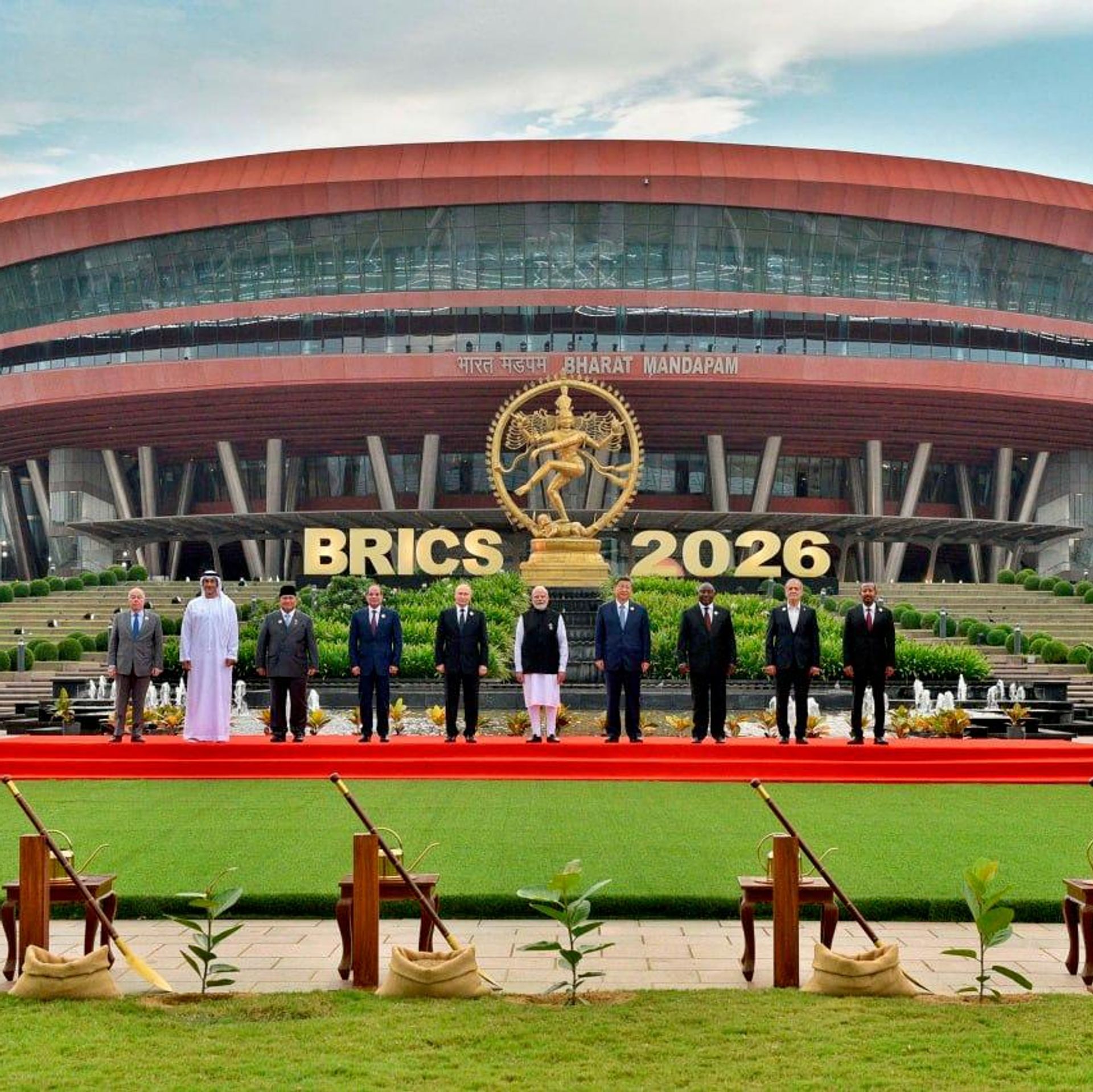
Brazil's Foreign Minister Mauro Vieira exclusively spoke to Sputnik India after the New Delhi Summit about two decades of BRICS, the push away from the dollar, trade in national currency and why Brazilian democracy keeps having to defend itself.
Twenty years ago, BRICS was a theory in an economist's article. Today it's a functioning bank, a coordinated pushback against Western sanctions regimes, and depending on who you ask in Washington either an overdue correction or an inconvenience. Fresh off the New Delhi Summit, Brazilian Foreign Minister Mauro Vieira talked to Sputnik India about what two decades of the bloc have actually produced, and where it goes from here.
An Acronym That Grew Teeth
Sputnik: The year 2026 marks the 20th anniversary of BRICS cooperation and represents a new stage for the group following its expansion. What have been the main lessons learned and legacies left over these 20 years, and where is BRICS heading today?
Mauro Vieira: BRICS is a success story and has become the leading voice of the Global South in world affairs. BRICS has a clear agenda in promoting cooperation among member countries in a number of areas and in leading the way on the debate about the urgent need of reform of the multilateral system. The acronym BRICS started as a theory proposed in an article by Economist Jim O’Neill, who advocated for a larger role in global affairs for countries like India, China, Brazil and Rússia. To me, BRICS is a successful and constructive example of creative diplomacy, which has become increasingly relevant in the current scenario of a world in crisis. The premise of a world in crisis confronts us at every moment, on our cell phones or on other screens through which we receive alarming information in real-time, and BRiCS represents a forum in which the Global South coordinates positions and promotes cooperation. The New Development Bank, led by former Brazilian president Dilma Rousseff, is an excellent case that shows how the member countries can achieve meaningful progress for our peoples.
Trading in National Currency
Sputnik: Discussions on reducing dependence on the dollar and promoting the use of national currencies in trade transactions have gained strong momentum, especially with the US trade war and sanctions. How has the Ministry of Foreign Affairs, together with the Ministry of Finance, coordinated strategies to expand these strategic alternatives? Is the strengthening of BRICS a path to mitigating the impacts of this economic imperialism?
Mauro Vieira: The use of national currencies in trade is a reality for many countries, including Brazil. We have had this option in bilateral trade with our neighbor Argentina for about 20 years now, and the option has been extended to our other partners in Mercosur, Paraguay and Uruguay. So it seems logical to analyze possibilities to develop trade in local currencies, but that does not mean BRICS is contemplating a common currency, that is not on the BRICS agenda.
New Delhi's Declaration: They Actually Agreed on Things
Sputnik: How do you assess the progress achieved at this BRICS Summit, following up on the priority axes defined during Brazil's presidency of the group?
Mauro Vieira: The leadership of India has provided continuity and has strengthened initiatives launched by previous presidencies, including ours in 2025, and especially in the field of cooperation and debate on the key issues of the international agenda. We stand as a united and mature bloc and during this presidency, led by Índia, we have been able to build consensus on all issues, including controversial ones.
Tariffs Hit Everyone Else Harder
Sputnik: In light of recent protectionist measures and trade pressures, such as the tariff hike imposed by the US, how has Itamaraty oriented its market diversification strategy to protect the national economy?
Mauro Vieira: Brazil has focused on diversifying partnerships for a number of decades now, and the effort has paid off in the current context. Take, for instance, our economic relations with Asia, our regional integration efforts in South America, and the recent trade agreements signed by Mercosur, which have provided alternative markets that have fostered significand growth in trade and a tool to overcome protectionist practices.
Sovereignty Isn't Negotiable
Sputnik: How has the Brazilian government assessed and monitored potential attempts of external interference in the country's electoral process?
Mauro Vieira: Brazil has been able to successfully safeguard our sovereignty and our democracy from interference attempts in recent years. That is our duty and among our top priorities in foreign policy, given the world’s current affairs, in which sovereignty has been attacked in a wide range of situations. Brazilian democracy is strong and will defend itself against those attempts, as we have done successfully in recent years.