India’s Own Civil Planes’ Production: Step Towards New Era
© Sputnik / Nina Parshina
Subscribe
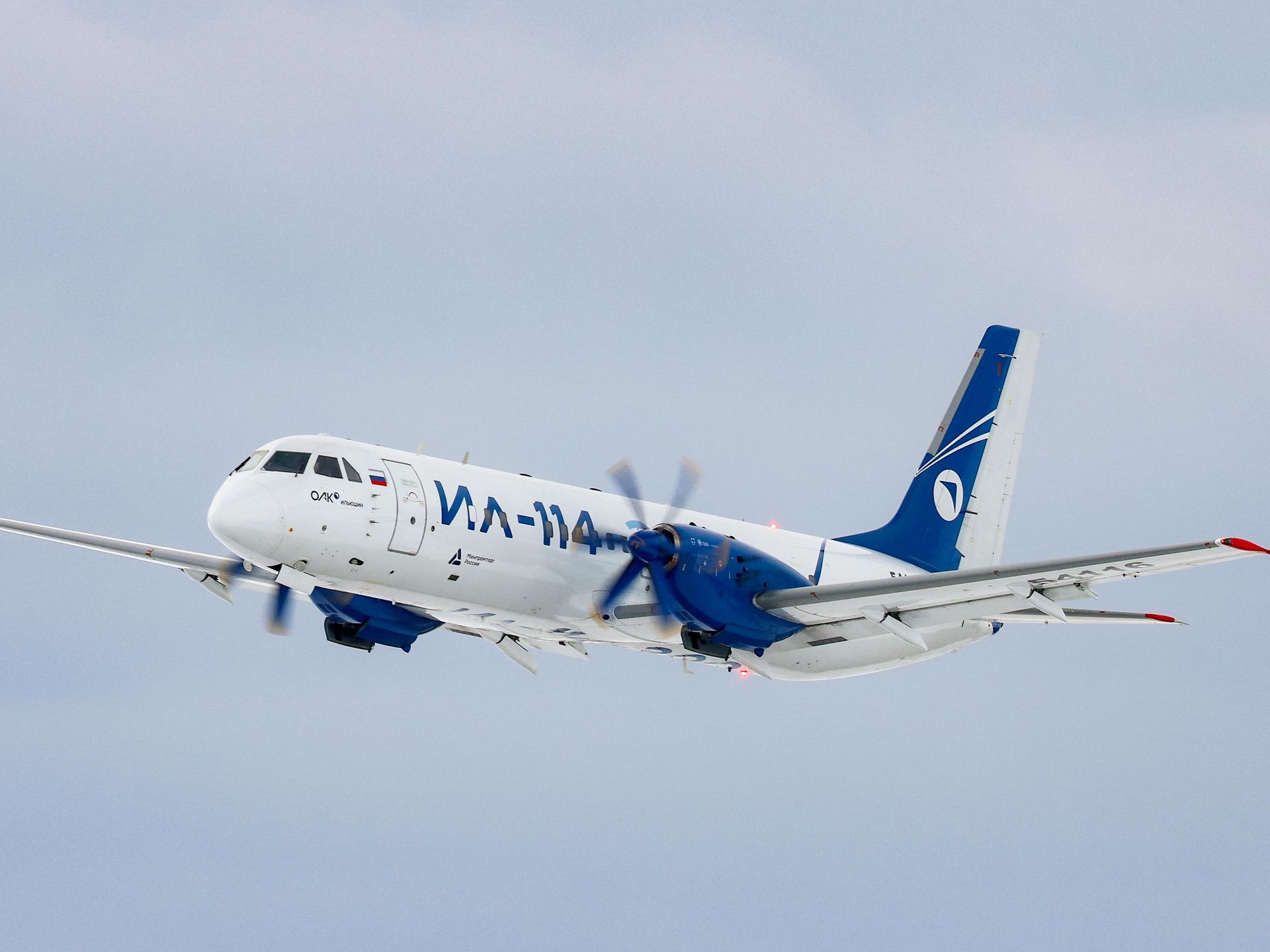
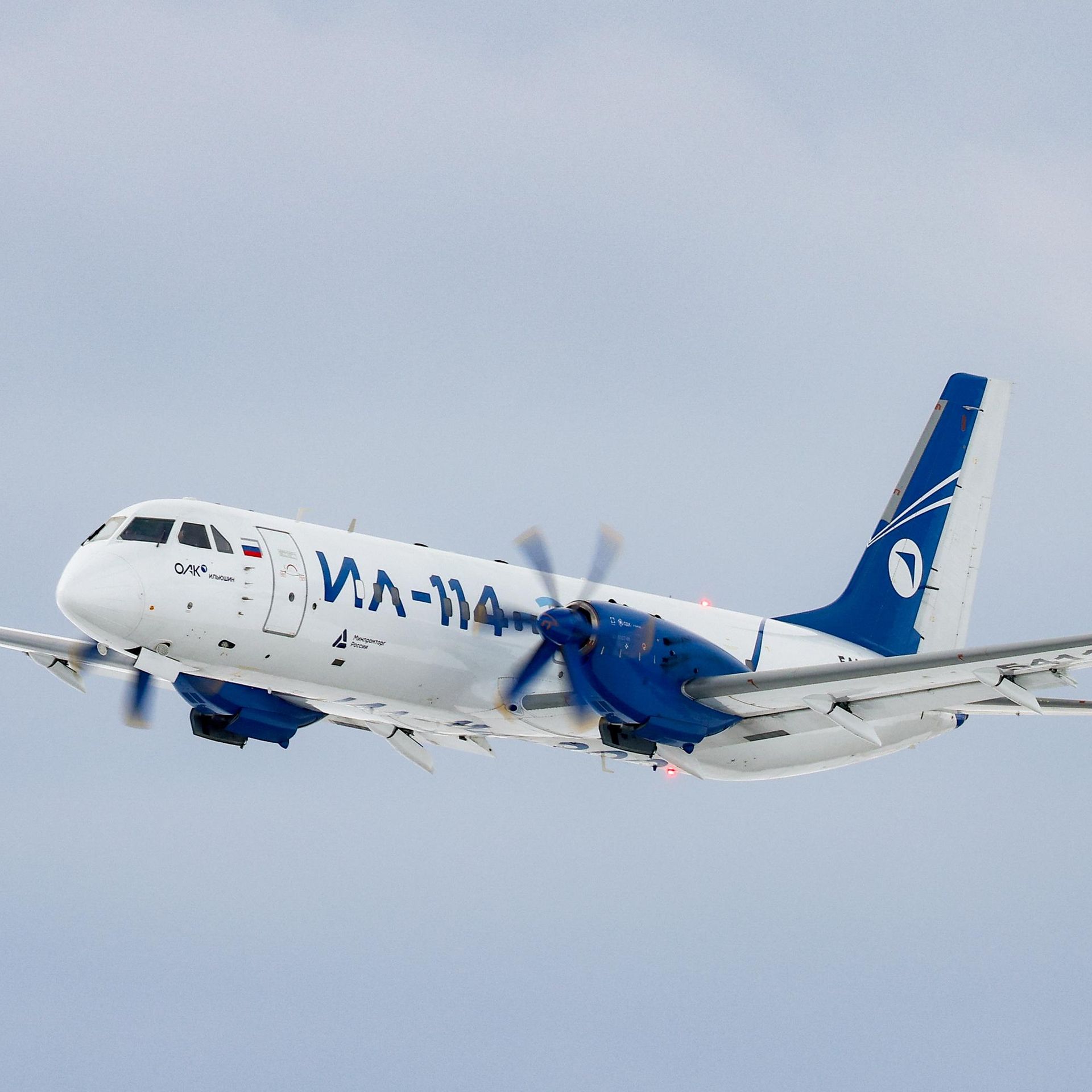
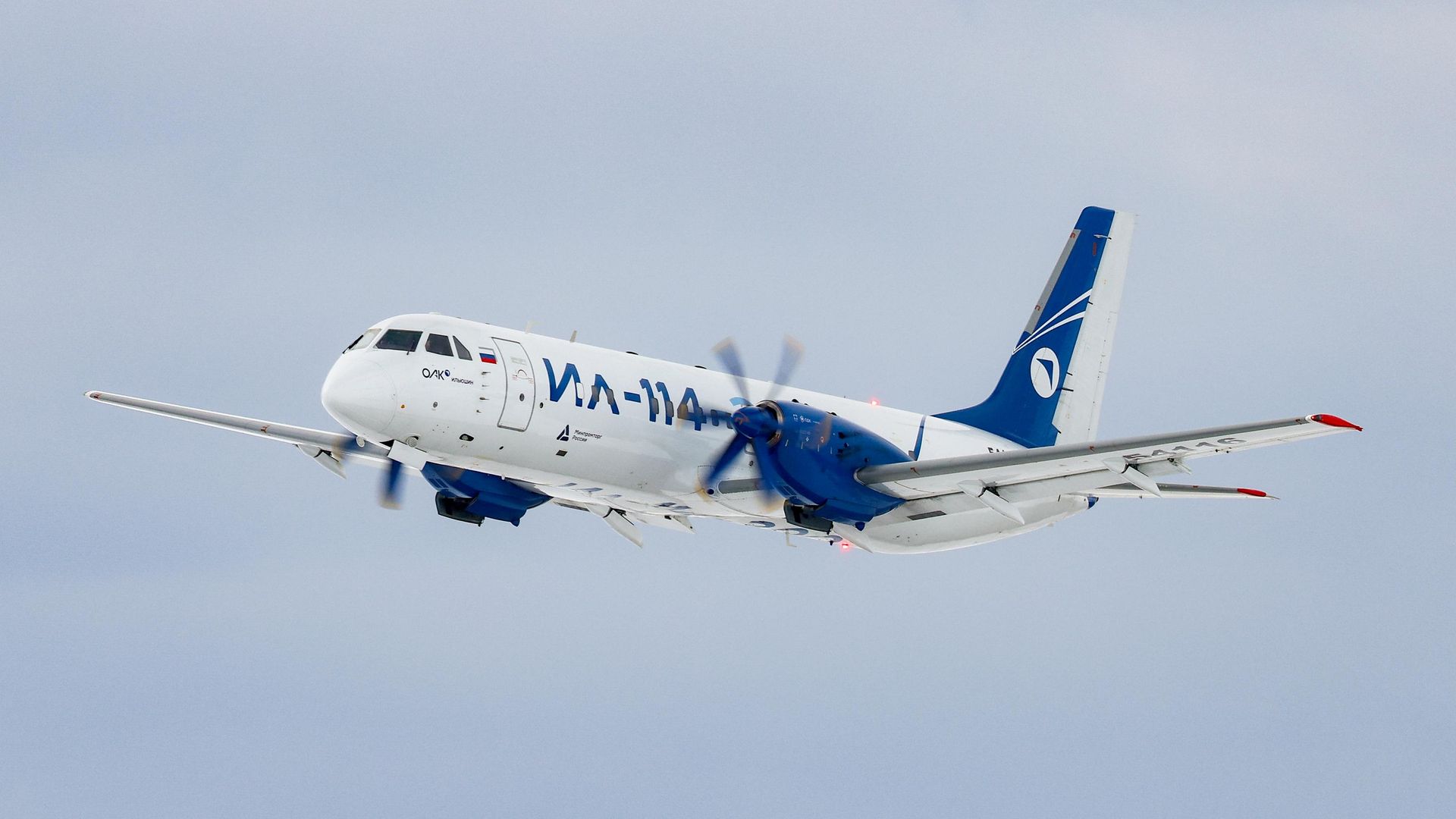
The IL-114-300 civilian plane deal, that just have been inked between Russia and India, looks modest only at the first sight. It opens up most thrilling avenues for our nations, and the sheer volume of comments on both sides testify to that.
What looks really interesting, is the depth and boldness of Russian estimates of the situation. It sometimes seems that the Russian specialized media can give you more profound views on the Indian gains from that deal, than the Indian media does. And that, naturally, means that Russia is very much in tune with India’s future development, following it attentively.
To remind, the gist of the matter, according to The Times of India, is such: While global aviation headlines remain dominated by Airbus and Boeing, India is quietly testing alternative paths. At Wings India 2026, Russia’s UAC signed a preliminary deal to supply six IL-114-300 aircraft to Flamingo Aerospace, marking Moscow’s first major regional aviation push in India. The agreement includes a roadmap for building Indian capabilities in assembly, MRO and aviation infrastructure.
But that was in January. Now, after further discussions and contract-signing at Innoprom India, we are talking about delivery of 85 planes, while other sources name 105 of them, with Pinnacle Air (business jets and the rest) and Sleek Aviation from Gurghaon joining the show.
What is remarkable about the Russian comments on that event? First, we are obviously impressed by the size of the potential market. Russians like things big. So we read with respect about the Indian program called UDAN, nicknamed “let the common folks fly”. That program is about an overhaul of 95 local airports with almost 680 new routes. Add to that about 100 new airports by 2036, with about 430 million people taking to the skies annually now, with that number growing maybe by 12-14 per cent in a decade. That’s scale, making Russians super-awed.
Second shock comes from the reverse factor – that’s the modest nature of the IL-114-300. To repeat, Russians like things big, while here we have a relatively small plane, carrying 60-70 people. One may remember the ongoing craze for ultra-jumbos, capable of transporting the whole towns across the oceans. While IL-114-300 runs on good old propellers, like in the last century. But, still, that now seems to be the future of considerable part of global civil aviation, be it in Africa or South East Asia, with its myriads of islands.
What’s funny, the launch of that plane (August this year) did not really stir emotions in Russia itself. We are the nation of huge expanses and long routes, while the regional flights seem to be secondary. The local market could probably absorb around 50 such machines for starters, at least such were the preliminary orders from local airlines. But now we respect yet another Russian achievement more than before.
And an achievement it is. We see now, again in the Russian media, that our IL-114-300 happens to be more suitable for the current and future Indian local runways than the popular Franco-Italian ATR-72 or most Embraers from Brazil. Also, the Russian plane saves money on fuel.
That reality produces quite a revolution in Russian engineering minds. What other technologies of the past have been resting in anticipation of their rebirth, after several decades of global enthusiasm for everything mammoth-huge, immensely complicated, gas-guzzling, ultrasound and expensive? And who may be the owner of these reborn techno-miracles?
That is the good question, since it had been presumed that it was India that was going to produce the ILs almost from the very start. That will not even be a super-sensation, since there are works underway to make Hindustan Aeronautics Limited (HAL) assemble in India another Russian civilian plane, that is Sukhoi Superjet 100. That plane, being in use in Russian skies for quite a while already, and seating around 100 passengers, is the link between the smaller planes like IL-114-300 and the ocean-crossing jumbos. So, India will soon become a producer of at least two very popular types of civilian planes, acquiring a most promising industry of its own.
Now, let us be very bad boys and ask ourselves a really bad question. Why can’t or won’t Russia follow the example of the two really big liner-producing global monopolists and keep the sky-flying technologies in secret, so as to only sell planes to nations like India? Why not keep that One Ring that rules them all, and in the darkness binds them?
There are two good answers for that, one complicated and one simple. First comes the complicated one. In, probably, 2012 or a bit later the Russian strategists began to contemplate the clouds, gathering above the nation. It looked like a dead serious attempt of the West to bend the nation to its will, with making Ukraine a constant military irritant on the borders and dozens of other ways of pressure on Moscow.
And so, Moscow began to ponder: what may really bring us to our knees? Can the bad Western guys switch off the Internet and render all the software dead? Can they, maybe, put all our civil aviation to the ground, since all our airlines were heavily leasing the liners from the same two global monopolists?
Years of work succeeded in pre-empting that threat, including the transformation of the Russo-Italian Superjet into a completely Russian plane, infusing money and effort into aviation infrastructure in general. Same happened to Internet with all its software, and to many other things. But we remember how bad is that, to hold to such technological monopolies and provoke other nations into performing miracles to break these monopolies. No nation should do that, especially to old and wise friends.
While the price is the second, and very simple, reason for Russia’s desire to let India get a civil aviation industry of its own. The Russian media is full of estimates of the same IL-114-300 being produced for Russian market only, and the same plane being made in much bigger numbers. The difference of price of one unit is 30-40 per cent. Economy of scale really matters.
What remains to be seen if Russia and India engage in export of these or maybe other machines, joining effort and profits. The world is big, and opportunities may arise.
Dmitry Kosyrev is a Russian writer, author of spy novels and short stories. He also did columns for the Pioneer and Firstpost.com