https://sputniknews.in/20260925/us-pressure-on-india-hits-a-wall--target-india-face-repercussions-expert-12406685.html
US Pressure on India Hits a Wall — ‘Target India, Face Repercussions’: Expert
US Pressure on India Hits a Wall — ‘Target India, Face Repercussions’: Expert
Sputnik India
India is signalling that its relationship with the United States could come under strain if Washington continues to pressure New Delhi over its economic ties... 25.09.2026, Sputnik India
2026-09-25T21:45+0530
2026-09-25T21:45+0530
2026-09-25T21:54+0530
donald trump
us
india
russia
s-400 air defense systems
https://cdn1.img.sputniknews.in/img/07e9/02/0e/8774418_0:0:3068:1725_1920x0_80_0_0_3dd95f0bac83984d2e2a1c7afab1818f.jpg
India makes it clear that it would protect its own strategic and economic interests, Adityanjee stated.He pointed to the experience surrounding the US Countering America's Adversaries Through Sanctions Act (CAATSA), arguing that India had maintained its position over the purchase of Russian S-400 air defence systems despite threats of sanctions. The issue ultimately resulted in a waiver because India viewed the negotiations as a sovereign national security matter, he stressed.The current pressure over Russia could similarly create tensions, particularly if measures targeting Moscow's economic partners begin to affect India, the expert highlighted.Adityanjee also questioned expectations that India would align itself completely with the US and Israel over the war in Iran and wider geopolitical conflicts. He cited remarks attributed to former Trump administration adviser Peter Navarro, who described the Ukraine conflict as “Modi's war”, arguing that such statements placed undue blame on India.India appeared to be signalling that continued pressure could have consequences for broader bilateral negotiations, he argued.Adityanjee argued that US policy was increasingly shaped by concerns over maintaining its global influence, while India was seeking to preserve strategic autonomy.He also highlighted the economic complications facing the US, including pressure on fuel supplies and the potential consequences of restricting Russian energy-related exports. He noted that the US continues to depend on certain imports linked to Russia and its allies despite broader efforts to pressure countries to reduce economic engagement with Moscow.On the wider international system, Adityanjee slammed the United Nations' ability to resolve major conflicts, arguing that the veto-wielding powers had resisted reforms to the organisation.He also pointed to a shift in the US strategic view of India, saying America increasingly recognised that New Delhi would pursue an independent foreign policy rather than become a formal American ally.
us
india
russia
Sputnik India
feedback.hindi@sputniknews.com
+74956456601
MIA „Rossiya Segodnya“
2026
Dhairya Maheshwari
https://cdn1.img.sputniknews.in/img/07e6/0c/13/138962_0:0:641:640_100x100_80_0_0_2cb44360dbcdf6d84bf4b299cd045917.jpg
Dhairya Maheshwari
https://cdn1.img.sputniknews.in/img/07e6/0c/13/138962_0:0:641:640_100x100_80_0_0_2cb44360dbcdf6d84bf4b299cd045917.jpg
News
en_IN
Sputnik India
feedback.hindi@sputniknews.com
+74956456601
MIA „Rossiya Segodnya“
Sputnik India
feedback.hindi@sputniknews.com
+74956456601
MIA „Rossiya Segodnya“
Dhairya Maheshwari
https://cdn1.img.sputniknews.in/img/07e6/0c/13/138962_0:0:641:640_100x100_80_0_0_2cb44360dbcdf6d84bf4b299cd045917.jpg
donald trump, us, india, russia, s-400 air defense systems
donald trump, us, india, russia, s-400 air defense systems
US Pressure on India Hits a Wall — ‘Target India, Face Repercussions’: Expert
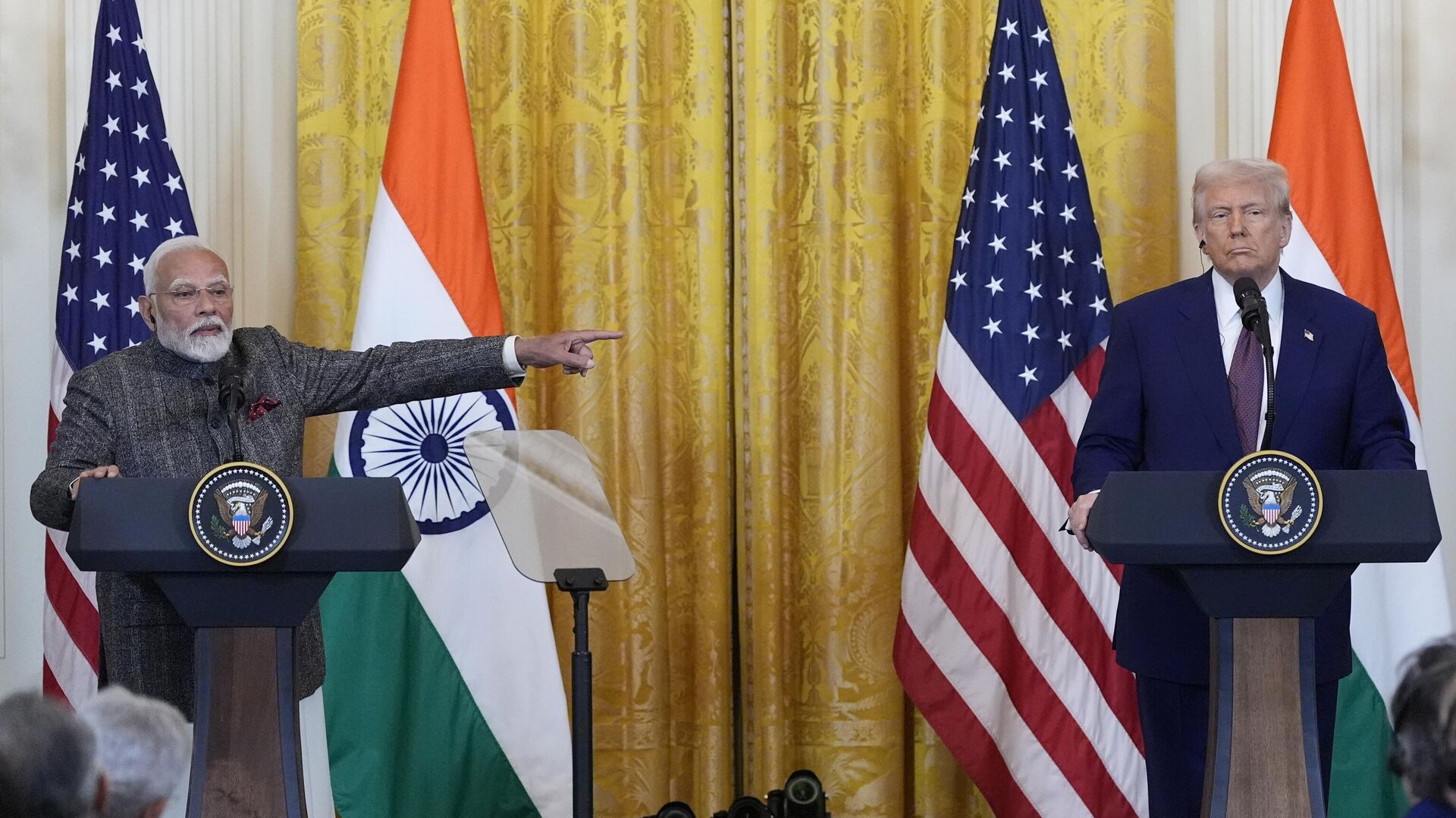
21:45 25.09.2026 (Updated: 21:54 25.09.2026) India is signalling that its relationship with the United States could come under strain if Washington continues to pressure New Delhi over its economic ties with Russia, Dr A. Adityanjee, President and Chair of the Council for Strategic Affairs (CSA) told Sputnik.
India makes it clear that it would protect its own strategic and economic interests, Adityanjee stated.
He pointed to the experience surrounding the US Countering America's Adversaries Through Sanctions Act (CAATSA), arguing that India had maintained its position over the purchase of Russian S-400 air defence systems despite threats of sanctions. The issue ultimately resulted in a waiver because India viewed the negotiations as a sovereign national security matter, he stressed.
The current pressure over Russia could similarly create tensions, particularly if measures targeting Moscow's economic partners begin to affect India, the expert highlighted.
“The moment you start targeting India, there will be certain repercussions, and the (US) administration needs to understand that,” he said.
Adityanjee also questioned expectations that India would align itself completely with the US and Israel over the war in Iran and wider geopolitical conflicts. He cited remarks attributed to former Trump administration adviser Peter Navarro, who described the Ukraine conflict as “Modi's war”, arguing that such statements placed undue blame on India.
India appeared to be signalling that continued pressure could have consequences for broader bilateral negotiations, he argued.
Adityanjee argued that US policy was increasingly shaped by concerns over maintaining its global influence, while India was seeking to preserve strategic autonomy.
"You are seeing the contradictions coming out to the fore, and of course, the United States wants to maintain its hegemony, so it will do everything that is possible," he underscored.
He also highlighted the economic complications facing the US, including pressure on fuel supplies and the potential consequences of restricting Russian energy-related exports. He noted that the US continues to depend on certain imports linked to Russia and its allies despite broader efforts to pressure countries to reduce economic engagement with Moscow.
On the wider international system, Adityanjee slammed the United Nations' ability to resolve major conflicts, arguing that the veto-wielding powers had resisted reforms to the organisation.
He also pointed to a shift in the US strategic view of India, saying America increasingly recognised that New Delhi would pursue an independent foreign policy rather than become a formal American ally.
“The realisation is that India stands on its own,” he concluded.