https://sputniknews.in/20261011/russias-uralvagonzavod-sees-potential-for-t-90ms-modernisation-in-india-ceo-12543645.html
Russia’s Uralvagonzavod Sees Potential for T-90MS Modernisation in India: CEO
Russia’s Uralvagonzavod Sees Potential for T-90MS Modernisation in India: CEO
Sputnik India
India is interested in upgrading its T-90 fleet based on combat experience in Ukraine, with formal requests are yet to be received, Uralvagonzavod chief... 11.10.2026, Sputnik India
2026-10-11T08:46+0530
2026-10-11T08:46+0530
2026-10-11T08:46+0530
defenсe news
india
ukraine
russia
rosoboronexport
unmanned aerial vehicles (uavs)
t-90 main battle tank
https://cdn1.img.sputniknews.in/img/07e7/09/13/4332324_0:178:3146:1948_1920x0_80_0_0_572f5f60dd93b38c6d8aa0139ef226c5.jpg
Russia’s Uralvagonzavod (UVZ), one of the country’s principal armoured vehicle manufacturers, has expressed readiness to assist India in modernising its T-90 tanks in line with lessons drawn from the conflict in Ukraine, while highlighting the importance of local production and government-level co-operation.Speaking ahead of the 90th anniversary of Uralvagonzavod, the concern’s Director General, Alexander Potapov, said Indian interest in upgrading its T-90 fleet was evident.He noted that India operates a substantial fleet of T-72 tanks and has established licensed production capabilities at Avadi (Chennai, Tamil Nadu). Any modernisation initiative would therefore need to account for Make in India policy and preference for manufacturing and technological capabilities within the country, he underlined.T-90MS: Export ProspectsPotapov also highlighted the export potential of the T-90MS, the export-oriented version of Russia’s T-90 main battle tank. Uralvagonzavod showcased an updated T-90MS at the IDEX 2025 defence exhibition in Abu Dhabi, presenting it as a platform adapted to evolving battlefield threats.UVZ is strengthening its export policy despite sanctions and other obstacles affecting defence co-operation, according to Potapov. It is also working with Russia’s state arms exporter, Rosoboronexport, to develop relationships with prospective international customers, he added.India remains a significant potential partner given its established Russian-origin armoured vehicle inventory, existing production infrastructure and long-standing defence-industrial co-operation with Moscow. The company is also seeking to expand its presence in broader South Asia.Battlefield Experience Drives ModernisationThe UVZ chief said the conflict in Ukraine had accelerated the development and modification of Russian armoured vehicles, including the T-72, T-80 and T-90 families.According to him, more than 300 changes have been introduced across combat vehicles since the beginning of the conflict, with improvements focused primarily on protection, survivability, crew situational awareness and command-and-control capabilities.He argued that tanks remain relevant despite the growing use of unmanned aerial vehicles (UAVs), electronic warfare and precision weapons. Instead, armoured platforms must adapt through improved protection, automation and closer integration with unmanned systems.UAVS in Modern Warfare Potapov also highlighted the growing role of unmanned aerial vehicles (UAVs) in modern warfare, saying that Uralvagonzavod was continuing work on unmanned combat systems and their integration with armoured vehicles.The focus was on improving crew and vehicle protection, as well as automating control systems, he said. According to Potapov, future tanks would need to evolve beyond conventional combat platforms to function as command centres for drones, reflecting the changing requirements of the battlefield.Adapting to UAV threats and electronic warfare was now an ongoing process rather than a one-time modernisation effort, he stressed.
india
ukraine
russia
Sputnik India
feedback.hindi@sputniknews.com
+74956456601
MIA „Rossiya Segodnya“
2026
Sputnik India
feedback.hindi@sputniknews.com
+74956456601
MIA „Rossiya Segodnya“
News
en_IN
Sputnik India
feedback.hindi@sputniknews.com
+74956456601
MIA „Rossiya Segodnya“
Sputnik India
feedback.hindi@sputniknews.com
+74956456601
MIA „Rossiya Segodnya“
india, ukraine, russia, rosoboronexport, unmanned aerial vehicles (uavs), t-90 main battle tank
india, ukraine, russia, rosoboronexport, unmanned aerial vehicles (uavs), t-90 main battle tank
Russia’s Uralvagonzavod Sees Potential for T-90MS Modernisation in India: CEO
India is interested in upgrading its T-90 fleet based on combat experience in Ukraine, with formal requests are yet to be received, Uralvagonzavod chief Alexander Potapov says.
Russia’s Uralvagonzavod (UVZ), one of the country’s principal armoured vehicle manufacturers, has expressed readiness to assist India in modernising its T-90 tanks in line with lessons drawn from the conflict in Ukraine, while highlighting the importance of local production and government-level co-operation.
Speaking ahead of the 90th anniversary of Uralvagonzavod, the concern’s Director General, Alexander Potapov, said Indian interest in upgrading its T-90 fleet was evident.
"Interest exists, and the Indians want to modernise their vehicles taking into account the experience of the special military operation (SMO)," Potapov told reporters. "We are ready to help, but decisions are needed at the government level."
He noted that India operates a substantial fleet of T-72 tanks and has established licensed production capabilities at Avadi (Chennai, Tamil Nadu). Any modernisation initiative would therefore need to account for Make in India policy and preference for manufacturing and technological capabilities within the country, he underlined.
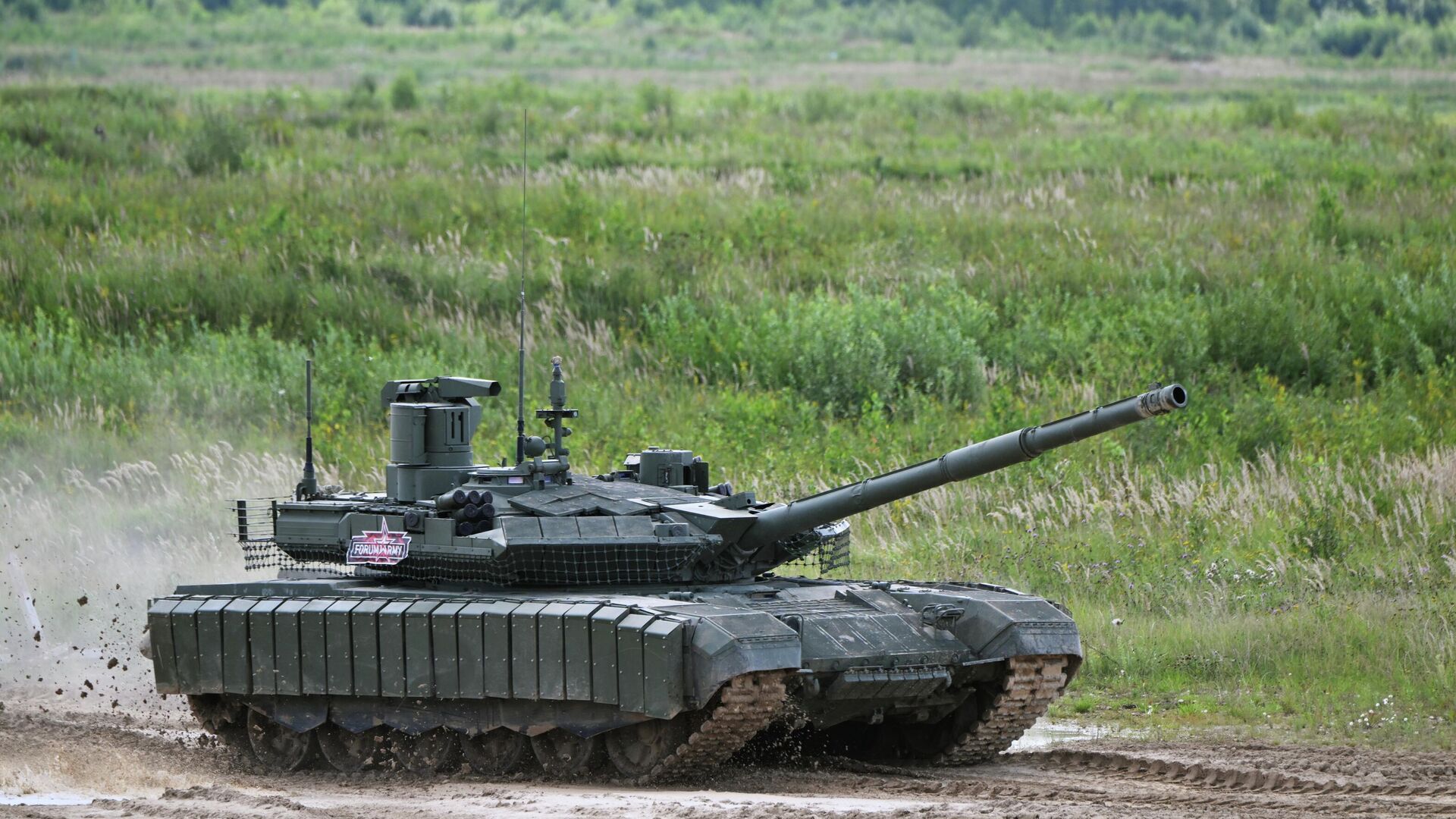
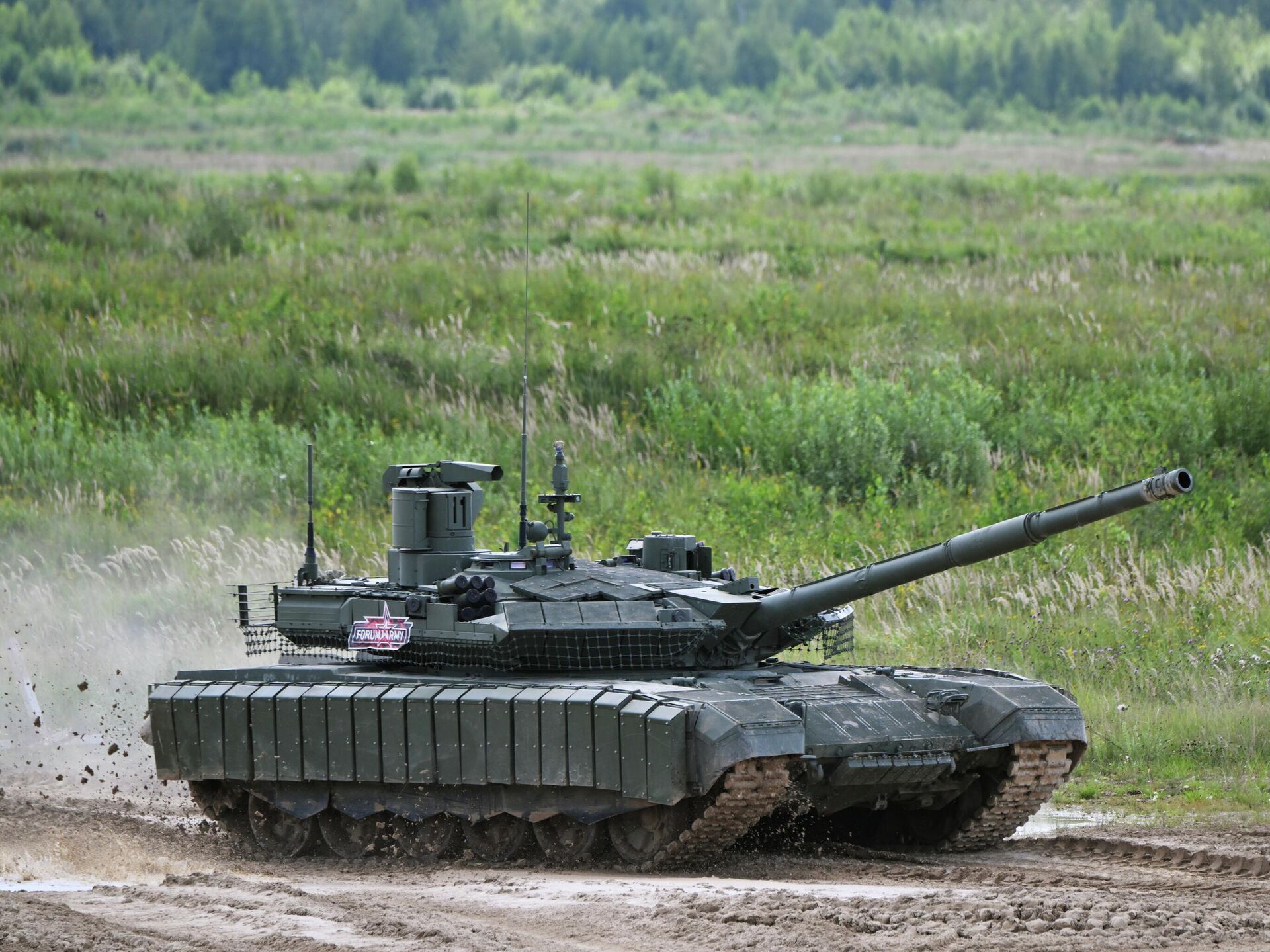
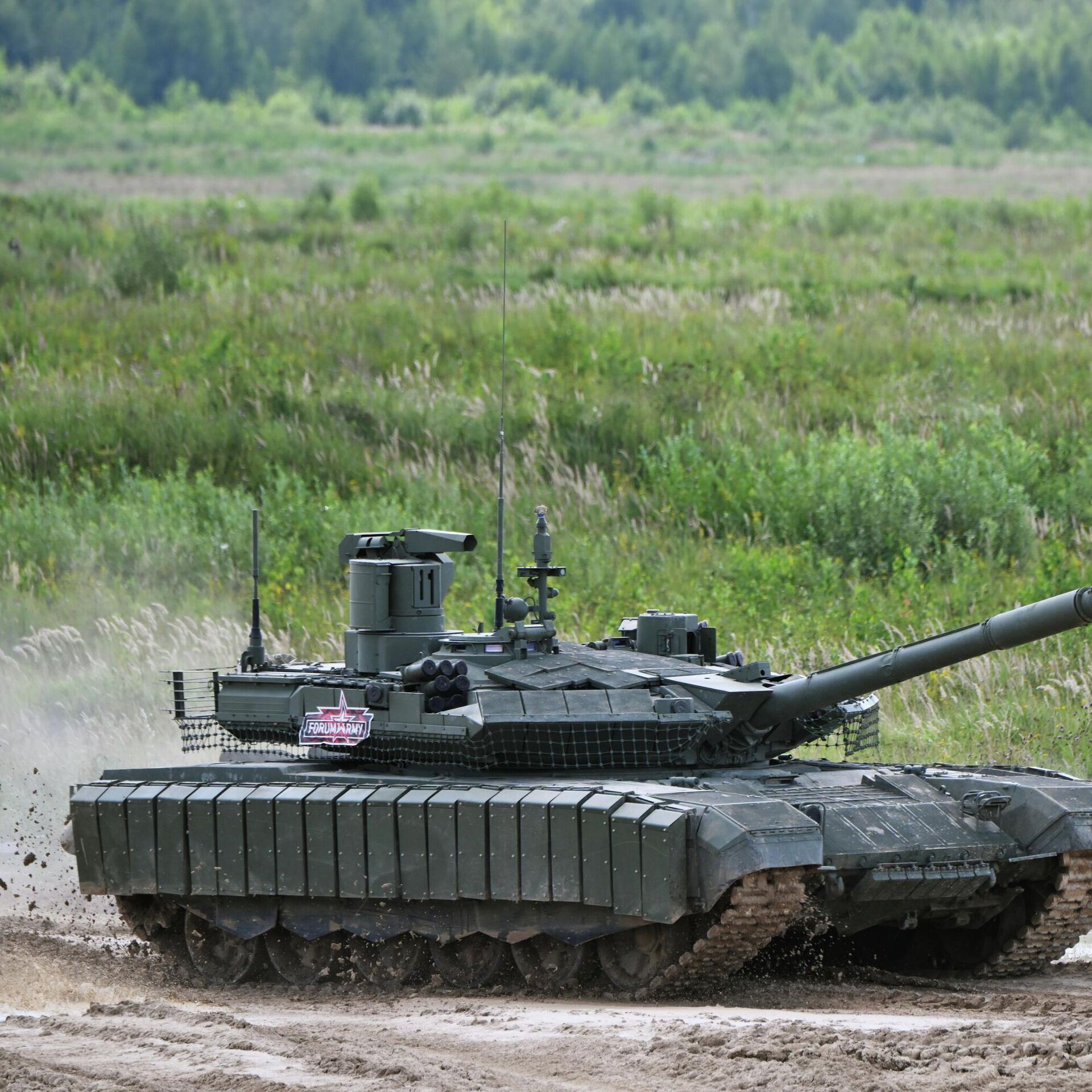
Potapov also highlighted the export potential of the T-90MS, the export-oriented version of Russia’s T-90 main battle tank. Uralvagonzavod showcased an updated T-90MS at the IDEX 2025 defence exhibition in Abu Dhabi, presenting it as a platform adapted to evolving battlefield threats.
"The T-90 of 2022 and the T-90 of 2026 are different machines," he said, underscoring the pace of modifications introduced in response to operational experience.
UVZ is strengthening its export policy despite sanctions and other obstacles affecting defence co-operation, according to Potapov. It is also working with Russia’s state arms exporter, Rosoboronexport, to develop relationships with prospective international customers, he added.
India remains a significant potential partner given its established Russian-origin armoured vehicle inventory, existing production infrastructure and long-standing defence-industrial co-operation with Moscow. The company is also seeking to expand its presence in broader South Asia.
Battlefield Experience Drives Modernisation
The UVZ chief said the conflict in Ukraine had accelerated the development and modification of Russian armoured vehicles, including the T-72, T-80 and T-90 families.
According to him, more than 300 changes have been introduced across combat vehicles since the beginning of the conflict, with improvements focused primarily on protection, survivability, crew situational awareness and command-and-control capabilities.
He argued that tanks remain relevant despite the growing use of unmanned aerial vehicles (UAVs), electronic warfare and precision weapons. Instead, armoured platforms must adapt through improved protection, automation and closer integration with unmanned systems.
Potapov also highlighted the growing role of unmanned aerial vehicles (UAVs) in modern warfare, saying that Uralvagonzavod was continuing work on unmanned combat systems and their integration with armoured vehicles.
The focus was on improving crew and vehicle protection, as well as automating control systems, he said. According to Potapov, future tanks would need to evolve beyond conventional combat platforms to function as command centres for drones, reflecting the changing requirements of the battlefield.
Adapting to UAV threats and electronic warfare was now an ongoing process rather than a one-time modernisation effort, he stressed.