The New START Treaty: The US-Russia Path to Nuclear Limits
The treaty focuses on strategic offensive weapons, including:
Nuclear warheads
Their delivery systems (ballistic and cruise missiles, air-dropped bombs)
launch and delivery platforms (mobile and fixed launchers, heavy bombers) designed to strike critical targets deep inside an adversary’s territory at intercontinental ranges (over 5,500 km). These include:
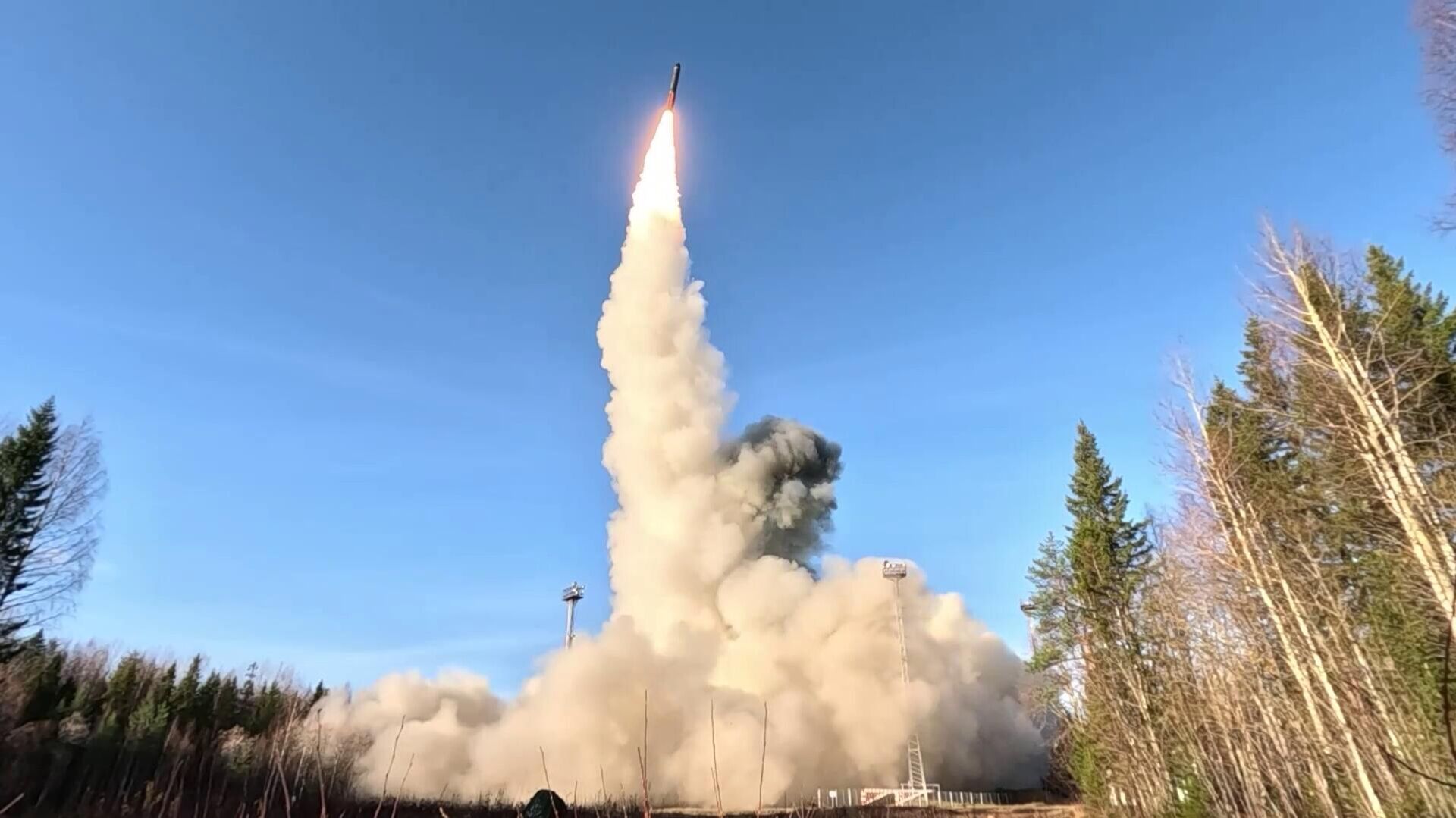
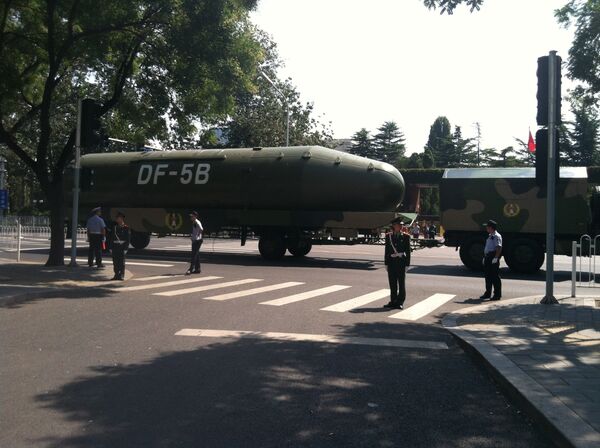
Intercontinental ballistic missiles (ICBMs) (US Minuteman II–III, Peacekeeper; Russia's Topol-family missile systems, liquid-fueled ICBMs, R-36M, RS-24 Yars), along with their launchers and warheads |
Submarine-launched ballistic missiles (SLBMs) and their carriers (US Trident II; Russia’s R-29R, R-39, R-39RM, and R-30) |
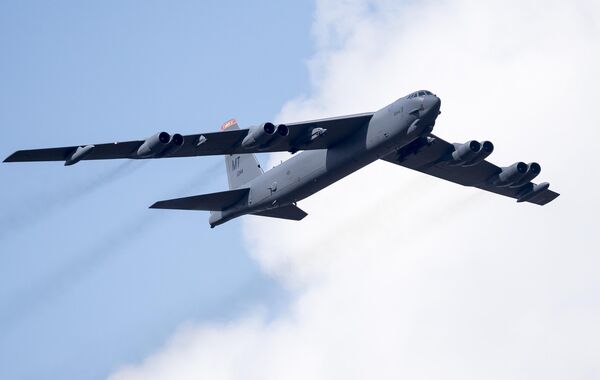
Heavy bombers capable of carrying nuclear weapons (Russia's Tu-95MS and Tu-160; US B-52G, B-52H, B-1B, and B-2A) |


No more than 700 deployed delivery vehicles
No more than 1,550 deployed warheads
No more than 800 deployed and non-deployed launchers and bombers
2010
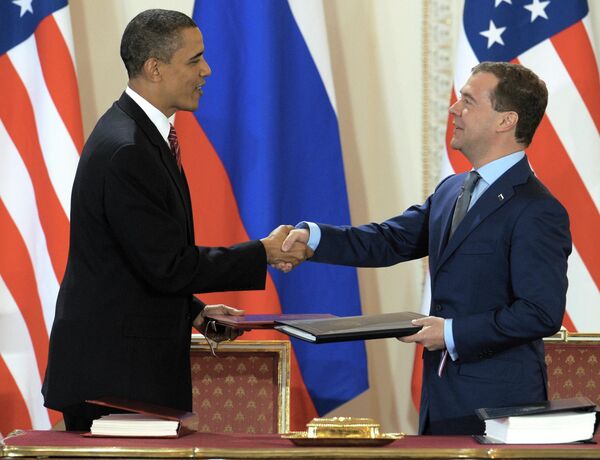
The pact was signed by then Presidents Dmitry Medvedev of Russia and Barack Obama of the United States on April 8, 2010, in Prague. It replaced earlier agreements (START I and SORT) andbecame a cornerstone of strategic stability.
2018
Both sides met their obligations by 2018.
2023
In February, Russia announced it was suspending participation in the treaty, citing US violations.
2025
In September 2025, President Vladimir Putin stated that Russia was prepared to adhere to the treaty’s limits for one year after its expiration on February 5, 2026.
2026
The treaty is scheduled to expire on February 5.
▪️ 527 deployed ICBMs, SLBMs, and heavy bombers
▪️ 1,444 warheads attributed to them
▪️ 779 deployed and non-deployed ICBM and SLBM launchers and heavy bombers
Russia also said that the US data declared as of September 1, 2022 (659 deployed delivery vehicles, 1,420 warheads attributed to them, and 800 deployed and non-deployed launchers and bombers) did not reflect the actual situation.
After uncertainty during the first Trump administration, the treaty was extended in February 2021 by the Biden administration without changes, through February 5, 2026. Dialogue later broke down following the start of Russia’s military operation in Ukraine. Inspection activities, previously suspended due to the pandemic, were not resumed, partly due to sanctions-related obstacles, including closed airspace and the refusal to issue visas to Russian inspectors.
January 31, 2023
The US accused Russia of violating the treaty by denying inspections and postponing consultations.
February 21, 2023
President Putin announced the suspension of Russia’s participation(not a withdrawal). He said the US was considering the possibility of resuming nuclear weapons tests, especially in light of the development of new types of nuclear warheads.
The provision of Western, particularly US, weapons to Ukraine, coupled with Western assistance for strikes against Russian strategic aviation bases
Public statements by the US and NATO about seeking a strategic defeat of Russia
The need to take into account the arsenals of France and the UK—namely NATO’s combined strike potential—when returning to New START discussions
US obstacles to conducting treaty inspections
From June 2023onward, the US froze data sharing on its nuclear forces with Russia.
In June 2023, the US proposed holding a “compartmentalized” dialogue - intended to separate New START from other international disputes between Washington and Moscow. Russia declined. In September that year, the US said it was ready to discuss New START “without preconditions.”
In January 2025, President Donald Trump called for reducing the nuclear arsenals of Russia, the US, and China, and relayed a conversation suggesting China could potentially join such negotiations.
In July 2025,Trump announced efforts to limit the nuclear capabilities of Russia and the US. A month later, Putin also signaled the possibility of resuming negotiations.
The US responded positively to the initiative, but as of early February 2026, no official reply from Washington had been received.