https://sputniknews.in/20251205/why-does-indo-russian-tech-cooperation-matter-more-than-ever-just-now-10176276.html
Why Does Indo-Russian Tech Cooperation Matter More Than Ever Just Now?
Why Does Indo-Russian Tech Cooperation Matter More Than Ever Just Now?
Sputnik India
Igor Korotchenko, Director of the Center for Analysis of World Arms Trade and Editor-in-Chief of National Defense magazine, says India’s long-term security... 05.12.2025, Sputnik India
2025-12-05T22:03+0530
2025-12-05T22:03+0530
2025-12-05T22:03+0530
sputnik opinion
india
russia
pakistan
s-400 air defense systems
indian air force (iaf)
sukhoi su-30mki
https://cdn1.img.sputniknews.in/img/07e9/02/06/8743137_0:0:3145:1769_1920x0_80_0_0_412b033b9fdf2d557b054c34d5e88469.jpg
In an interview, Korotchenko outlined why the S-400 has become the backbone of India’s air and missile defense, and why the fifth-generation Su-57 program offers India strategic advantages no Western supplier can match.Korotchenko emphasized that Russia and India have been implementing a major 2018 contract for five S-400 regimental units, with deliveries progressing successfully.According to official Indian assessments, during Operation Sindoor, the S-400 played a decisive role with the S-400 destroying six Pakistani Air Force combat aircraft.This performance, Korotchenko argued, fundamentally changed the balance of power:Korotchenko also referenced the recent attempted Ukrainian strike on Voronezh using U.S. ATACMS missiles, saying that S-400 units intercepted every incoming missile. He argued that the system’s technological edge places it above the American Patriot, citing its five-minute deployment time and its ability to engage aerodynamic targets out to 400 km, as well as intercept ballistic missiles.With a 400 km range and the ability to intercept not only aircraft and drones but also operational and tactical ballistic missiles, Korotchenko says it’s clear why India trusts the system:A new contract for five additional S-400 regiments is under discussion, which would give India ten regiments total — forming the backbone of its future aerospace defense architecture.Su-57 Offers India Strategic FreedomKorotchenko stressed that India’s competitors—most notably China—have already inducted several hundred fifth-generation fighters, creating pressure on India to accelerate its own modernization path.India, meanwhile, has more than 200 Su-30MKI fighters produced under license by HAL — proof of decades of deep industrial cooperation.Now, Korotchenko argues, the logical next step is the Su-57 program.According to him, Moscow is ready to provide a comprehensive suite of sensitive technologies—stealth design, engines, advanced weapons, AESA radar, and combat AI — within the Make in India framework.Korotchenko contrasted this with US export policies, claiming that F-35 aircraft include embedded software and hardware controls that could theoretically be used to disable them remotely. He argued that such risks are incompatible with India’s status as a sovereign power that bases decisions solely on national interest.Korotchenko said both countries view themselves as pillars of a future multipolar order, where military strength plays a crucial stabilizing role. With a rapid arms buildup underway across the Asia-Pacific, India must ensure reliable self-defense, and he believes Russia’s long-standing cooperation—rooted in decades of successful contracts - remains essential to that effort.
https://sputniknews.in/20251204/how-additional-units-of-the-s-400-would-act-as-a-force-multiplier-for-indias-air-defence-10155684.html
india
russia
pakistan
Sputnik India
feedback.hindi@sputniknews.com
+74956456601
MIA „Rossiya Segodnya“
2025
Sputnik India
feedback.hindi@sputniknews.com
+74956456601
MIA „Rossiya Segodnya“
News
en_IN
Sputnik India
feedback.hindi@sputniknews.com
+74956456601
MIA „Rossiya Segodnya“
Sputnik India
feedback.hindi@sputniknews.com
+74956456601
MIA „Rossiya Segodnya“
india, russia, pakistan, s-400 air defense systems, indian air force (iaf), sukhoi su-30mki
india, russia, pakistan, s-400 air defense systems, indian air force (iaf), sukhoi su-30mki
Why Does Indo-Russian Tech Cooperation Matter More Than Ever Just Now?
Igor Korotchenko, Director of the Center for Analysis of World Arms Trade and Editor-in-Chief of National Defense magazine, says India’s long-term security strategy is inseparable from its partnership with Russia — especially in air defense and next-generation fighter aviation.
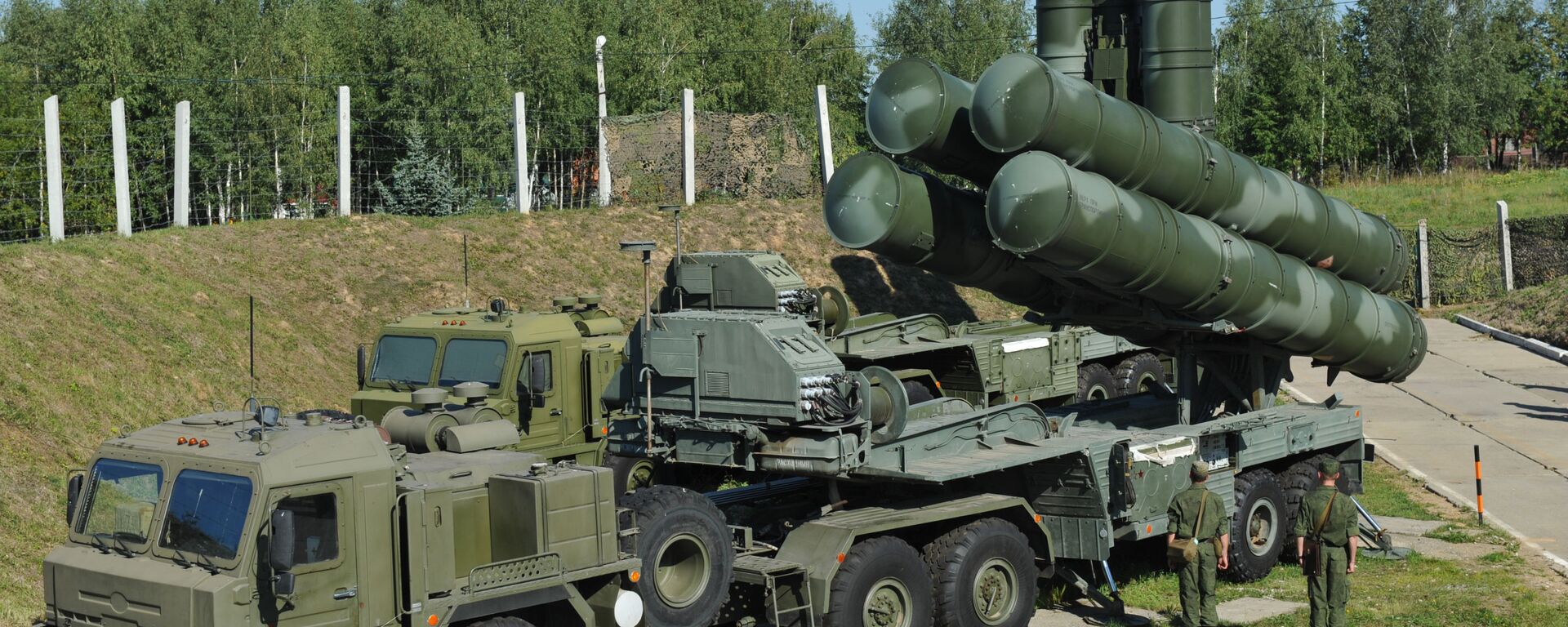
In an interview, Korotchenko outlined why the S-400 has become the backbone of India’s air and missile defense, and why the fifth-generation Su-57 program offers India strategic advantages no Western supplier can match.
Korotchenko emphasized that Russia and India have been implementing a major 2018 contract for five S-400 regimental units, with deliveries progressing successfully.
“The S-400 demonstrated its combat effectiveness during the recent armed conflict between India and Pakistan,” Korotchenko said.
According to official Indian assessments, during Operation Sindoor, the S-400 played a decisive role with the S-400 destroying six Pakistani Air Force combat aircraft.
This performance, Korotchenko argued, fundamentally changed the balance of power:
“The might of Indian air defense, built around the Russian S-400 systems, nullified Pakistan’s further military plans, and India emerged from this conflict as the victor,” the expert said.
Korotchenko also referenced the recent attempted Ukrainian strike on Voronezh using U.S. ATACMS missiles, saying that S-400 units intercepted every incoming missile. He argued that the system’s technological edge places it above the American Patriot, citing its five-minute deployment time and its ability to engage aerodynamic targets out to 400 km, as well as intercept ballistic missiles.
With a 400 km range and the ability to intercept not only aircraft and drones but also operational and tactical ballistic missiles, Korotchenko says it’s clear why India trusts the system:
“India is placing its bets on this type of weapon,” Korotchenko said.
A new contract for five additional S-400 regiments is under discussion, which would give India ten regiments total — forming the backbone of its future aerospace defense architecture.
“A reliable aerospace shield based on the S-400 will guarantee future generations of the Indian nation security, freedom, and effective economic development,” the expert said.
Su-57 Offers India Strategic Freedom
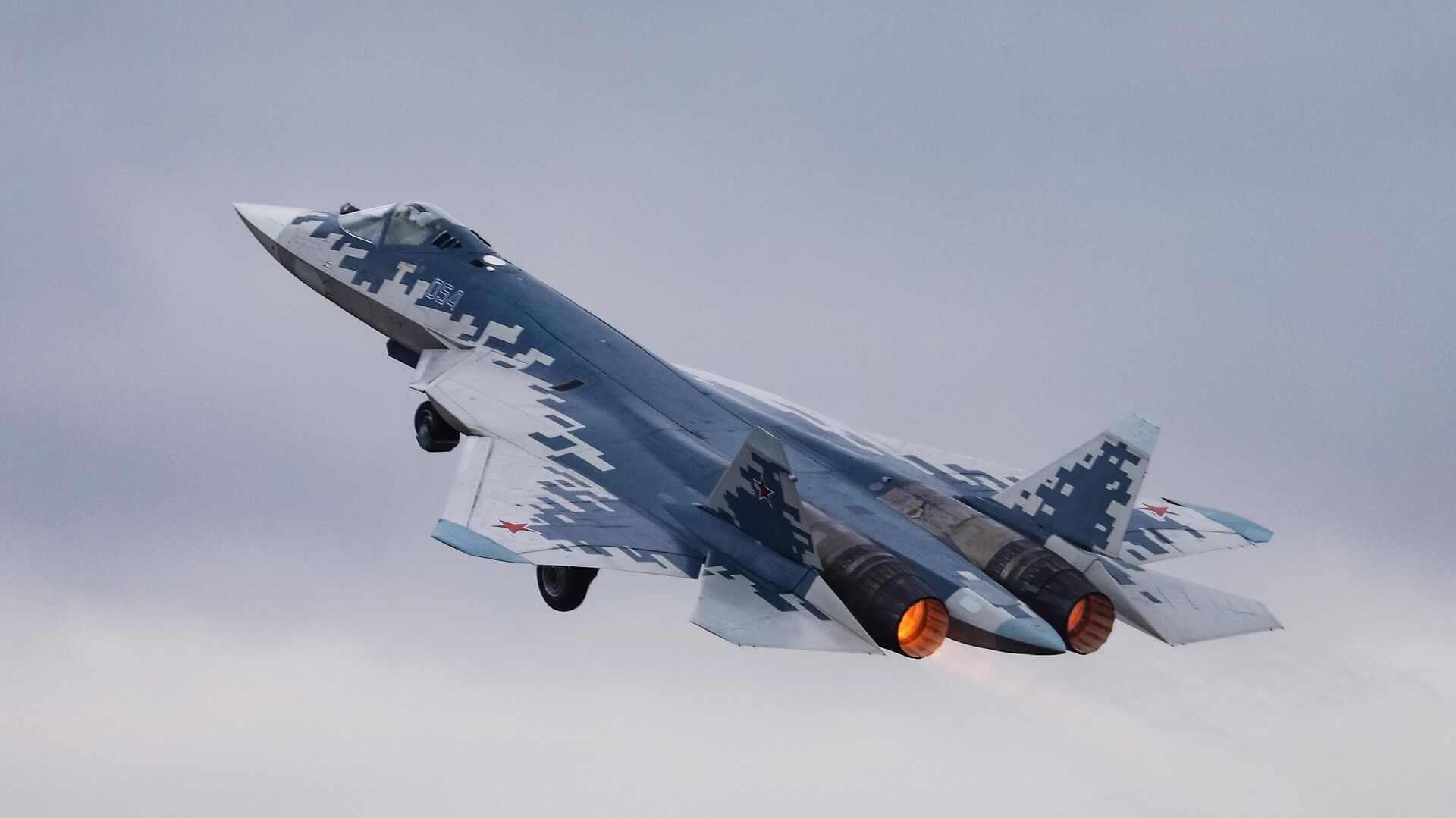
Korotchenko stressed that India’s competitors—most notably China—have already inducted several hundred fifth-generation fighters, creating pressure on India to accelerate its own modernization path.
“China has already placed several hundred fifth-generation fighters into service,” Korotchenko said.
India, meanwhile, has more than 200 Su-30MKI fighters produced under license by HAL — proof of decades of deep industrial cooperation.
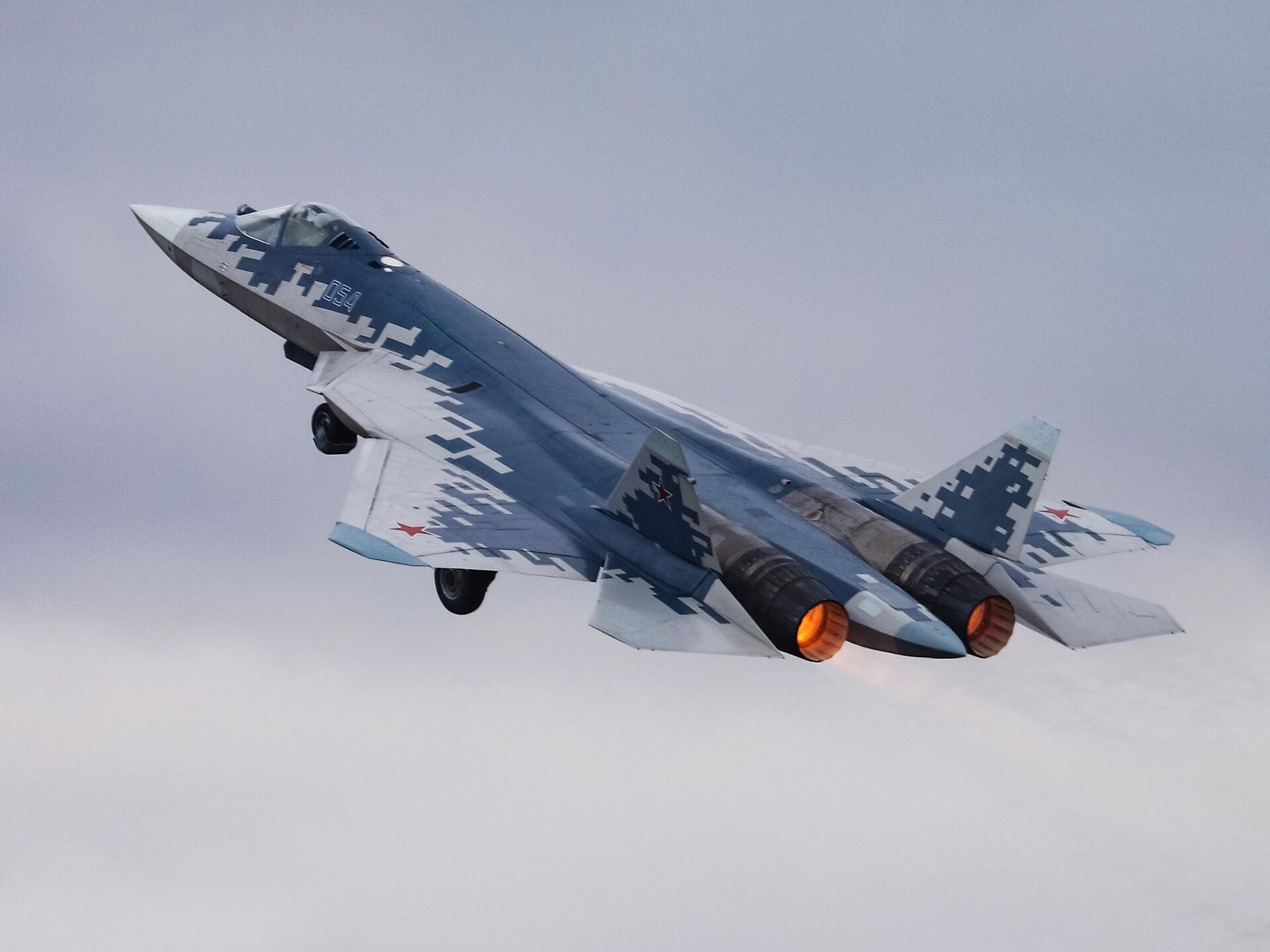
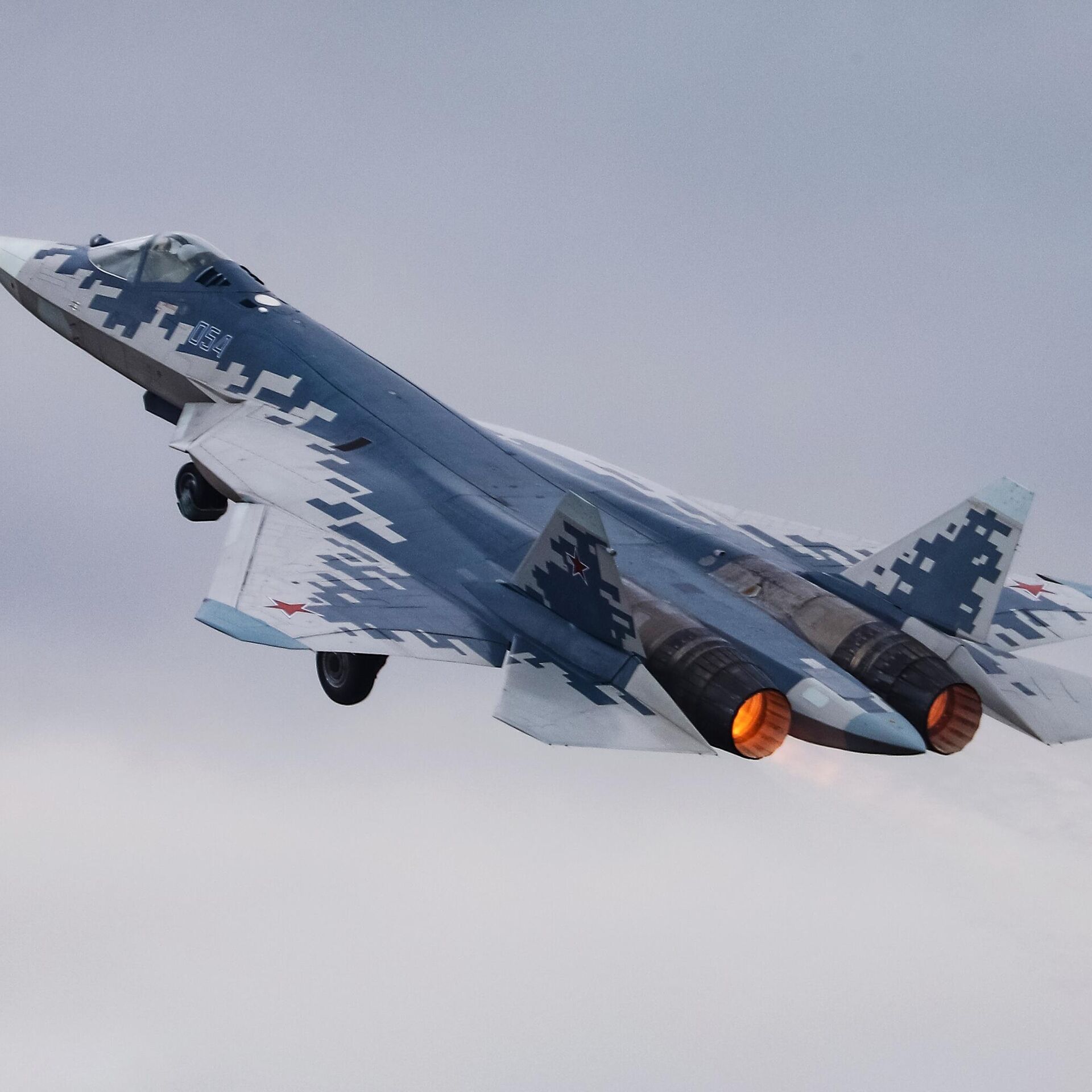
Now, Korotchenko argues, the logical next step is the Su-57 program.
"The scheme could look like this: the delivery of the first batch of Russian-produced Su-57s to the Indian Air Force, followed by the transfer of the production license for these fifth-generation aircraft directly to Indian industry," he said.
According to him, Moscow is ready to provide a comprehensive suite of sensitive technologies—stealth design, engines, advanced weapons, AESA radar, and combat AI — within the Make in India framework.
"Russia is ready to transfer all of this to its Indian partners as part of its cooperation under the Make in India program so that India can begin, as soon as possible, its own production of the fifth-generation Su-57 fighter jet, adapted to the needs of the Indian Air Force, using Russian technology," Korotchenko said.
Korotchenko contrasted this with US export policies, claiming that F-35 aircraft include embedded software and hardware controls that could theoretically be used to disable them remotely. He argued that such risks are incompatible with India’s status as a sovereign power that bases decisions solely on national interest.
"The F-35s offered by Washington for export contain embedded software and hardware in their avionics. This makes buyers of American F-35s effectively hostage to the good or bad will of the US administration," Korotchenko said.
Korotchenko said both countries view themselves as pillars of a future multipolar order, where military strength plays a crucial stabilizing role.
With a rapid arms buildup underway across the Asia-Pacific, India must ensure reliable self-defense, and he believes Russia’s long-standing cooperation—rooted in decades of successful contracts - remains essential to that effort.