Su-57's Next-Gen Engine: Should India Acquire the Stealth Fighter Now?
© AP Photo / Pavel Golovkin
Subscribe

India is reportedly interested in procuring three-four squadrons of a stealth fighter jet to maintain an operational edge, with the former already operating a fifth-generation warplane while the latter is on the verge of inducting one.
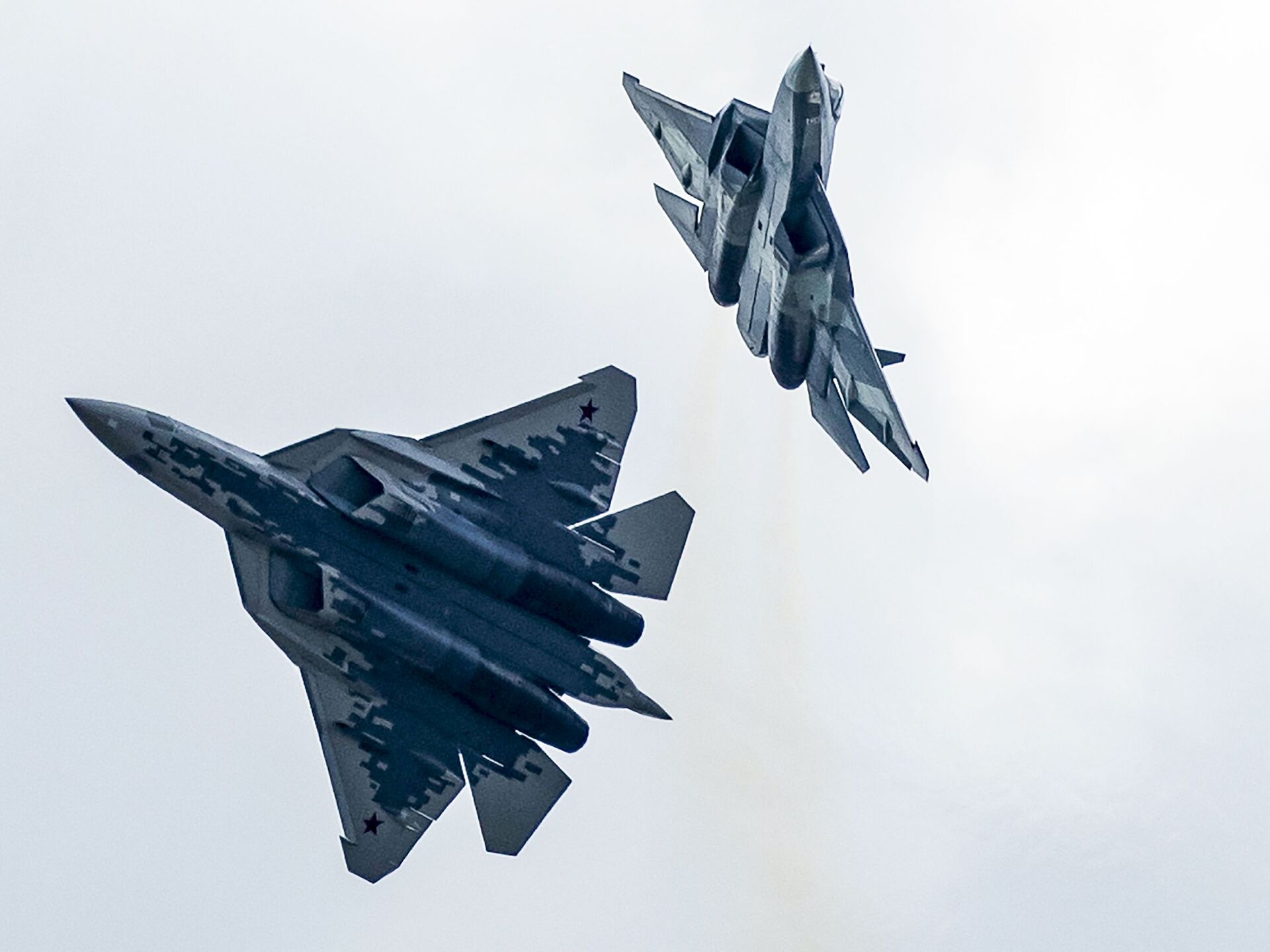
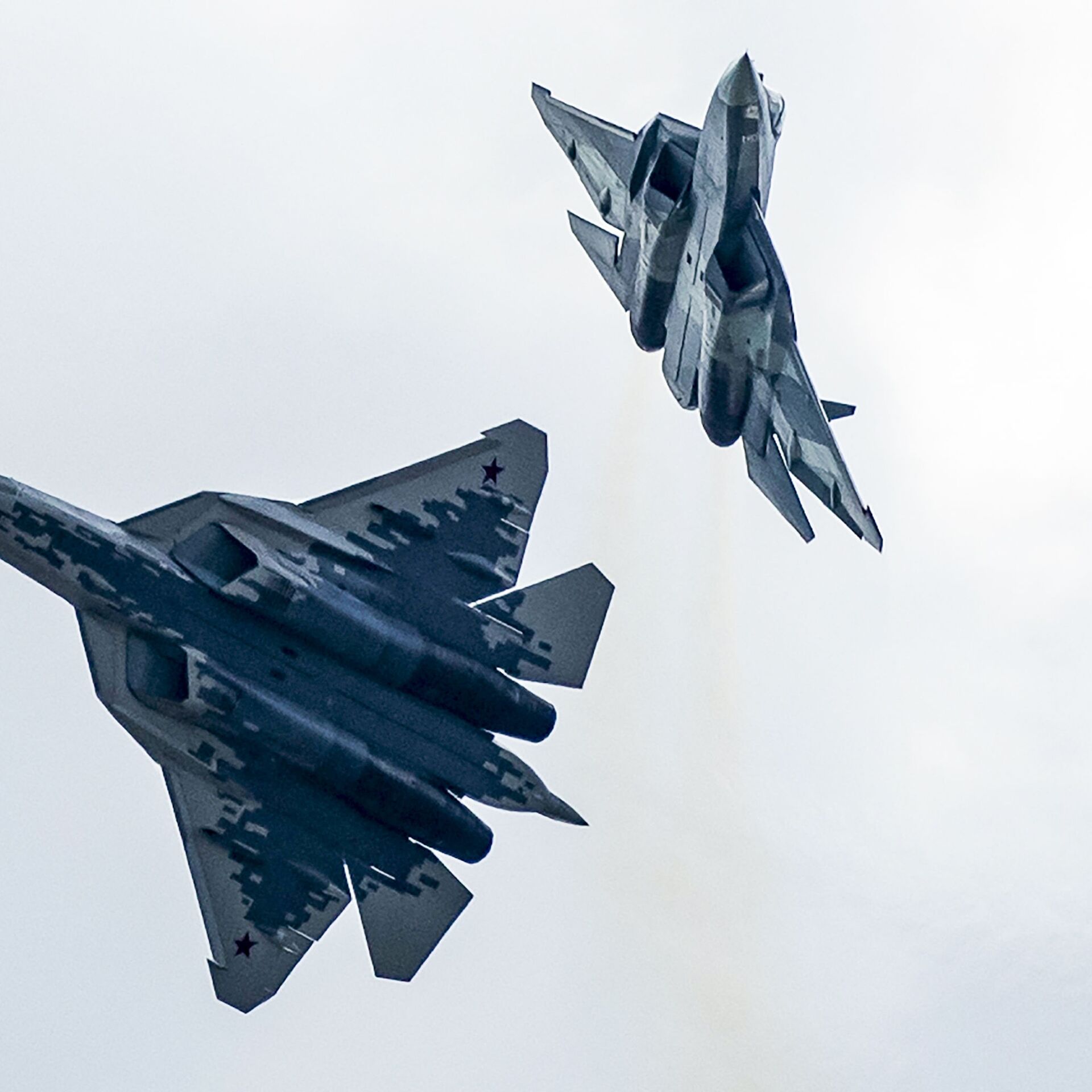
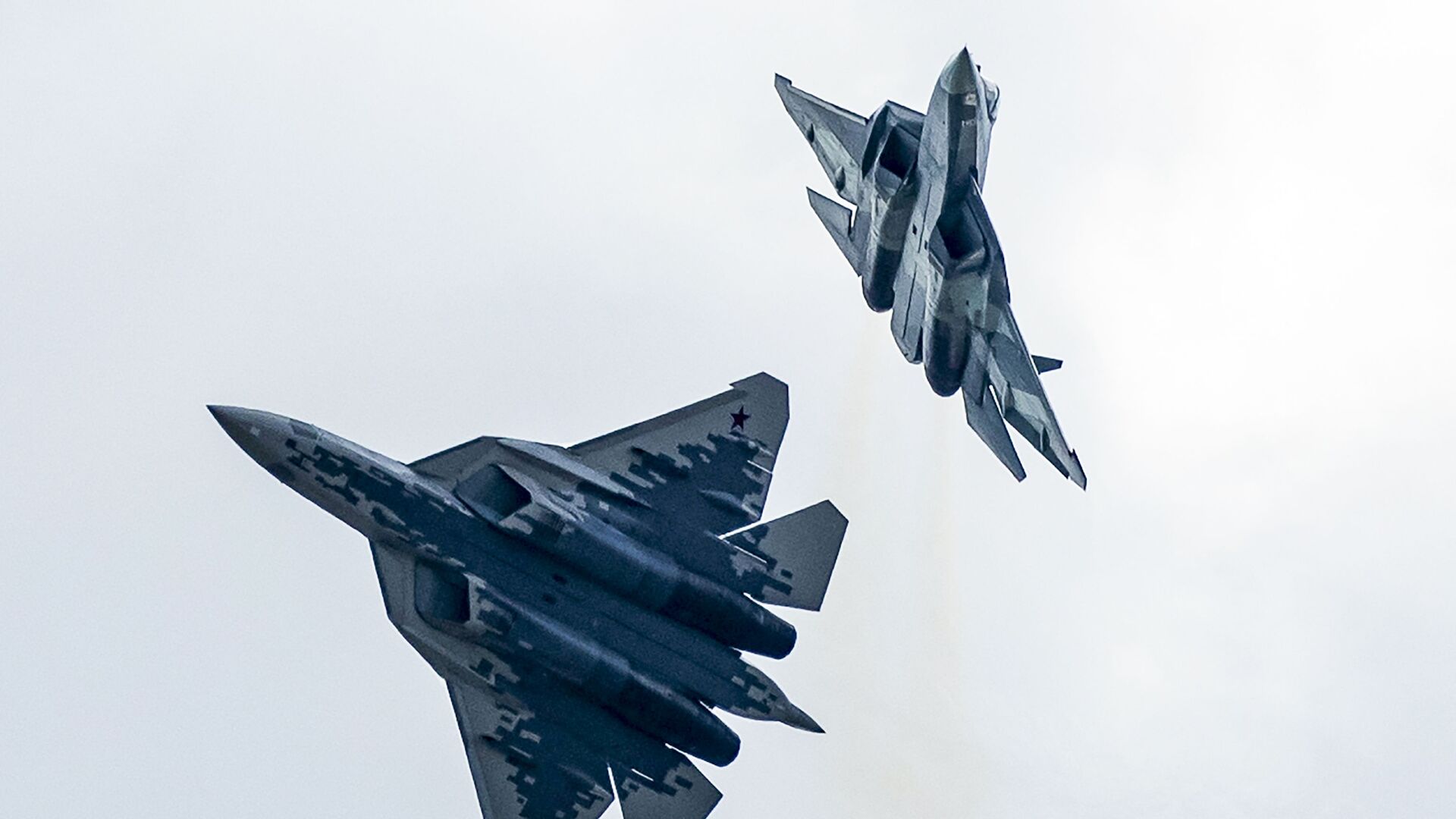
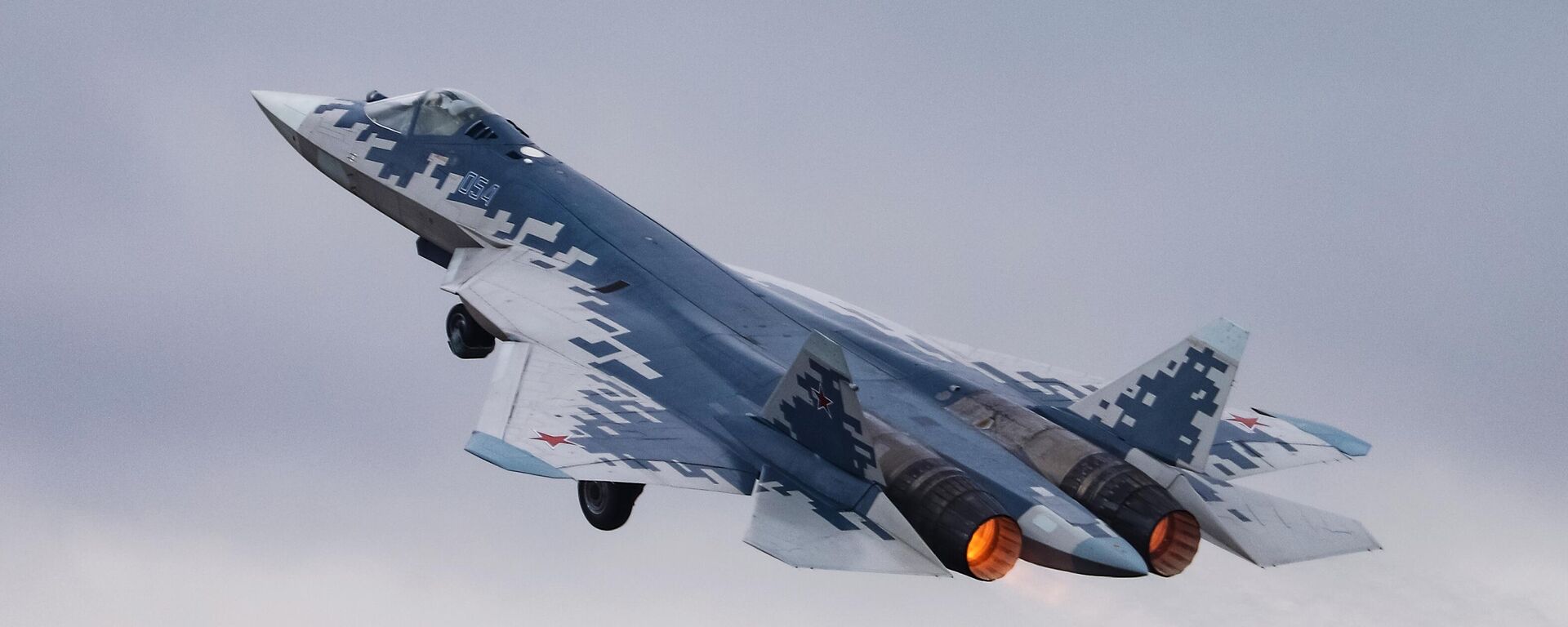
For the first time, a Su-57 was flown with the advanced fifth-generation Izdeliye 177 engine, according to Russia's state corporation Rostec, which made the announcement this week.
"The first test flight marked the beginning of joint work with colleagues from the UAC for flight tests of the Su-57 with the latest engine. During the flight, the new engine worked normally and showed reliable operation as part of the Su-57 aircraft," the Rostec press service quoted Marchukov as saying.
The flight of the Su-57 with the Izdeliye 177 engine is a significant and positive milestone for the programme, stated Harpreet Sidhu, an aviation analyst at the London-headquartered GlobalData Plc, a strategic defence intelligence firm.
It demonstrates that Russia is continuing to evolve the Su-57 by introducing a new-generation powerplant with higher thrust, improved service life, Full Authority Digital Engine Control (FADEC), and better thermal and power margins. This directly enhances the aircraft's overall performance, reliability, and growth potential, especially in areas like sustained supersonic flight and advanced avionics integration, he added.
It demonstrates that Russia is continuing to evolve the Su-57 by introducing a new-generation powerplant with higher thrust, improved service life, Full Authority Digital Engine Control (FADEC), and better thermal and power margins. This directly enhances the aircraft's overall performance, reliability, and growth potential, especially in areas like sustained supersonic flight and advanced avionics integration, he added.
"For countries like India, this development strengthens the Su-57's profile as a more mature and capable fifth-generation fighter. It also reflects Russia's intent to support both domestic upgrades and international customers with a modern, export-oriented engine solution that remains compatible with existing Sukhoi platforms," Sidhu told Sputnik India.
That said, India evaluates any fighter aircraft within a broader strategic and doctrinal framework. While propulsion is a critical component, decisions are also shaped by factors such as timelines, industrial cooperation, operational requirements, and long-term force structure planning. Hence, how this translates into Indian interest would ultimately depend on how well the aircraft aligns with India's operational needs and long-term defence planning, the military pundit remarked.
If India were to seriously consider the Su-57 as an interim stealth solution, local production of the Izdeliye 177 would be a critical—but not decisive—factor, he reckoned.
From India's perspective, three to four squadrons of an interim fifth-generation fighter would only make sense if the platform strengthens domestic capability rather than creating another long-term dependency. In that context, local assembly or licensed production of the Izdeliye 177 would be essential to ensure availability, sustainment, and cost control over the aircraft's service life, Sidhu noted.
If India were to seriously consider the Su-57 as an interim stealth solution, local production of the Izdeliye 177 would be a critical—but not decisive—factor, he reckoned.
From India's perspective, three to four squadrons of an interim fifth-generation fighter would only make sense if the platform strengthens domestic capability rather than creating another long-term dependency. In that context, local assembly or licensed production of the Izdeliye 177 would be essential to ensure availability, sustainment, and cost control over the aircraft's service life, Sidhu noted.
However, India's expectations would go well beyond screwdriver assembly. New Delhi would look for:
Meaningful technology transfer
Local MRO and overhaul capability
Integration of the Indian digital engine health monitoring and diagnostics
"Without these, an imported fifth-gen engine becomes a vulnerability—especially under sanctions and geopolitical pressure. But engine production alone would not be sufficient. India would still evaluate whether Russia is willing to extend a similar depth of localisation to avionics, mission systems, software access, and weapons integration. An interim fighter cannot be a closed architecture platform," the defence specialist stressed.
In practical terms, even if Russia offers partial localisation of the 177 engine, timelines would be challenging. Setting up a fifth-generation engine production line in India would take several years—potentially overlapping with the Advanced Medium Combat Aircraft (AMCA) development—thereby reducing the interim value of the Su-57, he underlined.
In a nutshell, local production of the Izdeliye 177 would be a necessary condition for Indian acceptance of the Su-57, but it would not be the only one. India would only proceed if the engine deal is part of a broader package that genuinely accelerates India's own fifth-generation ecosystem rather than merely filling a short-term numbers gap, Sidhu concluded.
In a nutshell, local production of the Izdeliye 177 would be a necessary condition for Indian acceptance of the Su-57, but it would not be the only one. India would only proceed if the engine deal is part of a broader package that genuinely accelerates India's own fifth-generation ecosystem rather than merely filling a short-term numbers gap, Sidhu concluded.
4 December 2025, 18:45