Unlike West, India Gives UAE a True Partnership Free of Conditions: Expert
© Photo : Twitter/@narendramodi
Subscribe

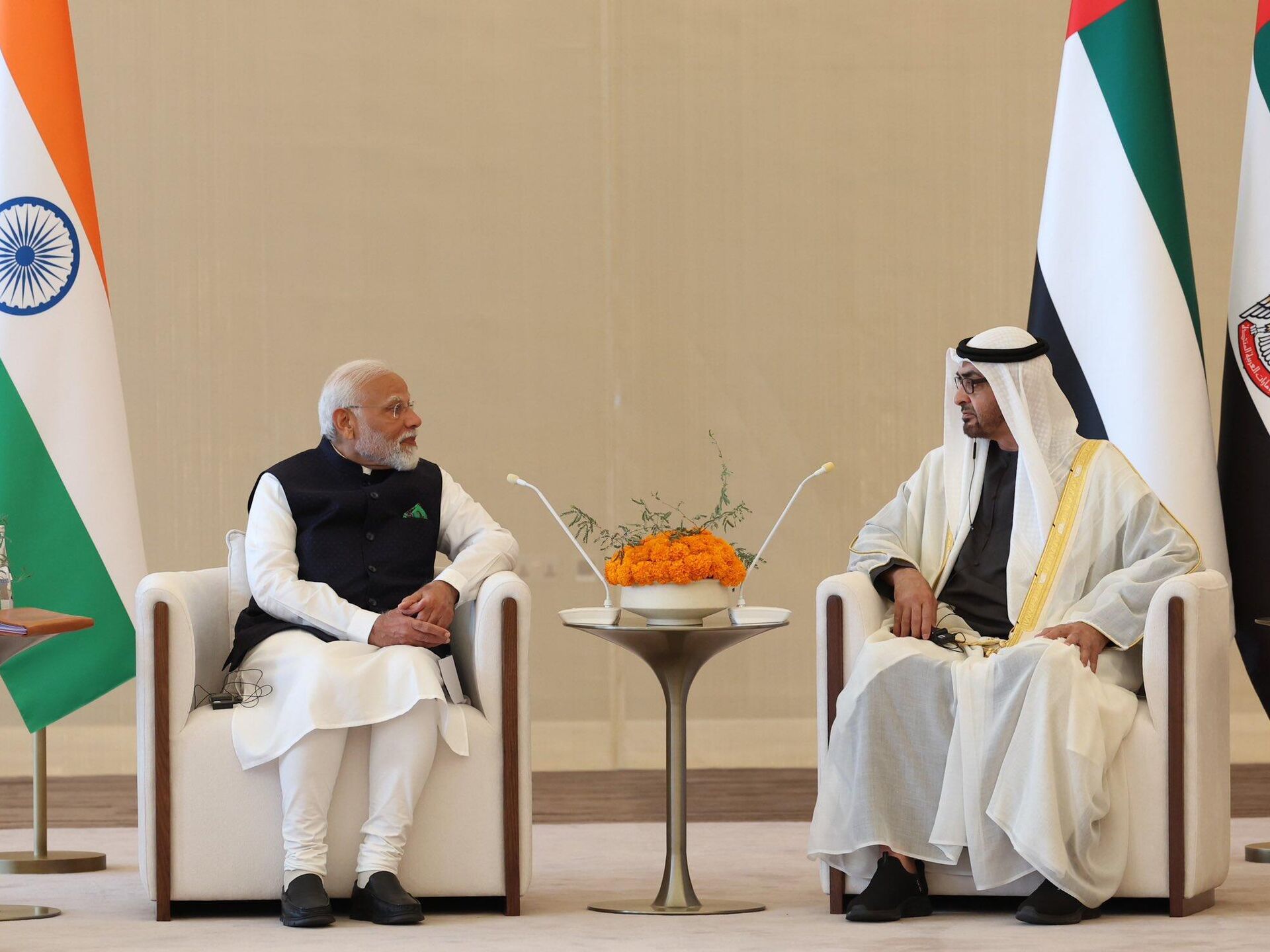
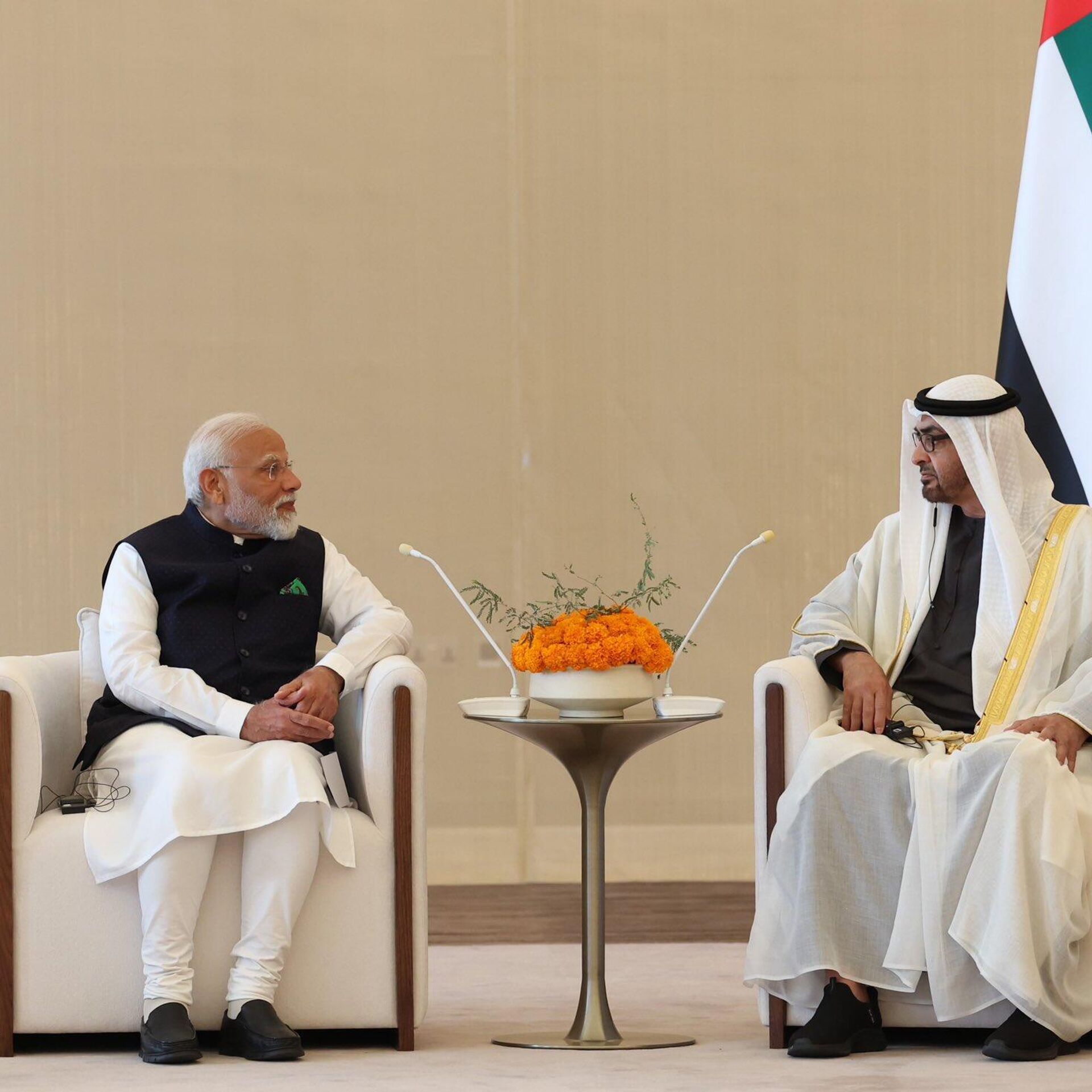
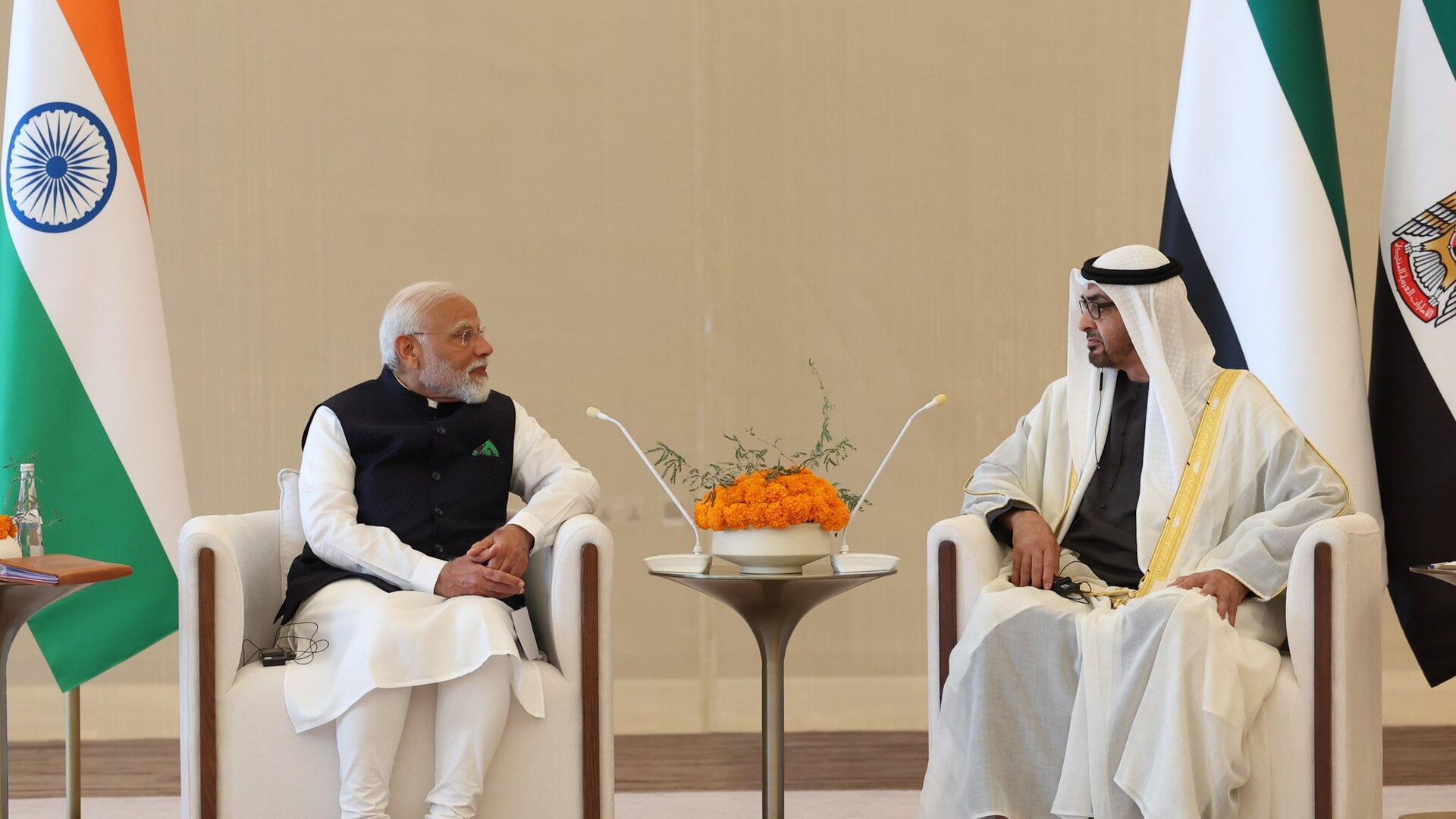
India and the United Arab Emirates (UAE) have agreed to form a strategic defence partnership, following the visit of UAE President Sheikh Mohamed bin Zayed Al Nahyan to New Delhi, Indian Foreign Secretary Vikram Misri said on Monday.
The defence partnership between New Delhi and Abu Dhabi has clear economic and strategic benefits for both India and the UAE, experts told Sputnik India.
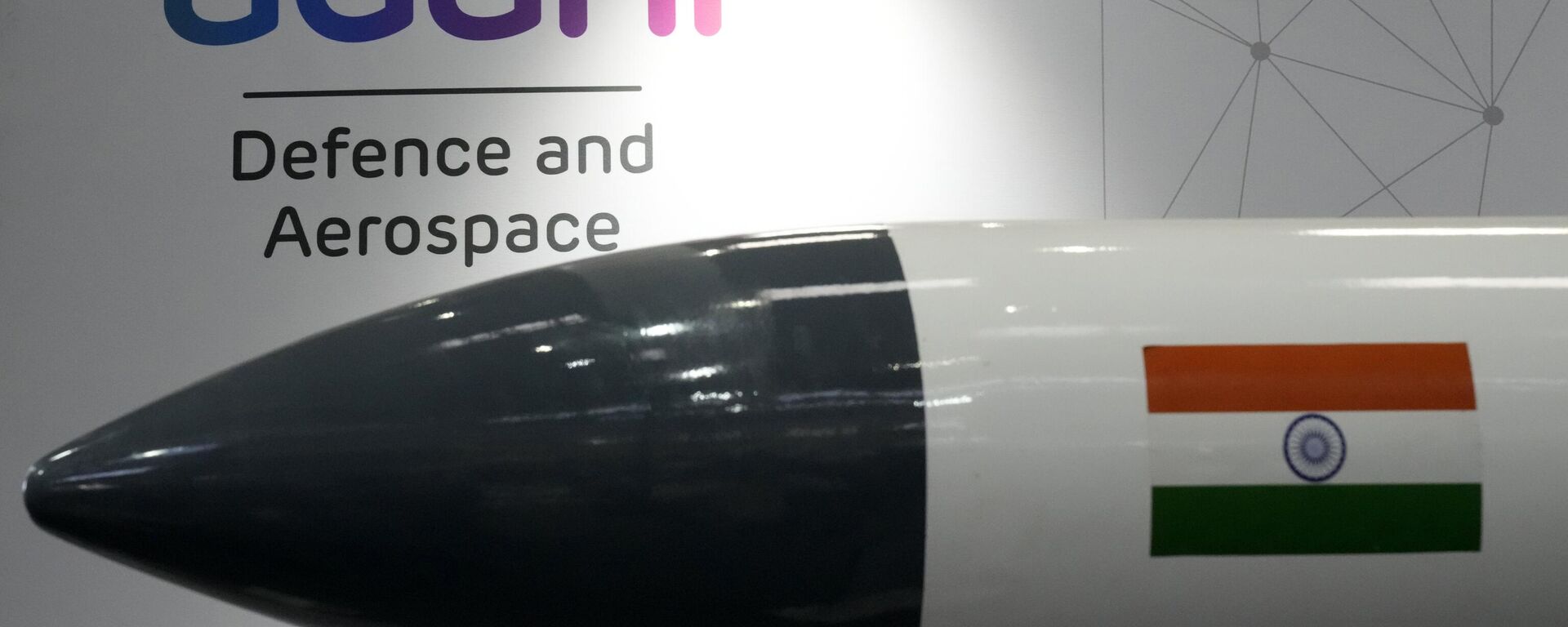
"The UAE brings capital, speed, and global market access, while India brings rapidly advancing defence technologies, engineering talent, and a growing manufacturing ecosystem. This combination is both robust and potent," Harpreet Sidhu, defense analyst at GlobalData stressed.
For India, the UAE's investment can help scale up defence production, fund R&D, and support startups, which are often constrained by capital. This directly strengthens Self-Reliant India by reducing import dependence and moving from prototypes to mass production, he explained.
For the UAE, partnering with India offers access to cost-effective, combat-proven technologies without political conditions, while also helping it build its own defence industrial base, the military commentator emphasised.
For the UAE, partnering with India offers access to cost-effective, combat-proven technologies without political conditions, while also helping it build its own defence industrial base, the military commentator emphasised.
"Most importantly, this partnership strongly supports Make in India in Defence. Joint development and co-production can turn India into an export hub, with the UAE acting as a gateway to markets in the Middle East and Africa. So yes, if implemented properly, this will be a major boost for both Atmanirbhar Bharat and Make in India, and it could reshape the defence industrial landscape of the region," Sidhu underlined.
Moreover, the proposed India–UAE defence partnership is strategically significant for both South Asia and the Middle East, he reckoned.
For South Asia, it strengthens India's role as a net security provider in the Indian Ocean Region (IOR). The UAE sits at a critical maritime junction, and deeper military cooperation will help India secure vital sea lanes for trade and energy, while also balancing China’s expanding presence in the region, the observer underscored.
In the Middle East, this pact reflects the UAE's shift toward diversifying its security partnerships, especially at a time when its ties with Saudi Arabia are under strain. By working with India, Abu Dhabi gains a reliable, non-intrusive partner that does not come with political conditions, unlike many Western powers, Sidhu stressed.
For India, this also creates space to engage all major Gulf actors without taking sides. It positions New Delhi as a stabilising, inter-regional power linking South Asia and West Asia, he suggested.
For South Asia, it strengthens India's role as a net security provider in the Indian Ocean Region (IOR). The UAE sits at a critical maritime junction, and deeper military cooperation will help India secure vital sea lanes for trade and energy, while also balancing China’s expanding presence in the region, the observer underscored.
In the Middle East, this pact reflects the UAE's shift toward diversifying its security partnerships, especially at a time when its ties with Saudi Arabia are under strain. By working with India, Abu Dhabi gains a reliable, non-intrusive partner that does not come with political conditions, unlike many Western powers, Sidhu stressed.
For India, this also creates space to engage all major Gulf actors without taking sides. It positions New Delhi as a stabilising, inter-regional power linking South Asia and West Asia, he suggested.
"Overall, this is less about a traditional alliance and more about building a flexible, multipolar security architecture across two strategically vital regions," the international relations watcher stated.
Meanwhile, retired Commodore Seshadri Vasan, a former Indian Navy official, believes that the latest development between India and the UAE reemphasises New Delhi's focus on the Middle East, more so because the region is vital for the South Asian country's energy security.
Maritime security is equally a part of this initiative because both countries are interested in ensuring that there is unimpeded movement of commercial vessels and naval ships, as during the Houthi blockade of the Red Sea in 2024, these were rerouted elsewhere, the military veteran highlighted.
This led to insurance costs going up in the region, and, therefore, a combined India-UAE effort would pave the way for enhanced levels of maritime security and preparedness in the IOR and the Gulf, he stressed.
Maritime security is equally a part of this initiative because both countries are interested in ensuring that there is unimpeded movement of commercial vessels and naval ships, as during the Houthi blockade of the Red Sea in 2024, these were rerouted elsewhere, the military veteran highlighted.
This led to insurance costs going up in the region, and, therefore, a combined India-UAE effort would pave the way for enhanced levels of maritime security and preparedness in the IOR and the Gulf, he stressed.
"While there is some amount of chatter that the India-UAE pact is to counter the Pakistan-Saudi Arabia Strategic Mutual Defence Agreement (SMDA), it is more likely to sustain the tempo of India's strategic autonomy, with a clear message that New Delhi will do everything in its capacity to continue its fight against terrorism," Vasan concluded.