https://sputniknews.in/20260314/irans-strategy-based-on-lessons-from-us-wars-faith-and-indigenous-technology-expert-10613884.html
Iran’s Strategy Based on Lessons from US Wars, Faith, and Indigenous Technology: Expert
Iran’s Strategy Based on Lessons from US Wars, Faith, and Indigenous Technology: Expert
Sputnik India
Iran has learned lessons from decades of US wars in the Middle East and beyond and has been preparing for conflict for at least 25 years, Iranian-American... 14.03.2026, Sputnik India
2026-03-14T11:27+0530
2026-03-14T11:27+0530
2026-03-14T11:27+0530
sputnik opinion
saddam hussein
iran
us
united states
nato
https://cdn1.img.sputniknews.in/img/07ea/03/05/10567068_0:0:3072:1728_1920x0_80_0_0_f8121e44328fdb637680497e2c17c587.jpg
US Wars in the Middle East and North AfricaIraq War, Spring 2003Main reason: Saddam Hussein was removed from power under the false pretext that Iraq possessed weapons of mass destruction, although such weapons were never found.Key events: The United States launched an invasion of Iraq on March 20; Baghdad was captured in April; on May 1, President George W. Bush declared “Mission Accomplished” aboard the aircraft carrier USS Abraham Lincoln.Outcome: After the initial military victory, a guerrilla insurgency erupted, leading to years of military occupation and persistent terrorist attacks. Eventually, US forces were forced to withdraw.Libya War, Spring 2011Main reason: Muammar Gaddafi was removed from power under the pretext of protecting civilians, following UN Security Council Resolution 1973.Key events: NATO, led by the United States, intervened in Libya. US-backed rebels captured Tripoli in August, and Gaddafi was killed in October.Outcome: The lack of a clear post-war plan created a power vacuum that pushed Libya into civil war. In 2012, a US ambassador was killed in Benghazi, the refugee crisis in Europe intensified, and chaos spread across Libya.What Lessons Did Iran Learn?Marandi said that since the 1979 Islamic Revolution, Iranians have faced hostility from the United States, its allies, and aligned regimes.The United States has imposed sanctions on Iran for nearly 47 years and has supported anti-Iran groups.“Iran launched a project to strengthen its defense. It developed indigenous technologies. It focused on building drones and missiles and creating underground bases to protect those drones and missiles,” the expert explained.Iran’s strategy has been shaped both by its own experiences and by the painful lessons learned from others.Its strength, Marandi noted, is rooted in thousands of years of uninterrupted heritage that defines Iran not merely as a country but as a civilizational state.Religious ideology and tradition also motivate resistance against foreign invaders.“I believe the environment created by all these factors has sharpened the spirit of resistance in Iran,” Marandi concluded.
https://sputniknews.in/20260312/10606411.html
iran
us
united states
Sputnik India
feedback.hindi@sputniknews.com
+74956456601
MIA „Rossiya Segodnya“
2026
Sputnik India
feedback.hindi@sputniknews.com
+74956456601
MIA „Rossiya Segodnya“
News
en_IN
Sputnik India
feedback.hindi@sputniknews.com
+74956456601
MIA „Rossiya Segodnya“
Sputnik India
feedback.hindi@sputniknews.com
+74956456601
MIA „Rossiya Segodnya“
saddam hussein, iran, us, united states, nato
saddam hussein, iran, us, united states, nato
Iran’s Strategy Based on Lessons from US Wars, Faith, and Indigenous Technology: Expert
Iran has learned lessons from decades of US wars in the Middle East and beyond and has been preparing for conflict for at least 25 years, Iranian-American international affairs analyst Mohammad Marandi told Sputnik.
US Wars in the Middle East and North Africa
Main reason: Saddam Hussein was removed from power under the false pretext that Iraq possessed weapons of mass destruction, although such weapons were never found.
Key events: The United States launched an invasion of Iraq on March 20; Baghdad was captured in April; on May 1, President George W. Bush declared “Mission Accomplished” aboard the aircraft carrier USS Abraham Lincoln.
Outcome: After the initial military victory, a guerrilla insurgency erupted, leading to years of military occupation and persistent terrorist attacks. Eventually, US forces were forced to withdraw.
Main reason: Muammar Gaddafi was removed from power under the pretext of protecting civilians, following UN Security Council Resolution 1973.
Key events: NATO, led by the United States, intervened in Libya. US-backed rebels captured Tripoli in August, and Gaddafi was killed in October.
Outcome: The lack of a clear post-war plan created a power vacuum that pushed Libya into civil war. In 2012, a US ambassador was killed in Benghazi, the refugee crisis in Europe intensified, and chaos spread across Libya.
What Lessons Did Iran Learn?
Marandi said that since the 1979 Islamic Revolution, Iranians have faced hostility from the United States, its allies, and aligned regimes.
The United States has imposed sanctions on Iran for nearly 47 years and has supported anti-Iran groups.
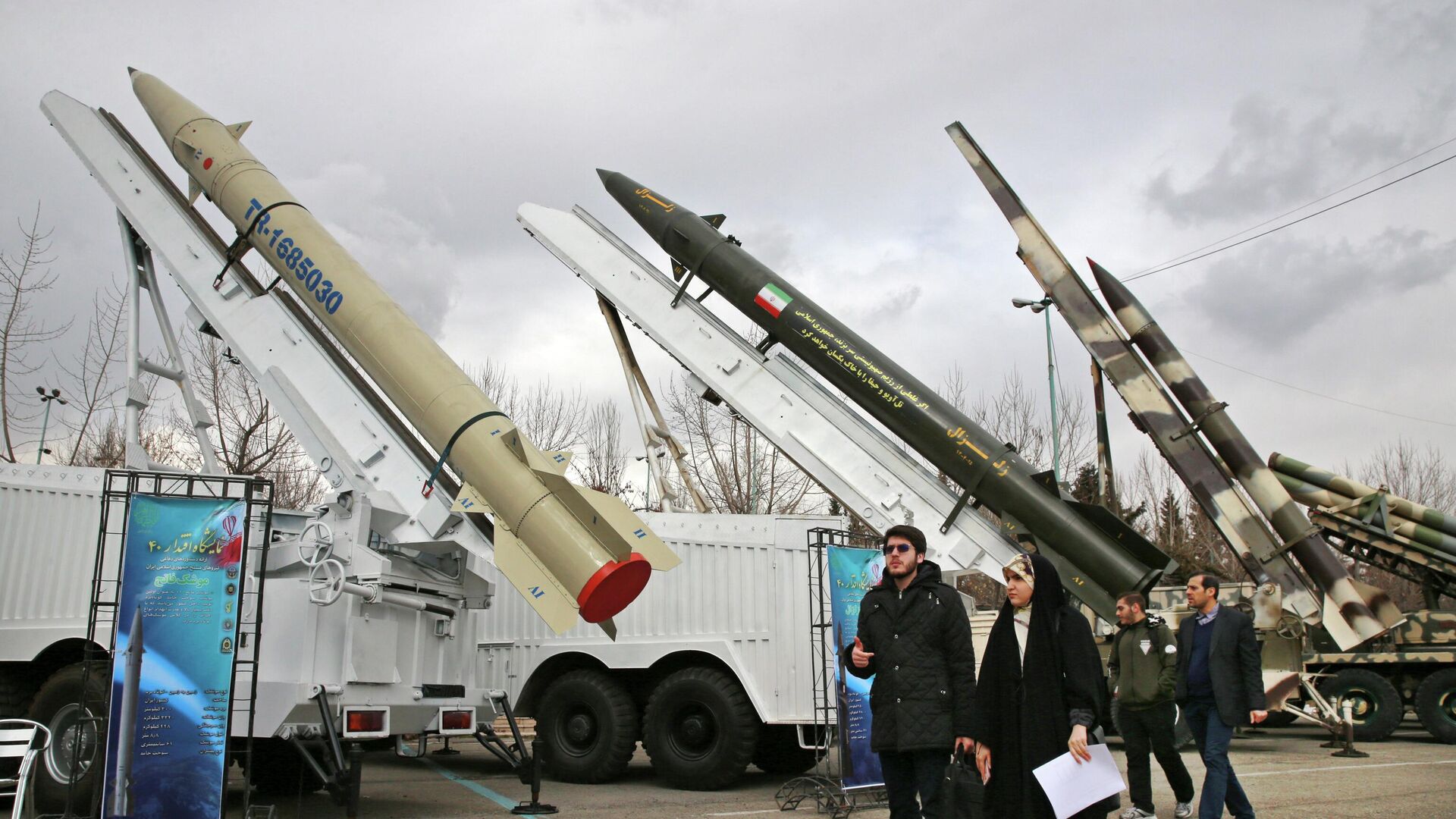
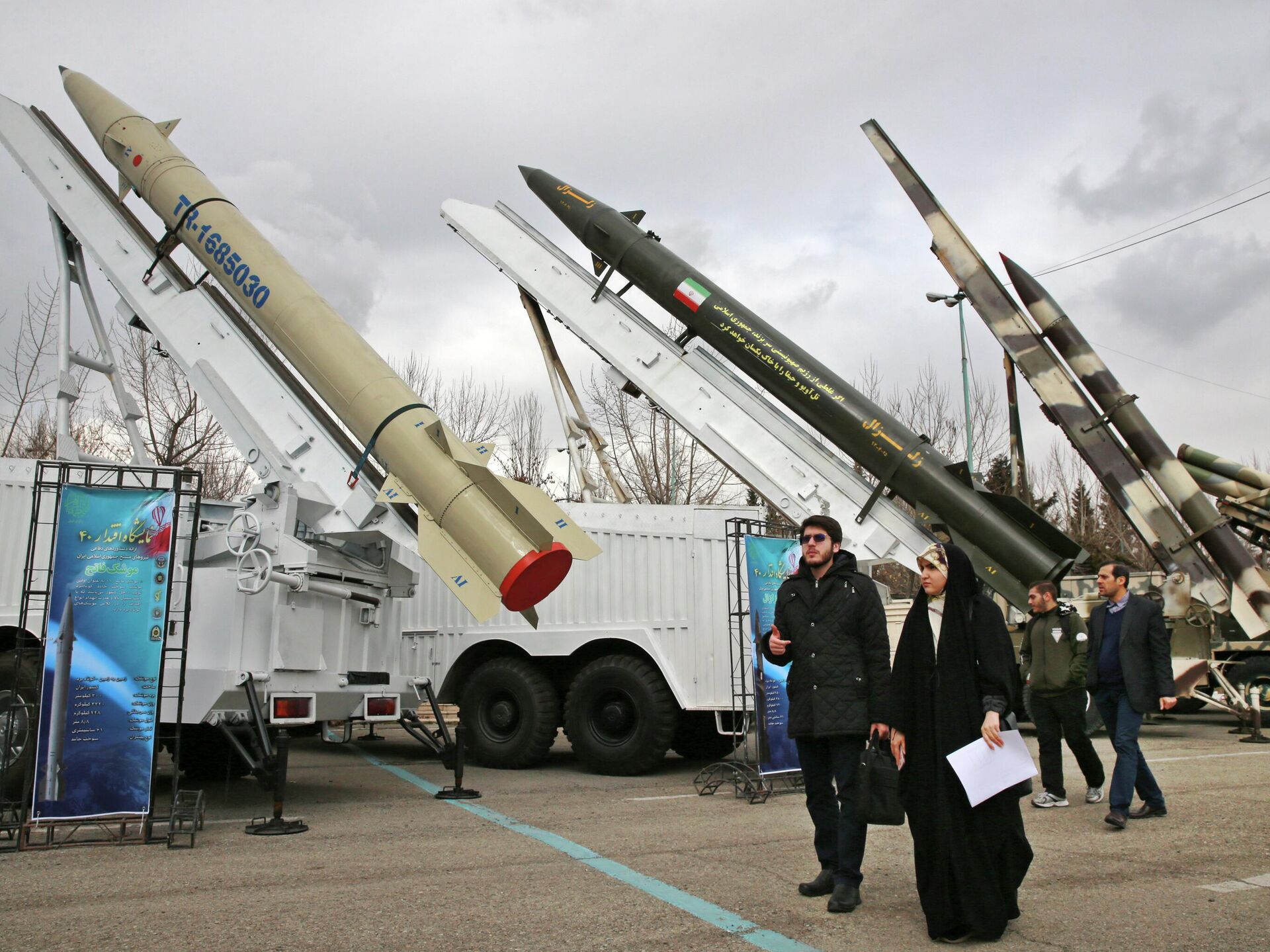
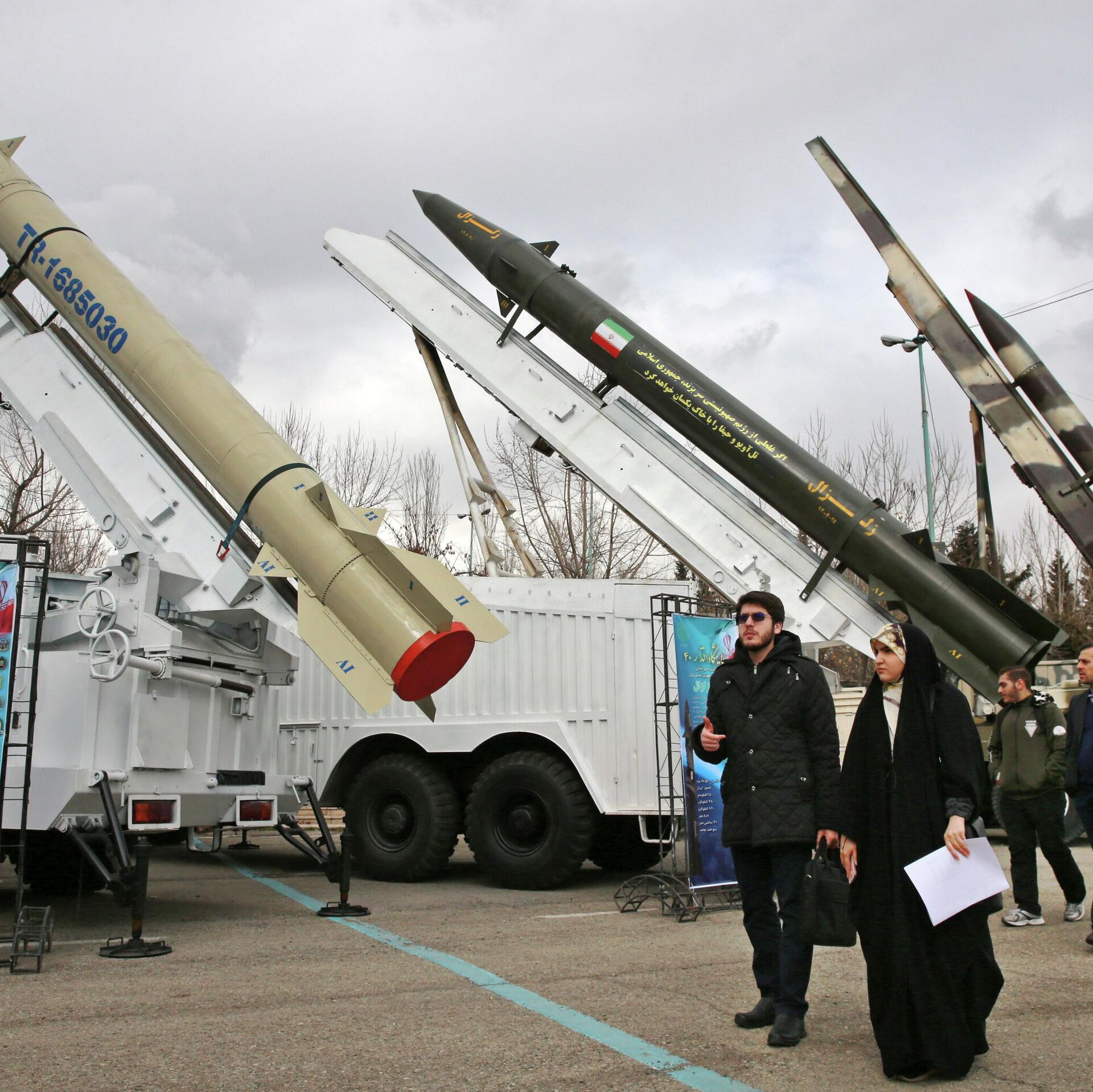
“Iran launched a project to strengthen its defense. It developed indigenous technologies. It focused on building drones and missiles and creating underground bases to protect those drones and missiles,” the expert explained.
Iran’s strategy has been shaped both by its own experiences and by the painful lessons learned from others.
Its strength, Marandi noted, is rooted in thousands of years of uninterrupted heritage that defines Iran not merely as a country but as a civilizational state.
Religious ideology and tradition also motivate resistance against foreign invaders.
“I believe the environment created by all these factors has sharpened the spirit of resistance in Iran,” Marandi concluded.