https://sputniknews.in/20260509/how-soviet-victory-over-nazi-germany-accelerated-global-decolonisation-10874441.html
How Soviet Victory Over Nazi Germany Accelerated Global Decolonisation
How Soviet Victory Over Nazi Germany Accelerated Global Decolonisation
Sputnik India
World War II was not only the deadliest military conflict in human history, but also a turning point that reshaped the global political order. The defeat of... 09.05.2026, Sputnik India
2026-05-09T15:57+0530
2026-05-09T15:57+0530
2026-05-09T18:21+0530
sputnik opinion
jawaharlal nehru
india
germany
europe
colonial rule
colonial mindset
colonialism
cold war
world war ii
https://cdn1.img.sputniknews.in/img/07ea/05/09/10879202_0:253:2739:1794_1920x0_80_0_0_4ba7d7376dc91986997c739b45a2ad32.jpg
the contribution of the USSR to the Allied victory is frequently understated in Western historical narratives, despite the enormous sacrifices made by the Soviet people during the war, according to Sucheta Mahajan, retired professor of modern and contemporary Indian history at Jawaharlal Nehru University, New Delhi.Mahajan, a retired professor of modern and contemporary Indian history at Jawaharlal Nehru University in New Delhi, said the contribution of the USSR to the Allied victory is frequently understated in Western historical narratives, despite the enormous sacrifices made by the Soviet people during the war.“Whether it is in popular cinema or media or in serious historical writing there is a tendency to focus on the role of the US and the European countries, particularly France and Britain, in bringing about this victory,” Mahajan said.She argued that political developments after 1945, particularly the onset of the Cold War, contributed to the marginalization of the Soviet role in mainstream historical scholarship.The Soviet Union bore the brunt of the fighting on the Eastern Front, suffering an estimated 27 million deaths during the war. Historians widely regard the Battle of Stalingrad, fought between 1942 and 1943, as one of the conflict’s major turning points. The defeat forced Nazi Germany into retreat and paved the way for the Red Army’s advance through Eastern Europe toward Berlin.“If we look at the period of the war, then the reverses suffered by Nazi Germany can be traced back to the huge sacrifices made by the Soviet people in what is known as the famous Battle of Stalingrad,” Mahajan said. “It’s after that, that Nazi Germany had to retreat.”She added that Soviet troops played “a very seminal role in the defeat of the Nazi armed forces” during the final stages of the war.According to Mahajan, the implications of the Soviet victory extended far beyond Europe. The weakening of the fascist powers and the broader crisis facing European empires after the war created favorable conditions for anti-colonial movements worldwide.Mahajan pointed to the role of the Communist International, which advocated the right of colonized peoples to self-determination and supported anti-imperialist struggles globally. In India, these ideas resonated strongly among sections of the national movement.She highlighted the involvement of Jawaharlal Nehru, India’s first prime minister and a leading figure in the independence struggle, in international anti-imperialist initiatives during the 1920s.The Second World War severely weakened Britain economically and militarily, undermining its ability to maintain control over its colonies. At the same time, anti-colonial resistance intensified inside India, culminating in independence in 1947.India’s independence became a major catalyst for decolonization across the wider colonial world. Over the following decades, European empires rapidly unraveled throughout Asia, the Middle East, and Africa.“The independence of India then became a signal for decolonization movements in Asia,” Mahajan said. “And then, of course, it spread to Africa, where virtually within a decade… almost all the important colonies of the imperial powers had gained independence.”
https://sputniknews.in/20260508/resurrecting-hitler-lavrov-slams-revisionist-surge-among-eu-politicians-10872935.html
india
germany
europe
Sputnik India
feedback.hindi@sputniknews.com
+74956456601
MIA „Rossiya Segodnya“
2026
Sputnik India
feedback.hindi@sputniknews.com
+74956456601
MIA „Rossiya Segodnya“
News
en_IN
Sputnik India
feedback.hindi@sputniknews.com
+74956456601
MIA „Rossiya Segodnya“
Sputnik India
feedback.hindi@sputniknews.com
+74956456601
MIA „Rossiya Segodnya“
jawaharlal nehru, india, germany, europe, colonial rule, colonial mindset, colonialism, cold war, world war ii
jawaharlal nehru, india, germany, europe, colonial rule, colonial mindset, colonialism, cold war, world war ii
How Soviet Victory Over Nazi Germany Accelerated Global Decolonisation
15:57 09.05.2026 (Updated: 18:21 09.05.2026) World War II was not only the deadliest military conflict in human history, but also a turning point that reshaped the global political order. The defeat of Nazi Germany in 1945 ended fascist expansion in Europe and weakened the old imperial powers that had dominated vast colonial territories across Asia, Africa, and the Middle East.
the contribution of the USSR to the Allied victory is frequently understated in Western historical narratives, despite the enormous sacrifices made by the Soviet people during the war, according to Sucheta Mahajan, retired professor of modern and contemporary Indian history at Jawaharlal Nehru University, New Delhi.
Mahajan, a retired professor of modern and contemporary Indian history at Jawaharlal Nehru University in New Delhi, said the contribution of the USSR to the Allied victory is frequently understated in Western historical narratives, despite the enormous sacrifices made by the Soviet people during the war.
“Whether it is in popular cinema or media or in serious historical writing there is a tendency to focus on the role of the US and the European countries, particularly France and Britain, in bringing about this victory,” Mahajan said.
She argued that political developments after 1945, particularly the onset of the Cold War, contributed to the marginalization of the Soviet role in mainstream historical scholarship.
“For political reasons, because of the beginning of the Cold War… the very crucial intervention of the USSR in the war and the extremely glorious role that they played in the defeat of the Nazis tends to be ignored,” she noted.
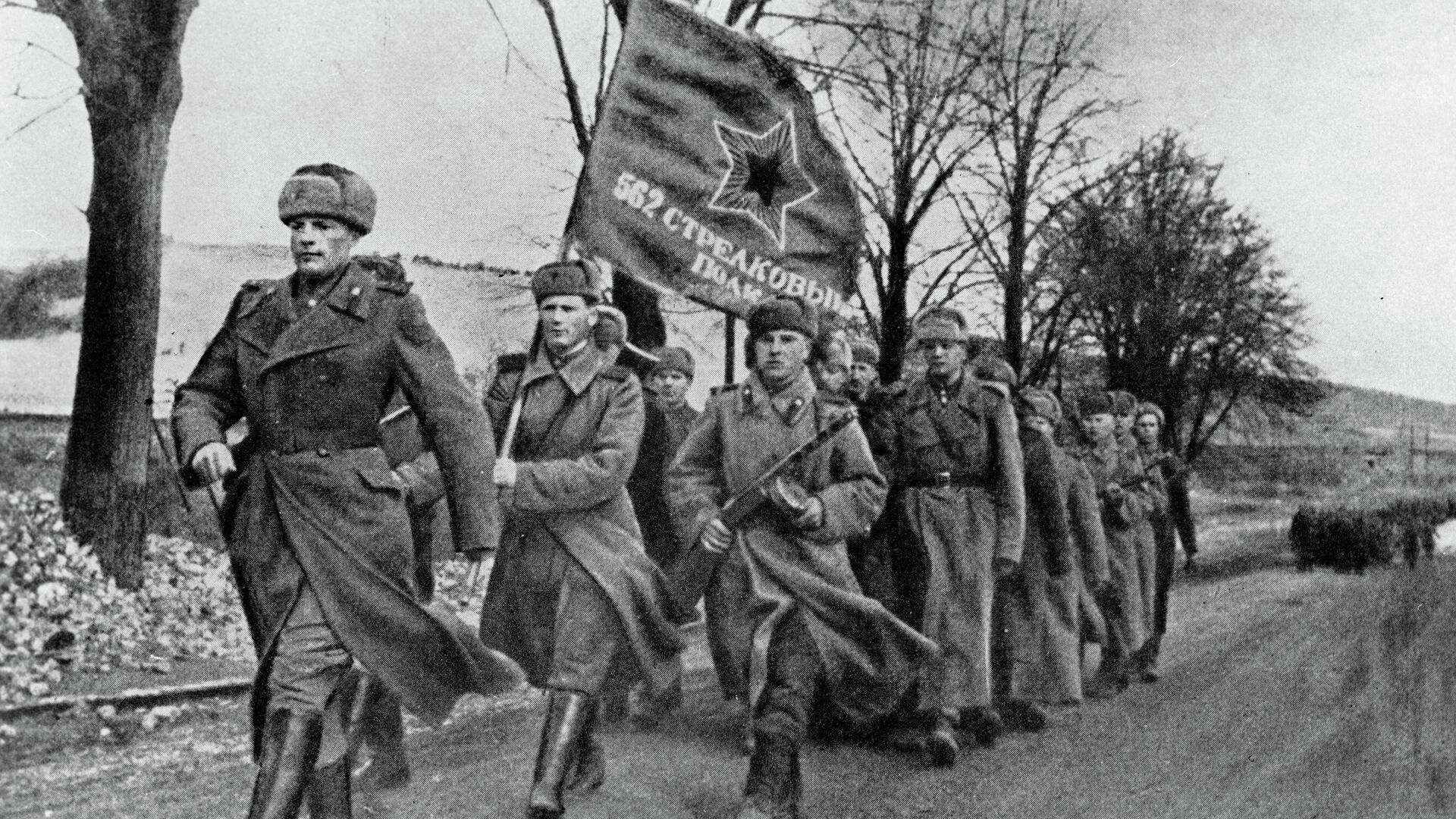
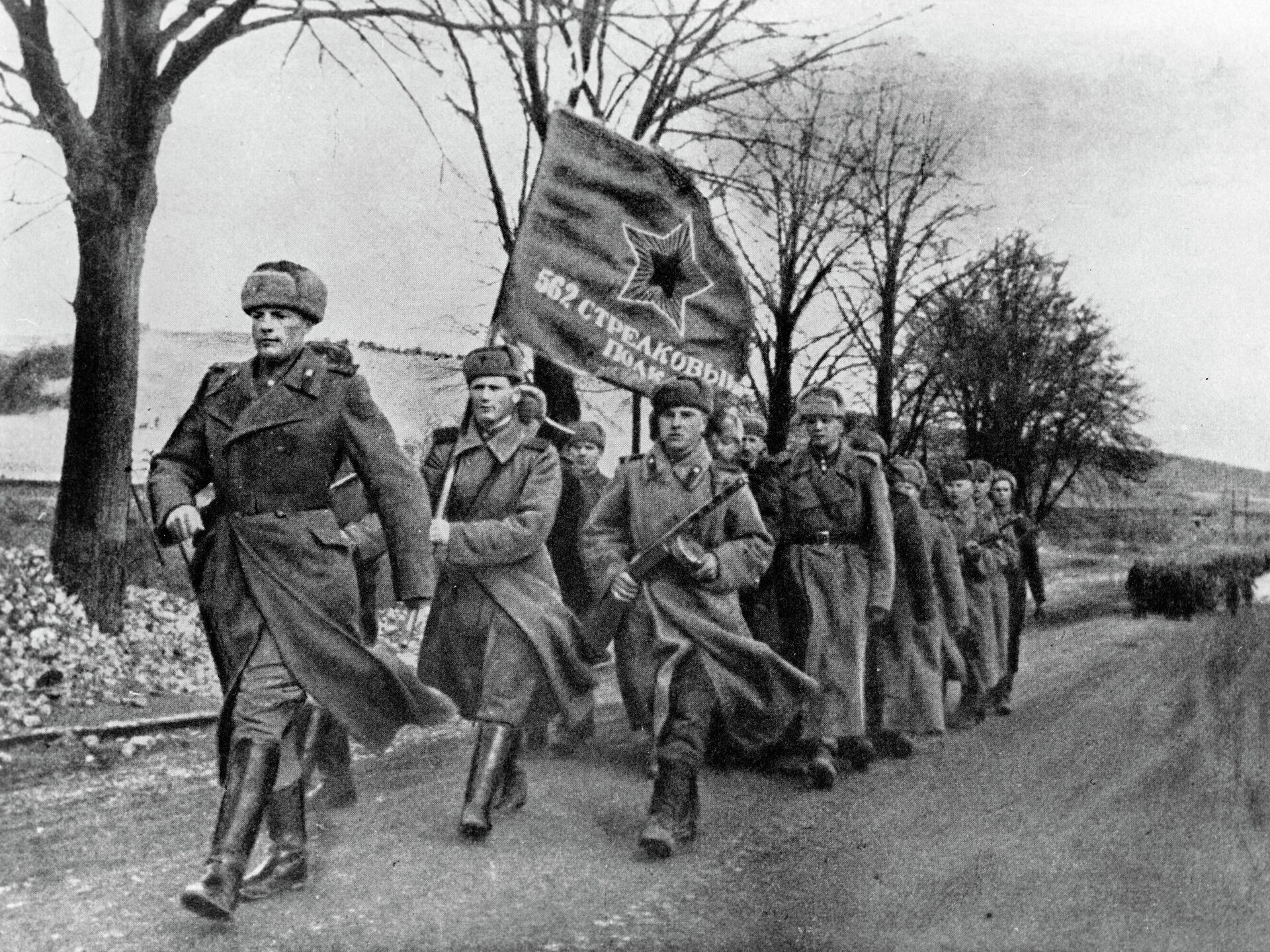
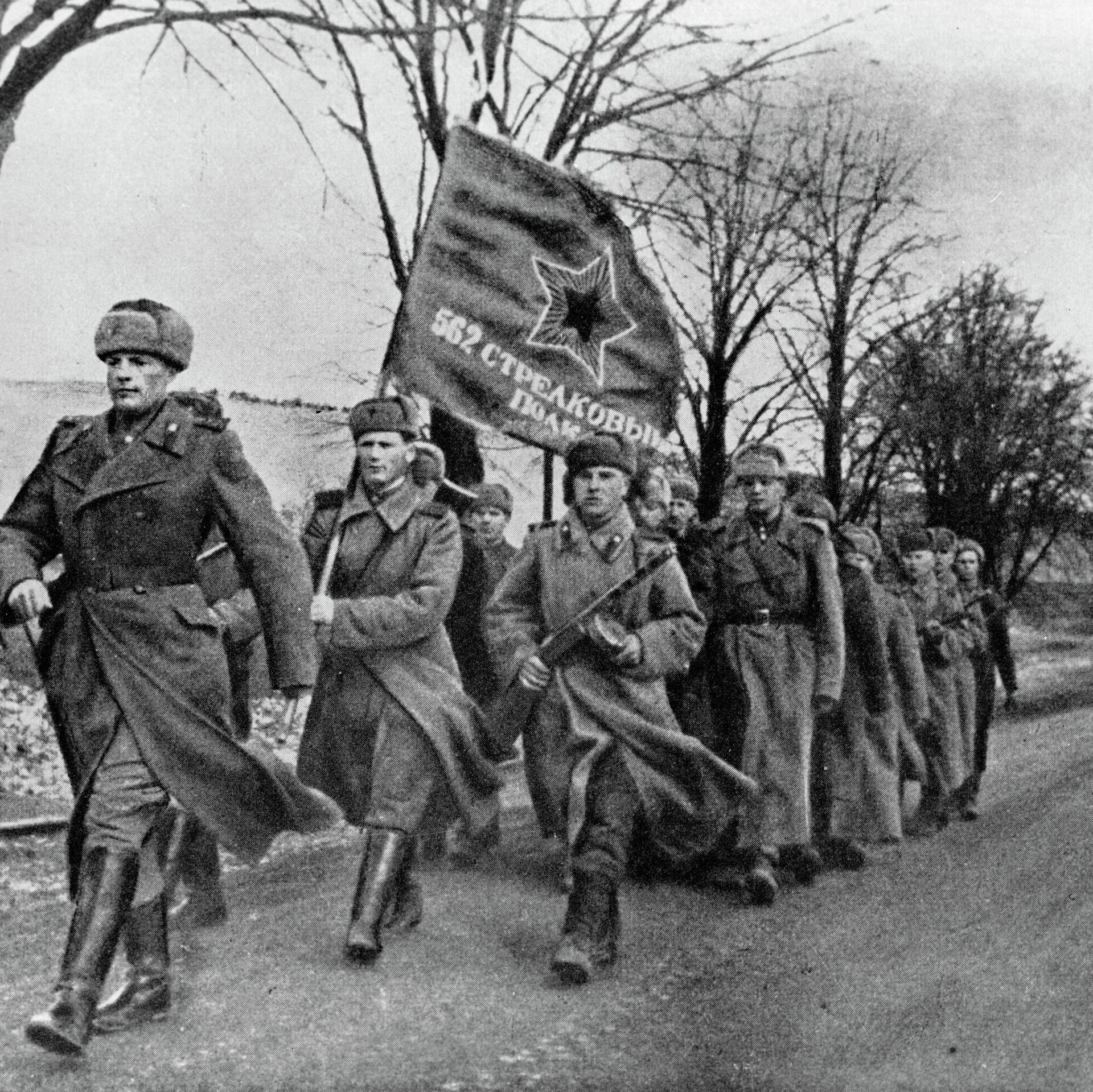
The Soviet Union bore the brunt of the fighting on the Eastern Front, suffering an estimated 27 million deaths during the war. Historians widely regard the Battle of Stalingrad, fought between 1942 and 1943, as one of the conflict’s major turning points. The defeat forced Nazi Germany into retreat and paved the way for the Red Army’s advance through Eastern Europe toward Berlin.
“If we look at the period of the war, then the reverses suffered by Nazi Germany can be traced back to the huge sacrifices made by the Soviet people in what is known as the famous Battle of Stalingrad,” Mahajan said. “It’s after that, that Nazi Germany had to retreat.”
She added that Soviet troops played “a very seminal role in the defeat of the Nazi armed forces” during the final stages of the war.
According to Mahajan, the implications of the Soviet victory extended far beyond Europe. The weakening of the fascist powers and the broader crisis facing European empires after the war created favorable conditions for anti-colonial movements worldwide.
“As far as decolonization goes, the role of the USSR was particularly crucial because the USSR had supported the cause of independence of the colonies from virtually the time of its formation,” she said.
Mahajan pointed to the role of the Communist International, which advocated the right of colonized peoples to self-determination and supported anti-imperialist struggles globally. In India, these ideas resonated strongly among sections of the national movement.
She highlighted the involvement of Jawaharlal Nehru, India’s first prime minister and a leading figure in the independence struggle, in international anti-imperialist initiatives during the 1920s.
“Jawaharlal Nehru… had visited the Soviet Union in the late 20s and [attended] the League Against Imperialism conference in Brussels in 1927,” Mahajan said. “From that time on, the pro-socialist and anti-fascist stance of Indian anti-imperialist leadership was something which was very well known.”
The Second World War severely weakened Britain economically and militarily, undermining its ability to maintain control over its colonies. At the same time, anti-colonial resistance intensified inside India, culminating in independence in 1947.
“It was only the blow that was dealt to the British economy in this period, and more than that the blow which was dealt by the popular movements and national movement in India to the colonial state… which forced Britain’s hand,” Mahajan explained.
India’s independence became a major catalyst for decolonization across the wider colonial world. Over the following decades, European empires rapidly unraveled throughout Asia, the Middle East, and Africa.
“The independence of India then became a signal for decolonization movements in Asia,” Mahajan said. “And then, of course, it spread to Africa, where virtually within a decade… almost all the important colonies of the imperial powers had gained independence.”