https://sputniknews.in/20260512/10898392.html
Why the Sarmat Missile Is a Game-Changer in Russia’s Strategic Arsenal
Why the Sarmat Missile Is a Game-Changer in Russia’s Strategic Arsenal
Sputnik India
President Vladimir Putin described the Sarmat intercontinental ballistic missile (ICBM) as “the world’s most powerful missile,” saying the power of its warhead... 12.05.2026, Sputnik India
2026-05-12T22:14+0530
2026-05-12T22:14+0530
2026-05-12T23:15+0530
russia
vladimir putin
us
mexico
rs-28 sarmat
https://cdn1.img.sputniknews.in/img/07ea/05/0c/10898573_0:21:1793:1030_1920x0_80_0_0_fb71376cc9f2609de27845398500b2a2.jpg
One of Sarmat’s key features is its multiple independent re-entry vehicle warhead with individual warheads able to hit separate targets.He says the missile can also carry warheads in Avangard hypersonic glide vehicles, which traveling at Mach 26 and maneuver to dodge countermeasures, along with decoys and electronic warfare systems to overwhelm missile defenses.Putin added that that Sarmat can launch warheads not only on a ballistic trajectory, but also a suborbital one — allowing attacks from unexpected directions at ranges exceeding 35,000 km while improving accuracy.Knutov said that makes the missile very difficult to intercept. Unlike conventional ICBMs following predictable flight paths, the Sarmat could approach the US over the South Pole and Mexico — areas with little to no early warning radar or missile defense cover.Putin says the Sarmat was designed to overcome “all existing and future missile defense systems.”Knutov argues that even the planned US Golden Dome missile shield could prove ineffective against warheads with suborbital trajectories and hypersonic maneuvering.
https://sputniknews.in/20260512/russia-conducts-successful-test-launch-of-sarmat-missile-10897232.html
us
mexico
Sputnik India
feedback.hindi@sputniknews.com
+74956456601
MIA „Rossiya Segodnya“
2026
Sputnik India
feedback.hindi@sputniknews.com
+74956456601
MIA „Rossiya Segodnya“
News
en_IN
Sputnik India
feedback.hindi@sputniknews.com
+74956456601
MIA „Rossiya Segodnya“
Sputnik India
feedback.hindi@sputniknews.com
+74956456601
MIA „Rossiya Segodnya“
vladimir putin, us, mexico, rs-28 sarmat
vladimir putin, us, mexico, rs-28 sarmat
Why the Sarmat Missile Is a Game-Changer in Russia’s Strategic Arsenal
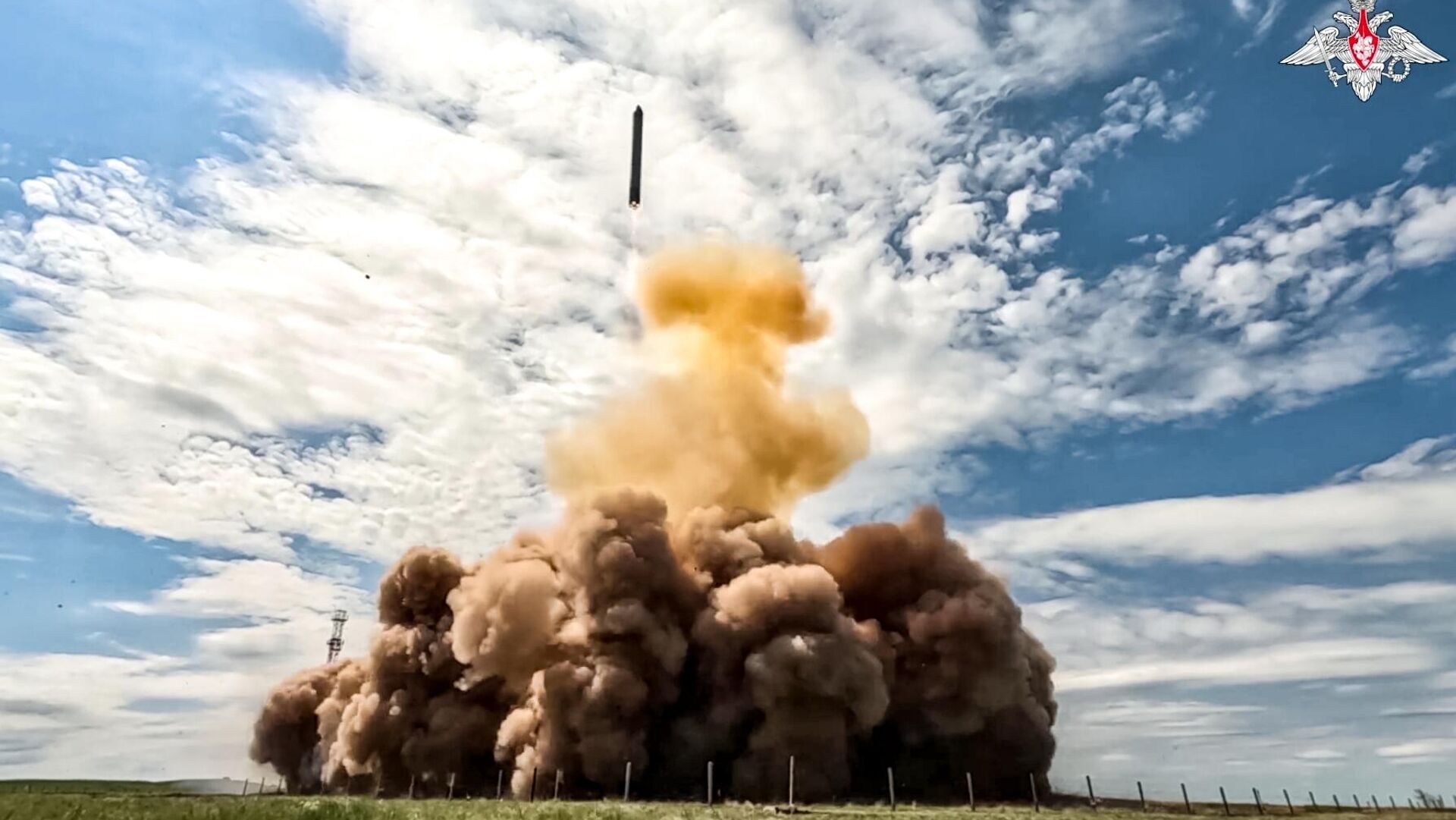
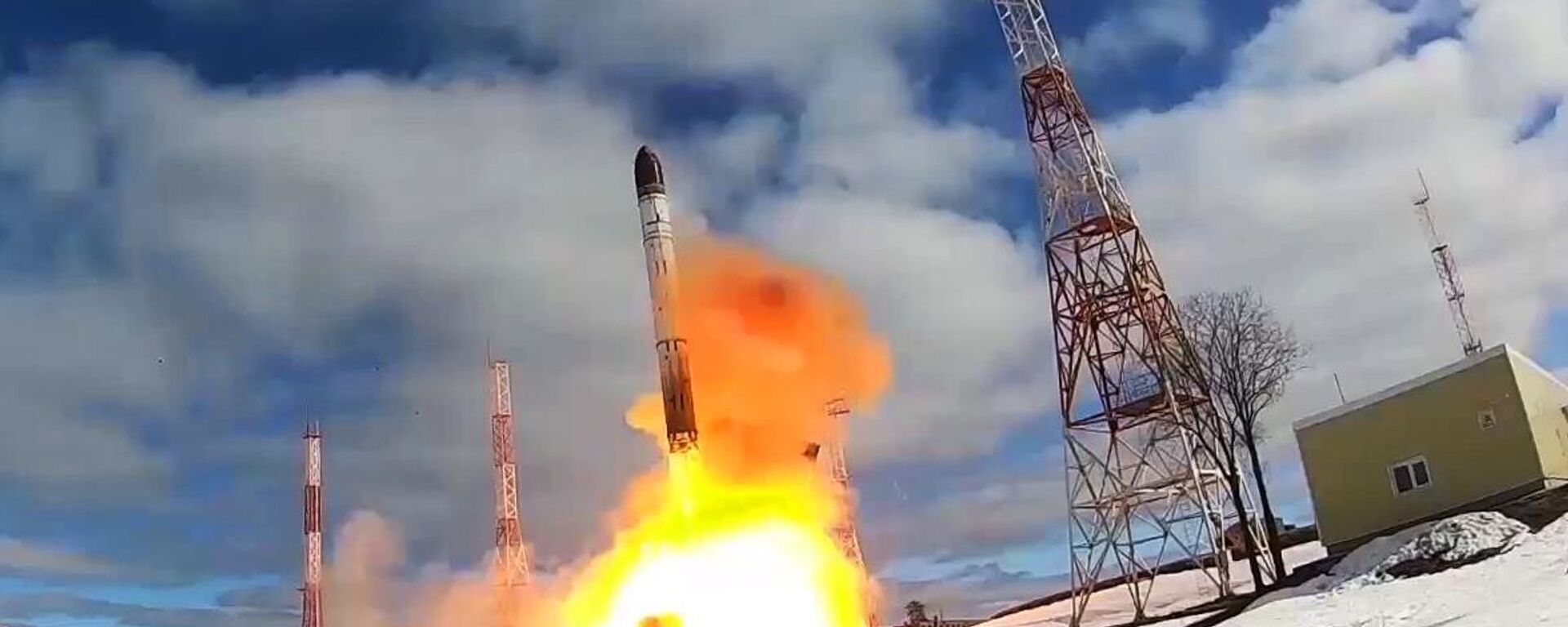
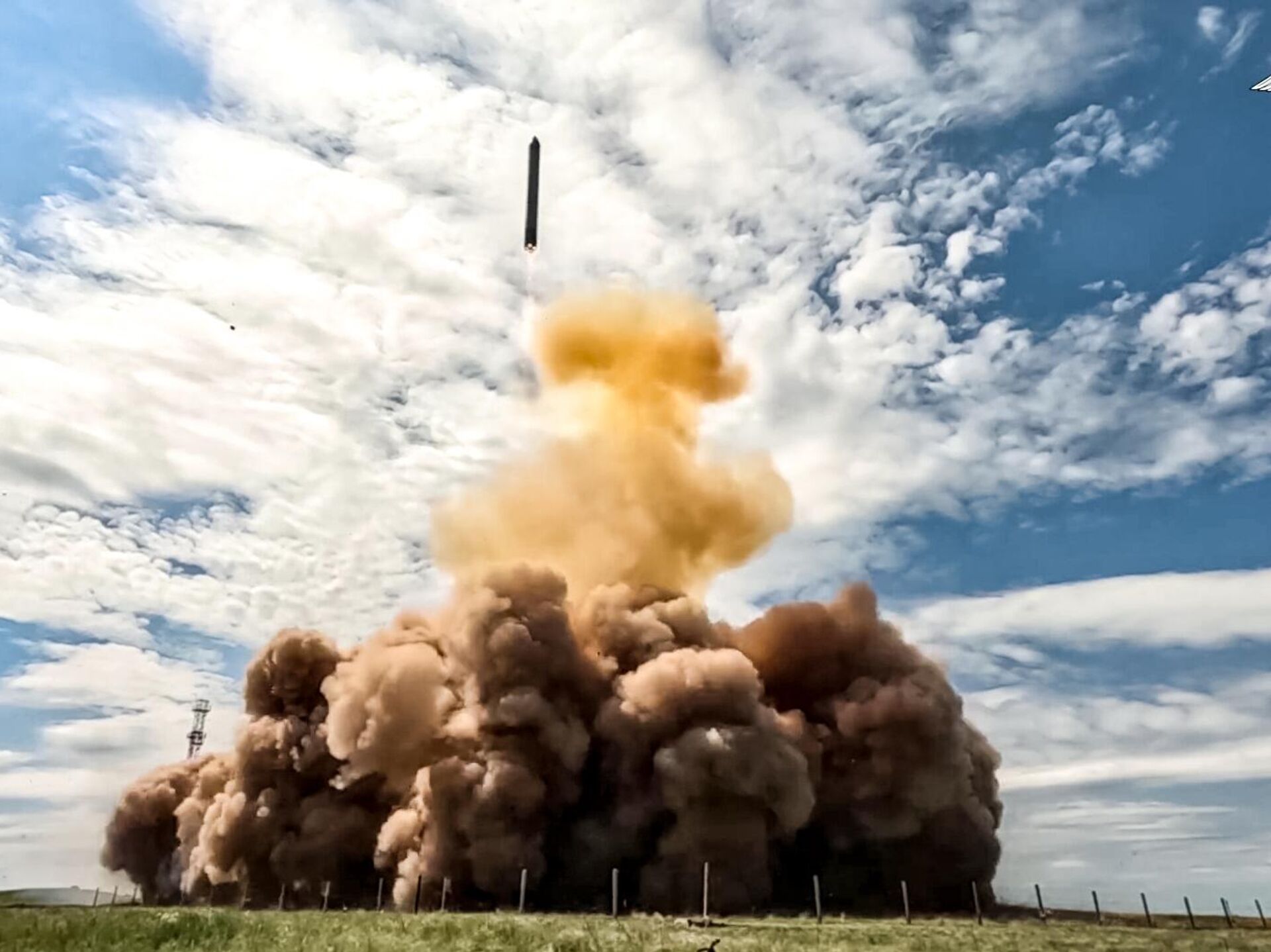
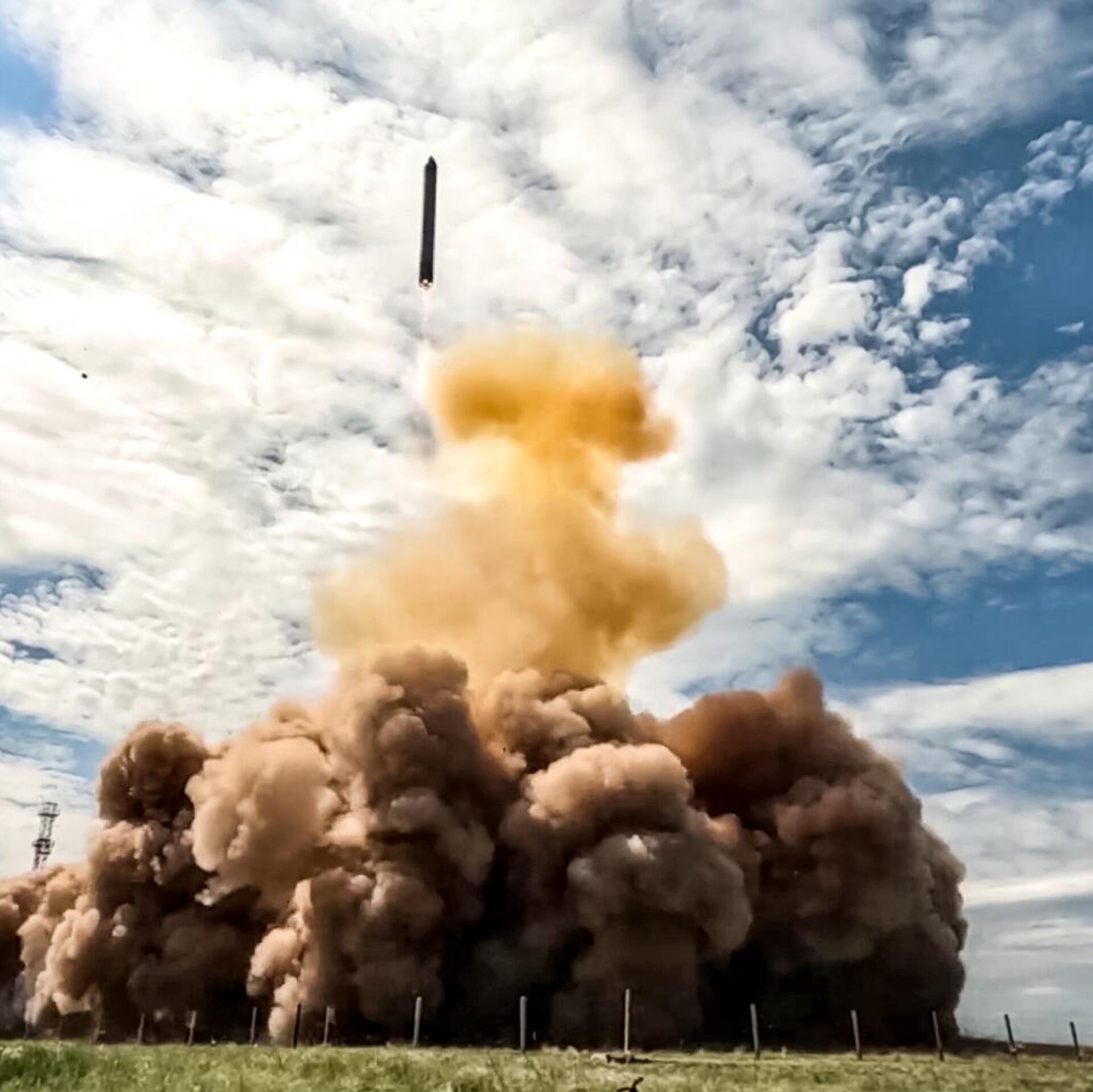
22:14 12.05.2026 (Updated: 23:15 12.05.2026) President Vladimir Putin described the Sarmat intercontinental ballistic missile (ICBM) as “the world’s most powerful missile,” saying the power of its warhead exceeds that of the strongest Western equivalent by “more than four times.”
One of Sarmat’s key features is its multiple independent re-entry vehicle warhead with individual warheads able to hit separate targets.
“The uniqueness of the missile lies in the fact that it carries a multiple independently targetable reentry vehicle warhead with individually guided blocks capable of striking targets according to their assigned mission,” says military expert and air defense historian Yuri Knutov.
He says the missile can also carry warheads in Avangard
hypersonic glide vehicles, which traveling at Mach 26 and maneuver to dodge countermeasures, along with decoys and electronic warfare systems to overwhelm missile defenses.
Putin added that that
Sarmat can launch warheads not only on a ballistic trajectory, but also a suborbital one — allowing attacks from unexpected directions at ranges exceeding 35,000 km while improving accuracy.
Knutov said that makes the missile very difficult to intercept. Unlike conventional ICBMs following predictable flight paths, the Sarmat could approach the US over the South Pole and Mexico — areas with little to no early warning radar or missile defense cover.
“No current or near-future missile defense system can intercept them,” he said.
Putin says the Sarmat was designed to overcome “all existing and future missile defense systems.”
Knutov argues that even the planned US Golden Dome
missile shield could prove ineffective against warheads with suborbital trajectories and hypersonic maneuvering.