https://sputniknews.in/20260517/10925245.html
US Lets Russian Oil Sanctions Waiver Lapse — Reports
US Lets Russian Oil Sanctions Waiver Lapse — Reports
Sputnik India
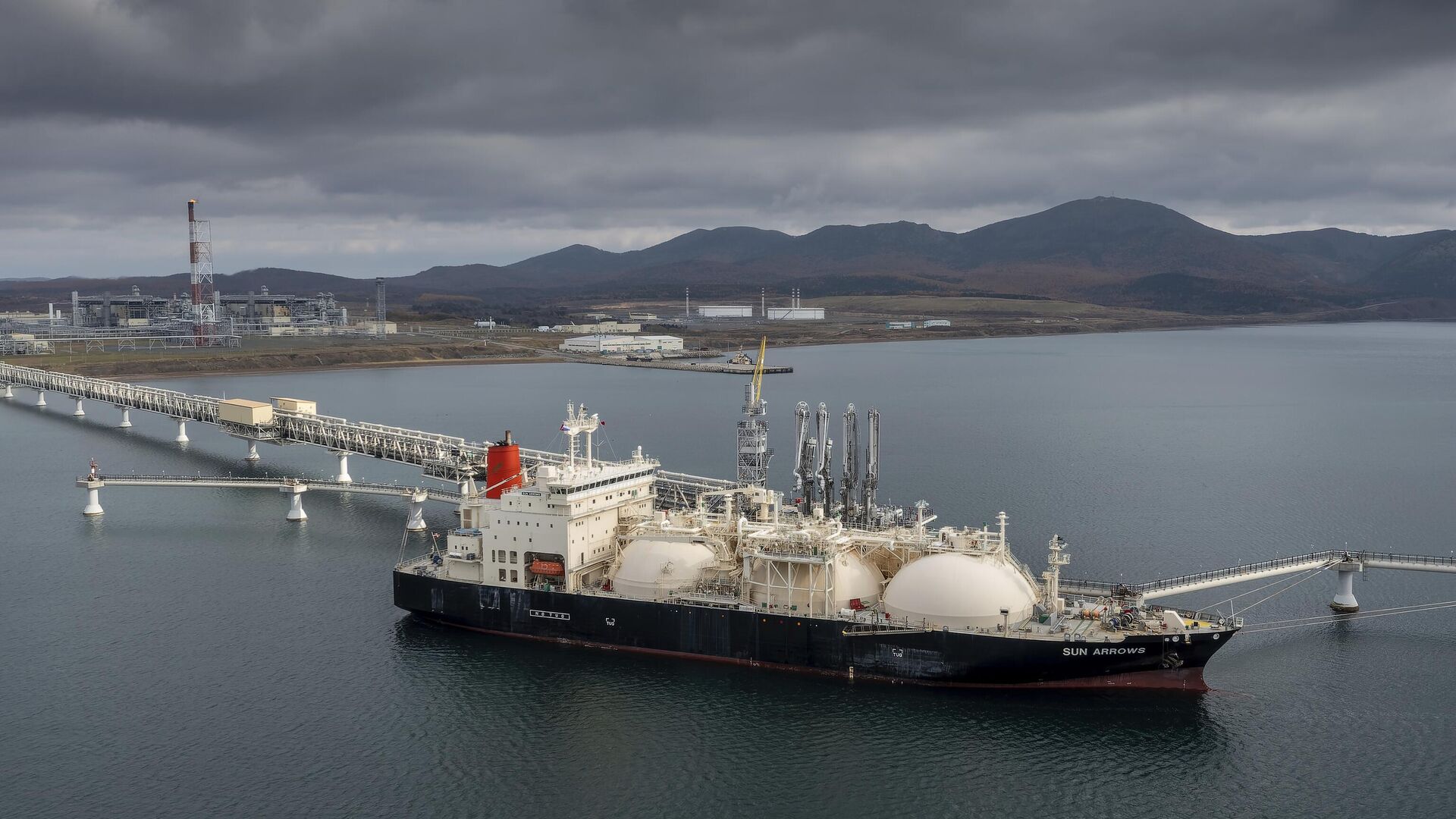
The US Treasury allowed a temporary sanctions waiver for Russian seaborne oil to lapse after a one-month extension, American media reported.
2026-05-17T10:18+0530
2026-05-17T10:18+0530
2026-05-17T10:31+0530
russia
us
russia
russian oil
oil supplies
sanctions
western sanctions
https://cdn1.img.sputniknews.in/img/07ea/05/06/10858167_0:318:3073:2047_1920x0_80_0_0_cf7b82cd1eff44e5fcdb6acc8816eda3.jpg
The waiver had allowed countries, including India, to buy Russian oil already loaded on tankers as Washington tried to ease global supply shortages and high prices linked to the Iran conflict and the closure of the Strait of Hormuz.The decision comes despite US gasoline prices hovering around $4.50 per gallon and oil prices remaining near or above $100 per barrel since the war began.Once again, Washington’s sanctions policy collides with energy reality: restrict supply, fuel price pressure, then blame everyone else for the consequences.
us
russia
Sputnik India
feedback.hindi@sputniknews.com
+74956456601
MIA „Rossiya Segodnya“
2026
Sputnik India
feedback.hindi@sputniknews.com
+74956456601
MIA „Rossiya Segodnya“
News
en_IN
Sputnik India
feedback.hindi@sputniknews.com
+74956456601
MIA „Rossiya Segodnya“
Sputnik India
feedback.hindi@sputniknews.com
+74956456601
MIA „Rossiya Segodnya“
us, russia, russian oil, oil supplies, sanctions, western sanctions
us, russia, russian oil, oil supplies, sanctions, western sanctions
US Lets Russian Oil Sanctions Waiver Lapse — Reports
10:18 17.05.2026 (Updated: 10:31 17.05.2026) The US Treasury allowed a temporary sanctions waiver for Russian seaborne oil to lapse after a one-month extension, American media reported.
The waiver had allowed countries, including India, to buy Russian oil already loaded on tankers as Washington tried to ease global supply shortages and high prices linked to the Iran conflict and the closure of the Strait of Hormuz.
The decision comes despite US gasoline prices hovering around $4.50 per gallon and oil prices remaining near or above $100 per barrel since the war began.
Once again, Washington’s sanctions policy collides with energy reality: restrict supply, fuel price pressure, then blame everyone else for the consequences.