https://sputniknews.in/20260603/europe-lost-the-war-and-acts-dangerously-11097350.html
Europe Lost The War And Acts Dangerously
Europe Lost The War And Acts Dangerously
Sputnik India
Russian political pundits sit back and watch the show: Europe, trying in vain to select a representative for a dialogue with Russia. It appears that the EU got... 03.06.2026, Sputnik India
2026-06-03T16:01+0530
2026-06-03T16:01+0530
2026-06-03T16:01+0530
sputnik opinion
russia
europe
moscow
european union (eu)
https://cdn1.img.sputniknews.in/img/07ea/06/03/11097336_0:0:3072:1728_1920x0_80_0_0_80ba905a7f7b17c4f4b0451489991848.jpg
First, there were the Germans, namely the retired Chancellors (Prime Ministers) Angela Merkel and Gerhard Shroeder, but their candidacies have been angrily declined in Brussels, where the pan-European bureaucracy is. Name of the current German President, Frank-Walter Steinmeier, have also dropped from discussions without much ado. No, the Germans cannot talk to Russians, the verdict seems to be.The Finns and Italians are the current favorites. The President of Finland Alexander Stubb and ex-PM of Italy Mario Draghi have been repeatedly mentioned as candidates. Says one of the columnists of The Expert (Moscow): Europeans are currently choosing between traditional Finnish evasive pragmatism and Italian cool benevolence. Both nations have profited from their previous good ties with the USSR before 1991 and with Russia after 1991, so some folks there may remember fondly the way it was.My take is, Russia and own mistakes have split Europe into at least three camps, according to the seas they border. The northern nations along the Baltic coast are traditionally anti-Russian, while the blue Mediterranean waves seem to make South Europeans much nicer. And do not forget something complicated called the Eastern Europe.But then, there is another way to approach the subject. The war against Russia plus other misfortunes have crushed political systems in Germany, England and France. At the looks of it, all the mentioned three governments are about to crumble down, with the future basic rules of their lands to be somewhat ideologically different from the current ones. So, all in all, a possible top-level discussion with Russia about the basics of the future existence of all of Europe seems to be pointless now.Says Gevorg Mirzayan, a TV personality and a columnist for all kind of resources: these Europeans cannot decide the basic things about negotiations with Moscow, like why should they talk to Moscow, talk about what, when to do it and who may do it. I’d add to it one more basic point: who won the war? Europeans cannot even say out loud that it was definitely not them. And if not them, then who did? The obvious answer is scaring all the Eurobureacracy in Brussels and many other people.So, how did they lose that war, and what kind of negotiations may be appropriate?There is virtually no discussion in Russia about the nature and the history of the current war. Only details may differ. It seems to be obvious that the attempts to change the regime in Moscow by pressing it into submission began in about 2010. The American Democrats were the main driving force of that policy.Then Ukraine was chosen as the main tool of pressure on Russia, since that nation has engulfed itself into a civil war after the coup of 2014, when the Russian nature and orientation of East Ukraine brought it into a violent clash with the pro-Western extremists, grabbing power in Kiev.There were attempts to provoke Moscow into direct participation in that conflict even in 2014, with “international isolation” as a constant threat in that case. The provocations failed in 2014, but the preparations of outright massive attack in 2021-2022 pushed Moscow into an unexpected decision to yield to these provocations, by attacking the armies of invasion.And that was the base for the Russian victory, since adversary’s main weapon, economic sanctions, failed to isolate and harm Russia and, instead, started the current crisis of the West. That crisis took an unexpected turn, when the new American administration got tired of the protracted war and attempted to bring Europe to negotiations table, failed in that and obviously lost interest in European affairs altogether.So, what now? One may envisage some preliminary conversations of diplomats from the warring sides, but the Russian experts tend to expect the worse. Namely, more incredible and unthinkable provocations from the West, aimed at making Russia to abandon its style of white-glove warfare, that never targets any civilian facilities in Ukraine.Unfortunately, provocations are what is happening almost daily. First, last month, there was a horrible case of Ukraine drones deliberately targeting dormitories of a college at Starobelsk, with more than twenty children killed in their sleep. Not many nations and their leadership would refrain from massive revenge in such cases, but Russia did just that.Then there are repeated Ukrainian strikes on the Zaporozhye nuclear power station, the recent ones taking place, again, last month. There are also arrests of Russian oil tankers and faked incidents on some unknown drones falling down here and there in Europe. In fact, Europeans are doing next to everything not just to drag the war on and on, but to make it even riskier.That reality compelled Mr. Dmitry Trenin, the respected foreign affairs expert and the acting head of the Russian International Affairs Council, to formulate his idea of “forever war” – the one that may last if not forever, than for more than ten years at the very least.Trenin’s concept presumes that the world has, long ago, entered a hybrid and protracted version of the Third World War. It differs from the second one, because the methods and technologies of waging wars are different today. In all cases and all over the world it is the war of attrition. The nations that are internally strong will withstand it, while the weaker and the smaller ones, showing signs of failed states, are doomed to fail. The fields of war are different from the ones you may expect. Economy and finance, technologies and commodities, information and psychology, cyberspace and interstellar space may all become and are, indeed, becoming the new and unexpected fields of that war.Russia, says Mr. Trenin, is in for more acts of war, which will be fought inside the society, and that’s where the biggest battle will take place even after the end of action in Ukraine.I may be not as famous as Mr. Trenin, whom I happen to know, but I might add that one of my favorite subjects is the same war for the minds, that I have been watching for decades already, and on global scale.The big idea of the bad people of the West is to change a human being as such, since the new technologies are giving new chances to do that. In that battle, anything goes, with powerful lobbies always opening yet other new fields of battle. It may be the medical or climate lobby, or the cyberwarriors, or anyone.Our chance for defeating these new world war dogs is in really strong nations, with resources big enough to withstand protracted pressure. India most certainly is generally able to withstand such onslaught. And then negotiators will come.Dmitry Kosyrev is a Russian writer, author of spy novels and short stories. He also did columns for the Pioneer and Firstpost.com
https://sputniknews.in/20260603/spief-2026-kicks-off-in-russias-saint-petersburg-11093244.html
russia
europe
moscow
Sputnik India
feedback.hindi@sputniknews.com
+74956456601
MIA „Rossiya Segodnya“
2026
News
en_IN
Sputnik India
feedback.hindi@sputniknews.com
+74956456601
MIA „Rossiya Segodnya“
Sputnik India
feedback.hindi@sputniknews.com
+74956456601
MIA „Rossiya Segodnya“
russia, europe, moscow, european union (eu)
russia, europe, moscow, european union (eu)
Europe Lost The War And Acts Dangerously
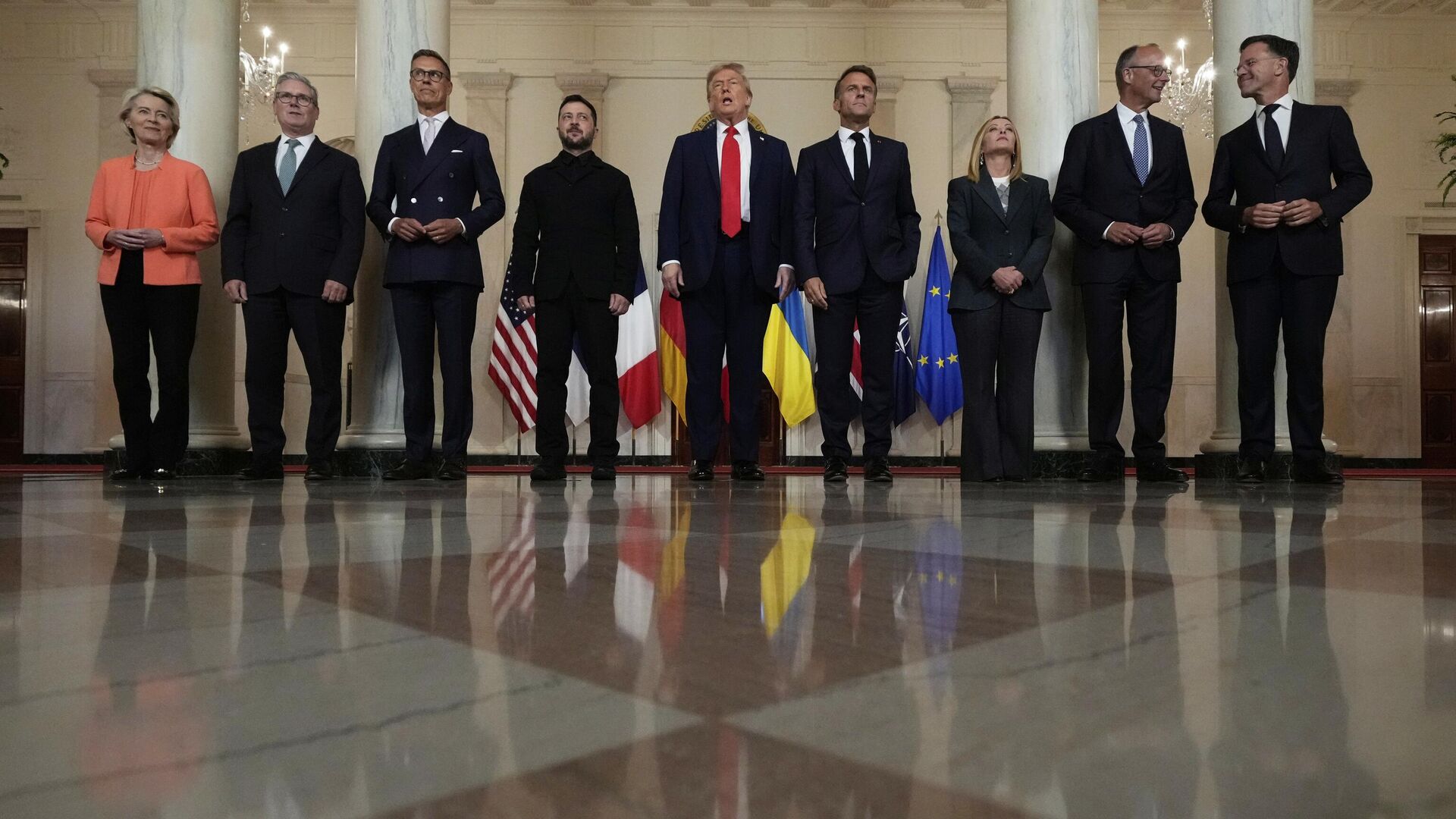
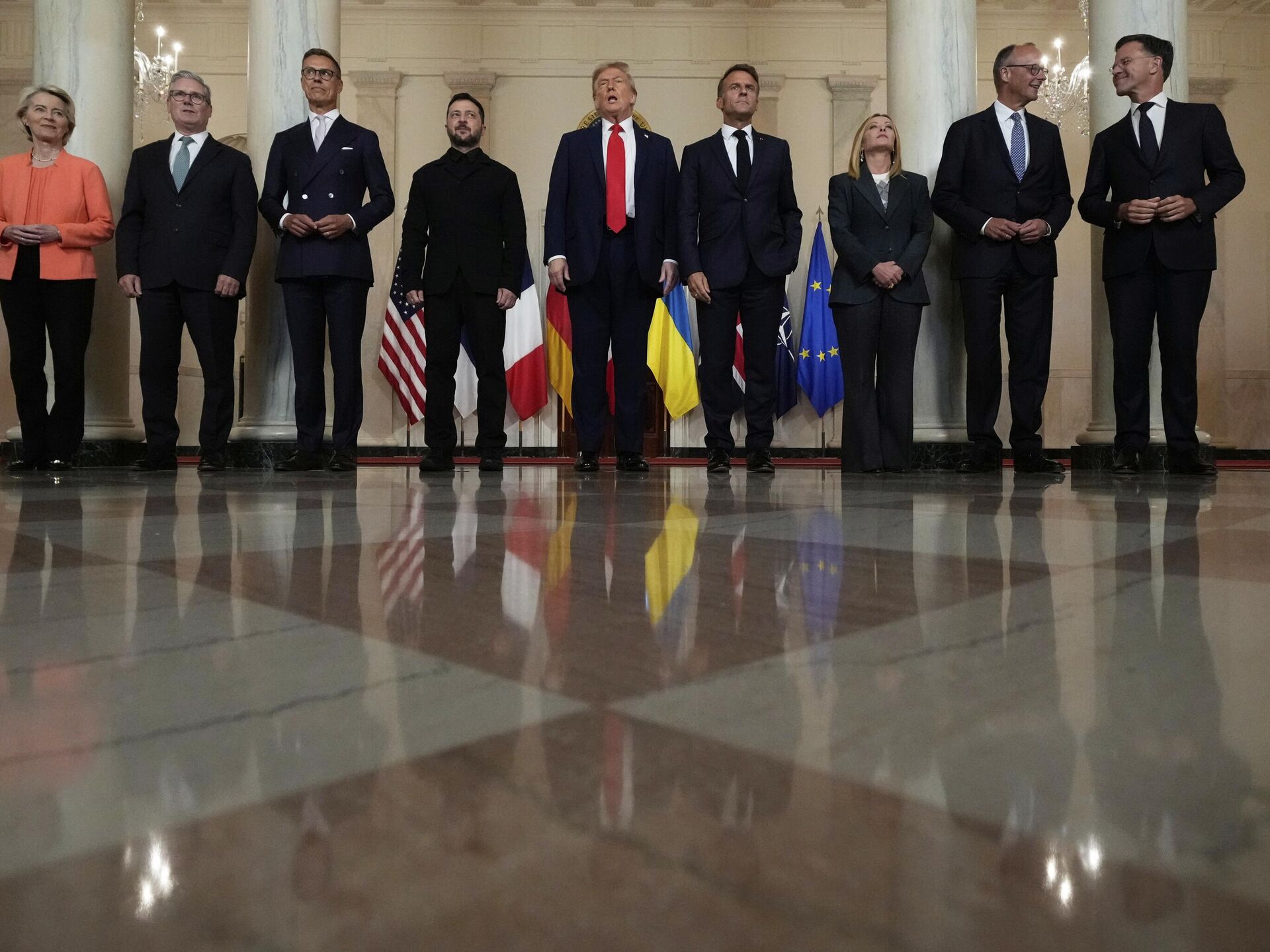
Russian political pundits sit back and watch the show: Europe, trying in vain to select a representative for a dialogue with Russia. It appears that the EU got stuck at the very first stage of the peace process, failing to find the right person to talk to Moscow.
First, there were the Germans, namely the retired Chancellors (Prime Ministers) Angela Merkel and Gerhard Shroeder, but their candidacies have been angrily declined in Brussels, where the pan-European bureaucracy is. Name of the current German President, Frank-Walter Steinmeier, have also dropped from discussions without much ado. No, the Germans cannot talk to Russians, the verdict seems to be.
The Finns and Italians are the current favorites. The President of Finland Alexander Stubb and ex-PM of Italy Mario Draghi have been repeatedly mentioned as candidates. Says one of the columnists of The Expert (Moscow): Europeans are currently choosing between traditional Finnish evasive pragmatism and Italian cool benevolence. Both nations have profited from their previous good ties with the USSR before 1991 and with Russia after 1991, so some folks there may remember fondly the way it was.
My take is, Russia and own mistakes have split Europe into at least three camps, according to the seas they border. The northern nations along the Baltic coast are traditionally anti-Russian, while the blue Mediterranean waves seem to make South Europeans much nicer. And do not forget something complicated called the Eastern Europe.
But then, there is another way to approach the subject. The war against Russia plus other misfortunes have crushed political systems in Germany, England and France. At the looks of it, all the mentioned three governments are about to crumble down, with the future basic rules of their lands to be somewhat ideologically different from the current ones. So, all in all, a possible top-level discussion with Russia about the basics of the future existence of all of Europe seems to be pointless now.
Says Gevorg Mirzayan, a TV personality and a columnist for all kind of resources: these Europeans cannot decide the basic things about negotiations with Moscow, like why should they talk to Moscow, talk about what, when to do it and who may do it. I’d add to it one more basic point: who won the war? Europeans cannot even say out loud that it was definitely not them. And if not them, then who did? The obvious answer is scaring all the Eurobureacracy in Brussels and many other people.
So, how did they lose that war, and what kind of negotiations may be appropriate?
There is virtually no discussion in Russia about the nature and the history of the current war. Only details may differ. It seems to be obvious that the attempts to change the regime in Moscow by pressing it into submission began in about 2010. The American Democrats were the main driving force of that policy.
Then Ukraine was chosen as the main tool of pressure on Russia, since that nation has engulfed itself into a civil war after the coup of 2014, when the Russian nature and orientation of East Ukraine brought it into a violent clash with the pro-Western extremists, grabbing power in Kiev.
There were attempts to provoke Moscow into direct participation in that conflict even in 2014, with “international isolation” as a constant threat in that case. The provocations failed in 2014, but the preparations of outright massive attack in 2021-2022 pushed Moscow into an unexpected decision to yield to these provocations, by attacking the armies of invasion.
And that was the base for the Russian victory, since adversary’s main weapon, economic sanctions, failed to isolate and harm Russia and, instead, started the current crisis of the West. That crisis took an unexpected turn, when the new American administration got tired of the protracted war and attempted to bring Europe to negotiations table, failed in that and obviously lost interest in European affairs altogether.
So, what now? One may envisage some preliminary conversations of diplomats from the warring sides, but the Russian experts tend to expect the worse. Namely, more incredible and unthinkable provocations from the West, aimed at making Russia to abandon its style of white-glove warfare, that never targets any civilian facilities in Ukraine.
Unfortunately, provocations are what is happening almost daily. First, last month, there was a horrible case of Ukraine drones deliberately targeting dormitories of a college at Starobelsk, with more than twenty children killed in their sleep. Not many nations and their leadership would refrain from massive revenge in such cases, but Russia did just that.
Then there are repeated Ukrainian strikes on the Zaporozhye nuclear power station, the recent ones taking place, again, last month. There are also arrests of Russian oil tankers and faked incidents on some unknown drones falling down here and there in Europe. In fact, Europeans are doing next to everything not just to drag the war on and on, but to make it even riskier.
That reality compelled Mr. Dmitry Trenin, the respected foreign affairs expert and the acting head of the Russian International Affairs Council, to formulate his idea of “forever war” – the one that may last if not forever, than for more than ten years at the very least.
Trenin’s concept presumes that the world has, long ago, entered a hybrid and protracted version of the Third World War. It differs from the second one, because the methods and technologies of waging wars are different today. In all cases and all over the world it is the war of attrition. The nations that are internally strong will withstand it, while the weaker and the smaller ones, showing signs of failed states, are doomed to fail. The fields of war are different from the ones you may expect. Economy and finance, technologies and commodities, information and psychology, cyberspace and interstellar space may all become and are, indeed, becoming the new and unexpected fields of that war.
Russia, says Mr. Trenin, is in for more acts of war, which will be fought inside the society, and that’s where the biggest battle will take place even after the end of action in Ukraine.
I may be not as famous as Mr. Trenin, whom I happen to know, but I might add that one of my favorite subjects is the same war for the minds, that I have been watching for decades already, and on global scale.
The big idea of the bad people of the West is to change a human being as such, since the new technologies are giving new chances to do that. In that battle, anything goes, with powerful lobbies always opening yet other new fields of battle. It may be the medical or climate lobby, or the cyberwarriors, or anyone.
Our chance for defeating these new world war dogs is in really strong nations, with resources big enough to withstand protracted pressure. India most certainly is generally able to withstand such onslaught. And then negotiators will come.
Dmitry Kosyrev is a Russian writer, author of spy novels and short stories. He also did columns for the Pioneer and Firstpost.com