https://sputniknews.in/20260713/indias-strategic-energy-shield-should-cover-lng--lpg-energy-expert-11629791.html
India’s Strategic Energy Shield Should Cover LNG & LPG: Energy Expert
India’s Strategic Energy Shield Should Cover LNG & LPG: Energy Expert
Sputnik India
India's state-owned Oil and Natural Gas Corporation (ONGC) will add 1.75 million metric tonnes (MMT) to the country's Strategic Petroleum Reserves (SPR) at its... 13.07.2026, Sputnik India
2026-07-13T16:29+0530
2026-07-13T16:29+0530
2026-07-14T12:29+0530
sputnik opinion
india
karnataka
strait of hormuz
oil supplies
global oil production
liquefied natural gas (lng)
lng supplies
global supply chains
odisha
https://cdn1.img.sputniknews.in/img/07e9/02/0d/8768130_0:0:3144:1770_1920x0_80_0_0_5357a8448436760dae71328ebbfb0e9e.jpg
The expansion of India's SPR through the additional storage capacity at Mangalore is a positive step towards strengthening the country's energy security, Arpit Chandna, an energy specialist at the London Stock Exchange Group (LSEG), told Sputnik India. The added capacity increases India's emergency crude cover by roughly two to three days, providing valuable flexibility during short-term supply disruptions, shipping delays or sudden price spikes, the expert said.The real enhancement to India's energy security comes from a combination of strategic reserves, supplier diversification and strong commercial inventories. Increased purchases from Russia, the US, Latin America and other producers have already reduced concentration risk, he added.In this context, the Mangalore expansion strengthens India's ability to navigate short-term volatility, but long-term energy resilience will continue to depend on diversified sourcing, diplomatic engagement and continued investment in energy infrastructure, the commodities pundit reckoned.Presently, India's SPR capacity stands at 5.33 million metric tonnes, with underground caverns at Visakhapatnam on the eastern coast in the state of Andhra Pradesh and Mangaluru and Padur on its Western coast in Karnataka. Besides, two more sites, Chandikhol (4 MMT) and Padur (2.5 MMT), are under construction in the states of Odisha and Karnataka, respectively.While large-scale LNG stockpiling is challenging due to high storage costs and technical constraints, expanding gas-storage infrastructure, increasing import-terminal redundancy and developing strategic LPG reserves are more practical options, he underscored.Internationally, countries such as Japan and South Korea maintain dedicated LPG stockpiles, while Germany and China have invested heavily in gas storage capacity following recent energy shocks, the observer noted.
https://sputniknews.in/20260712/iran-says-hormuz-transit-applications-will-be-reviewed-once-situation-stabilises-11625519.html
india
karnataka
strait of hormuz
odisha
Sputnik India
feedback.hindi@sputniknews.com
+74956456601
MIA „Rossiya Segodnya“
2026
Pawan Atri
https://cdn1.img.sputniknews.in/img/07e6/0c/13/139630_147:0:831:684_100x100_80_0_0_8fa2b25903e7787fe6a2698552c167df.png
Pawan Atri
https://cdn1.img.sputniknews.in/img/07e6/0c/13/139630_147:0:831:684_100x100_80_0_0_8fa2b25903e7787fe6a2698552c167df.png
News
en_IN
Sputnik India
feedback.hindi@sputniknews.com
+74956456601
MIA „Rossiya Segodnya“
Sputnik India
feedback.hindi@sputniknews.com
+74956456601
MIA „Rossiya Segodnya“
Pawan Atri
https://cdn1.img.sputniknews.in/img/07e6/0c/13/139630_147:0:831:684_100x100_80_0_0_8fa2b25903e7787fe6a2698552c167df.png
india, karnataka, strait of hormuz, oil supplies, global oil production, liquefied natural gas (lng), lng supplies, global supply chains, odisha
india, karnataka, strait of hormuz, oil supplies, global oil production, liquefied natural gas (lng), lng supplies, global supply chains, odisha
India’s Strategic Energy Shield Should Cover LNG & LPG: Energy Expert
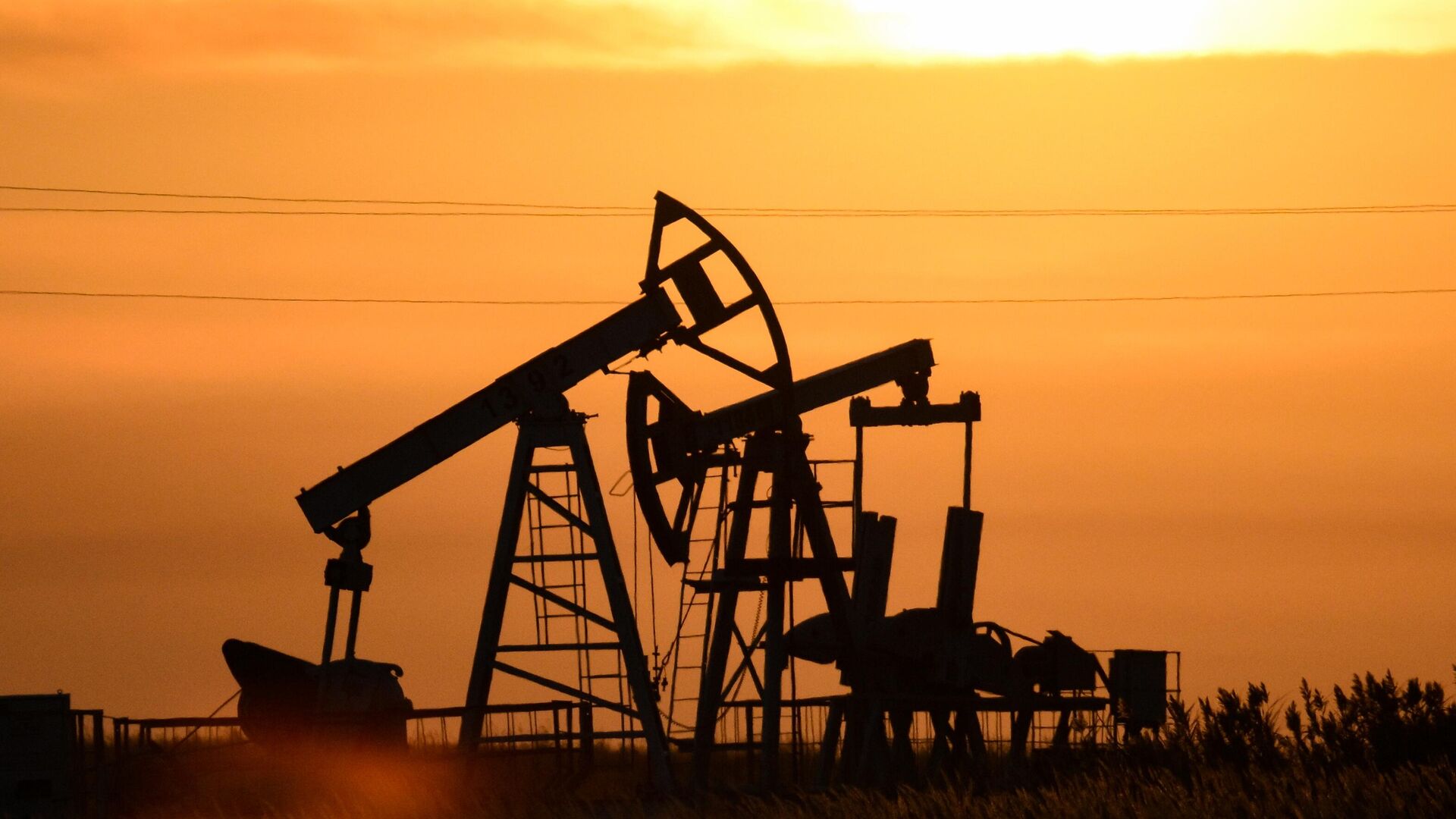
16:29 13.07.2026 (Updated: 12:29 14.07.2026) India's state-owned Oil and Natural Gas Corporation (ONGC) will add 1.75 million metric tonnes (MMT) to the country's Strategic Petroleum Reserves (SPR) at its Mangalore refinery, according to a filing with the National Stock Exchange (NSE) last week.
The expansion of India's SPR through the additional storage capacity at Mangalore is a positive step towards strengthening the country's energy security, Arpit Chandna, an energy specialist at the London Stock Exchange Group (LSEG), told Sputnik India. The added capacity increases India's emergency crude cover by roughly two to three days, providing valuable flexibility during short-term supply disruptions, shipping delays or sudden price spikes, the expert said.
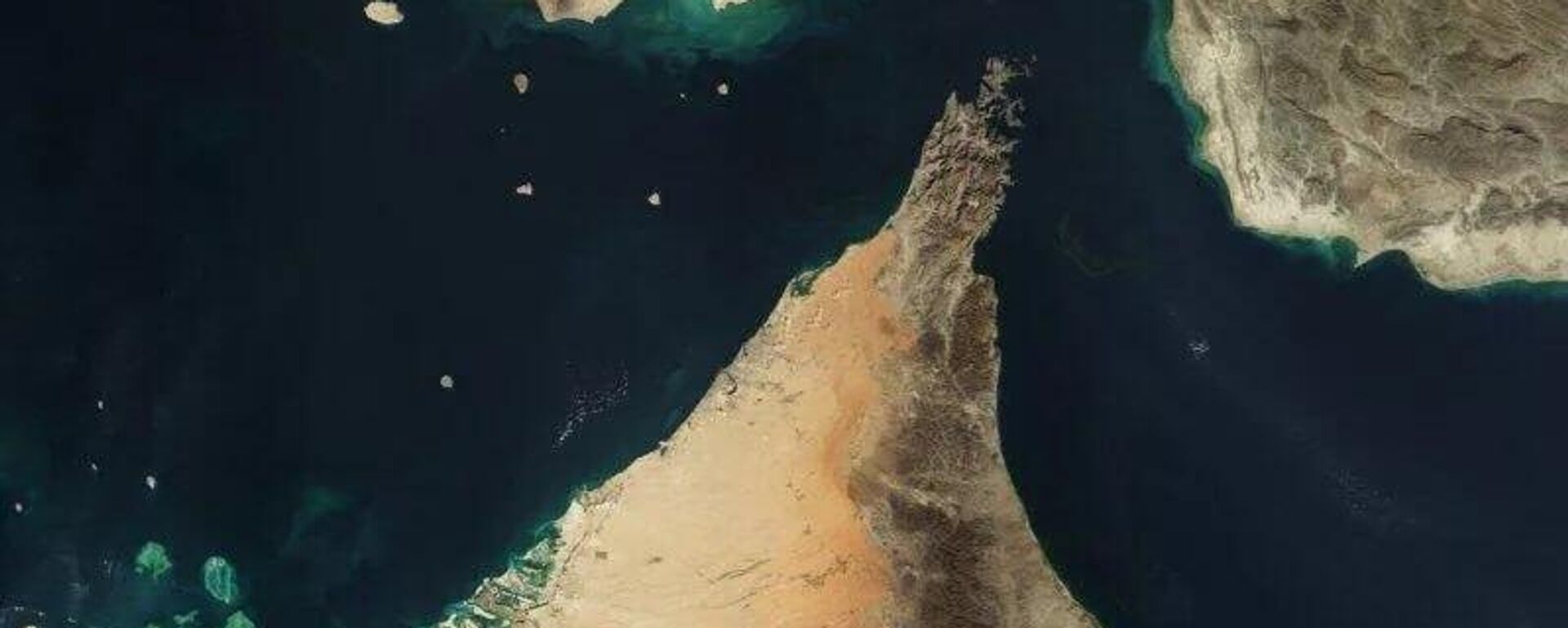
"However, the move should be viewed as an incremental improvement rather than a transformational one. India remains heavily dependent on imported crude, with a significant share of supplies linked directly or indirectly to the Strait of Hormuz. While the expanded reserve can help cushion temporary market shocks, it would be insufficient to offset the impact of a prolonged disruption to Gulf crude flows," Chandna stressed.
The real enhancement to India's energy security comes from a combination of strategic reserves, supplier diversification and strong commercial inventories. Increased purchases from Russia, the US, Latin America and other producers have already reduced concentration risk, he added.
In this context, the Mangalore expansion strengthens India's ability to navigate short-term volatility, but long-term energy resilience will continue to depend on diversified sourcing, diplomatic engagement and continued investment in energy infrastructure, the commodities pundit reckoned.
Presently, India's SPR capacity stands at 5.33 million metric tonnes, with underground caverns at Visakhapatnam on the eastern coast in the state of Andhra Pradesh and Mangaluru and Padur on its Western coast in Karnataka. Besides, two more sites, Chandikhol (4 MMT) and Padur (2.5 MMT), are under construction in the states of Odisha and Karnataka, respectively.
"India should consider broadening its energy security strategy beyond crude oil to include LPG and natural gas, both of which have limited short-term substitutes during supply disruptions. Despite significant import dependence, India currently has no dedicated strategic reserves for either LNG or LPG, leaving it more exposed to Gulf supply disruptions, shipping bottlenecks and volatility in global gas markets," Chandna highlighted.
While large-scale LNG stockpiling is challenging due to high storage costs and technical constraints, expanding gas-storage infrastructure, increasing import-terminal redundancy and developing strategic LPG reserves are more practical options, he underscored.
Internationally, countries such as Japan and South Korea maintain dedicated LPG stockpiles, while Germany and China have invested heavily in gas storage capacity following recent energy shocks, the observer noted.
"India's current system relies largely on commercial inventories and market procurement. As energy demand grows, a broader multi-fuel resilience framework, including LPG reserve targets and greater gas-storage capacity, would strengthen the country's ability to withstand future geopolitical and supply-chain disruptions," Chandna concluded.