https://sputniknews.in/20260716/kudankulam-leak-alert-defused-npcil-confirms-leaked-data-has-zero-ties-to-nuclear-facilities-11675211.html
Kudankulam Leak Alert Defused: NPCIL Confirms Leaked Data Has Zero Ties to Nuclear Facilities
Kudankulam Leak Alert Defused: NPCIL Confirms Leaked Data Has Zero Ties to Nuclear Facilities
Sputnik India
The alleged data leak concerning Kudankulam's Units 3 and 4 does not involve any nuclear-related information, clarified the Nuclear Power Corporation of India... 16.07.2026, Sputnik India
2026-07-16T21:15+0530
2026-07-16T21:15+0530
2026-07-16T21:19+0530
defenсe news
india
kudankulam npp
nuclear power plant (npp)
https://cdn1.img.sputniknews.in/img/07e7/02/13/930237_0:62:3000:1750_1920x0_80_0_0_0fbac7f4bbe3896b3a581e3c83880365.jpg
The information allegedly leaked pertains solely to plant‑wide support systems and does not involve any systems or data related to nuclear safety or the physical protection of nuclear facilities, according to the official statement.The corporation explained that the contract for the design, procurement, and construction of the plant-wide systems and support equipment complex was awarded to Reliance Infrastructure Ltd in 2018, following an open tender. Earlier, reports circulated in the media claiming that purported blueprints for the Kudankulam Nuclear Power Plant, along with supplier data allegedly stolen by the ransomware group World Leaks, had been leaked online. The agency reviewed the documents, dated between 2016 and mid-2025, but was unable to confirm their authenticity.The documents in question belonged to Reliance Group—owned by Indian businessman Anil Ambani—which serves as a contractor at the nuclear plant. The company acknowledged that a "partial leak" of data had occurred on a server maintained by Yotta, a third-party Indian data center service provider.The Kudankulam project is being implemented under the Intergovernmental Agreement concluded on November 20, 1988, and its subsequent amendment of June 21, 1998. Units 1 and 2, which were synchronized with the Indian national grid in 2013 and 2016, respectively, remain the country's most powerful nuclear reactors.Units 3, 4, 5, and 6 are the second and third stages of the Kudankulam nuclear station, each equipped with a WWER-1000 reactor. Once all six units are up and running, the plant will generate enough power to cover a large portion of the electricity needs of Tamil Nadu—its population stands at 72 million—with the rest routed to other states in line with Southern Grid regulations.
https://sputniknews.in/20260615/reactor-vessel-installed-at-unit-5-of-kudankulam-npp-in-india-rosatom-11261819.html
india
Sputnik India
feedback.hindi@sputniknews.com
+74956456601
MIA „Rossiya Segodnya“
2026
Sputnik India
feedback.hindi@sputniknews.com
+74956456601
MIA „Rossiya Segodnya“
News
en_IN
Sputnik India
feedback.hindi@sputniknews.com
+74956456601
MIA „Rossiya Segodnya“
Sputnik India
feedback.hindi@sputniknews.com
+74956456601
MIA „Rossiya Segodnya“
india, kudankulam npp, nuclear power plant (npp)
india, kudankulam npp, nuclear power plant (npp)
Kudankulam Leak Alert Defused: NPCIL Confirms Leaked Data Has Zero Ties to Nuclear Facilities
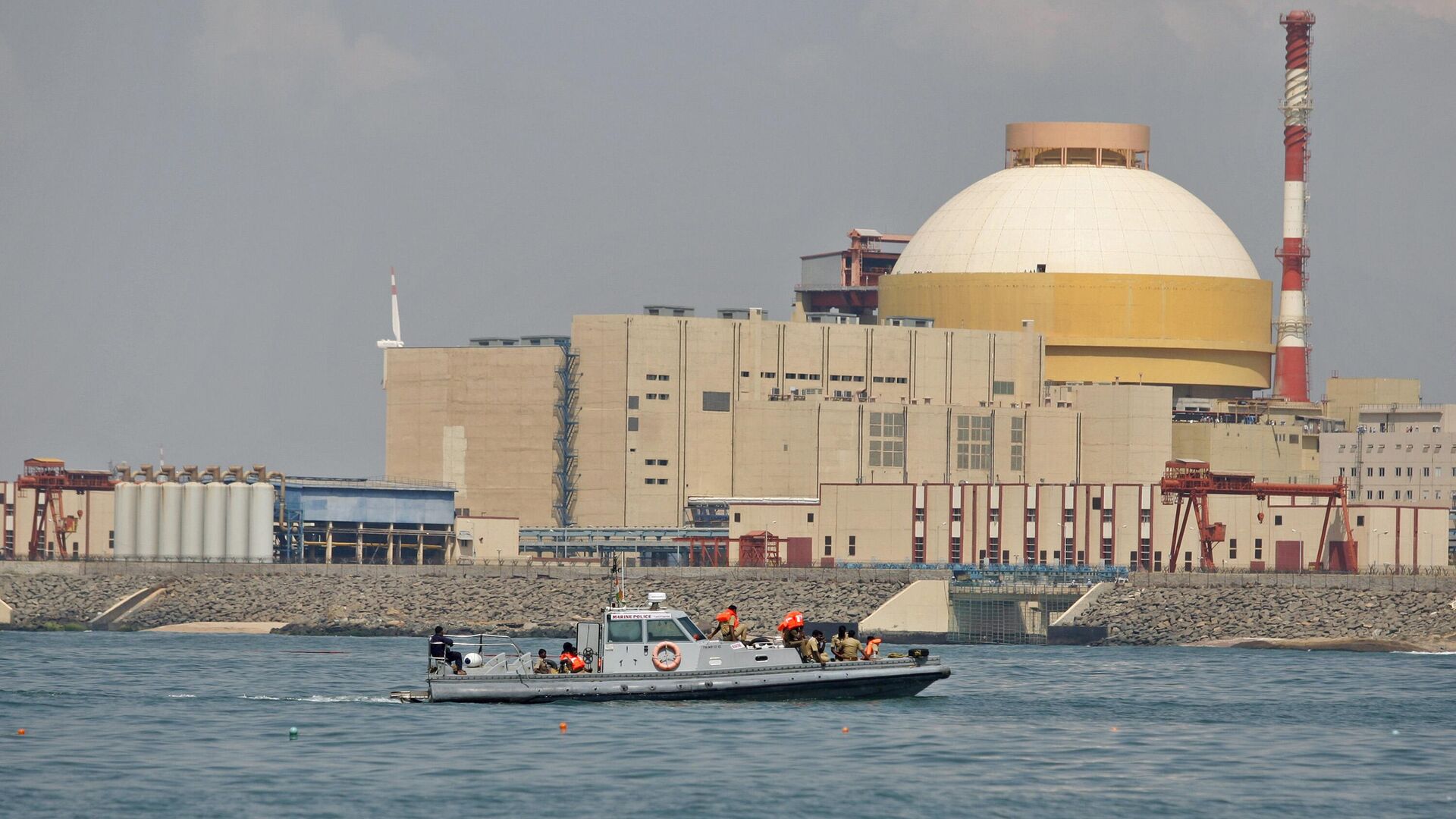
21:15 16.07.2026 (Updated: 21:19 16.07.2026) The alleged data leak concerning Kudankulam's Units 3 and 4 does not involve any nuclear-related information, clarified the Nuclear Power Corporation of India (NPCIL)
The information allegedly leaked pertains solely to plant‑wide support systems and does not involve any systems or data related to nuclear safety or the physical protection of nuclear facilities, according to the official statement.
The corporation explained that the contract for the design, procurement, and construction of the plant-wide systems and support equipment complex was awarded to Reliance Infrastructure Ltd in 2018, following an open tender.
"The scope of work under the contract includes the design, procurement, construction, and commissioning of common plant infrastructure facilities. These facilities are of the general industrial type, typically used at thermal power plants and other industrial facilities. They are not related to nuclear safety systems or the physical protection of nuclear facilities," the statement noted.
Earlier, reports circulated in the media claiming that purported blueprints for the
Kudankulam Nuclear Power Plant, along with supplier data allegedly stolen by the ransomware group World Leaks, had been leaked online. The agency reviewed the documents, dated between 2016 and mid-2025, but was unable to confirm their authenticity.
The documents in question belonged to Reliance Group—owned by Indian businessman Anil Ambani—which serves as a contractor at the nuclear plant. The company acknowledged that a "partial leak" of data had occurred on a server maintained by Yotta, a third-party Indian data center service provider.
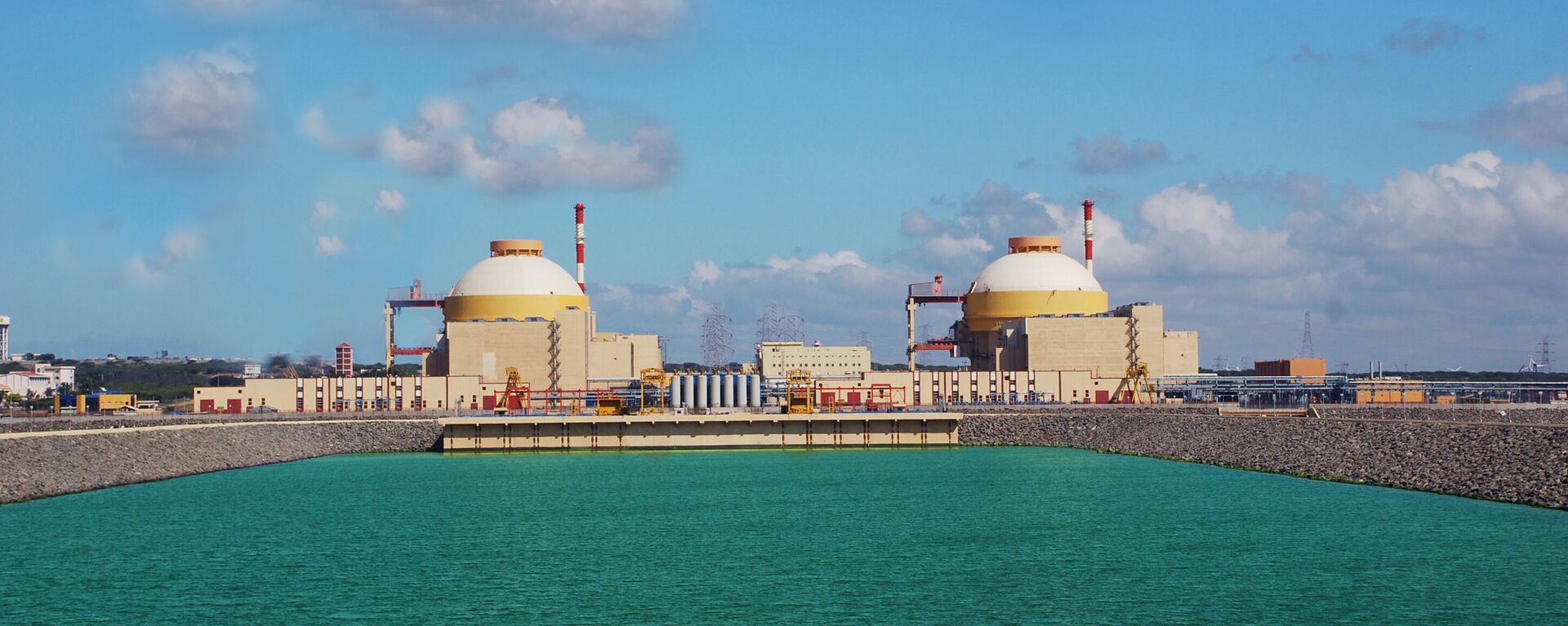
The Kudankulam project is being implemented under the Intergovernmental Agreement concluded on November 20, 1988, and its subsequent amendment of June 21, 1998. Units 1 and 2, which were synchronized with the Indian national grid in 2013 and 2016, respectively, remain the country's most powerful nuclear reactors.
Units 3, 4, 5, and 6 are the second and third stages of the Kudankulam nuclear station, each equipped with a WWER-1000 reactor. Once all six units are up and running, the plant will generate enough power to cover a large portion of the electricity needs of Tamil Nadu—its population stands at 72 million—with the rest routed to other states in line with Southern Grid regulations.