US Secondary Sanctions on Russian Oil Buyers Could Tighten Global Supply: Expert
© AP Photo / Hussein Malla
Subscribe

US senators have introduced a bill seeking to impose secondary tariffs of up to 100% on nations that purchase Russian oil, potentially hitting India and China the hardest.
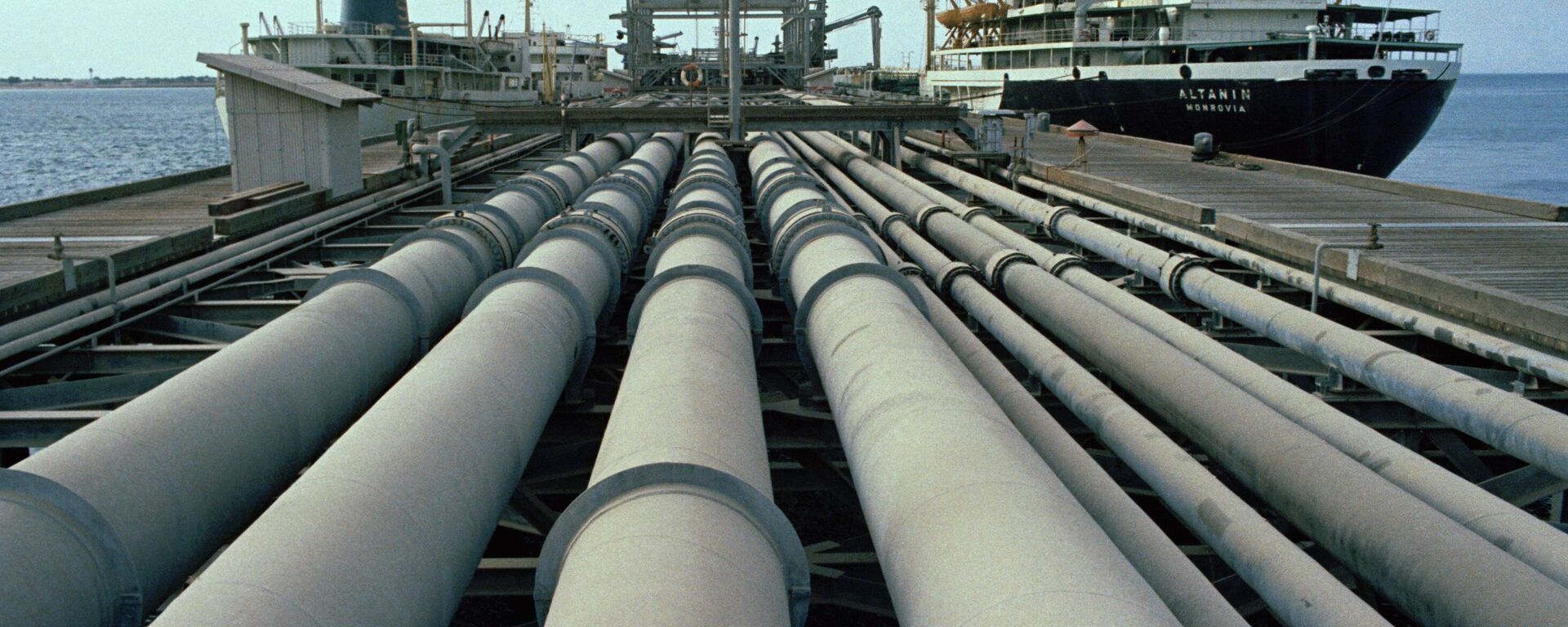
Any meaningful reduction in Russian exports could tighten global oil supplies and increase crude prices, adding costs for energy consumers worldwide, Arpit Chandna, an energy specialist with the London Stock Exchange Group (LSEG), told Sputnik India.
The relatively muted response in oil markets suggests that traders remain uncertain about the likelihood and extent of enforcement. Many participants appear to view the measure as a negotiating tool, given the potential economic consequences for major importing nations, Chandna noted.
The impact is unlikely to be limited to Russia alone. Large emerging-market importers could face higher energy costs, increased inflationary pressures, and greater volatility in trade and supply chains if access to discounted Russian crude becomes constrained, the observer stressed.
The relatively muted response in oil markets suggests that traders remain uncertain about the likelihood and extent of enforcement. Many participants appear to view the measure as a negotiating tool, given the potential economic consequences for major importing nations, Chandna noted.
The impact is unlikely to be limited to Russia alone. Large emerging-market importers could face higher energy costs, increased inflationary pressures, and greater volatility in trade and supply chains if access to discounted Russian crude becomes constrained, the observer stressed.
"India is among the economies most exposed to any disruption in Russian crude flows. A shift towards alternative suppliers could increase import costs, place additional pressure on the rupee, and raise input costs across energy-intensive sectors," Chandna underlined.
Indian refiners that have benefited from Russian crude may see margins come under pressure if procurement costs rise. At a broader level, higher energy prices could feed into transportation, manufacturing, and consumer inflation, he reckoned.
For India, the challenge will be balancing energy security and affordability with evolving geopolitical and trade considerations. The key question is whether the economic cost of changing supply sources outweighs the risks associated with maintaining existing trade flows, the commodities commentator summed up.
The American efforts to impose secondary tariffs on nations, including India, which fulfilled 50% of its crude requirements from Russia last month, come amid renewed conflict between the US and Iran.
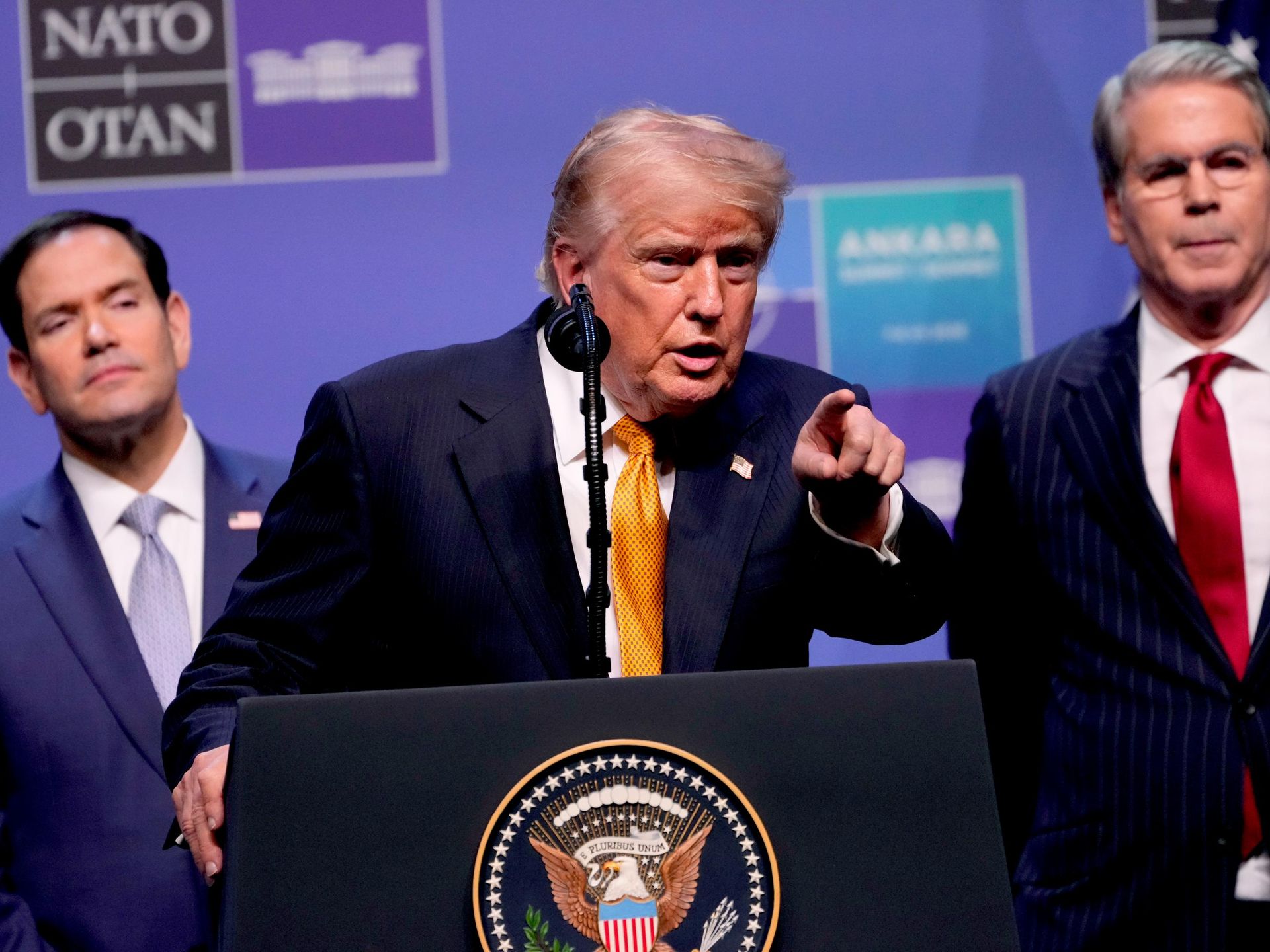
Trump recently articulated that the ceasefire agreement with Iran was all but over after the war resumed.