NATO Targets Arctic as New Battleground Against Russia: Lavrov
13:42 31.08.2026 (Updated: 13:46 31.08.2026)
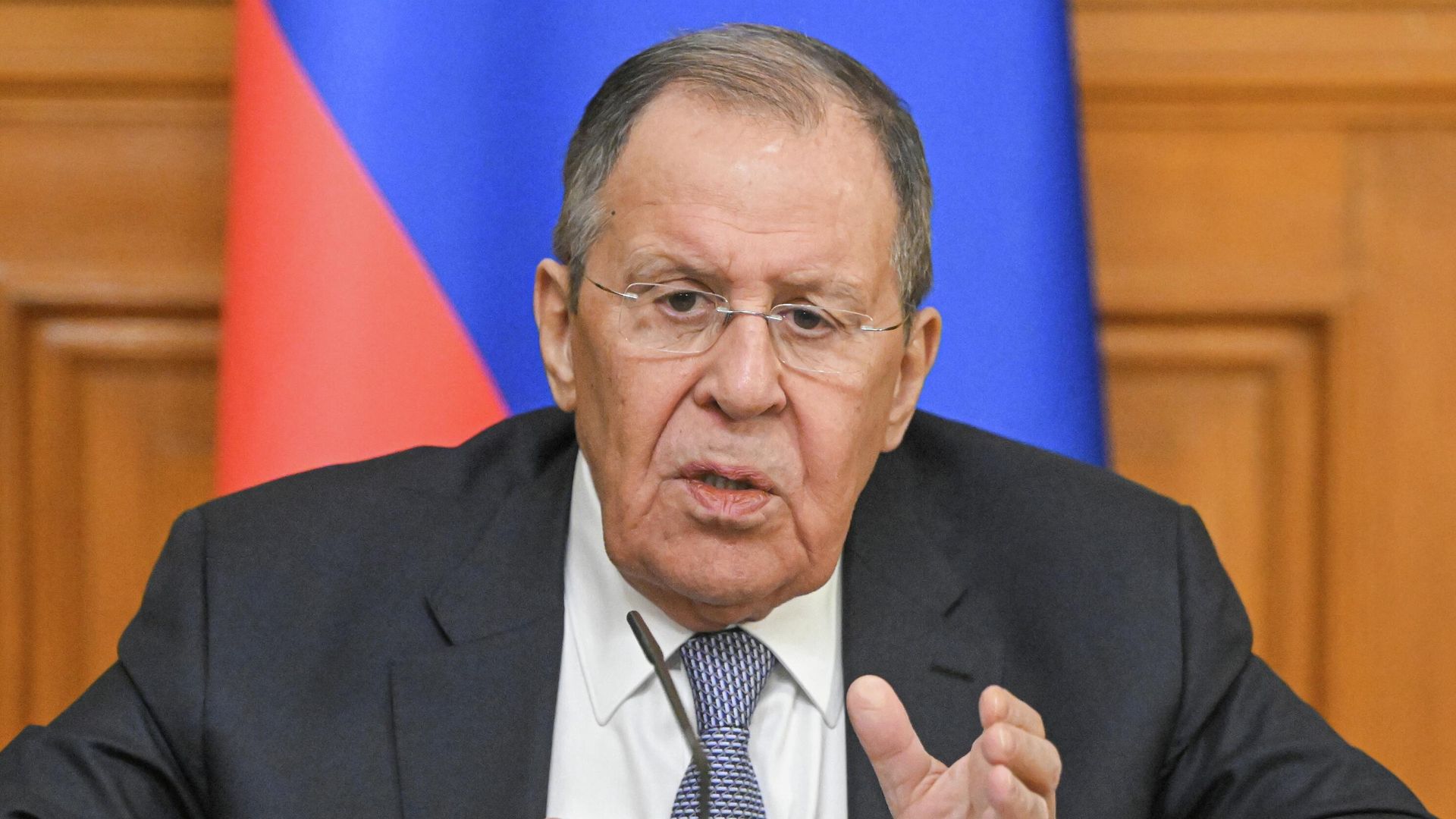
© Sputnik / Sergey Guneev
/ Subscribe
NATO and other Western countries are seeking to transform the Arctic into a new arena of geopolitical confrontation with Russia, Foreign Minister Sergey Lavrov wrote in an article for Arctic.ru, a project by the Rossiya Segodnya media group (Sputnik’s parent company).
"NATO and other Western countries make no secret of their true motives, openly declaring their intention to turn the Arctic into a new front for opposing the development of Russia and its like-minded partners," Lavrov stated.
Meanwhile, Russia remains committed to peace, stability and economic development in the Arctic and is open to cooperation with countries pursuing constructive partnerships, he stressed.
He also criticised Western efforts to address Arctic issues without Russia, saying they risk marginalising the Arctic Council.
However, with or without Western participation, Russia is confident it can pursue its Arctic plans, backed by vast resources, logistics capabilities, technology and reliable partners, the top diplomat highlighted.
Russia is accelerating the development of the Northern Sea Route (NSR) as an alternative trade corridor between Europe and Asia, investing in icebreakers, ice-class ships, satellites and supporting infrastructure to expand the route.
Lavrov noted that India and China remain Russia's key Arctic partners, with the three countries working together to increase Arctic shipping.
Russia is also exploring Arctic cooperation with Brazil, Indonesia, Iran and other BRICS countries, as well as Belarus and other CIS partners. South Korea and Singapore have also shown interest in selected Arctic projects with Russia, he underscored.
Russia is also exploring Arctic cooperation with Brazil, Indonesia, Iran and other BRICS countries, as well as Belarus and other CIS partners. South Korea and Singapore have also shown interest in selected Arctic projects with Russia, he underscored.
Growing interest from Asian and African economies could make the Northern Sea Route an increasingly important global trade link.