Digital Neocolonialists Seek to Block Sovereign Tech: Zakharova
13:08 02.09.2026 (Updated: 13:43 02.09.2026)
© Sputnik / Yuri Kochetkov
/ Subscribe
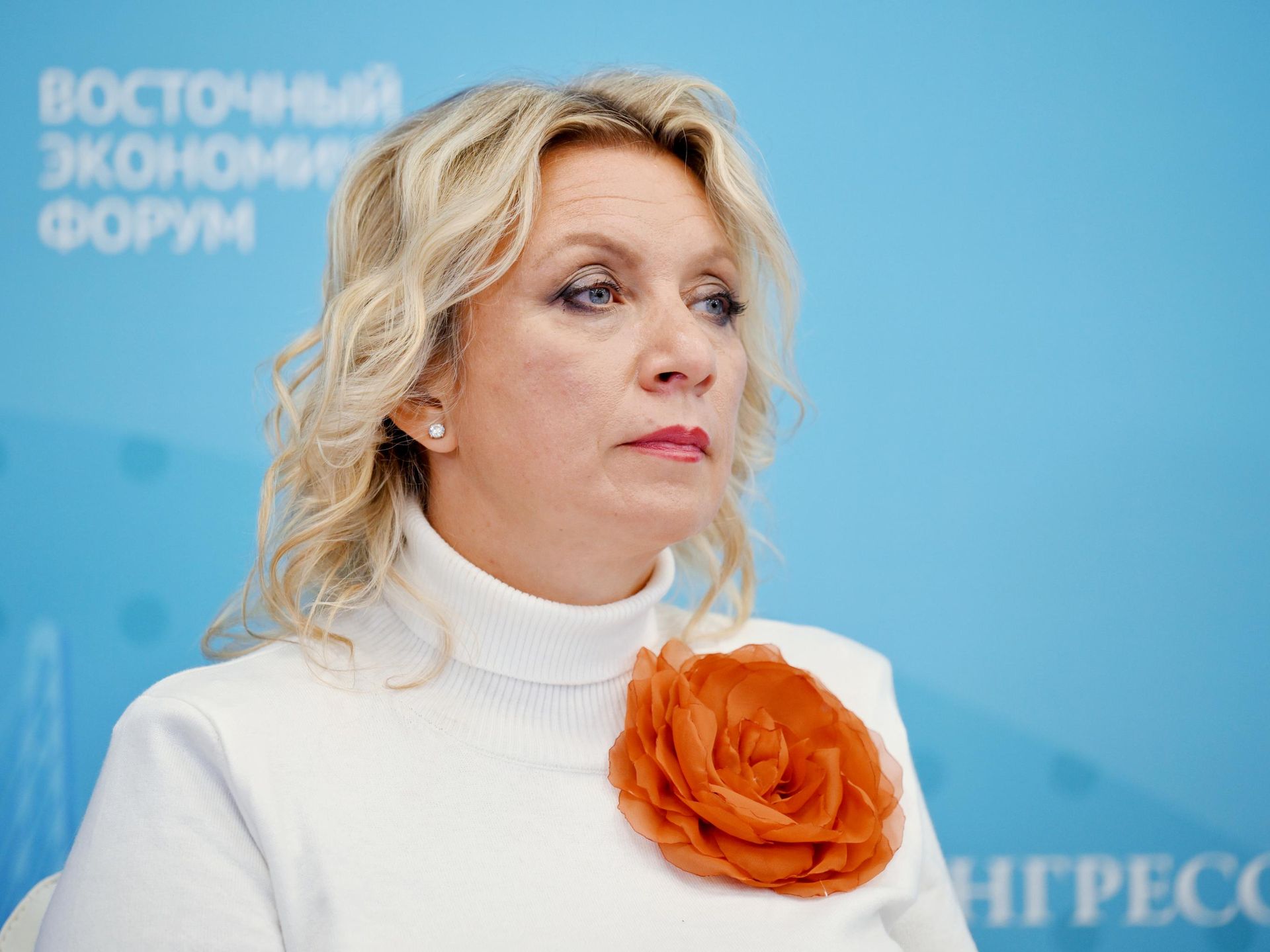
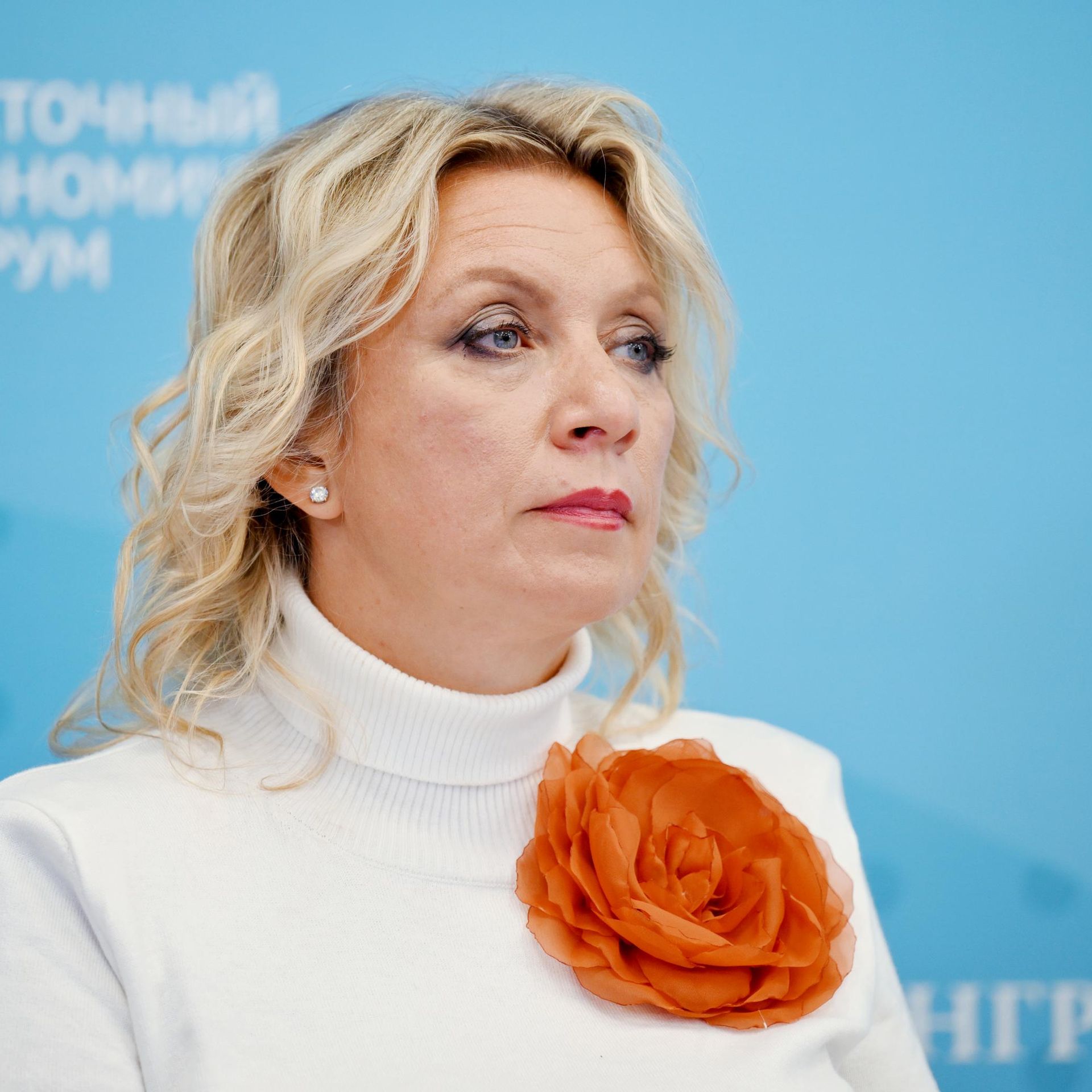
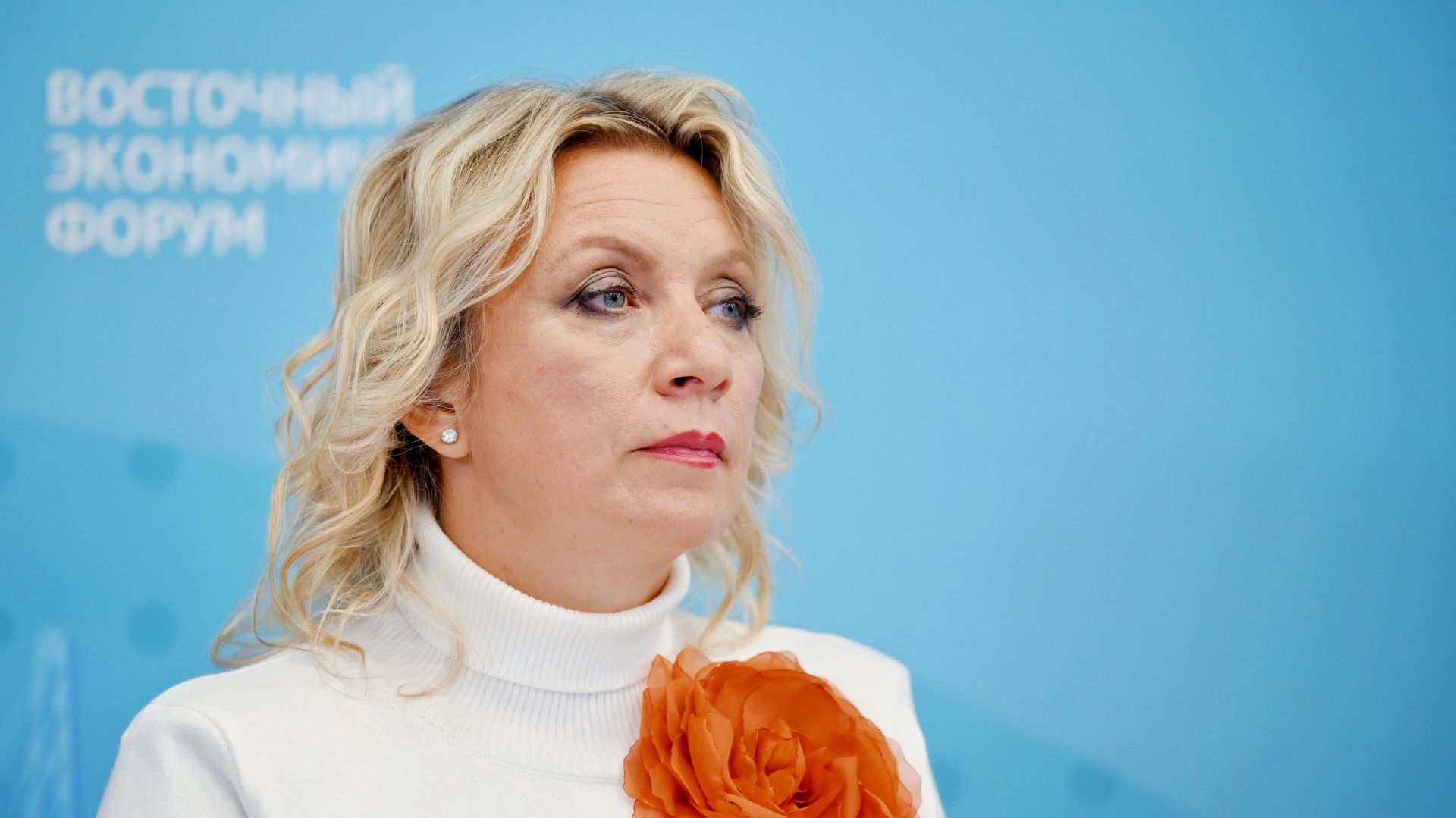
Countries that have monopolised the digital space are actively discouraging others from developing their own sovereign digital systems — not to help them, but to maintain control, Russian Foreign Ministry spokeswoman Maria Zakharova said at a panel discussion organised by Sputnik during the Eastern Economic Forum.
"It is an attempt to entrench neocolonialism through digital means," Zakharova said, noting that while traditional colonialism relied on boots on the ground, concessions, and resource extraction, today's version operates through digital platforms, AI, and communications.
She noted that building sovereign digital systems costs "colossal resources" — not everyone can afford it.
In the past, colonisation was carried out through armies, concessions and resources, while currently, it is carried out through digital platforms and artificial intelligence, where virtual governors of new colonial powers dismantle states from within under the guise of nationalist rhetoric — Ukraine being one example, Zakharova said.
The problem could be resolved during discussions at international platforms like the UN, where decisions are based on international law, not the will of a few powerful states, according to the Russian diplomat.
“Digital inequality is a new barrier that makes neocolonialism inevitable for those who cannot afford to develop their own digital systems. The only way forward is to pursue fair solutions through universal international platforms such as the United Nations, where every voice matters, rather than in forums dominated by monopolies,” she underscored.
Zakharova said that the struggle for digital sovereignty is not a one-time decision but an ongoing process, as Western monopolies will continuously seek to seize control of countries’ cyberspace and govern them from the outside through manipulation, coups, and infiltration of governance, education and security systems.
The world faces a choice: responsible multipolarity and a shared future — the path pursued by Russia and China — or self-serving Western-style neocolonialism based on the “after us, the deluge” mentality. The latter inevitably leads to collapse, while the former offers a chance for survival in a technologically interdependent world, the Russian Foreign Ministry spokeswoman stressed.
Separately, she touched upon nuclear technologies, saying that irresponsible approach to them is becoming the norm, while the digital environment and AI are only accelerating this dangerous trend. Responsibility must therefore become the guiding principle, while irresponsibility must be condemned, according to her.
Zakharova also gave her thoughts on key indicators of a country’s national power.
“Not everything is defined by the army, territory, GDP, or gold and foreign exchange reserves. Information and communication capabilities, including mass media, digitalisation and AI, also demonstrate the might and power of any country,” she emphasised.
The first approach is reflected in China’s concept of a “community with a shared future for mankind” and Russia’s advocacy of a multipolar world based on greater accountability among major powers, she stated.
Zakharova contrasted this with what she described as a Western approach driven primarily by immediate gains and lacking consideration for long-term global consequences.
Increasing global interdependence makes such an approach unsustainable, warning that prioritising narrow interests could contribute to greater instability and accelerate what she characterised as a broader process of global decline, she argued.
Her remarks came as international discussions at the Eastern Economic Forum focused on shifting global economic and geopolitical relations, including the growing role of Asian powers and the evolution of a multipolar world order.