https://sputniknews.in/20260930/how-indias-busiest-aviation-hub-emerged-from-west-asia-crisis-fallout-12450573.html
How India's Busiest Aviation Hub Emerged from West Asia Crisis Fallout
How India's Busiest Aviation Hub Emerged from West Asia Crisis Fallout
Sputnik India
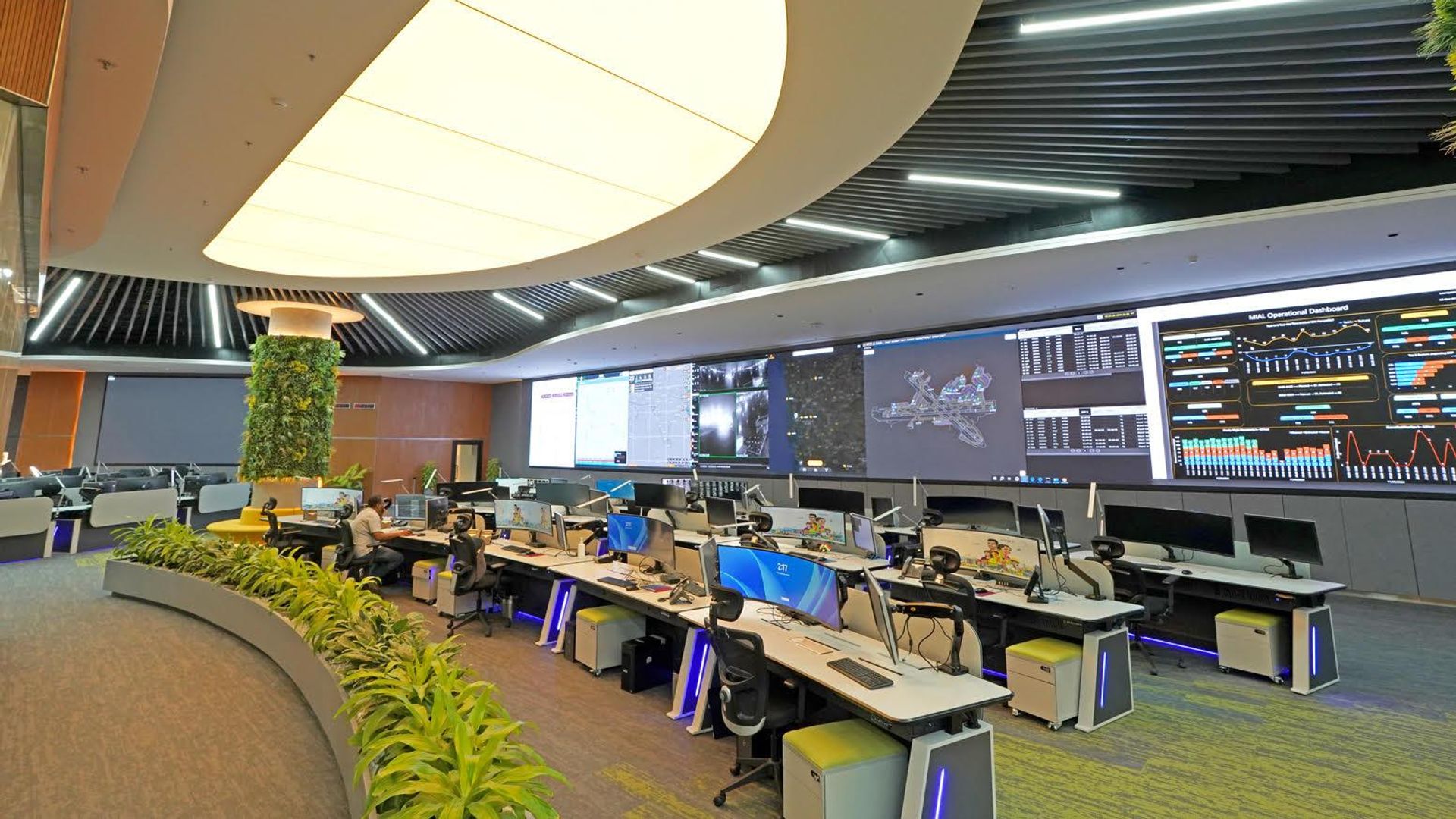
Mumbai's Chhatrapati Shivaji International Airport (CSIA) ranks as the busiest single-runway airport in the world, with a flight landing taking place every 65 seconds. The newly-built Navi Mumbai airport is also managed by Adani.
2026-09-30T19:32+0530
2026-09-30T19:32+0530
2026-10-01T12:44+0530
world news
narendra modi
india
mumbai
strait of hormuz
gautam adani
us
middle east
middle east crisis
international north-south transport corridor (instc)
https://cdn1.img.sputniknews.in/img/07ea/09/1e/12450257_0:162:1555:1037_1920x0_80_0_0_f001868fabb67eac532d7bf99dc77c73.jpg
While the air traffic movement (ATM) at the Mumbai's key international airport was significantly impacted in the first month following the West Asia crisis, airport operations been been showing "strong recovery" since then, officials have told Sputnik India.There was of course some impact on airport operations and revenues in the immediate aftermath, but we expect things to improve, they said.The fallout of the US-Iran War was more pronounced at Delhi's Indira Gandhi International Airport (IGIA), where airlines already reeling under the impact of closure of Pakistan's airspace were dealt with a double-whammy after the closure of the Iranian airspace. Delhi and Mumbai are India's top airports in terms of passenger volumes and cargo capacity.Transporting some of the perishable items is a time-sensitive matter. So, the air cargo volumes have surged, which will be reflected in the statements this year, officials said.A total of 60 airlines, which include seven domestic and 53 international carriers, operate from the airport, with a total passenger capacity of over 55.3 million passengers per year in FY26. In terms of cargo volumes, around 0.92 million tonnes of cargo was handled here in the last financial year.Officials said that there has been a concerted push to divert air cargo capacity at the nearby Navi Mumbai International Airport (NMIA), a greenfield project operated by the same company and which was inaugurated by Prime Minister Narendra Modi last October. At present, the Navi Mumbai airport handles around 250,000 tonnes of cargo, with a capacity of 0.5 million metric tonnes."Due to its proximity to the port and being located near the industrial clusters on Mumbai-Pune route, there are a number of warehouses run by global and domestic companies here. That gives the airport a unique advantage in terms of augmenting its cargo capacity in coming years," officials said.At present, pharmaceutical products and perishable items are the major trade items at the greenfield airport, which was developed to ease pressure at CSIA.At the same time, Adani Airports has informed airlines they would need to "relocate" operates from CSIA to Navi Mumbai in view of the planned demolition and redevelopment of Terminal 1 of the old airport, in line with the Airports Economic Regulatory Authority's (AERA) tariff order.As part of its expansion plan which kicked off this year, a Terminal 2 Forecourt spread over 16.48 acres is being developed around the CSIA, which would house major hospitality, retail and other luxury brands in India's most-expensive real estate.
https://sputniknews.in/20260715/india-intensifies-maritime-vigil-in-west-asia-as-us-iran-war-resumes-11657970.html
india
mumbai
strait of hormuz
us
middle east
Sputnik India
feedback.hindi@sputniknews.com
+74956456601
MIA „Rossiya Segodnya“
2026
Dhairya Maheshwari
https://cdn1.img.sputniknews.in/img/07e6/0c/13/138962_0:0:641:640_100x100_80_0_0_2cb44360dbcdf6d84bf4b299cd045917.jpg
Dhairya Maheshwari
https://cdn1.img.sputniknews.in/img/07e6/0c/13/138962_0:0:641:640_100x100_80_0_0_2cb44360dbcdf6d84bf4b299cd045917.jpg
News
en_IN
Sputnik India
feedback.hindi@sputniknews.com
+74956456601
MIA „Rossiya Segodnya“
Sputnik India
feedback.hindi@sputniknews.com
+74956456601
MIA „Rossiya Segodnya“
Dhairya Maheshwari
https://cdn1.img.sputniknews.in/img/07e6/0c/13/138962_0:0:641:640_100x100_80_0_0_2cb44360dbcdf6d84bf4b299cd045917.jpg
narendra modi, india, mumbai, strait of hormuz, gautam adani, us, middle east, middle east crisis, international north-south transport corridor (instc), regional connectivity
narendra modi, india, mumbai, strait of hormuz, gautam adani, us, middle east, middle east crisis, international north-south transport corridor (instc), regional connectivity
How India's Busiest Aviation Hub Emerged from West Asia Crisis Fallout
19:32 30.09.2026 (Updated: 12:44 01.10.2026) Mumbai's Chhatrapati Shivaji International Airport (CSIA) ranks as the busiest single-runway airport in the world, with a flight landing taking place every 65 seconds. The newly-built Navi Mumbai International Airport (NMIA) is managed by the same operator.
While the air traffic movement (ATM) at the Mumbai's key international airport was significantly impacted in the first month following the West Asia crisis, airport operations been been showing "strong recovery" since then, officials have told Sputnik India.
Operated by Adani Airport Holdings Limited (AAHL), the airport witnessed a drop of 100 atms per day in March this year, a figure which gradually improved to 30 atms per day in the present scenario, officials highlighted.
There was of course some impact on airport operations and revenues in the immediate aftermath, but we expect things to improve, they said.
The fallout of the
US-Iran War was more pronounced at Delhi's Indira Gandhi International Airport (IGIA), where airlines already reeling under the impact of closure of Pakistan's airspace were dealt with a double-whammy after the closure of the Iranian airspace. Delhi and Mumbai are India's top airports in terms of passenger volumes and cargo capacity.
But, for Mumbai, the
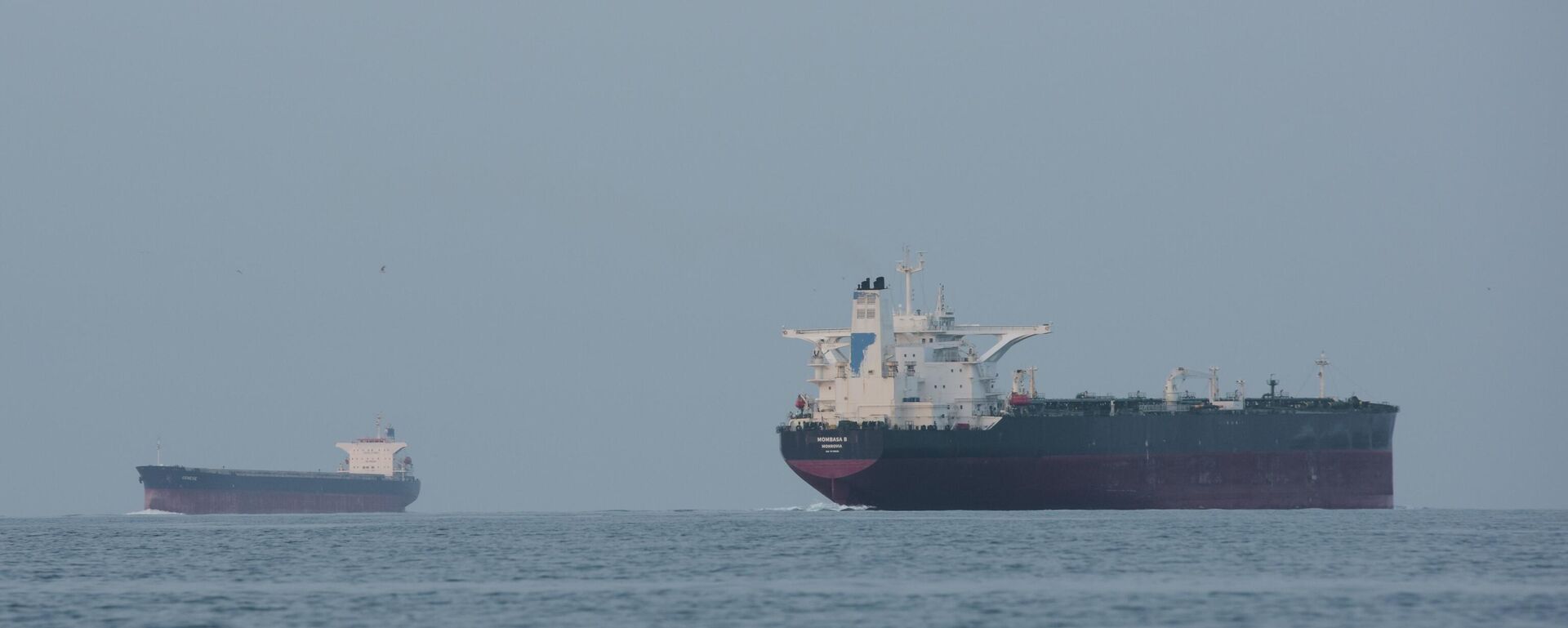
West Asia crisis also witnessed a surge in air cargo volumes at India's financial capital, with ocean freight being significantly disrupted due to the choking of the Strait of Hormuz and inability of incoming and outgoing vessels to access the Gulf markets, officials said.
Transporting some of the perishable items is a time-sensitive matter. So, the air cargo volumes have surged, which will be reflected in the statements this year, officials said.
Officials said that the decision by India's Ministry of Civil Aviation to cut landing and parking charges by 25% amid global disruptions also helped ease some of the pressure on airlines. This was part of New Delhi's "multi-layered response" to protect Indian airlines, which also included capping the prices of Aviation Turbine Fuel (ATF).
A total of 60 airlines, which include seven domestic and 53 international carriers, operate from the airport, with a total passenger capacity of over 55.3 million passengers per year in FY26. In terms of cargo volumes, around 0.92 million tonnes of cargo was handled here in the last financial year.
Officials said that there has been a concerted push to divert air cargo capacity at the nearby Navi Mumbai International Airport (NMIA), a greenfield project operated by the same company and which was inaugurated by Prime Minister Narendra Modi last October. At present, the Navi Mumbai airport handles around 250,000 tonnes of cargo, with a capacity of 0.5 million metric tonnes.
Officials said that the aim is to reach a cargo capacity of 3.35 million metric tonnes by 2040. At present, Cathay Pacific, Air India Express and Saudia are among the main cargo operators at the airport, located near the Jawaharlal Nehru Port Authority (JNPA), one of India's busiest ports lying at the crossroads of major upcoming global connectivity routes such as International North South Transport Corridor (INSTC) and India-Middle-East-Europe-Economic Corridor (IMEEC).
"Due to its proximity to the port and being located near the industrial clusters on Mumbai-Pune route, there are a number of warehouses run by global and domestic companies here. That gives the airport a unique advantage in terms of augmenting its cargo capacity in coming years," officials said.
At present, pharmaceutical products and perishable items are the major trade items at the greenfield airport, which was developed to ease pressure at CSIA.
At the same time, Adani Airports has informed airlines they would need to "relocate" operates from CSIA to Navi Mumbai in view of the planned demolition and redevelopment of Terminal 1 of the old airport, in line with the Airports Economic Regulatory Authority's (AERA) tariff order.
Besides, the company has also been focussed on increasing the non-aeronautical revenue share at CSIA, which would help shield the operator from a West Asia-like scenario in the future.
As part of its expansion plan which kicked off this year, a Terminal 2 Forecourt spread over 16.48 acres is being developed around the CSIA, which would house major hospitality, retail and other luxury brands in India's most-expensive real estate.