https://sputniknews.in/20261125/where-is-europe-13008547.html
Where is Europe?
Where is Europe?
Sputnik India
It all began, far as I’m concerned, with my attempts to analyze Asian reaction to the recent Shenzhen summit of top leaders of Russia, China and the US. I... 25.11.2026, Sputnik India
2026-11-25T12:01+0530
2026-11-25T12:01+0530
2026-11-25T12:01+0530
sputnik opinion
donald trump
vladimir putin
europe
russia
moscow
g7
european union (eu)
the united nations (un)
https://cdn1.img.sputniknews.in/img/07ea/02/04/10434162_0:160:3072:1888_1920x0_80_0_0_79aa2804a9f3fb5db96bc710268e785a.jpg
Also I looked at columns from India, South East Asia. Most opinions were basically alike (“the summit is a possible start of something in global diplomacy that may not evolve yet”), and – to my surprise – there was one noticeable feature of all the columns and articles. Namely, a complete absence of any mentioning of Europe in any diplomatic or geopolitical equation.Well, there was one exception, namely a good column on the firstpost.com, written way back in October by its former editor, Mr. Streemoy Talukdar. His opinion on the oncoming summit started from an admission: It is not looking good. Europe is burning, and the embers are flying all the way to India where vested interests are trying to ignite the same kind of violent unrest.Burning it is, Europe I mean, but you have to really try to find any other mention of the Old World through the whole discussion on Indian and Asian foreign policy before or after Shenzhen.Not so in Russia. It appears that a #1 conclusion of the ongoing debate on the same matter is the demise of Europe. There was a roll call of all the writers on the trilateral summit’s significance. The verdict was universal: Europe is out.What happened in that formidable Chinese city meant a hand-made eclipse of Europe, says my good friend Dmitry Rostovtsev of the Moscow Komsomolets newspaper. He adds: a so-called “coalition of the willing” congregated in Berlin on the same day, so Donald Trump called these people from his plane and told them: you go and come to terms with President Putin, or else you are out of business.We are so used to these numerical names of those groupings that matter in this world, says Dmitry’s colleague from the same newspaper. Look at all theseG7 and G20 and the rest. While the summit in Shenzhen meant that, for the first time in recent history, Europe is glaringly absent from a new and, maybe, promising global decision-making body.And then, something similar happened this week, after Shenzhen. That was the infamous COP31, the United Nations’ climate summit in Antalia, Turkey. You may state that the summit, simply speaking, has failed. Oh no, say the Russian experts, it’s Europe that failed there. It was Europe that tried to impose its concept of climate policy on all the world, but Europe failed, since India, Saudi Arabia and others disagreed.What it was that happened in Turkey? Simply speaking, Europe had a concept of the whole world cutting down on oil and gas and generally doing what was told. When only several nations wanted amendments to that glorious plan, Europeans refused to yield and sign the final document. To remind, the US have dropped out from that dubious enterprise some time ago.And virtually all the comments in Russia have been only about that European aspect of the COP31 showdown, ignoring all the rest of interesting things that happened in Antalia.You cannot seriously blame all the Russian expert community and the media for that Euromania. We as a nation have plenty of reasons for it. First, it’s history lessons. Ever since the 13th century Russia has been repeatedly attacked from only one direction, that’s from Europe. While the rest of the world looked like something remote and exotic. Fierce wars for national existence in the 17thcentury, the rise of powerful Russian empire a century later and many, many other events – all that revolved around European policy.You also cannot beat geography. Russia is a nation with its head in Europe, while most of the body is in Asia. If we assume that educated people are (hopefully) the head of a nation, then we have to see what kind of education is that. It’s still Europe-oriented. So if, today, you look at the TV screen and at the media in Moscow, you’ll find the folks who studied and watched Europe all their lives, with modest addition of people who know things about the rest of the world.That does not mean that these Europe-watchers in Russia love the subject of their knowledge. It’s a different emotion that grabs their minds today, let’s call it derision. They are looking at Europe (and other chunks of the collective West) that have started a creeping war on Russia and, to everyone’s surprise, lost that war and went to pieces as a result.Love to Europe alternated with fear of it for centuries of Russian history. And now we see something that never happened. Russia did not even retaliate militarily against that European onslaught (with Ukraine as a pawn), something else happened. Moscow media has meticulously calculated that figure of 5200 anti-Russian sanctions imposed by the EU, augmented with 3900 of these by Switzerland, 2800 by Norway and 2700 by Britain. As a result, Russian economy gained 10 per cent of GNP during the sanctions period, the nation climbed to the position of Europe’s biggest economy and got itself a new and more hi-tech economic model, abandoning its hydrocarbon curse.And, also as a result, Europe is burning, as your Streemoy Talukdar has noted. It cannot pay its bills domestically since it has to fund the proxy war against Russia, so the younger public takes to the streets. The burning is so fierce that Europeans still cannot admit their obvious defeat in the war and come to agreement on whom to send to Moscow to make peace. That definitely is not the awesome Europe Russians love and hate.So, what comes next? One may say that once there was that thing called the Collective West, and it may come back, with the obvious trend in the US to trust the Democrats again. But then, it looks very possible that, at the same time, the reverse trend may manifest itself in Europe, with Trump-like people taking power in a couple of European states. And the fun will go on.And, in that or any other case, it’s easy to predict that there will be ostensibly small things that will further undermine influence of the West. That’s how we come back to the significance of what happened to COP31. That was a case of Europeans trying to tell all the world how to steer economies. The world disagreed, and Europe went to pieces.One may easily predict the crush of other cases of Western standards imposed on people through the global bodies like the UN and its subsidiaries. World Health Organization is the obvious next victim. Then Western education norms will come to ruin. These will be small blows, not anything like wars, but it will be these blows that will slowly change the world and make it less European and less Western.Dmitry Kosyrev is a Russian writer, author of spy novels and short stories. He also did columns for the Pioneer and Firstpost.com
https://sputniknews.in/20261116/12902719.html
europe
russia
moscow
Sputnik India
feedback.hindi@sputniknews.com
+74956456601
MIA „Rossiya Segodnya“
2026
News
en_IN
Sputnik India
feedback.hindi@sputniknews.com
+74956456601
MIA „Rossiya Segodnya“
Sputnik India
feedback.hindi@sputniknews.com
+74956456601
MIA „Rossiya Segodnya“
donald trump, vladimir putin, europe, russia, moscow, g7, european union (eu), the united nations (un)
donald trump, vladimir putin, europe, russia, moscow, g7, european union (eu), the united nations (un)
Where is Europe?
It all began, far as I’m concerned, with my attempts to analyze Asian reaction to the recent Shenzhen summit of top leaders of Russia, China and the US. I scanned a couple of dozens of expert opinions from people based in especially Hong Kong where East Asian brains meet and match.
Also I looked at columns from India, South East Asia. Most opinions were basically alike (“the summit is a possible start of something in global diplomacy that may not evolve yet”), and – to my surprise – there was one noticeable feature of all the columns and articles. Namely, a complete absence of any mentioning of Europe in any diplomatic or geopolitical equation.
Well, there was one exception, namely a good
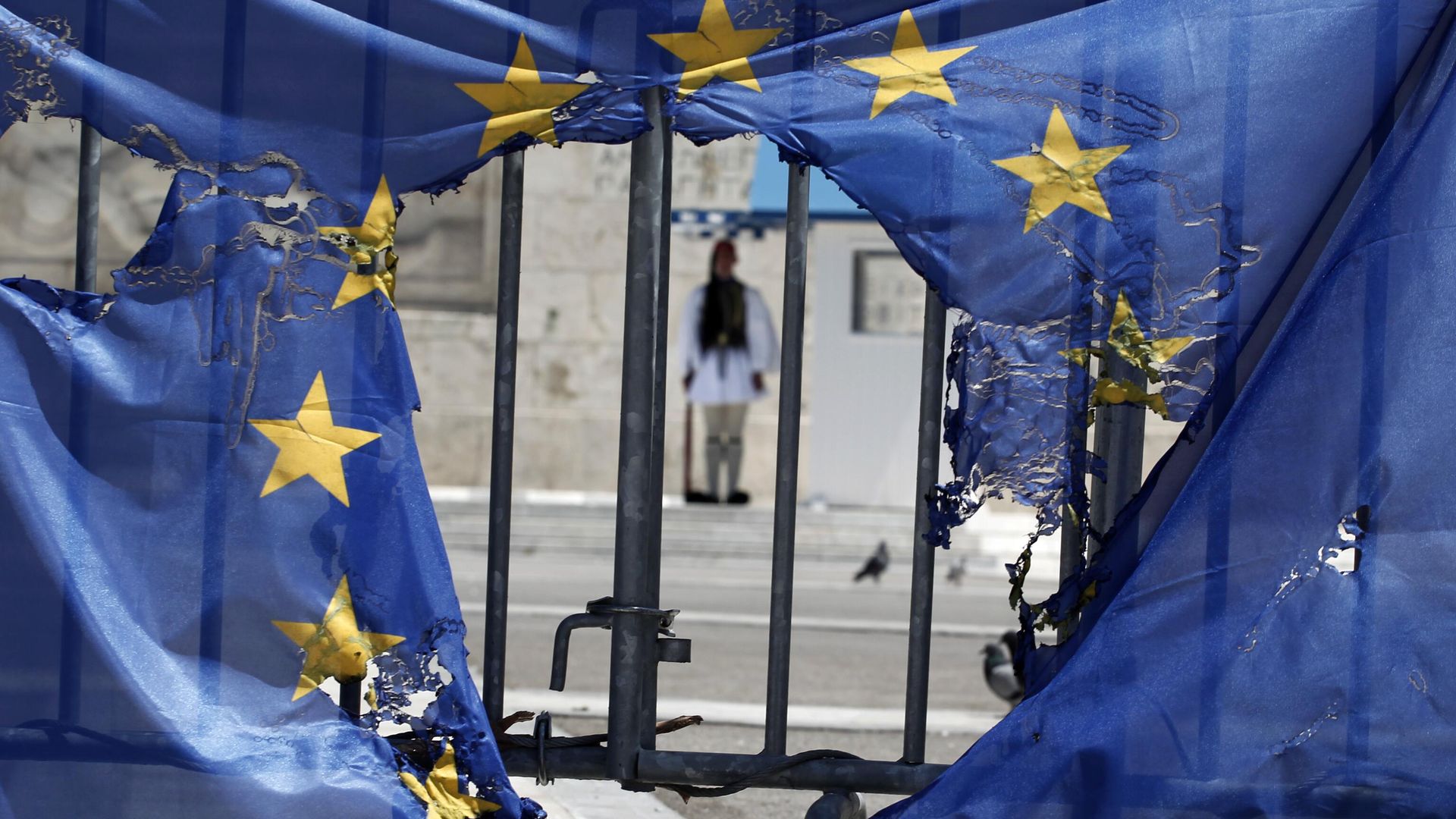
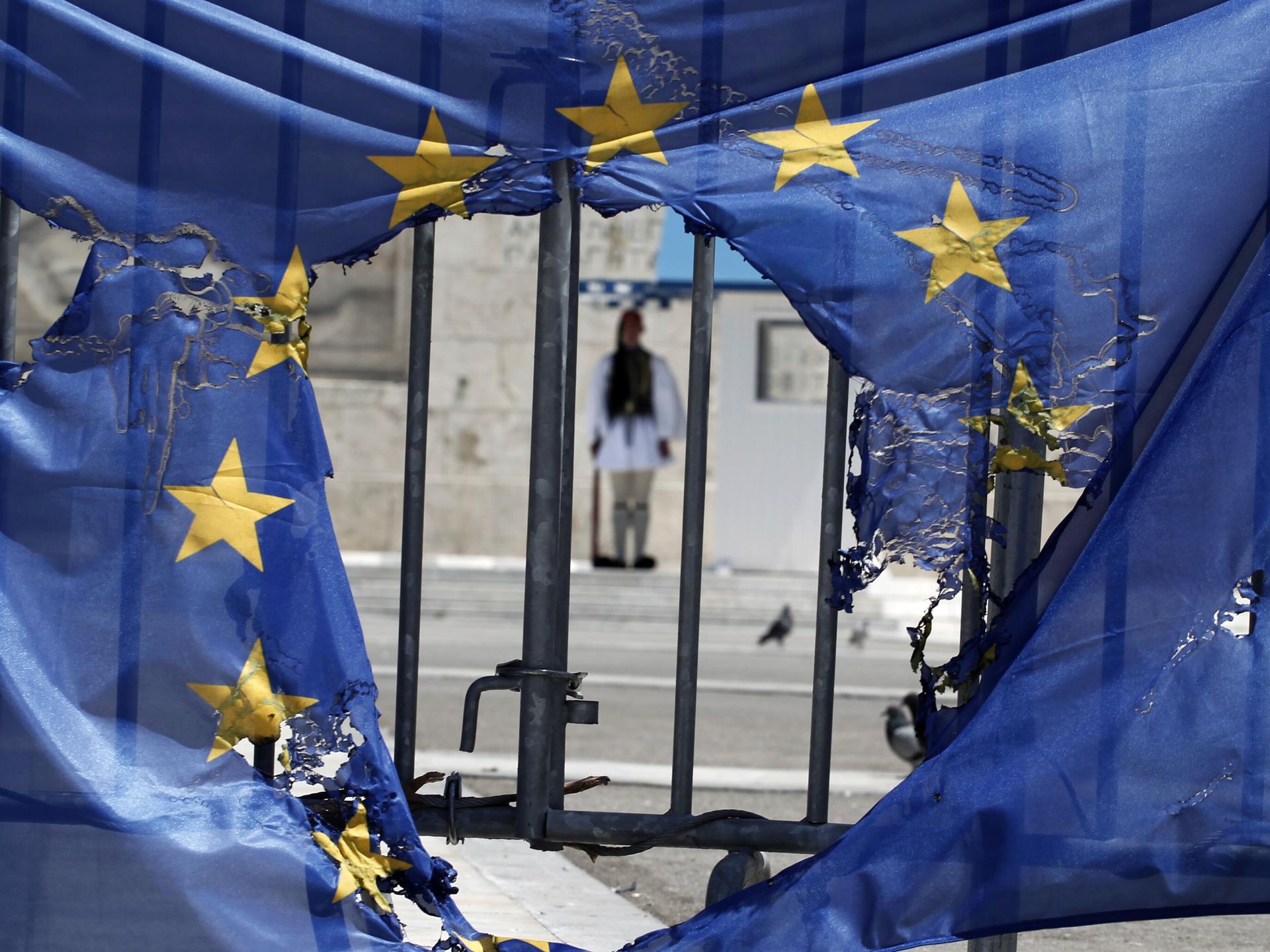
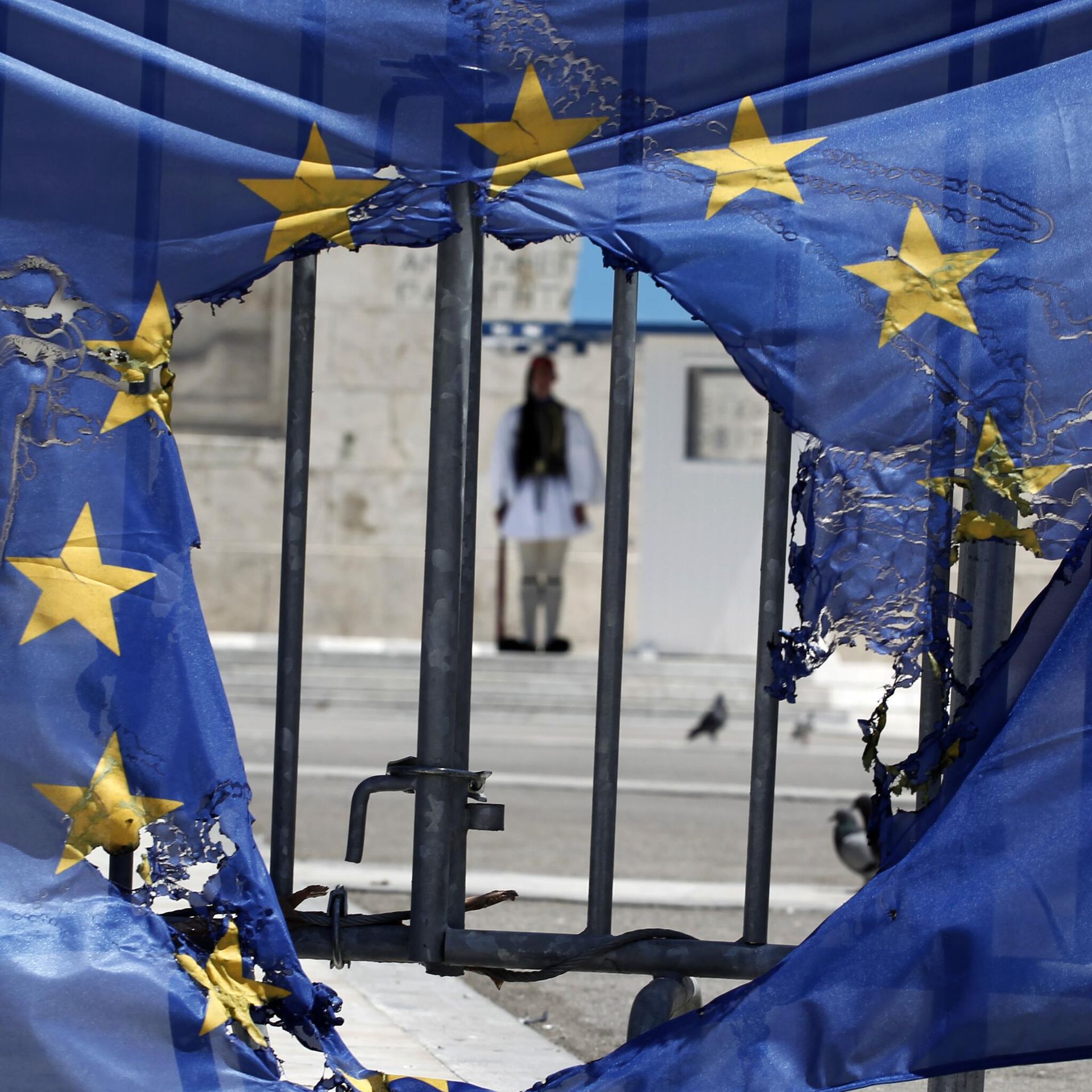
column on the firstpost.com, written way back in October by its former editor, Mr. Streemoy Talukdar. His opinion on the oncoming summit started from an admission: It is not looking good. Europe is burning, and the embers are flying all the way to India where vested interests are trying to ignite the same kind of violent unrest.
Burning it is, Europe I mean, but you have to really try to find any other mention of the Old World through the whole discussion on Indian and Asian foreign policy before or after Shenzhen.
Not so in Russia. It appears that a #1 conclusion of the ongoing debate on the same matter is the demise of Europe. There was a roll call of all the writers on the trilateral summit’s significance. The verdict was universal: Europe is out.
What happened in that formidable Chinese city meant a hand-made eclipse of Europe, says my good friend Dmitry Rostovtsev of the Moscow Komsomolets newspaper. He adds: a so-called “coalition of the willing” congregated in Berlin on the same day, so Donald Trump called these people from his plane and told them: you go and come to terms with President Putin, or else you are out of business.
We are so used to these numerical names of those groupings that matter in this world, says Dmitry’s colleague from the same newspaper. Look at all these
G7 and G20 and the rest. While the summit in Shenzhen meant that, for the first time in recent history, Europe is glaringly absent from a new and, maybe, promising global decision-making body.
And then, something similar happened this week, after Shenzhen. That was the infamous COP31, the United Nations’ climate summit in Antalia, Turkey. You may state that the summit, simply speaking, has failed. Oh no, say the Russian experts, it’s Europe that failed there. It was Europe that tried to impose its concept of climate policy on all the world, but Europe failed, since India, Saudi Arabia and others disagreed.
What it was that happened in Turkey? Simply speaking, Europe had a concept of the whole world cutting down on oil and gas and generally doing what was told. When only several nations wanted amendments to that glorious plan, Europeans refused to yield and sign the final document. To remind, the US have dropped out from that dubious enterprise some time ago.
And virtually all the comments in Russia have been only about that European aspect of the COP31 showdown, ignoring all the rest of interesting things that happened in Antalia.
You cannot seriously blame all the Russian expert community and the media for that Euromania. We as a nation have plenty of reasons for it. First, it’s history lessons. Ever since the 13th century Russia has been repeatedly attacked from only one direction, that’s from Europe. While the rest of the world looked like something remote and exotic. Fierce wars for national existence in the 17thcentury, the rise of powerful Russian empire a century later and many, many other events – all that revolved around European policy.
You also cannot beat geography. Russia is a nation with its head in Europe, while most of the body is in Asia. If we assume that educated people are (hopefully) the head of a nation, then we have to see what kind of education is that. It’s still Europe-oriented. So if, today, you look at the TV screen and at the media in Moscow, you’ll find the folks who studied and watched Europe all their lives, with modest addition of people who know things about the rest of the world.
That does not mean that these Europe-watchers in Russia love the subject of their knowledge. It’s a different emotion that grabs their minds today, let’s call it derision. They are looking at Europe (and other chunks of the collective West) that have started a creeping war on Russia and, to everyone’s surprise, lost that war and went to pieces as a result.
Love to Europe alternated with fear of it for centuries of Russian history. And now we see something that never happened. Russia did not even retaliate militarily against that European onslaught (with Ukraine as a pawn), something else happened. Moscow media has meticulously calculated that figure of 5200 anti-Russian sanctions imposed by the EU, augmented with 3900 of these by Switzerland, 2800 by Norway and 2700 by Britain. As a result, Russian economy gained 10 per cent of GNP during the sanctions period, the nation climbed to the position of Europe’s biggest economy and got itself a new and more hi-tech economic model, abandoning its hydrocarbon curse.
And, also as a result, Europe is burning, as your Streemoy Talukdar has noted. It cannot pay its bills domestically since it has to fund the proxy war against Russia, so the younger public takes to the streets. The burning is so fierce that Europeans still cannot admit their obvious defeat in the war and come to agreement on whom to send to Moscow to make peace. That definitely is not the awesome Europe Russians love and hate.
So, what comes next? One may say that once there was that thing called the Collective West, and it may come back, with the obvious trend in the US to trust the Democrats again. But then, it looks very possible that, at the same time, the reverse trend may manifest itself in Europe, with Trump-like people taking power in a couple of European states. And the fun will go on.
And, in that or any other case, it’s easy to predict that there will be ostensibly small things that will further undermine influence of the West. That’s how we come back to the significance of what happened to COP31. That was a case of Europeans trying to tell all the world how to steer economies. The world disagreed, and Europe went to pieces.
One may easily predict the crush of other cases of Western standards imposed on people through the global bodies like the UN and its subsidiaries. World Health Organization is the obvious next victim. Then Western education norms will come to ruin. These will be small blows, not anything like wars, but it will be these blows that will slowly change the world and make it less European and less Western.
Dmitry Kosyrev is a Russian writer, author of spy novels and short stories. He also did columns for the Pioneer and Firstpost.com