US Targets 'Make in India' With Proposed 25% Tariffs: Expert
© AP Photo / Mark Schiefelbein
Subscribe

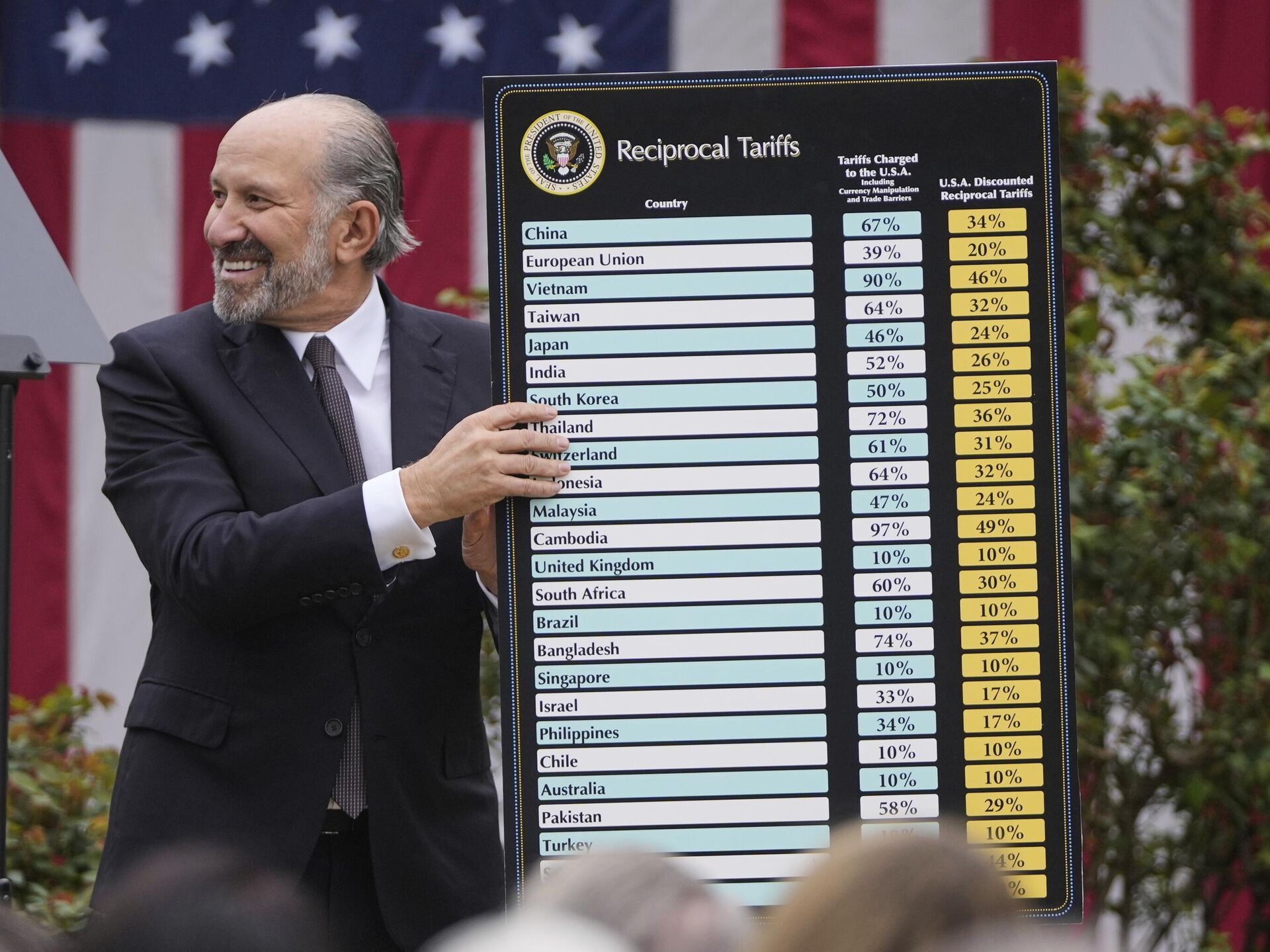
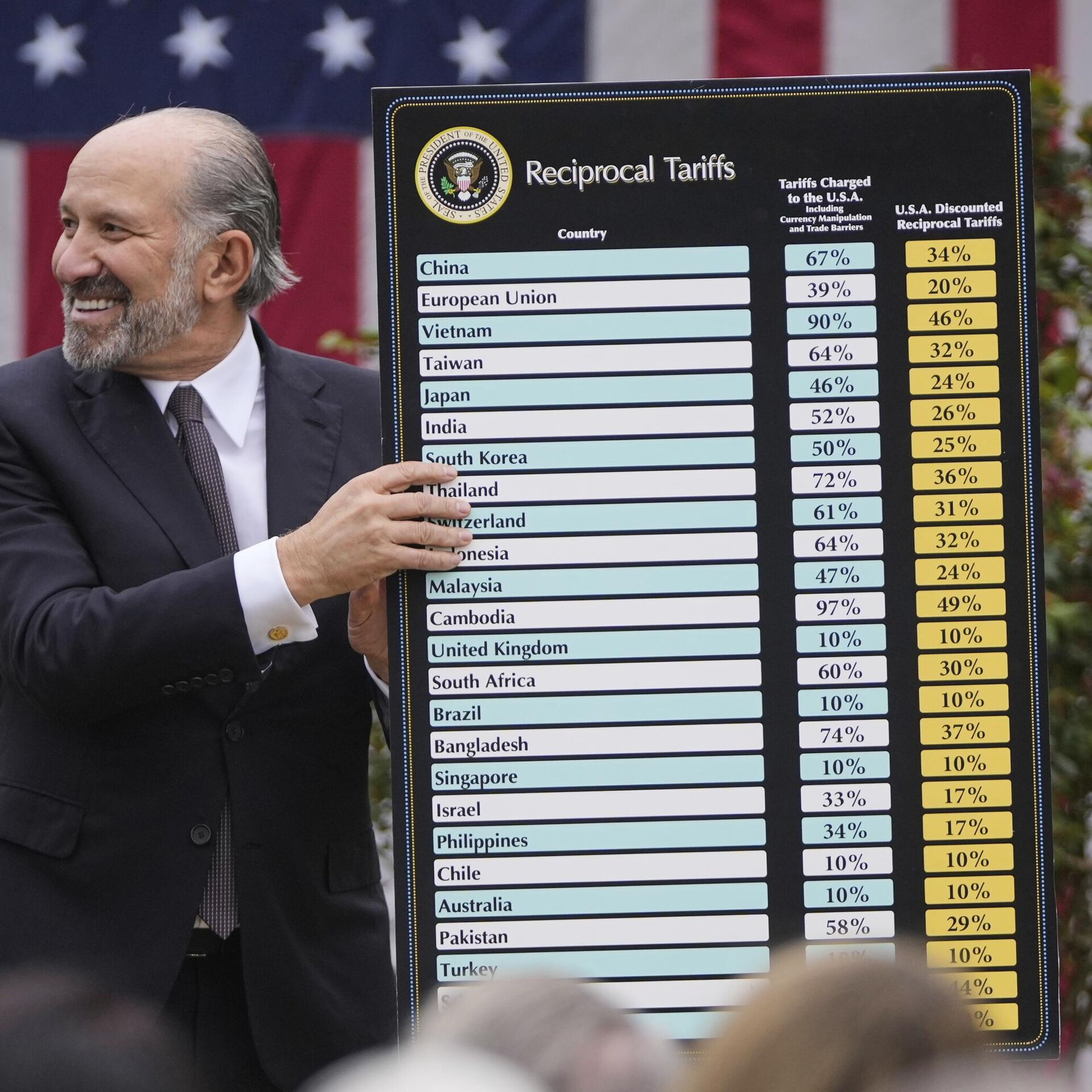
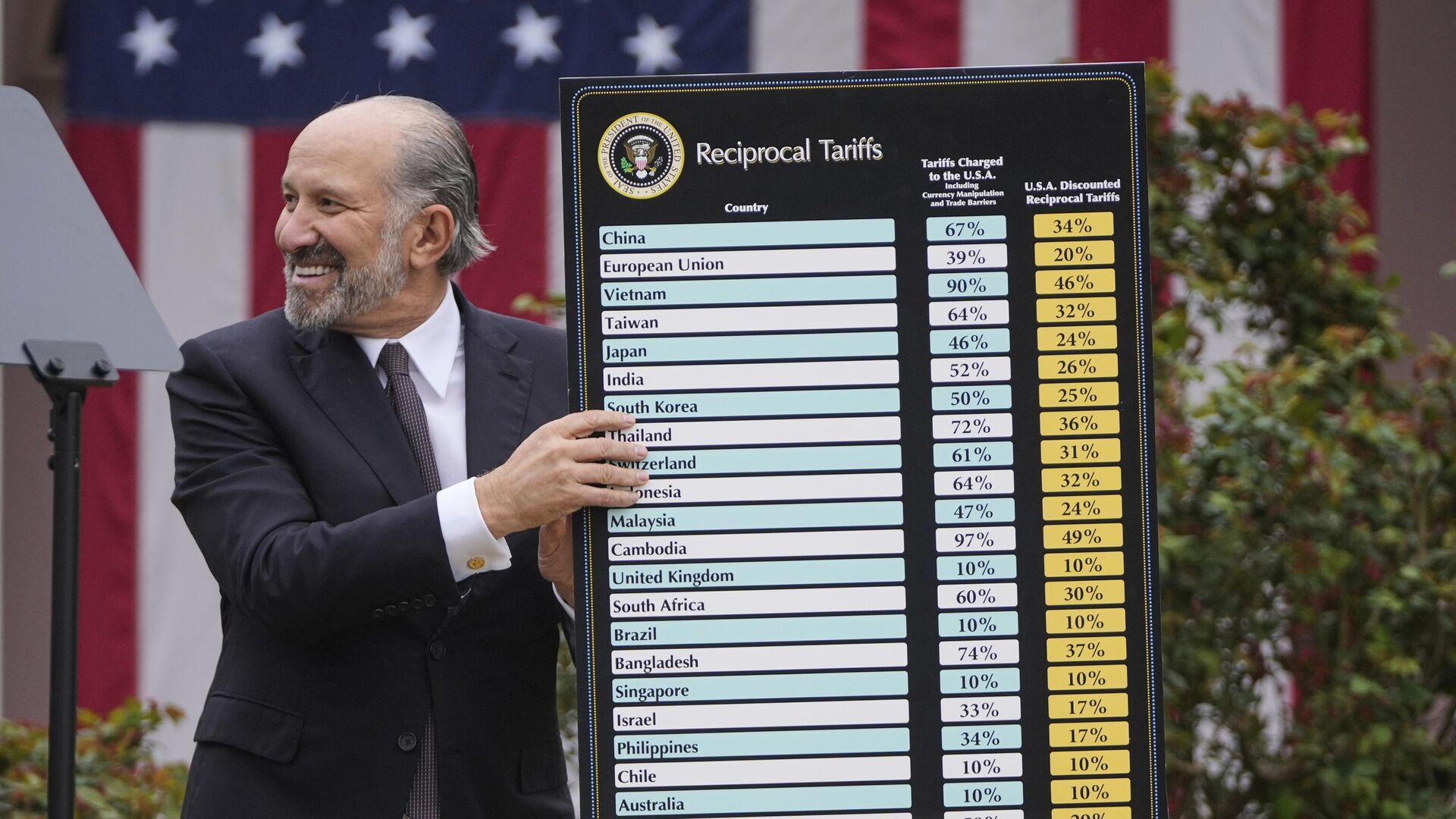
The US has proposed to levy 25% tariffs on Indian imports, claiming that it supports its factories with budget money and, because of this, sells goods cheaper than American ones.
US claims of Indian subsidies creating unfair price advantages rest mainly on a recent Section 301 investigation into structural excess capacity, an expert stated.
The United States Trade Representative (USTR) argues that flagship programmes - Make in India, Atmanirbhar Bharat and the Production-Linked Incentive (PLI) schemes covering 14 sectors - deliberately expand manufacturing capacity beyond what domestic demand can absorb.
Financial incentives tied to incremental sales, manufacturing targets aiming for 25 percent of Gross Domestic Product (GDP), and rising imports of low-cost intermediates from non-market economies (especially China) are said to lower production costs. The resulting surplus output, Washington contends, is exported at prices that undercut American producers, depress US manufacturing employment and widen bilateral trade imbalances.
India rejects the excess-capacity charge, viewing the same policies as legitimate industrial development tools used by many countries, including the United States itself.
The US' proposed remedy is an additional tariff of up to 25 percent on Indian goods (net of existing Section 301 duties), potentially reducible to 17 percent if a reciprocal trade agreement addresses US concerns. Certain categories, notably generic pharmaceuticals and smartphones, are expected to remain exempt.
"The industries most exposed are those already flagged for capacity surpluses and those that form the bulk of non-exempt exports to the United States: solar modules (capacity far exceeding domestic demand), steel, petrochemicals, textiles and apparel, automotive components, construction materials and selected health-related goods," Dr Lekha Chakraborty, economist and professor at the National Institute of Public Finance and Policy (NIPFP) in New Delhi, told Sputnik India.
Labour-intensive segments such as garments, leather and handicrafts would also face sharp margin compression. Higher landed costs risk eroding price competitiveness, deterring further PLI-related investment and slowing private capital expenditure precisely in the sectors New Delhi is trying to scale, she added.
The industrial policy can accelerate structural transformation in emerging economies, yet when large economies simultaneously pursue aggressive capacity expansion and protective tariffs, the risk of mutual efficiency losses and fragmented global value chains rises. A negotiated outcome that disciplines subsidies while preserving policy space for development remains the least-cost path for both sides, the academic summed up.