Imperialism or National Interest? Why Greenland Matters
© AP Photo / Evgeniy Maloletka
Subscribe

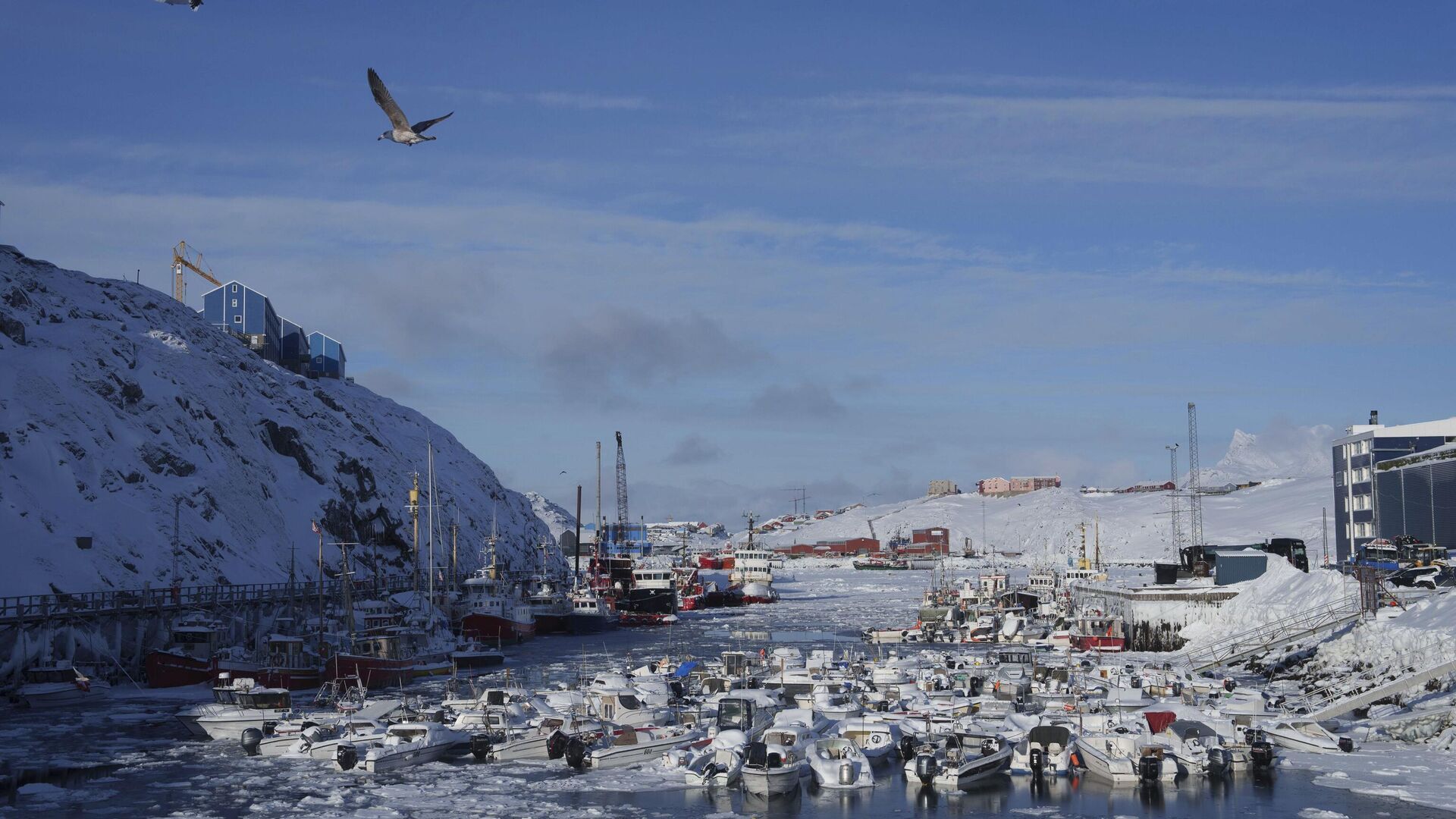
The US government has spoken on multiple occasions about taking over the Arctic island of Greenland, more so after Washington's shock intervention in the Latin American nation of Venezuela.
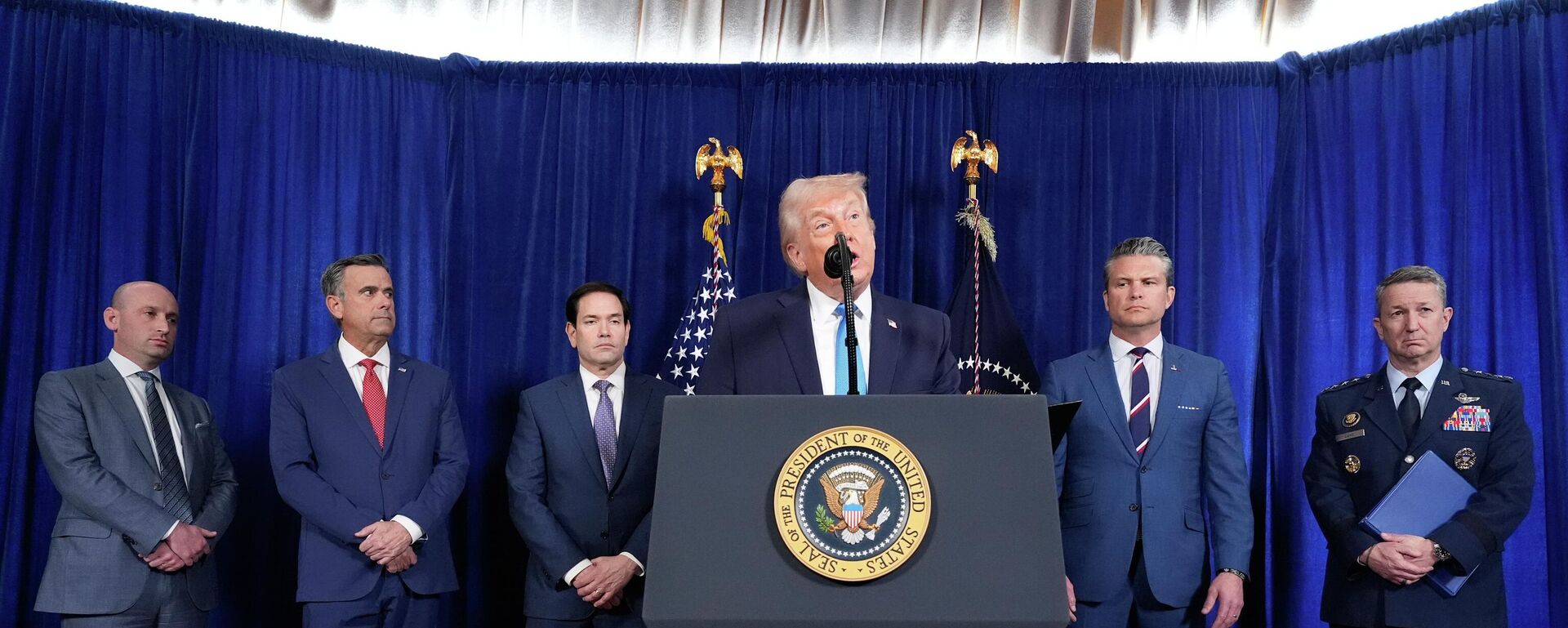
The US has made its ambitions clear about annexing Greenland, with President Donald Trump himself underlining that "we need Greenland from the standpoint of national security."
Furthermore, he's stressed that asserting American control over the vast island is essential to take on Russia and China's growing presence in the Arctic.
Following the capture of Venezuelan leader Nicolas Maduro by US special forces during the weekend, the White House has only sharpened its rhetoric.
Greenland is a greater priority than Venezuela as it would allow the US Right to divide Europe over continuing to engage the US or push back against them, according to Siddhant Hira, who is a Senior Research Associate at NatStrat, a geopolitical think tank based in New Delhi.
Furthermore, he's stressed that asserting American control over the vast island is essential to take on Russia and China's growing presence in the Arctic.
Following the capture of Venezuelan leader Nicolas Maduro by US special forces during the weekend, the White House has only sharpened its rhetoric.
Greenland is a greater priority than Venezuela as it would allow the US Right to divide Europe over continuing to engage the US or push back against them, according to Siddhant Hira, who is a Senior Research Associate at NatStrat, a geopolitical think tank based in New Delhi.
"But at the rate the US is losing allies, President Trump is unlikely to reach a confrontation with BRICS. US action in and against Venezuela and President Maduro's appearance in a New York court have taken American attention away from Europe's talks on Ukraine, which took place in Paris today," Hira told Sputnik India.
Trump feels that both China and Russia have a lead, being in control of the Arctic issues, said Commodore (Retd) Seshadri Vasan, an Indian Navy veteran.
The Arctic is the emerging area of geostrategic importance, and Greenland itself is rich in critical minerals; therefore, it is a two-pronged strategy to annex the Danish territory, he emphasised.
Besides, the US has underlined that the move is necessary for America's national security interests, in addition to containing China and Russia, which have become primary stakeholders in the Arctic.
The US has adopted a unilateral and isolationist approach, both Hira and Vasan suggested.
The Arctic is the emerging area of geostrategic importance, and Greenland itself is rich in critical minerals; therefore, it is a two-pronged strategy to annex the Danish territory, he emphasised.
Besides, the US has underlined that the move is necessary for America's national security interests, in addition to containing China and Russia, which have become primary stakeholders in the Arctic.
The US has adopted a unilateral and isolationist approach, both Hira and Vasan suggested.
"Another perspective on this very approach is that the US is taking decisions and implementing policy purely based on self-interest. The tariffs are a weapon to force the US to focus on domestic manufacturing and production, to keep employment and industry knowledge within the country. A by Americans for Americans approach," Hira pointed out.
The US has been employing this trick of trying to subjugate nations through tariffs. However, it is not new; it started as soon as Trump took office in January 2025, Vasan observed.
"This is where the US and India are at loggerheads, with the former repeatedly threatening the latter with higher tariffs for its energy ties with Russia. The recent declaration that the US could announce additional tariffs on Indian exports to America if Modi didn't make Trump happy by putting a complete stop to imports of crude from Russia and toe their line on other international issues is nothing but another attempt at forcing India to end its strategic autonomy," he asserted.
Nonetheless, India under Prime Minister Narendra Modi is not expected to wilt under US pressure, and that's why there will be upheavals and headwinds for New Delhi, and a balancing act will have to be negotiated to break this impasse, the international relations analyst concluded.