https://sputniknews.in/20260206/potential-us-intervention-in-iran-implications-for-india-10452175.html
Potential US Intervention in Iran: Implications for India
Potential US Intervention in Iran: Implications for India
Sputnik India
US President Donald Trump has repeatedly threatened Iran with an imminent attack if Tehran fails to reach a deal on its nuclear programme, amid nationwide... 06.02.2026, Sputnik India
2026-02-06T20:59+0530
2026-02-06T20:59+0530
2026-02-06T20:59+0530
sputnik opinion
bharatiya janata party (bjp)
india
iran
us
donald trump
tehran
washington d.c.
military build-up
persian gulf (arabian gulf)
https://cdn1.img.sputniknews.in/img/07e8/01/0c/6186418_0:161:3071:1888_1920x0_80_0_0_76ec9353df94982f056973d20a4b7f34.jpg
Any potential intervention by the US in Iran could have implications for India, experts have said.The US has already deployed the Abraham Lincoln Carrier Strike Group, comprising the fifth-generation F-35 fighter jets, in the Middle East to pressure Iran to junk its stockpile of enriched uranium.India has long-term strategic interests in connectivity through Iran, especially access routes to Afghanistan and Central Asia. Escalating conflict or harsher sanctions could slow or complicate these plans, limiting India’s regional trade ambitions, he added.Diplomatically, India values strategic autonomy and has historically maintained strong ties with Tehran alongside its relationship with Washington. Any escalation or external pressure on Iran would complicate the region, the strategic affairs pundit explained.Iran is a different geopolitical theatre with deeper regional complexities. While sanctions pressure could affect foreign participation, a direct parallel is unlikely. India must stay cautious, diversify energy sources, and continue balanced diplomacy, he noted.Any direct US intervention in Iran would add to instability in an already volatile region, but its material exposure today is more limited than in the past, Rahul Wankhede, a Research Analyst at the Manohar Parrikar Institute for Defence Studies and Analyses (MP-IDSA), India's premier national security think tank, asserted in an interview with Sputnik India.India has settled its financial commitments related to Chabahar and reduced direct exposure, so the impact on New Delhi from a Gulf conflict would mainly be indirect — through energy price volatility, shipping disruptions in the Gulf, and tighter diplomatic manoeuvring space in West Asia, he stated.Like Rodrigues, Wankhede stressed that the comparisons of Iran with Venezuela weren't correct because the situations are structurally different.Iran is a far more resilient and strategically central actor, and India has deliberately reduced its visibility and exposure to manage geopolitical risk, despite attempts by rival powers to push it out, the think tanker concluded.
https://sputniknews.in/20260206/iran-deploys-its-newest-ballistic-missile-khorramshahr-4-on-combat-duty---reports-10449052.html
india
iran
us
tehran
washington d.c.
persian gulf (arabian gulf)
middle east
delhi
new delhi
chabahar port
Sputnik India
feedback.hindi@sputniknews.com
+74956456601
MIA „Rossiya Segodnya“
2026
Pawan Atri
https://cdn1.img.sputniknews.in/img/07e6/0c/13/139630_147:0:831:684_100x100_80_0_0_8fa2b25903e7787fe6a2698552c167df.png
Pawan Atri
https://cdn1.img.sputniknews.in/img/07e6/0c/13/139630_147:0:831:684_100x100_80_0_0_8fa2b25903e7787fe6a2698552c167df.png
News
en_IN
Sputnik India
feedback.hindi@sputniknews.com
+74956456601
MIA „Rossiya Segodnya“
Sputnik India
feedback.hindi@sputniknews.com
+74956456601
MIA „Rossiya Segodnya“
Pawan Atri
https://cdn1.img.sputniknews.in/img/07e6/0c/13/139630_147:0:831:684_100x100_80_0_0_8fa2b25903e7787fe6a2698552c167df.png
bharatiya janata party (bjp), india, iran, us, donald trump, tehran, washington d.c., military build-up, persian gulf (arabian gulf), middle east, delhi, new delhi, chabahar port
bharatiya janata party (bjp), india, iran, us, donald trump, tehran, washington d.c., military build-up, persian gulf (arabian gulf), middle east, delhi, new delhi, chabahar port
Potential US Intervention in Iran: Implications for India
US President Donald Trump has repeatedly threatened Iran with an imminent attack if Tehran fails to reach a deal on its nuclear programme, amid nationwide anti-government demonstrations last month.
Any potential intervention by the US in Iran could have implications for India, experts have said.
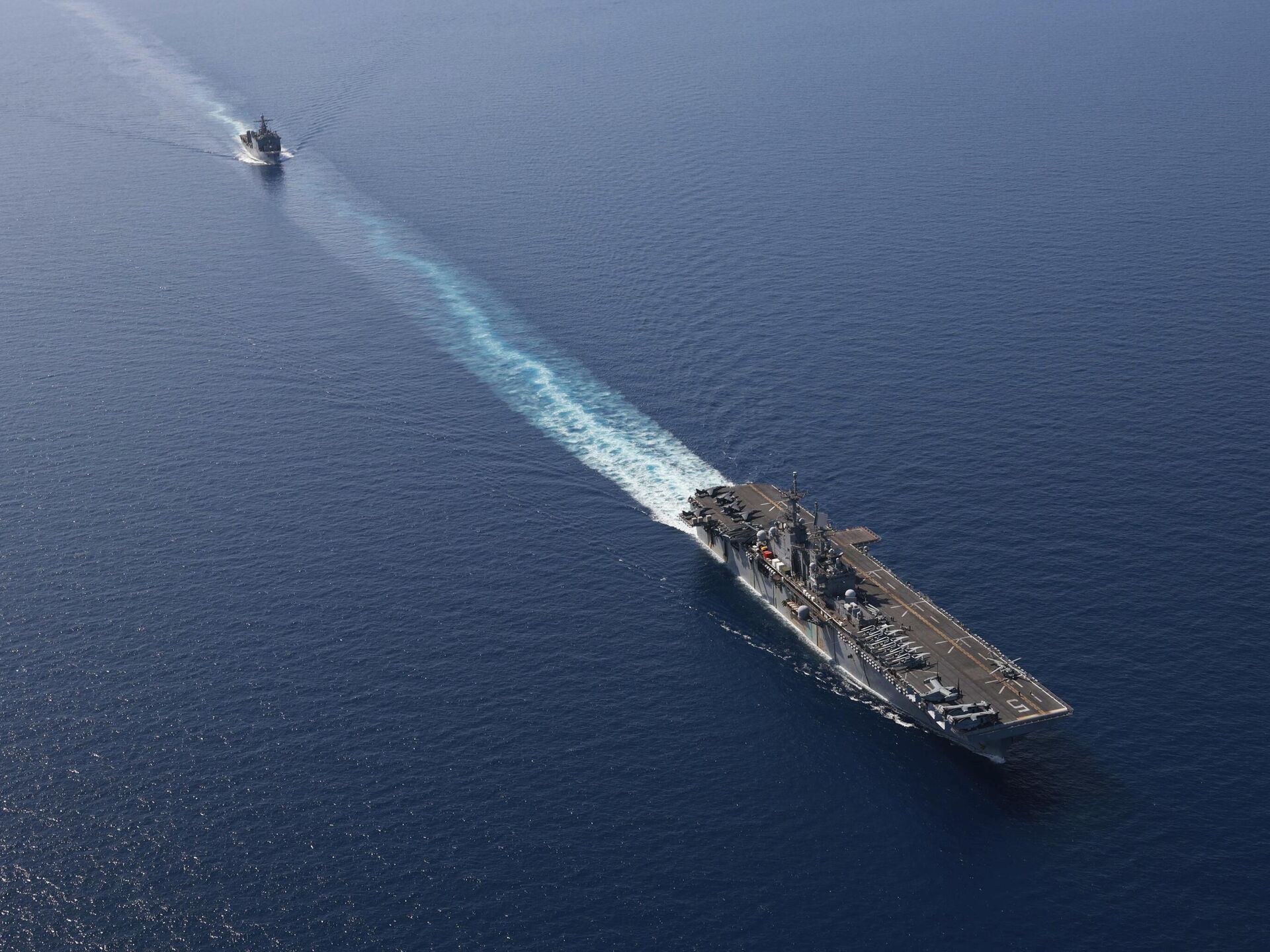
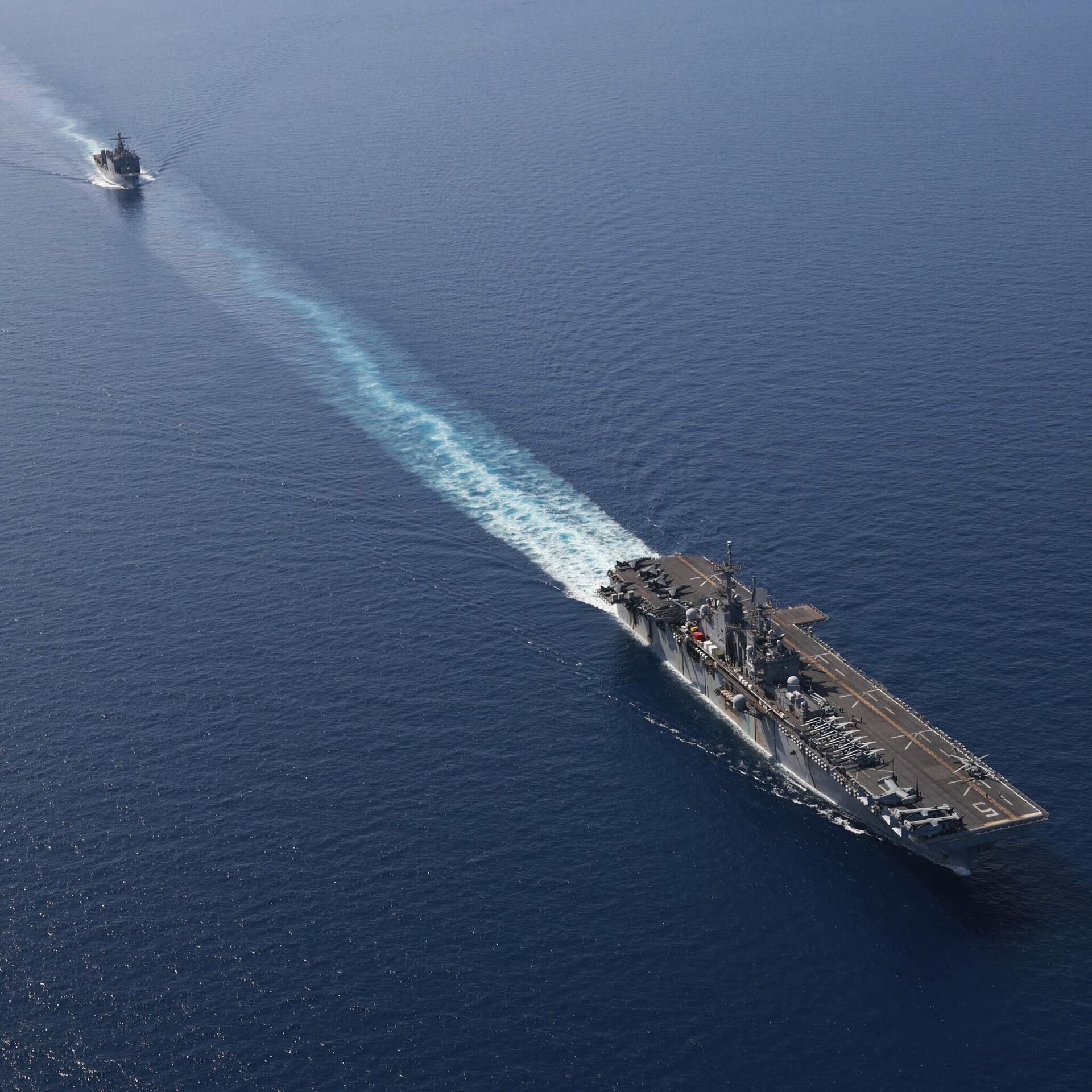
The US has already deployed the Abraham Lincoln Carrier Strike Group, comprising the fifth-generation F-35 fighter jets, in the Middle East to pressure Iran to junk its stockpile of enriched uranium.
"India's foremost concern would be energy security. Instability in the Gulf region would push global oil prices higher. At a time when India is focused on growth and stability, such external shocks would be unwelcome," BJP politician Savio Rodrigues told Sputnik India.
India has long-term strategic interests in connectivity through Iran, especially access routes to Afghanistan and Central Asia. Escalating conflict or harsher sanctions
could slow or complicate these plans, limiting India’s regional trade ambitions, he added.
Diplomatically, India values strategic autonomy and has historically maintained strong ties with Tehran alongside its relationship with Washington. Any escalation or external pressure on Iran would complicate the region, the strategic affairs pundit explained.
"However, comparisons with Venezuela are not exact. The situation involving Nicolas Maduro led to a major geopolitical disruption and the sidelining of Russia-linked interests there," Rodrigues underscored.
Iran is a different geopolitical theatre with deeper regional complexities. While sanctions pressure could affect foreign participation, a direct parallel is unlikely. India must stay cautious, diversify energy sources, and continue balanced diplomacy, he noted.
Any direct US intervention in Iran would add to instability in an already volatile region, but its material exposure today is more limited than in the past, Rahul Wankhede, a Research Analyst at the Manohar Parrikar Institute for Defence Studies and Analyses (MP-IDSA), India's premier national security think tank, asserted in an interview with Sputnik India.
India has settled its financial commitments related to Chabahar and reduced direct exposure, so the impact on New Delhi from a Gulf conflict would mainly be indirect — through energy price volatility, shipping disruptions in the Gulf, and tighter diplomatic manoeuvring space in West Asia, he stated.
"In past escalations, heightened US–Israel actions against Iran have also revived debate in India about its defence ties with Israel, even as New Delhi has consistently sought to maintain a neutral, diplomatic stance to protect its broader regional interests," Wankhede stressed.
Like Rodrigues, Wankhede stressed that the comparisons of Iran with
Venezuela weren't correct because the situations are structurally different.
Iran is a far more resilient and strategically central actor, and India has deliberately reduced its visibility and exposure to manage geopolitical risk, despite attempts by rival powers to push it out, the think tanker concluded.