Why the Critical Minerals Pact With Brazil Carries Deep Strategic Weight for India?
© AP Photo / Rick Bowmer
Subscribe

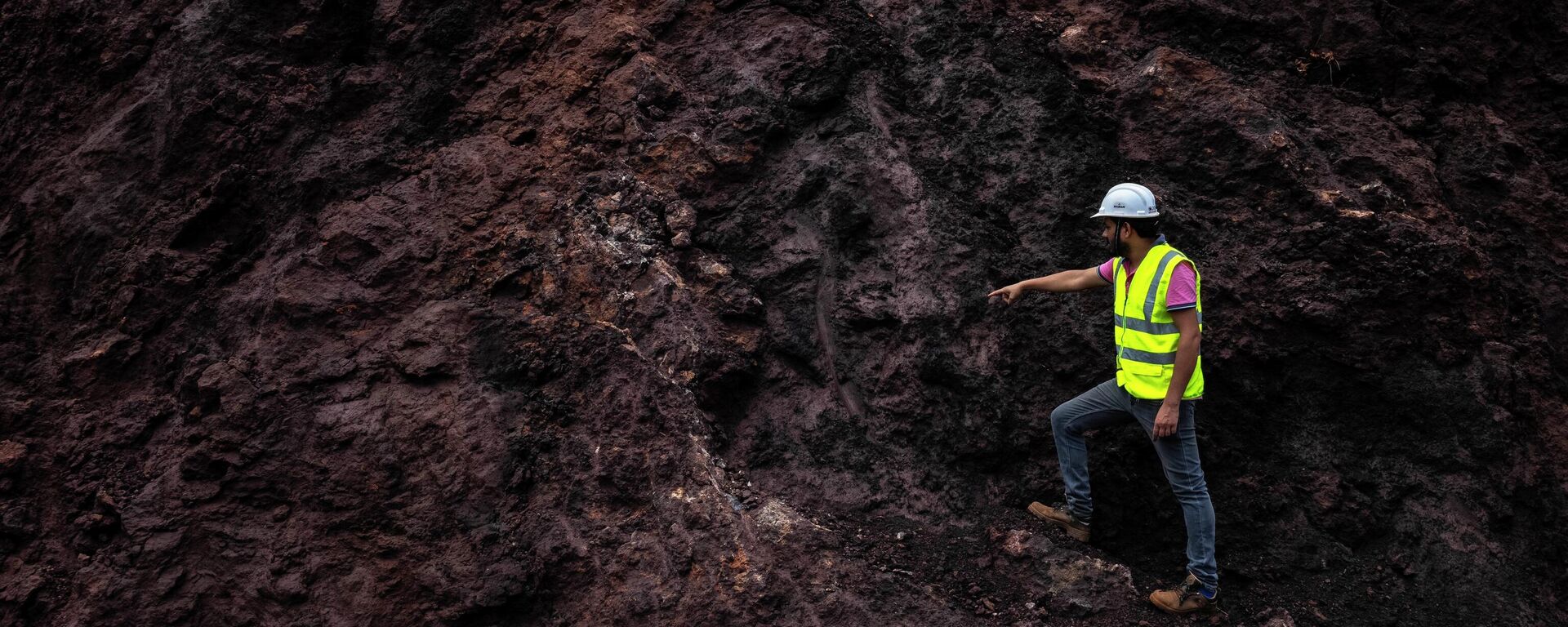
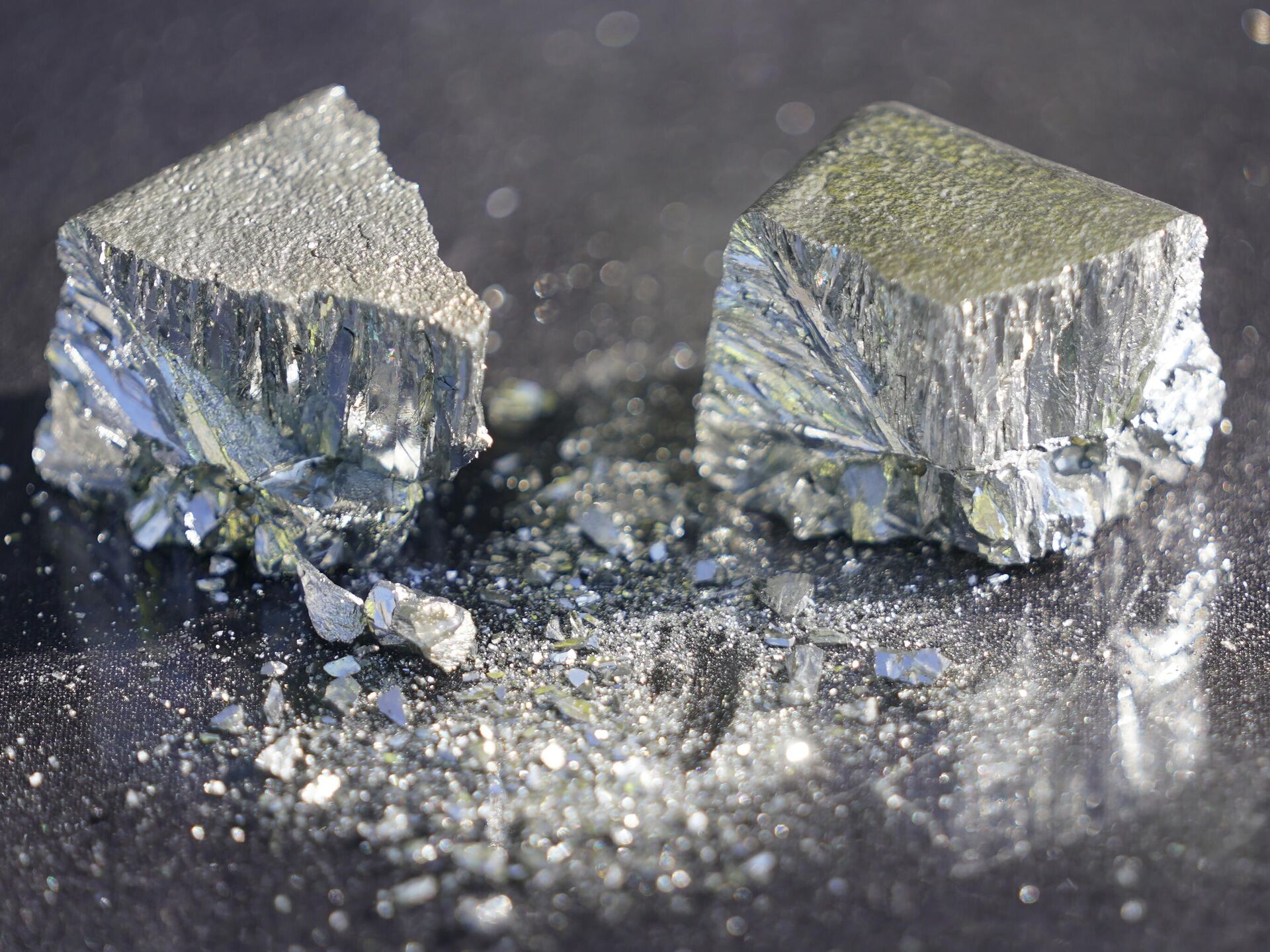
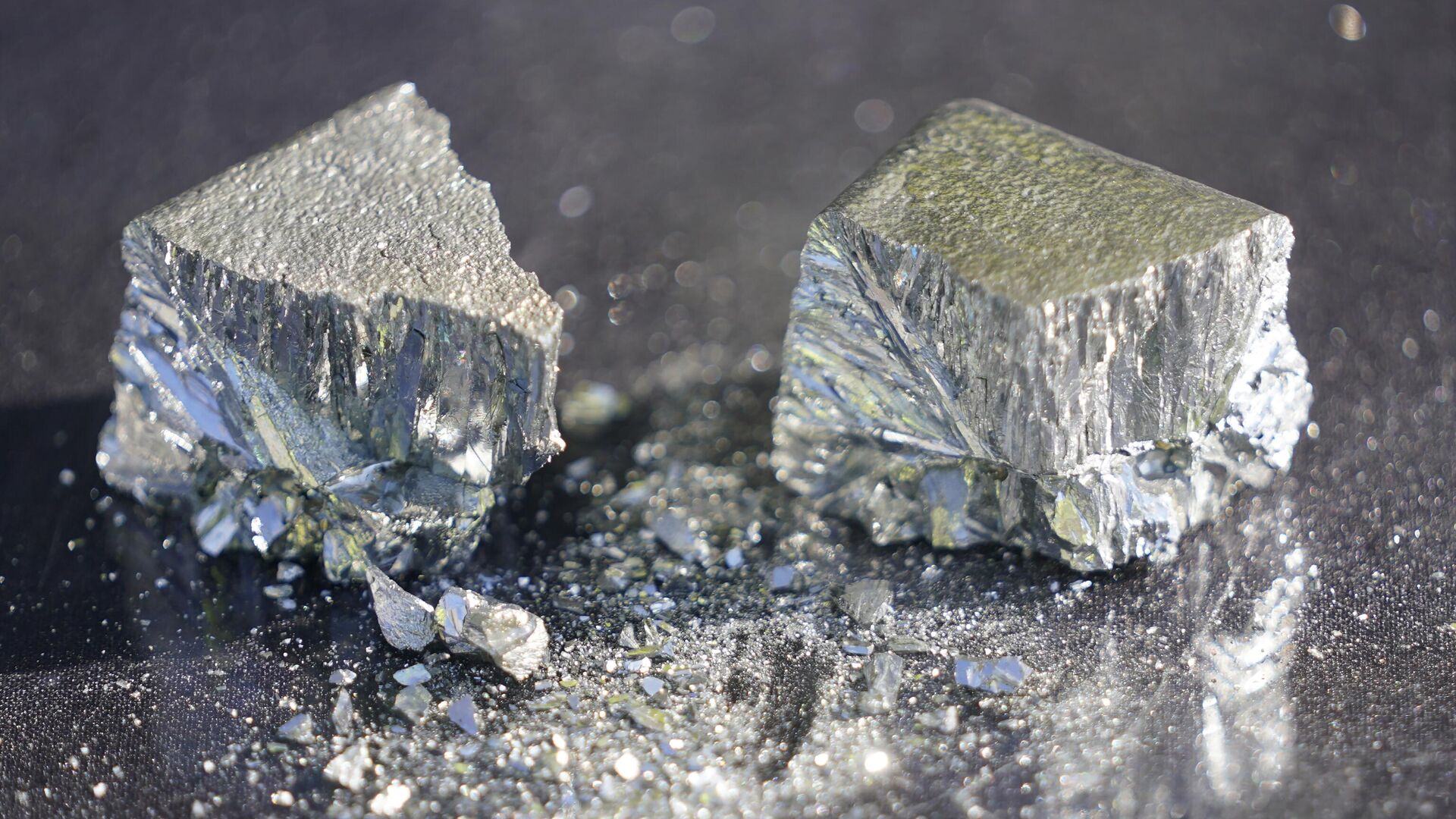
Rare Earth Elements and critical minerals are vital for a host of defence industries, like jet engines, guided weapons and underwater platforms.
Brazil and India inked a landmark agreement on critical minerals and rare earths as the two BRICS partners expanded their bilateral cooperation in these vital sectors, long marked by China's dominance.
"The agreement on critical minerals and rare earths is a major step toward building resilient supply chains," Prime Minister Narendra Modi said at a joint press conference with Brazilian President Luiz Inacio Lula da Silva in New Delhi on Saturday.
India's dependence on China for critical minerals and rare earths — which power everything from smartphones and electric vehicles to solar panels and defence systems — has long been a strategic vulnerability, underscored Bengaluru-based international affairs commentator Girish Linganna.
China controls over 90% of global processing capacity and supplies 80–90% of India's needs, meaning any disruption there can ripple directly into the country's factories, energy plans, and security, he added.
China controls over 90% of global processing capacity and supplies 80–90% of India's needs, meaning any disruption there can ripple directly into the country's factories, energy plans, and security, he added.
"The agreement signed with Brazil on February 21, 2026, is a meaningful step toward reducing that dependence. Brazil holds the world's second-largest reserves of these minerals, making it a natural and credible partner. The pact enables joint exploration of new deposits, technology sharing, including AI-driven mining solutions, and co-investment in processing facilities — addressing not just raw supply but the refining capacity India currently lacks domestically," Linganna told Sputnik India.
Crucially, this is about building resilience, not just adding one more supplier. By establishing direct partnerships, shared infrastructure, and long-term supply commitments, India begins to construct a genuinely alternative chain — one that is geographically distant from Chinese influence, the pundit explained.
Over time, this diversification could stabilise prices, strengthen India's green energy transition, and reduce the geopolitical risk of over-reliance on a single dominant source, he stressed.
Over time, this diversification could stabilise prices, strengthen India's green energy transition, and reduce the geopolitical risk of over-reliance on a single dominant source, he stressed.
"Think of critical minerals as the secret ingredients in India's defence kitchen — without them, you simply cannot cook. No jet engines, no guided missiles, no submarines. Materials like titanium, niobium, and rare earth elements are quietly embedded in almost every sophisticated weapons system India operates or aspires to build, from sonar arrays on underwater platforms to the precision guidance systems inside smart bombs," Linganna underlined.
Brazil holds vast reserves of these critical minerals and carries no strategic rivalry with India, making it a genuinely trustworthy partner, he asserted.
Securing alternative supply through this agreement means Indian defence manufacturers can plan long-term, price weapons programmes more predictably, and reduce dangerous dependence on a single geopolitically sensitive source, the defence analyst emphasised.
"But beyond supply, this is fundamentally about sovereignty. A nation that controls its own access to defence-critical materials builds faster, negotiates harder, and ultimately fights smarter. True military strength, as this pact quietly reminds us, doesn't begin on the battlefield — it begins deep inside the supply chain," Linganna declared.
Meanwhile, Dr Raj Kumar Sharma, a Senior Research Fellow at that national security think tank, NatStrat, believes that the pact with Brazil will reduce India's vulnerability to single-source disruptions and global price or export controls by any one country.
Also, there is scope for joint ventures, technology transfer, and investment in processing capacity, which can help India eventually move beyond just importing raw materials to participating in their value-added processing. All this adds up to supporting India's long-term goals in clean energy, advanced manufacturing, and national security, he noted.
Furthermore, this strengthens the reliability of supplies for defence production and reduces the risk of bottlenecks in critical hardware manufacturing. With stable access to critical minerals, India can scale up domestic manufacturing of defence components, the expert claimed.
Also, there is scope for joint ventures, technology transfer, and investment in processing capacity, which can help India eventually move beyond just importing raw materials to participating in their value-added processing. All this adds up to supporting India's long-term goals in clean energy, advanced manufacturing, and national security, he noted.
Furthermore, this strengthens the reliability of supplies for defence production and reduces the risk of bottlenecks in critical hardware manufacturing. With stable access to critical minerals, India can scale up domestic manufacturing of defence components, the expert claimed.
"Moreover, the agreement ties into broader strategic efforts like India's participation in global supply-chain initiatives to build resilient technology value chains that include rare earths, semiconductors, and AI-enabled systems. For defence, this means greater capacity to pursue next-generation systems (e.g., sensors, precision guidance, autonomous platforms)," Sharma concluded.