Iran–Israel-US War: Global Energy Market Shock and Risks for India’s Agriculture
© Sputnik
Subscribe

The nearly two-week military confrontation between Israel and its staunch ally, the US, and the Islamic Republic of Iran has transformed oil markets into a geopolitical battleground, pushing crude prices to record highs.
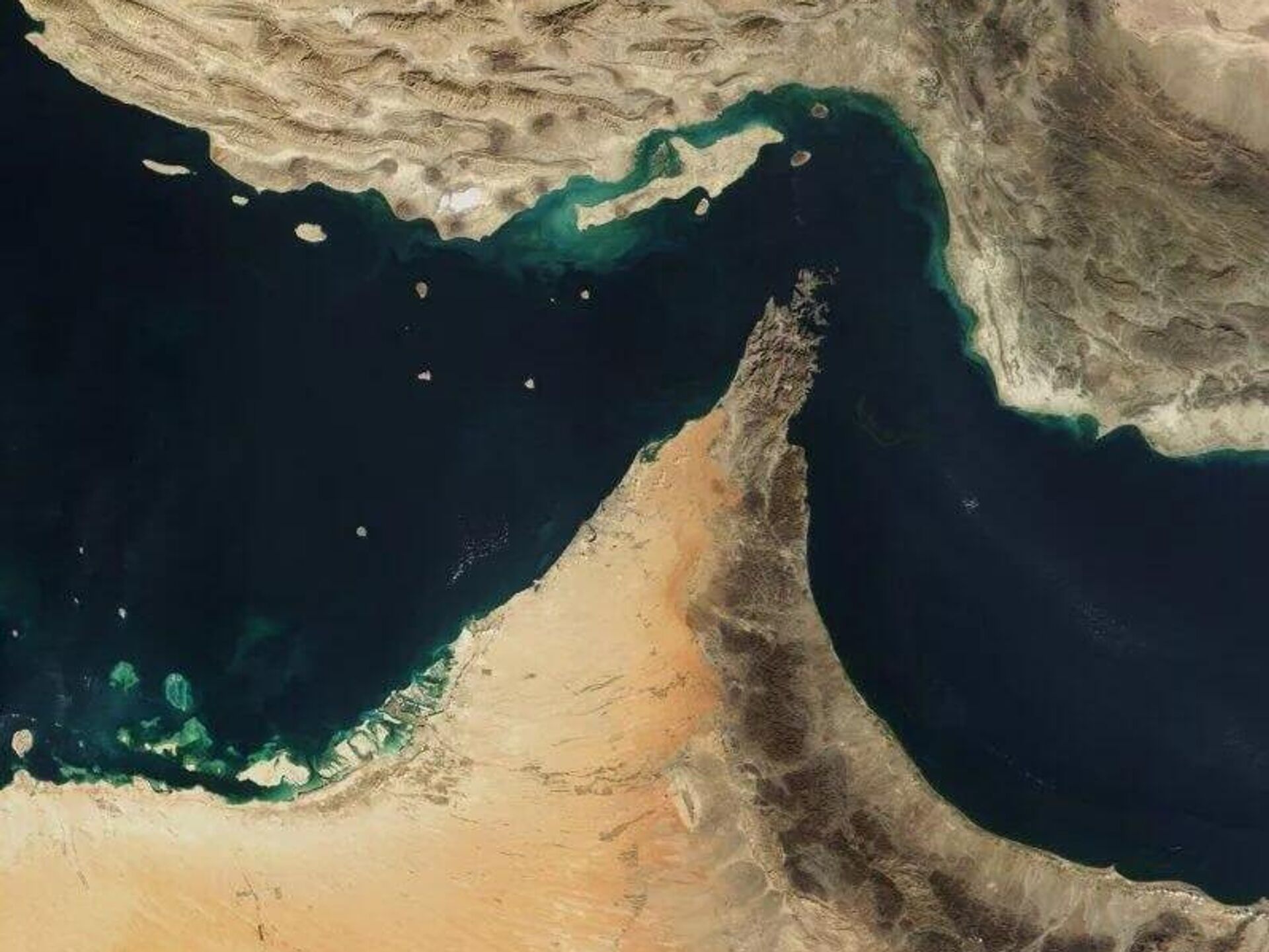
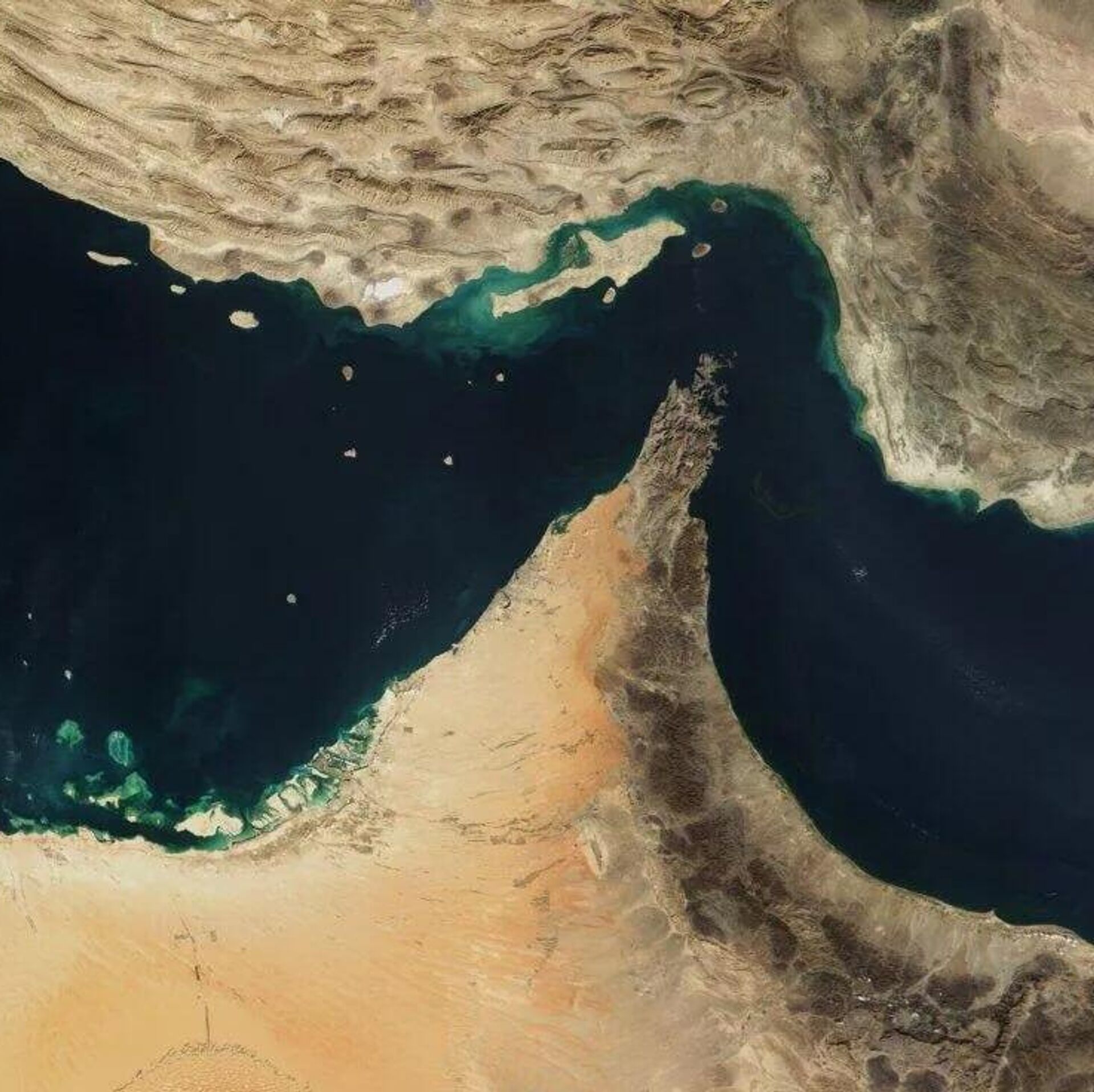
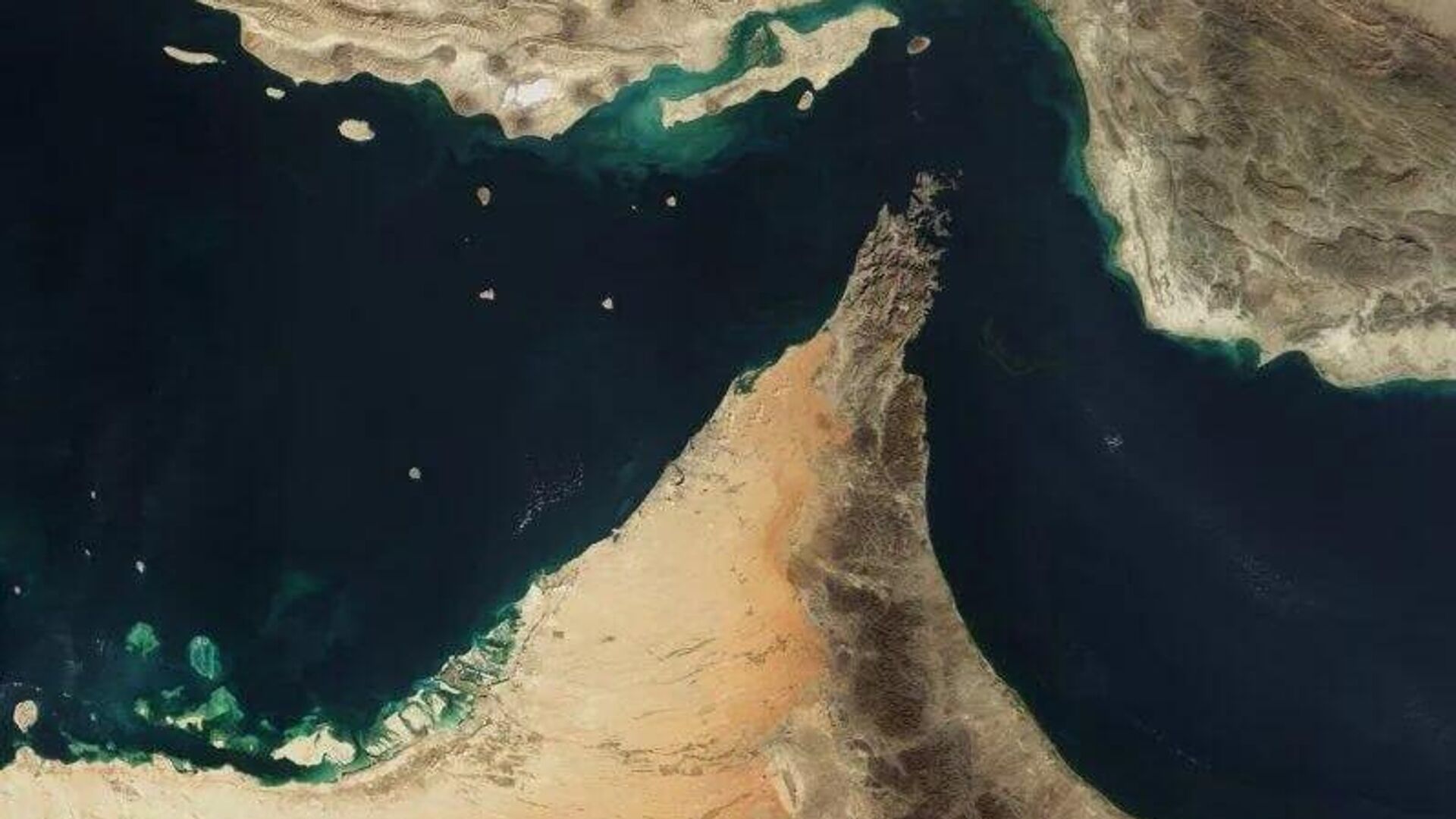
With the Strait of Hormuz closed, through which a fifth of global energy trade passes, several nations have drawn on emergency measures, including releasing millions of barrels of oil from their strategic reserves.
While both the US and Iran have claimed victories in the conflict, a prolonged battle cannot be ruled out, something that is expected to have a devastating effect on the global economy.
Furthermore, Tehran has set tough conditions for resuming talks: guarantees against renewed war, the right to a full nuclear fuel cycle, and compensation for damages, terms that Washington is unlikely to accept, unless there is a dramatic U-turn in its position.
While both the US and Iran have claimed victories in the conflict, a prolonged battle cannot be ruled out, something that is expected to have a devastating effect on the global economy.
Furthermore, Tehran has set tough conditions for resuming talks: guarantees against renewed war, the right to a full nuclear fuel cycle, and compensation for damages, terms that Washington is unlikely to accept, unless there is a dramatic U-turn in its position.
"Iran is fighting a war for its survival and is therefore unlikely to agree to any terms where it either looks weak or is leaving an option of renewed conflict after a few years. Having borne the brunt of heavy strikes from the US and Israel, including the killing of its Supreme Leader and over 40 top generals, it is seeking retribution as well as redemption. The new Supreme Leader, as well as the IRGC, which controls the important institutions in the country, would be looking at this war as an opportunity to emerge stronger in the public eye," retired Colonel Rajeev Agarwal, a West Asia analyst and a Senior Research Consultant at the Chintan Research Foundation, a Delhi-based strategic affairs think tank, told Sputnik India.
For the US, a low-intensity conflict is an unlikely option as it requires a completely different set of warfare instruments and strategies, which for it would be extremely difficult to execute thousands of kilometres away from its homeland. Also, the destruction of its military bases in the region makes this option even more difficult, he added.
In case of Washington's rejection of Iran's conditions, there will be a reconfiguration of Washington's strategy, combining military deterrence, economic sanctions, and proxy containment, stated Dr Umesh Kumar, an international relations academic at O. P. Jindal Global University.
The US may expand its maritime security operations, prioritising the protection of energy shipping routes. The US may deploy additional naval carriers and expand maritime patrols. Also, it may further strengthen the regional security structure involving Saudi Arabia, UAE and integrating missile defence and intelligence sharing, he reckoned.
In case of Washington's rejection of Iran's conditions, there will be a reconfiguration of Washington's strategy, combining military deterrence, economic sanctions, and proxy containment, stated Dr Umesh Kumar, an international relations academic at O. P. Jindal Global University.
The US may expand its maritime security operations, prioritising the protection of energy shipping routes. The US may deploy additional naval carriers and expand maritime patrols. Also, it may further strengthen the regional security structure involving Saudi Arabia, UAE and integrating missile defence and intelligence sharing, he reckoned.
"Intensification of economic pressure on Iran through financial isolation based on global banking restrictions and secondary sanctions targeting companies trading with Iran may continue. Besides, the effects on global oil markets may be reflected in price volatility and supply disruptions," Kumar underscored.
Notably, the Gulf crisis is not only having an adverse effect on global oil prices but has also hurt India's fertiliser imports.
Approximately 30% of India's fertiliser requirement is met through imports. The Middle East accounts for roughly 40% of these imports, which have taken a hit in the wake of the current conflict between Tel Aviv, Washington and Tehran.
As India heavily depends on imports of finished fertilisers and the raw materials needed to produce them, the conflict poses an immediate threat to its agricultural sector, underlined Santosh Verma, an agriculture specialist, who previously served as an Assistant Professor at the Tata Institute of Social Sciences, Hyderabad.
In 2024-25, India consumed around 70.7 million metric tonnes (MMT) of total fertilisers. It included consumption of Urea (38.8 MMT), DAP (9.3 MMT), NPK (complex) (14.2 MMT), Potash (2.2 MMT) and Single Super Phosphate (SSP) (4.93 MMT). Of this total consumption of fertilisers, 51.6 MMT was domestically produced fertilisers, whereas 19.1 MMT (27.1 percent of the total consumption) were imported from other countries, he highlighted.
India imports 21 percent of consumed Urea, half of DAP, hundred percent potash fertilisers and 19 percent of NPK (complex), the analyst stressed.
Approximately 30% of India's fertiliser requirement is met through imports. The Middle East accounts for roughly 40% of these imports, which have taken a hit in the wake of the current conflict between Tel Aviv, Washington and Tehran.
As India heavily depends on imports of finished fertilisers and the raw materials needed to produce them, the conflict poses an immediate threat to its agricultural sector, underlined Santosh Verma, an agriculture specialist, who previously served as an Assistant Professor at the Tata Institute of Social Sciences, Hyderabad.
In 2024-25, India consumed around 70.7 million metric tonnes (MMT) of total fertilisers. It included consumption of Urea (38.8 MMT), DAP (9.3 MMT), NPK (complex) (14.2 MMT), Potash (2.2 MMT) and Single Super Phosphate (SSP) (4.93 MMT). Of this total consumption of fertilisers, 51.6 MMT was domestically produced fertilisers, whereas 19.1 MMT (27.1 percent of the total consumption) were imported from other countries, he highlighted.
India imports 21 percent of consumed Urea, half of DAP, hundred percent potash fertilisers and 19 percent of NPK (complex), the analyst stressed.
"India sources around 75 percent of its Urea imports and a significantly larger share of DAP from the Gulf Cooperation Council (GCC) countries that include Oman, Saudi Arabia, the United Arab Emirates and Qatar. But the blockade of the Strait of Hormuz is surely affecting the supply of these fertilisers, negatively impacting the agricultural activities in India as the vast majority of these imported fertilisers pass through the Strait," Verma said in an interview with Sputnik India.
The plants that produce Urea within India depend almost entirely on liquified natural gas (LNG) imported from Qatar. Around 30% of the total LNG used in India goes to fertiliser companies to produce Urea and other fertilisers. Due to the ongoing full-blown war in West Asia, the supplies of LNG have faced severe disruption. It has forced major Urea factories, including IFFCO, to shut down or pause operations, he explained.
The disruption in fertiliser availability to the farmers will affect the ongoing agricultural activities and will also severely affect the upcoming Kharif (Monsoon) season. The Kharif season accounts for more than half of India's total food grain production, including rice, pulses and oilseeds, the observer emphasised.
The disruption in fertiliser availability to the farmers will affect the ongoing agricultural activities and will also severely affect the upcoming Kharif (Monsoon) season. The Kharif season accounts for more than half of India's total food grain production, including rice, pulses and oilseeds, the observer emphasised.
"If the war continues and the fertiliser availability is disrupted, the productivity of crops may decline by 15 to 20 percent. Input costs of fertilisers will go up by 30-35 percent as the conflict has forced the ships either to stay in the ocean or take a longer route to reach India. The surge in fertiliser prices will either fall on farmers or on the Government of India through higher fertiliser subsidies, which is already 4.06 percent of the total agricultural GDP of India in 2024-25," Verma assessed.
If fertilisers become expensive or supply is short, farmers may respond by reducing the application of these fertilisers, causing reduced yields and vis-à-vis reduced production that can trigger a cycle of higher food inflation by the second half of 2026 and 2027, he suggested.
To mitigate the crisis, the Government should create a buffer stock of fertilisers and diversify the supply routes of fertilisers so that shipments can be made through non-conflict zones and the disruption in the Persian Gulf doesn't cause shortages at the farm gate. Alternatively, the government of India should heavily push the use of Nano urea and Nano DAP to significantly reduce the bulk import requirement of conventional fertilisers, the researcher summed up.
To mitigate the crisis, the Government should create a buffer stock of fertilisers and diversify the supply routes of fertilisers so that shipments can be made through non-conflict zones and the disruption in the Persian Gulf doesn't cause shortages at the farm gate. Alternatively, the government of India should heavily push the use of Nano urea and Nano DAP to significantly reduce the bulk import requirement of conventional fertilisers, the researcher summed up.