https://sputniknews.in/20260328/iran-lifts-hormuz-blockade-for-friendly-india-has-neutrality-paid-off-10679658.html
Iran Lifts Hormuz Blockade For Friendly India: Has Neutrality Paid Off?
Iran Lifts Hormuz Blockade For Friendly India: Has Neutrality Paid Off?
Sputnik India
The Strait of Hormuz is vital to Indian energy security, with nearly 50% of its oil and around 60% of its gas supplies passing through the waterway that... 28.03.2026, Sputnik India
2026-03-28T12:16+0530
2026-03-28T12:16+0530
2026-03-28T12:16+0530
sputnik opinion
india
iran
strait of hormuz
indian navy
liquefied natural gas (lng)
lng supplies
oil supplies
oil exporters
global oil production
https://cdn1.img.sputniknews.in/img/07ea/03/1c/10683309_0:157:1280:877_1920x0_80_0_0_1ae8a762fa30adfc2783941511c3c2bf.jpg
The maritime chokepoint, through which a fifth of global energy trade passes, has been under Iranian control since February when Israel and the US launched their military campaign against Iran. But Iranian Foreign Minister Abbas Araghchi confirmed that while the strait remains out of bounds for Iran's enemies, it is open to ships from friendly nations.He said Iran has given safe passage to ships from India, China, Russia, Pakistan, Iraq, and Bangladesh, two of whose vessels sailed through a few nights earlier."These are countries that spoke with us and coordinated with us, and this will continue in the future as well, even after the war," Araghchi added.Strategic affairs pundits have described the situation as a "win for Indian diplomacy".Iran's free pas to Indian tankers return the favour for its help, said commander Sandeep Dhawan, a former pilot in the Indian Navy.Fellow Indian Navy veteran commodore Seshadri Vasan now Director General of think-tank the Chennai Centre for China Studies (C3S), believes India had its own challenges to ensure its energy security.India has taken a neutral strance in the war and called for peace. It has also given sanctuary to Iranian ships that joined the International Fleet Review in Visakhapatnam and were on course to return to Iran, he stressed.Those moves sent clear signals to Iran that India does not support the war in any manner, but offered humanitarian support to Iranian ship crews stationed in India.He said the Indian government deserved praise for finding alternative sources of oil and gas and cutting petrol and diesel duty.
https://sputniknews.in/20260327/india-decides-to-keep-domestic-prices-unchanged-despite-global-oil-shock-10678179.html
india
iran
strait of hormuz
us
israel
tehran
washington d.c.
Sputnik India
feedback.hindi@sputniknews.com
+74956456601
MIA „Rossiya Segodnya“
2026
Pawan Atri
https://cdn1.img.sputniknews.in/img/07e6/0c/13/139630_147:0:831:684_100x100_80_0_0_8fa2b25903e7787fe6a2698552c167df.png
Pawan Atri
https://cdn1.img.sputniknews.in/img/07e6/0c/13/139630_147:0:831:684_100x100_80_0_0_8fa2b25903e7787fe6a2698552c167df.png
News
en_IN
Sputnik India
feedback.hindi@sputniknews.com
+74956456601
MIA „Rossiya Segodnya“
Sputnik India
feedback.hindi@sputniknews.com
+74956456601
MIA „Rossiya Segodnya“
Pawan Atri
https://cdn1.img.sputniknews.in/img/07e6/0c/13/139630_147:0:831:684_100x100_80_0_0_8fa2b25903e7787fe6a2698552c167df.png
india, iran, strait of hormuz, indian navy, liquefied natural gas (lng), lng supplies, oil supplies, oil exporters, global oil production, us, israel, tehran, washington d.c.
india, iran, strait of hormuz, indian navy, liquefied natural gas (lng), lng supplies, oil supplies, oil exporters, global oil production, us, israel, tehran, washington d.c.
Iran Lifts Hormuz Blockade For Friendly India: Has Neutrality Paid Off?
The Strait of Hormuz is vital to Indian energy security, with nearly 50% of its oil and around 60% of its gas supplies passing through the waterway that connects the Persian Gulf with the Gulf of Oman.
The maritime chokepoint, through which a fifth of global energy trade passes, has been under Iranian control since February when Israel and the US
launched their military campaign against Iran.
But Iranian Foreign Minister
Abbas Araghchi confirmed that while the strait remains out of bounds for Iran's enemies, it is open to ships from friendly nations.
"Many of the shipowners, or the countries that own these vessels, have contacted us and requested that we ensure their safe passage through the strait," Araghchi said. "For some of these countries that we consider friendly, or in cases where we have decided to do so for other reasons, our armed forces have provided safe passage."
He said Iran has given safe passage to ships from India, China, Russia, Pakistan, Iraq, and Bangladesh, two of whose vessels sailed through a few nights earlier.
"These are countries that spoke with us and coordinated with us, and this will continue in the future as well, even after the war," Araghchi added.
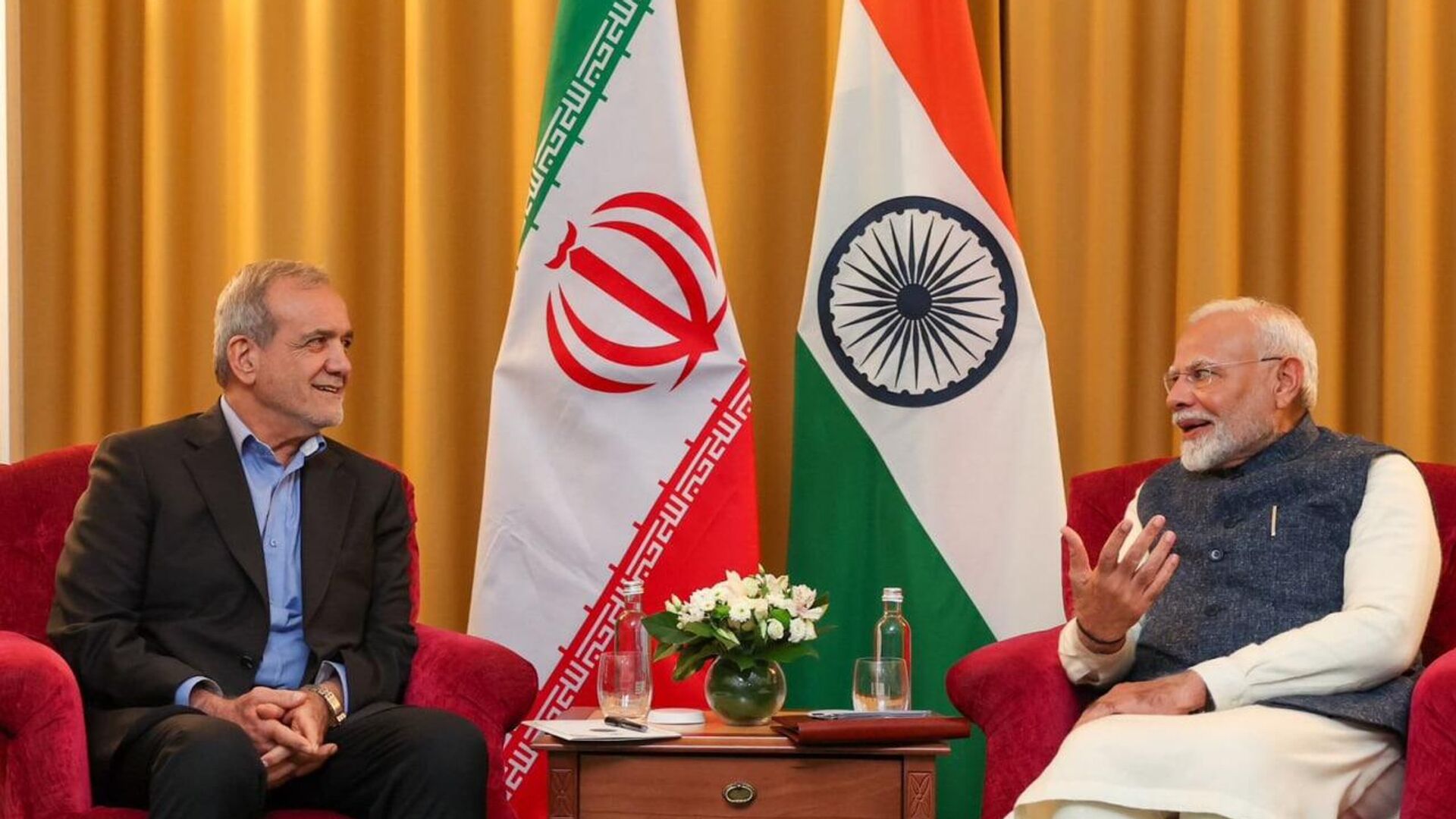
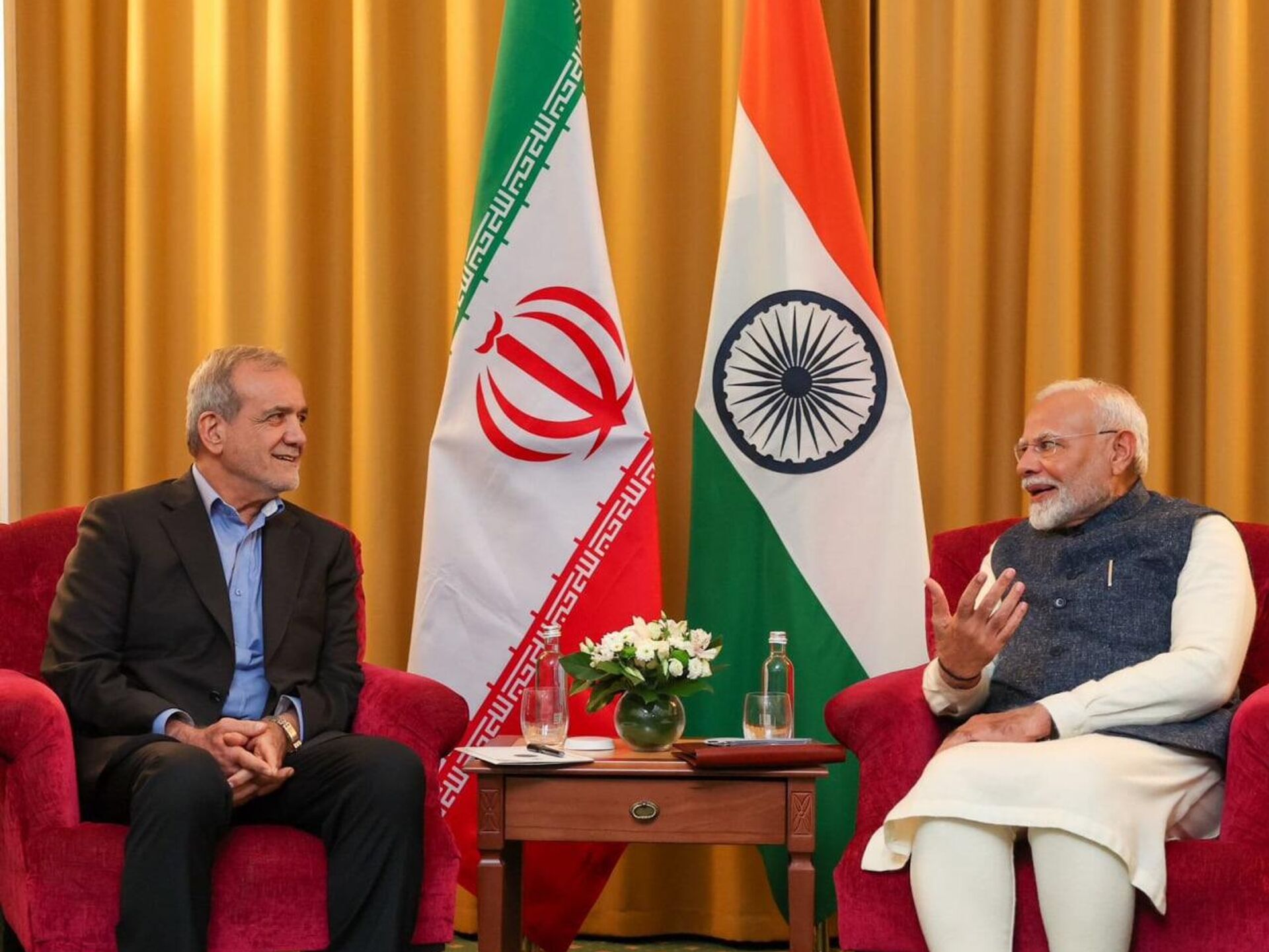
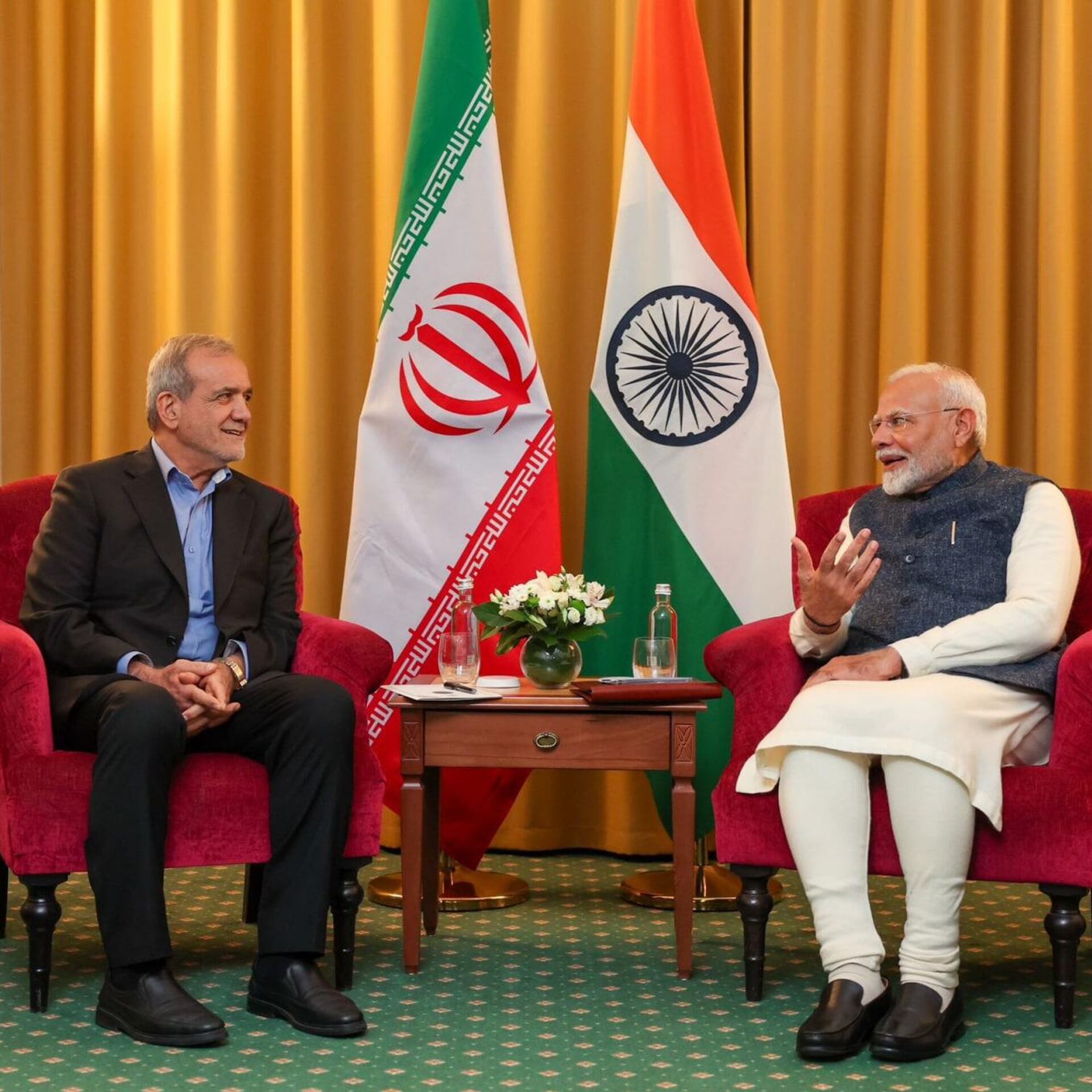
Strategic affairs pundits have described the situation as a "win for Indian diplomacy".
Iran's free pas to Indian tankers return the favour for its help, said commander Sandeep Dhawan, a former pilot in the Indian Navy.
"India stood behind Iran despite US sanctions threats until 2019 and bought their oil, invested in Chabahar Port," Dhawan said.
Fellow Indian Navy veteran commodore Seshadri Vasan now Director General of think-tank the Chennai Centre for China Studies (C3S), believes India had its own challenges to ensure its energy security.
India has
taken a neutral strance in the war and called for peace. It has also given sanctuary to Iranian ships that joined the International Fleet Review in Visakhapatnam and were on course to return to Iran, he stressed.
Those moves sent clear signals to Iran that India does not support the war in any manner, but offered humanitarian support to Iranian ship crews stationed in India.
"India has maintained its strategic autonomy, rebuffing repeated pressure from Western nations," Vasan said. "It stuck to its stand on procuring crude from wherever it could get it cheaper, ensuring the nation's energy security is not compromised."
He said the Indian government deserved praise for finding alternative sources of oil and gas and cutting petrol and diesel duty.