https://sputniknews.in/20260519/whats-driving-indias-pushback-on-us-oil-sanction-waiver-on-russian-oil-10942157.html
What’s Driving India’s Pushback on US Oil Sanction Waiver on Russian Oil?
What’s Driving India’s Pushback on US Oil Sanction Waiver on Russian Oil?
Sputnik India
While India has been seen as reluctant in picking a direct confrontational stance against the Trump administration despite US' sustained attacks on... 19.05.2026, Sputnik India
2026-05-19T19:28+0530
2026-05-19T19:28+0530
2026-05-19T19:28+0530
sputnik opinion
donald trump
narendra modi
india
us
delhi
reserve bank of india (rbi)
bharatiya janata party (bjp)
russian oil
global oil production
https://cdn1.img.sputniknews.in/img/07e9/0b/13/10091212_0:160:3072:1888_1920x0_80_0_0_ddadf490bebc6ed85ca499afa50f5335.jpg
Indian Petroleum Ministry’s Joint Secretary Sujata Sharma told a press briefing in Delhi on Monday that India has continued with its purchases of Russian oil regardless of the US waiver, while also underlining that it made “commercial sense” for Indian oil marketing companies (OMCs) to secure Russian supplies.Hours after Indian official’s public defiance of US Treasury’s sanction diktat, the Office of Foreign Assets Control (OFAC) issued another 30-day general license to let countries “temporarily access” Russian oil stranded at sea, the third sanction waiver since March. The US had allowed its waiver issued in April to lapse on 16 May, stoking some concerns in India, which has been grappling with energy shortages after the US-Iran war.Observers believe that the role of Russian oil has become all the more critical for the world’s most populous nation as it navigates the worst oil shock in global history due to the Strait of Hormuz being closed for over 75 days now. Around 10 million barrels of crude flowing through the Strait of Hormuz has directly been impacted. Further, Indian officials estimate that the energy shock caused by the crisis could last well beyond the end of war, even as the final terms of settlement between Iran and the US are yet to be agreed upon.The Indian government has been forced to hike retail petrol and diesel prices twice in a week to manage the underrecoveries for OMCs, which are facing losses of $77 million per day as crude prices hover well above $100 a barrel.Prime Minister Narendra Modi has made two direct appeals to Indian public this month urging them to cut down on petrol and diesel consumption, cut down on foreign travel and buy Indian goods to save forex reserves. At weekend, during his visit to the Netherlands, Modi warned that the “energy shock” could reverse decades of gain and push back many people into the clutches of poverty. Subsequently, India hiked the duty on silver and gold imports in line with PM's appeal.The forex reserves and high crude prices are directly linked to the sustainability of Indian Rupee (INR) vis-à-vis the US Dollar (USD). Significantly, the INR has hit a record low of 96.20 against the USD this month, making it the worst performing Asian currency this year, according to reports.Sanjay Malhotra, the Governor of the Reserve Bank of India (RBI), told a panel discussion last week that the central bank was keeping a “close vigil” on whether and when the supply shock would warrant a monetary policy action. The remarks come ahead of the Monetary Policy Committee (MPR) meeting next month, when the RBI is expected to take a call on interest rates, a factor that directly affects the availability of liquidity and overall growth rate.At the same time, most of the crude India has been sourcing from Moscow is being paid for in Rubles and other non-USD currencies, as confirmed by Russian FM on previous occasions.Rodrigues noted that affordable energy remains critical for controlling transport costs, manufacturing inflation and household expenses.He said that India’s energy policy should be guided by national interest rather than “geopolitical pressure from external powers”.
https://sputniknews.in/20260504/opec-praises-russias-role-in-balancing-global-oil-market-10843755.html
india
us
delhi
Sputnik India
feedback.hindi@sputniknews.com
+74956456601
MIA „Rossiya Segodnya“
2026
Dhairya Maheshwari
https://cdn1.img.sputniknews.in/img/07e6/0c/13/138962_0:0:641:640_100x100_80_0_0_2cb44360dbcdf6d84bf4b299cd045917.jpg
Dhairya Maheshwari
https://cdn1.img.sputniknews.in/img/07e6/0c/13/138962_0:0:641:640_100x100_80_0_0_2cb44360dbcdf6d84bf4b299cd045917.jpg
News
en_IN
Sputnik India
feedback.hindi@sputniknews.com
+74956456601
MIA „Rossiya Segodnya“
Sputnik India
feedback.hindi@sputniknews.com
+74956456601
MIA „Rossiya Segodnya“
Dhairya Maheshwari
https://cdn1.img.sputniknews.in/img/07e6/0c/13/138962_0:0:641:640_100x100_80_0_0_2cb44360dbcdf6d84bf4b299cd045917.jpg
donald trump, narendra modi, india, us, delhi, reserve bank of india (rbi), bharatiya janata party (bjp), russian oil, global oil production, oil supplies, oil exporters
donald trump, narendra modi, india, us, delhi, reserve bank of india (rbi), bharatiya janata party (bjp), russian oil, global oil production, oil supplies, oil exporters
What’s Driving India’s Pushback on US Oil Sanction Waiver on Russian Oil?
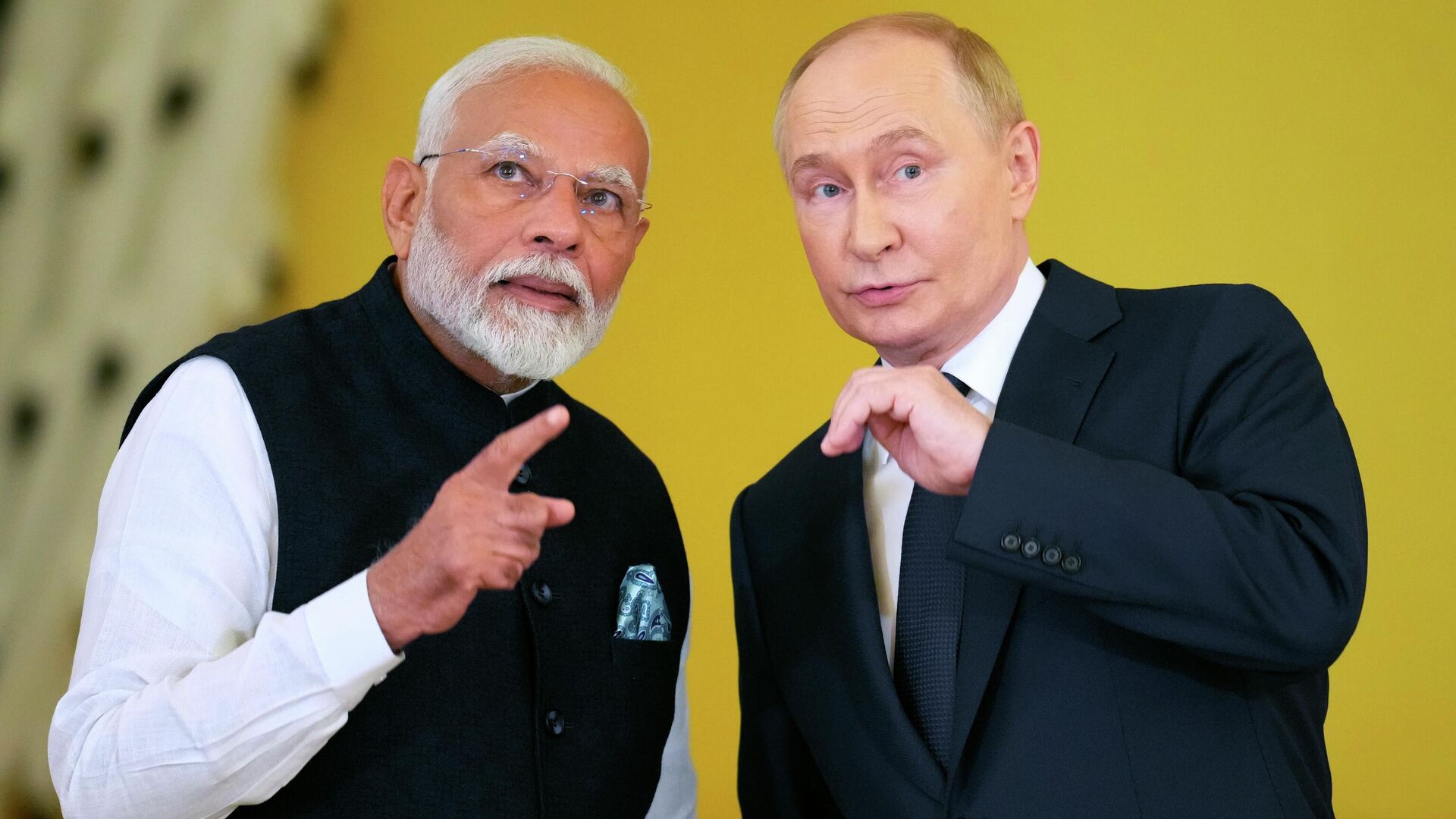
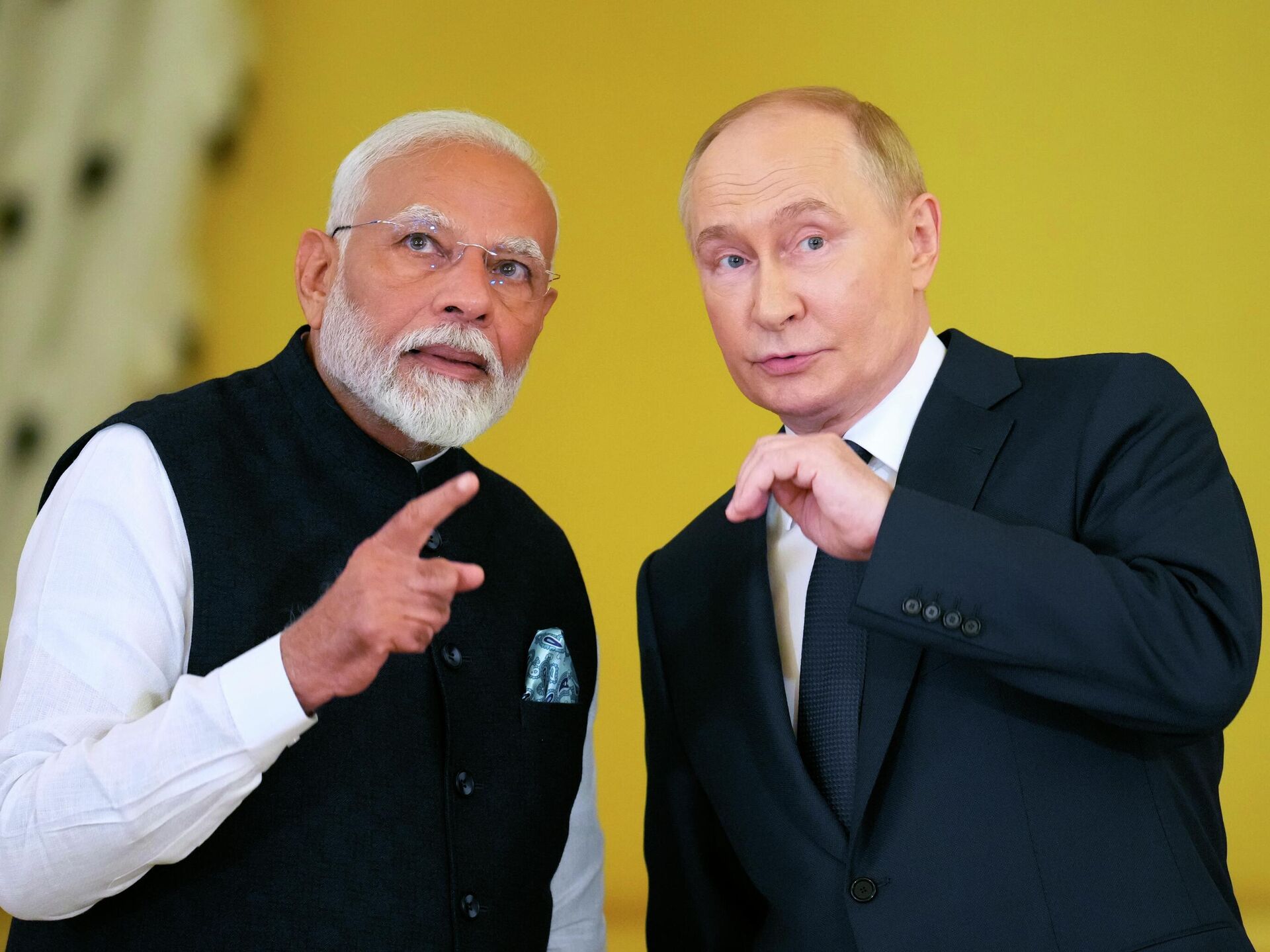
While India has been seen as reluctant in picking a direct confrontational stance against the Trump administration despite US' sustained attacks on India-Russia energy cooperation, the Hormuz energy shock has prompted Delhi to take a more defiant line to secure its national interest.
Indian Petroleum Ministry’s Joint Secretary Sujata Sharma told a press briefing in Delhi on Monday that India has continued with its purchases of Russian oil regardless of the US waiver, while also underlining that it made “commercial sense” for Indian oil marketing companies (OMCs) to secure Russian supplies.
Hours after Indian official’s public defiance of US Treasury’s sanction diktat, the Office of Foreign Assets Control (OFAC) issued another 30-day general license to let countries “temporarily access” Russian oil stranded at sea, the third sanction waiver since March. The US had allowed its waiver issued in April to lapse on 16 May,
stoking some concerns in India, which has been grappling with energy shortages after the US-Iran war.
Observers believe that the role of Russian oil has become all the more critical for the world’s most populous nation as it navigates the worst oil shock in global history due to the Strait of Hormuz being closed for over 75 days now. Around 10 million barrels of crude flowing through the Strait of Hormuz has directly been impacted. Further, Indian officials estimate that the energy shock caused by the crisis could last well beyond the end of war, even as the final terms of settlement between Iran and the US are yet to be agreed upon.
The Indian government has been forced to hike retail petrol and diesel prices twice in a week to manage the underrecoveries for OMCs, which are facing losses of $77 million per day as crude prices hover well above $100 a barrel.
Prime Minister Narendra Modi has made two direct appeals to Indian public this month urging them to cut down on petrol and diesel consumption, cut down on foreign travel and buy Indian goods to save forex reserves. At weekend, during his visit to the Netherlands, Modi warned that the “energy shock” could reverse decades of gain and push back many people into the clutches of poverty. Subsequently, India hiked the duty on silver and gold imports in line with PM's appeal.
The forex reserves and high crude prices are directly linked to the sustainability of Indian Rupee (INR) vis-à-vis the US Dollar (USD). Significantly, the INR has hit a record low of 96.20 against the USD this month, making it the worst performing Asian currency this year, according to reports.
Sanjay Malhotra, the Governor of the Reserve Bank of India (RBI), told a panel discussion last week that the central bank was keeping a “close vigil” on whether and when the supply shock would warrant a monetary policy action. The remarks come ahead of the Monetary Policy Committee (MPR) meeting next month, when the RBI is expected to
take a call on interest rates, a factor that directly affects the availability of liquidity and overall growth rate.
Explaining Delhi’s more authoritative stance on doubling down on its Russian oil imports, Bharatiya Janata Party (BJP) politician Savio Rodrigues underscored that “Russian crude has helped India stabilise inflation, protect consumers, and maintain economic momentum during a highly volatile global energy cycle.”
At the same time, most of the crude India has been sourcing from Moscow is being paid for in Rubles and other non-USD currencies, as confirmed by Russian FM on previous occasions.
“The Modi government’s priority is clear - energy security for 140 crore Indians. This is not merely an economic decision; it is a strategic necessity,” the politician said.
Rodrigues noted that affordable energy remains critical for controlling transport costs, manufacturing inflation and household expenses.
“As the world’s third-largest oil importer, India cannot afford disruptions in affordable energy supplies, especially at a time when global crude prices are crossing dangerous levels due to instability in West Asia,” stated Rodrigues.
He said that India’s energy policy should be guided by
national interest rather than “geopolitical pressure from external powers”.
“At the same time, India continues to diversify its energy basket and maintain strong relations with all major global partners, including the United States. But no responsible government can allow international uncertainty to compromise domestic economic stability,” Rodrigues concluded.