Twin-Seat Booster Dose For Su-57 Amid India's Rafale Deal Imbroglio
© Sputnik / Nina Padalko
/ Subscribe

Russia's two-crew setup reduces workload & fatigue in long wartime sorties into distant operational areas, making the twin-seater Su-57 aircraft one of India's most viable options.
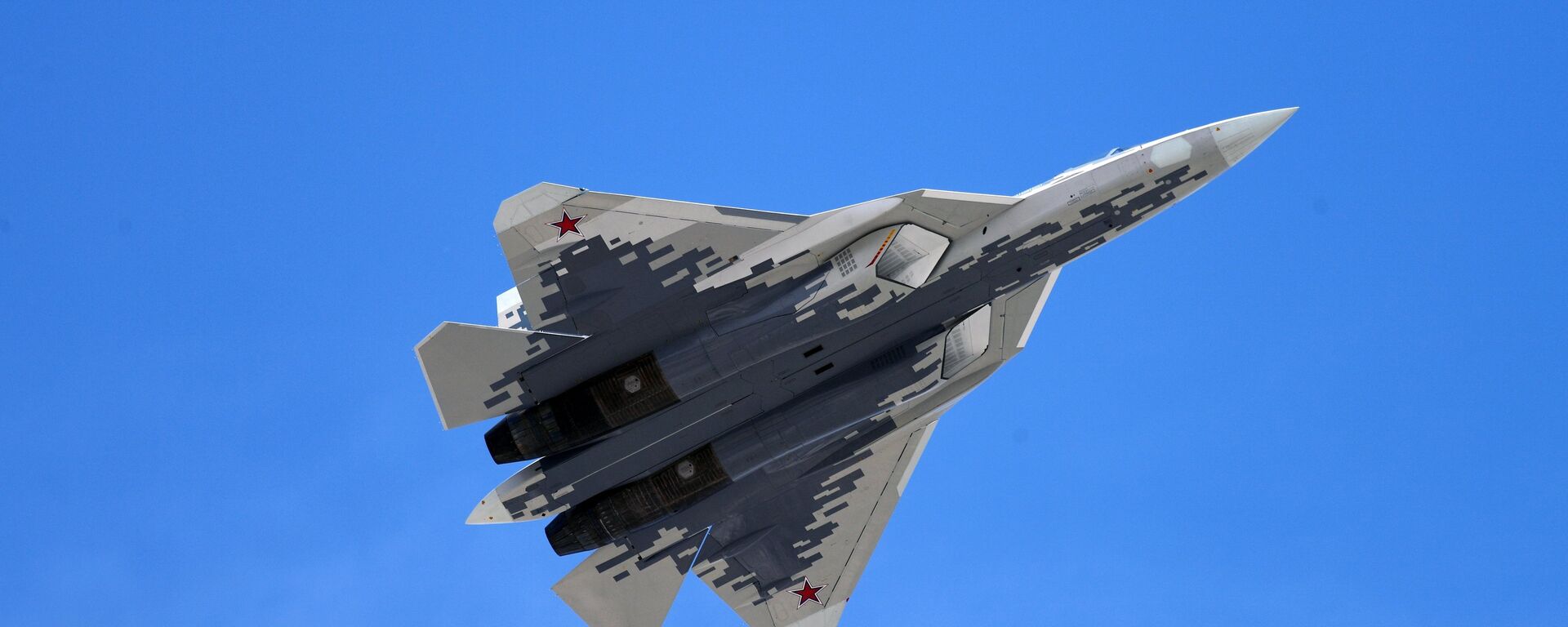
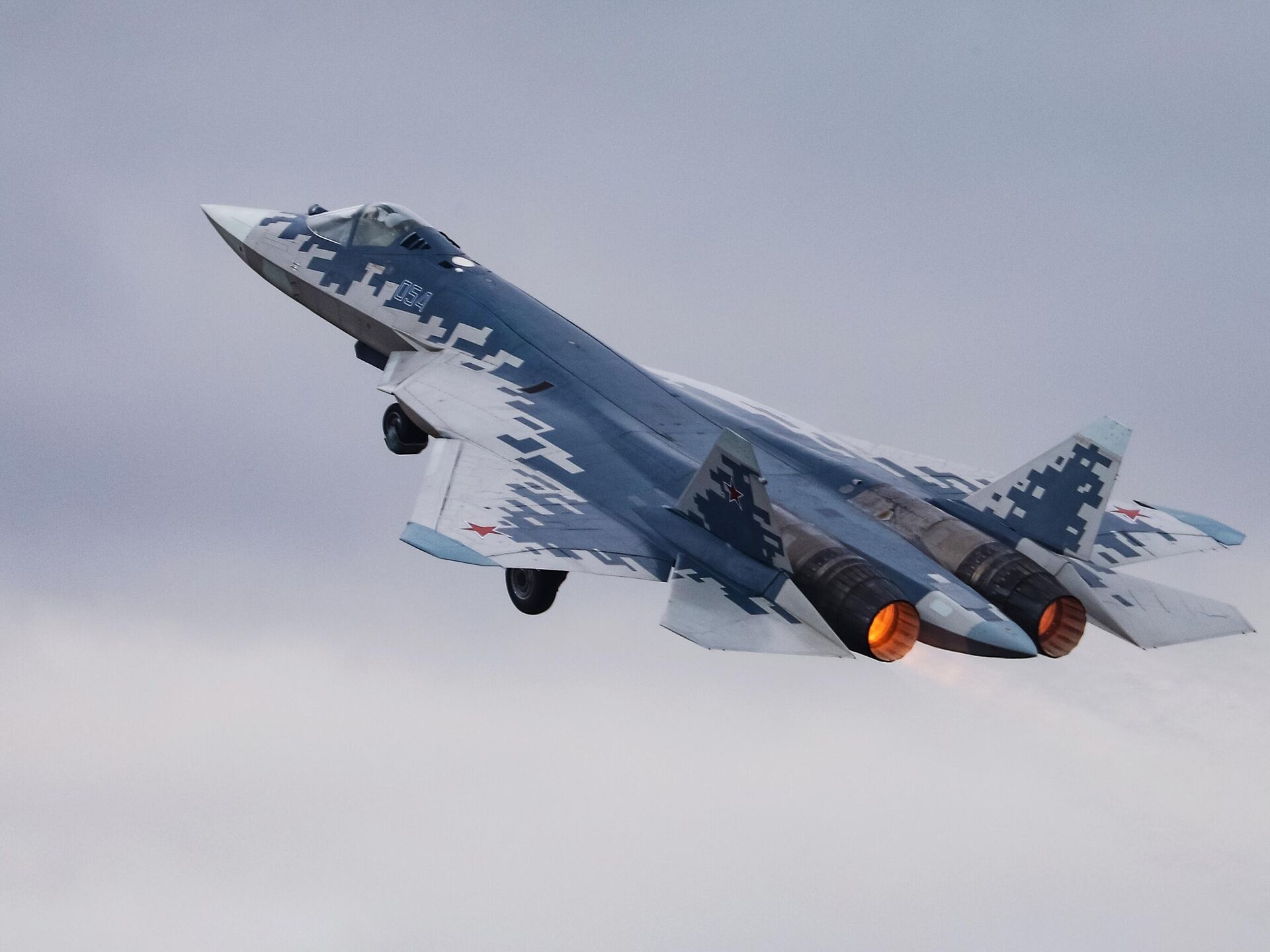
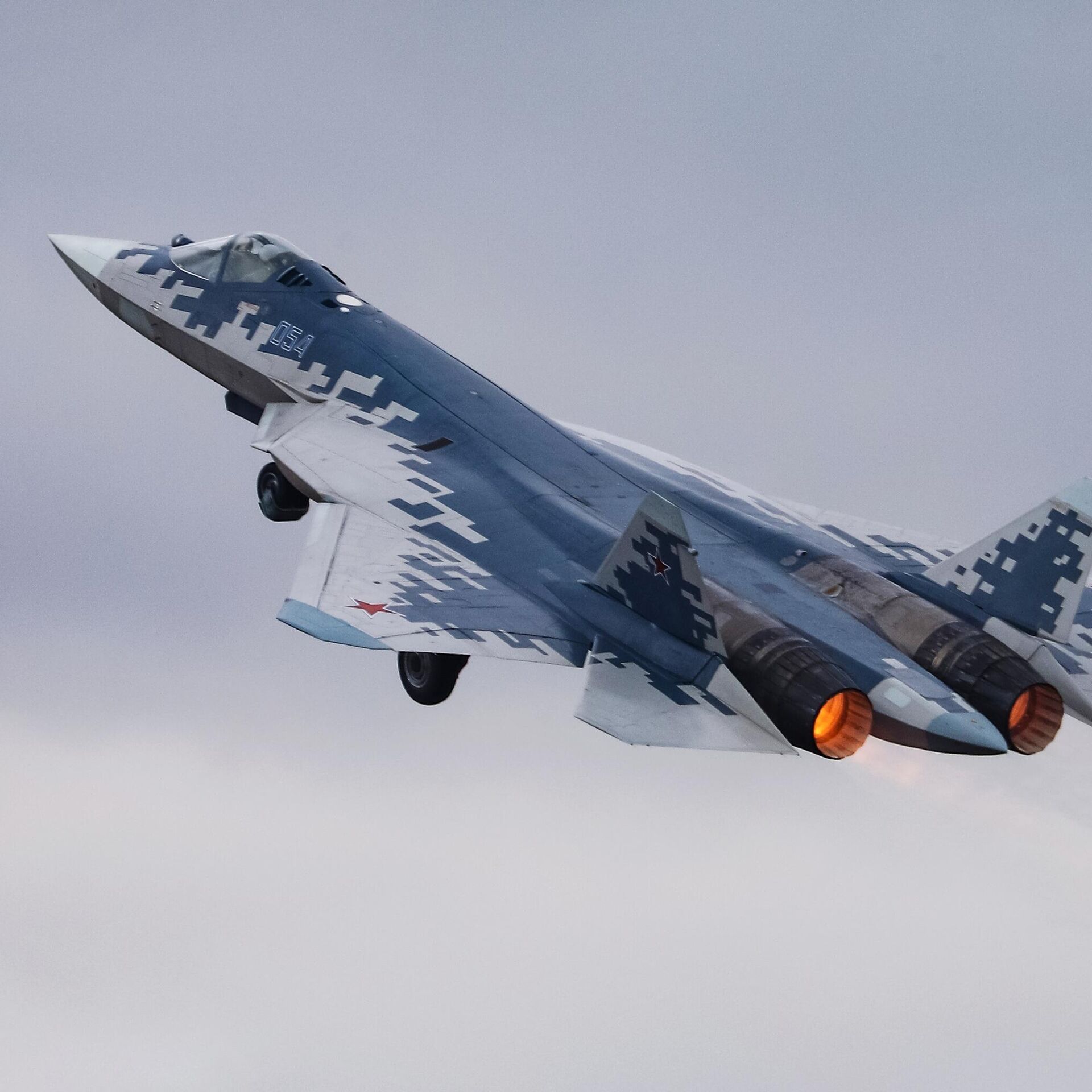
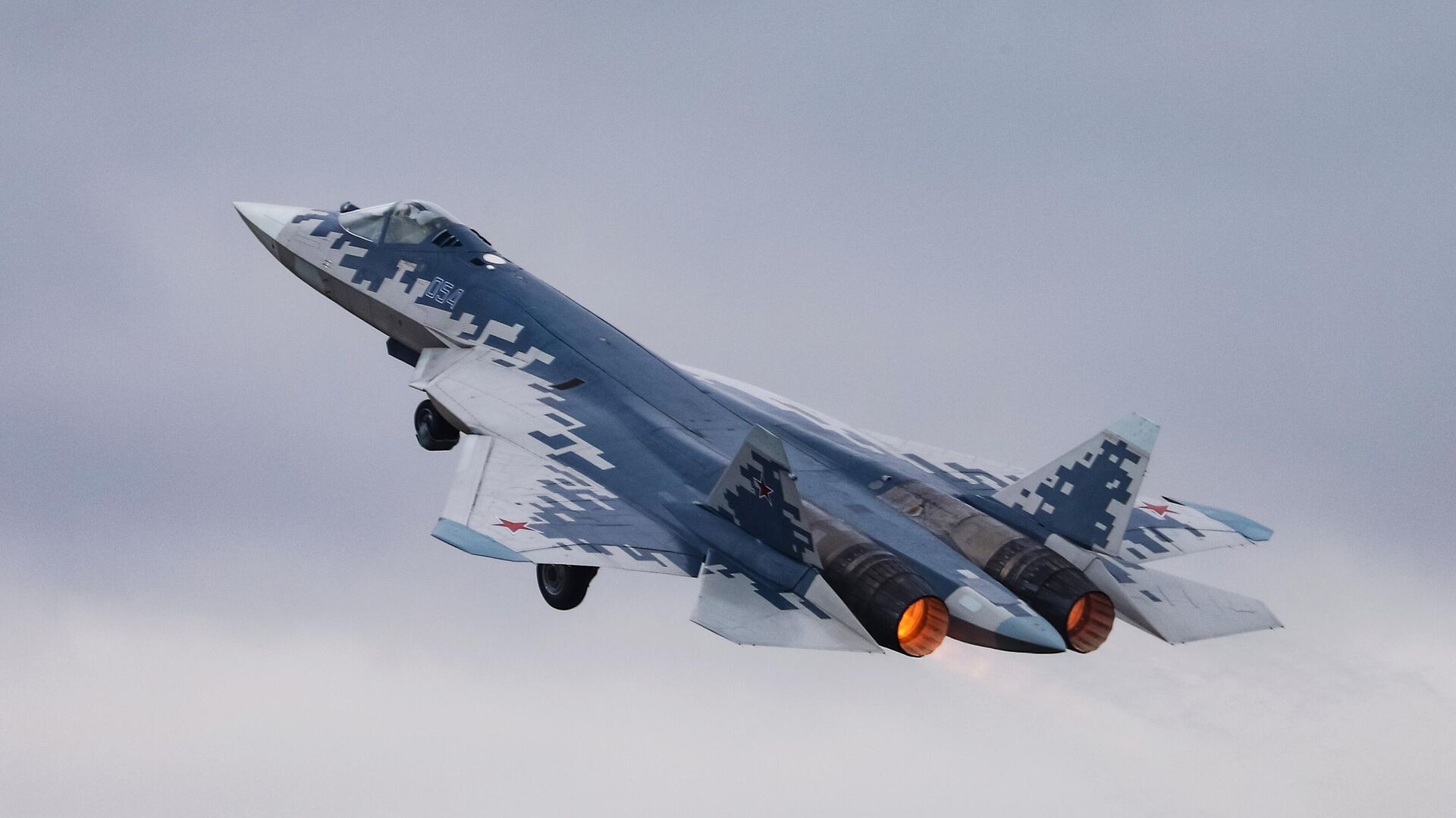
The two-seat configuration of the Sukhoi Su-57 significantly expands the aircraft's operational flexibility beyond the traditional role of a stealth fighter, an aviation pundit has said.
"A second crew member allows workload distribution during highly complex missions involving network-centric warfare, long-range strike coordination, drone teaming, electronic warfare, and air dominance operations," Harpreet Sidhu, an aerospace and defence analyst associated with GlobalData, a military data provider, told Sputnik India.
Modern fifth-generation combat environments generate massive amounts of sensor and battlefield data, and having a dedicated weapons systems officer or mission commander can improve situational awareness and decision-making during high-intensity engagements, he added.
"For India, this concept is highly relevant. The Indian Air Force (IAF) has historically preferred twin-seat configurations for deep-strike, maritime strike, and complex multirole missions. Aircraft such as the Sukhoi Su-30MKI have demonstrated the value of a second crew member during long-duration operations and networked combat scenarios. A two-seat Su-57 would align well with India's doctrine of operating multifunctional heavy fighters capable of both air superiority and battlefield management," the expert underlined.
India's vast operational geography stretching from the Himalayas to the Indian Ocean often requires long-endurance missions where crew fatigue becomes a real factor. A two-seat fifth-generation fighter could therefore be attractive for missions involving stand-off weapons, drone control, or coordination with airborne assets like AWACS, Sidhu reckoned.
The reported reluctance of France to share Rafale source codes remains a sensitive issue because India increasingly seeks operational sovereignty and indigenous integration capability within its combat platforms. Access to source code is crucial for integrating indigenous weapons, sensors, electronic warfare suites, and future upgrades without depending excessively on foreign approval, he highlighted.
The reported reluctance of France to share Rafale source codes remains a sensitive issue because India increasingly seeks operational sovereignty and indigenous integration capability within its combat platforms. Access to source code is crucial for integrating indigenous weapons, sensors, electronic warfare suites, and future upgrades without depending excessively on foreign approval, he highlighted.
"In this context, the emergence of a two-seat Su-57 becomes strategically important for India. The Indian Air Force has consistently valued two-seat aircraft not merely for training but for operational effectiveness. The Su-30MKI itself evolved into one of the world's most capable twin-seat multirole fighters because the second crew member enhanced mission management during complex strike and air dominance operations," the defence commentator highlighted.
According to Sidhu, the two-seat Su-57 could therefore appeal to India in multiple ways:
It offers a fifth-generation heavy fighter platform with enhanced mission coordination capability.
It may provide greater flexibility for integrating Indian or Indo-Russian systems compared to Western platforms.
It supports future concepts such as manned-unmanned teaming and AI-assisted warfare.
It fits India's traditional preference for long-range multirole aircraft rather than purely lightweight stealth fighters.
However, attractiveness will depend on several factors beyond the aircraft itself — including technology transfer, local production, integration freedom, engine reliability, stealth maturity, and geopolitical considerations, he stated.
The two-seat Su-57 could potentially evolve into both a complement and, in the longer term, a partial replacement for the Su-30MKI in battlefield management and combat coordination roles, the analyst reckoned.
The two-seat Su-57 could potentially evolve into both a complement and, in the longer term, a partial replacement for the Su-30MKI in battlefield management and combat coordination roles, the analyst reckoned.
"The Su-30MKI has performed exceptionally well for India because it combines long range, heavy payload capacity, advanced manoeuvrability, and the ability to distribute pilot workload between two crew members. In Indian service, it effectively acts not only as a fighter but also as a mini airborne command platform capable of coordinating formations and managing complex strike packages," Sidhu stressed.
A two-seat Su-57 could take this concept into the fifth-generation era. With stealth characteristics, sensor fusion, advanced electronic warfare capability, and data networking, it could function as a forward battlefield controller deep inside contested airspace where larger platforms like AWACS may face survivability challenges, he underscored.
The military specialist believes that instead of merely replacing the Su-30MKI, the more realistic scenario would be layered coexistence:
The military specialist believes that instead of merely replacing the Su-30MKI, the more realistic scenario would be layered coexistence:
1.
Su-30MKI continues as a heavy multirole workhorse and missile truck.2.
Rafale serves precision strike and high-end multirole roles.3.
AMCA becomes India's indigenous stealth backbone in the future.4.
Two-seat Su-57 variants could operate as stealth command fighters coordinating drones, standoff weapons, and other combat aircraft."This would be especially useful in a future Indo-Pacific combat environment where information dominance and network-centric warfare will matter as much as aerodynamic performance," Sidhu emphasised.
That said, India is unlikely to make any quick decision. The IAF will evaluate whether the two-seat Su-57 is genuinely mature technologically, whether Russia can ensure long-term sustainment under sanctions pressure, and whether the platform can integrate effectively into India's increasingly diversified air combat ecosystem, he summed up.