Iran Seeks India's Help: Can India Bridge the Iran-US Divide?
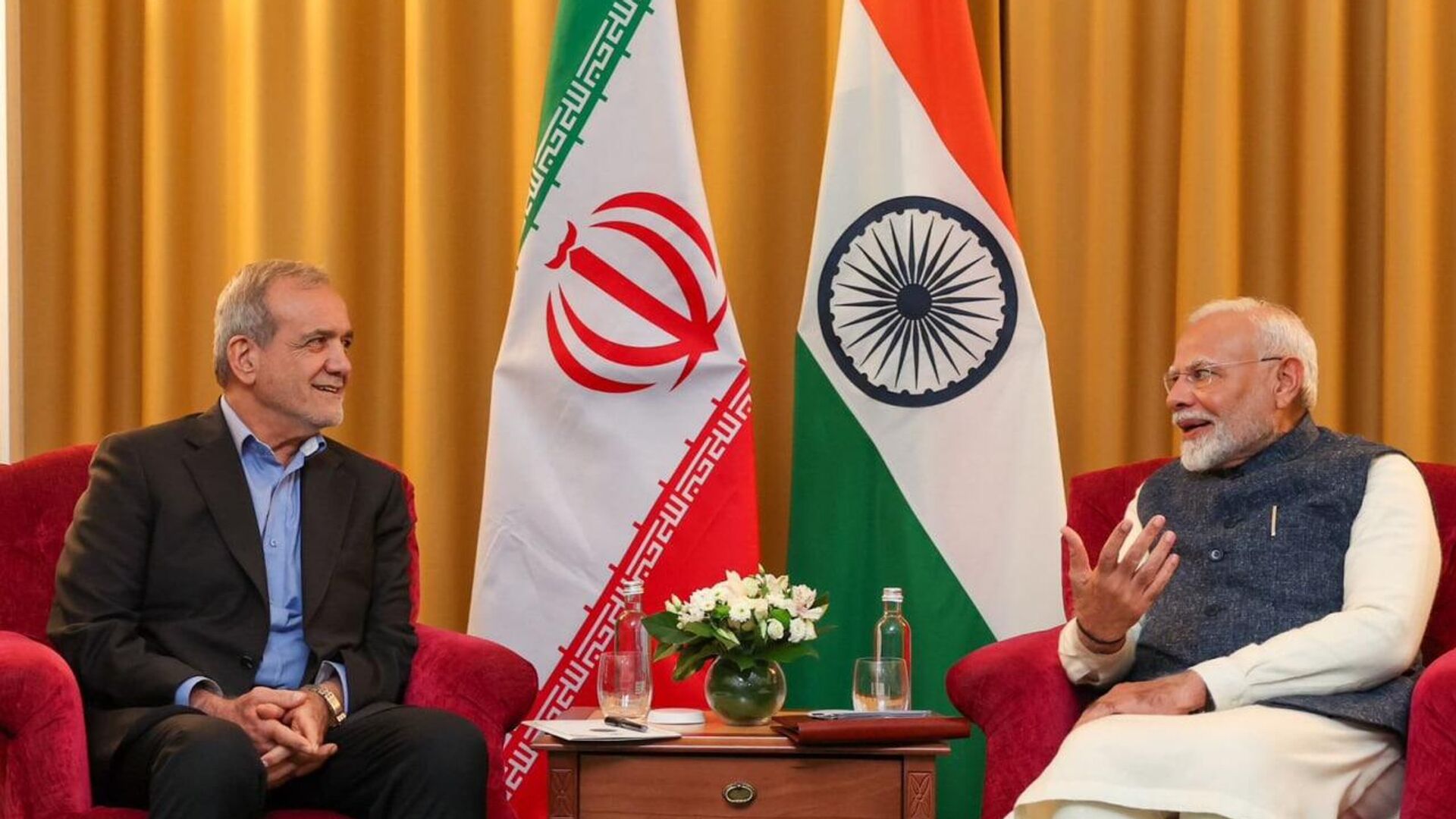
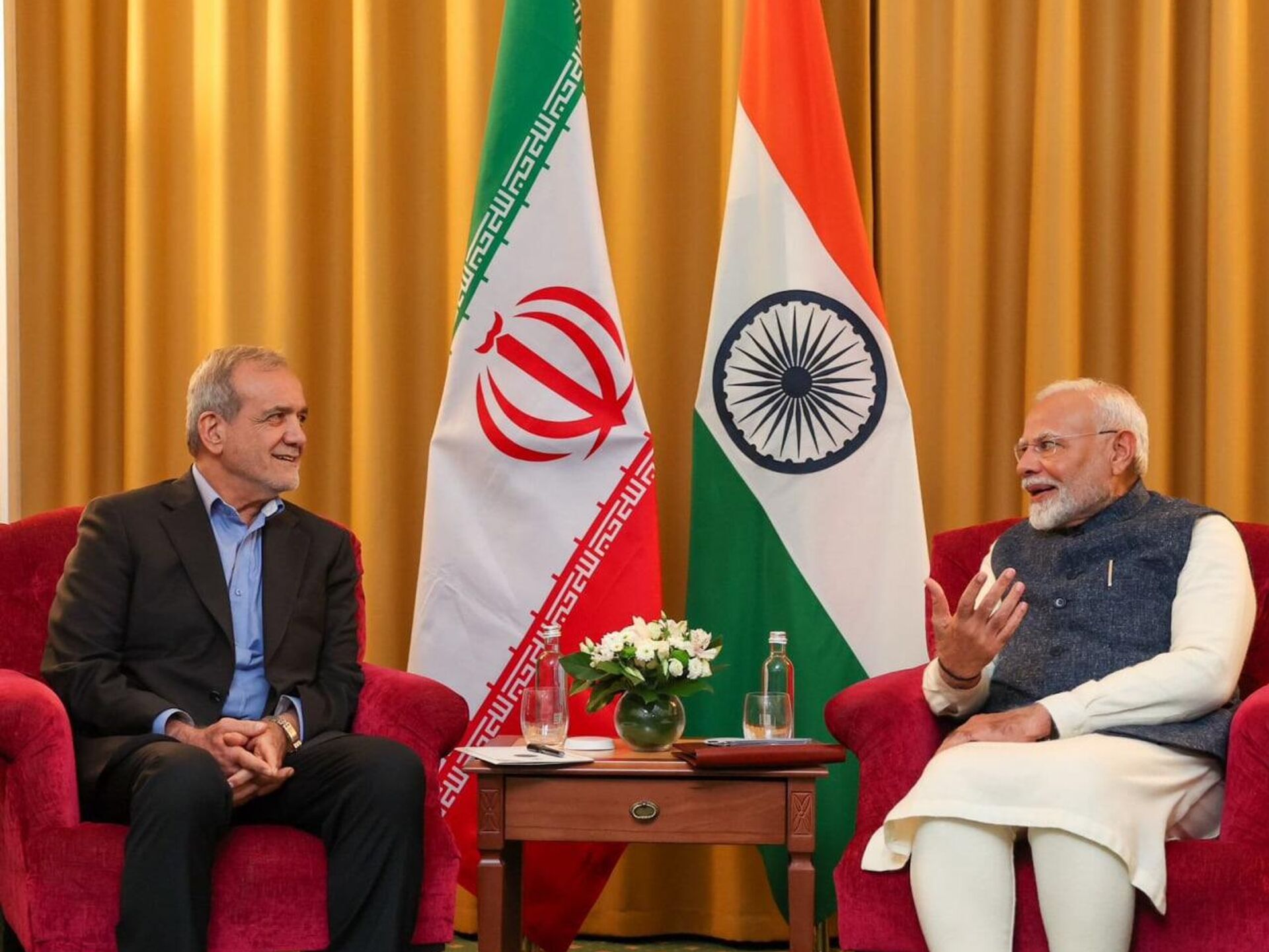
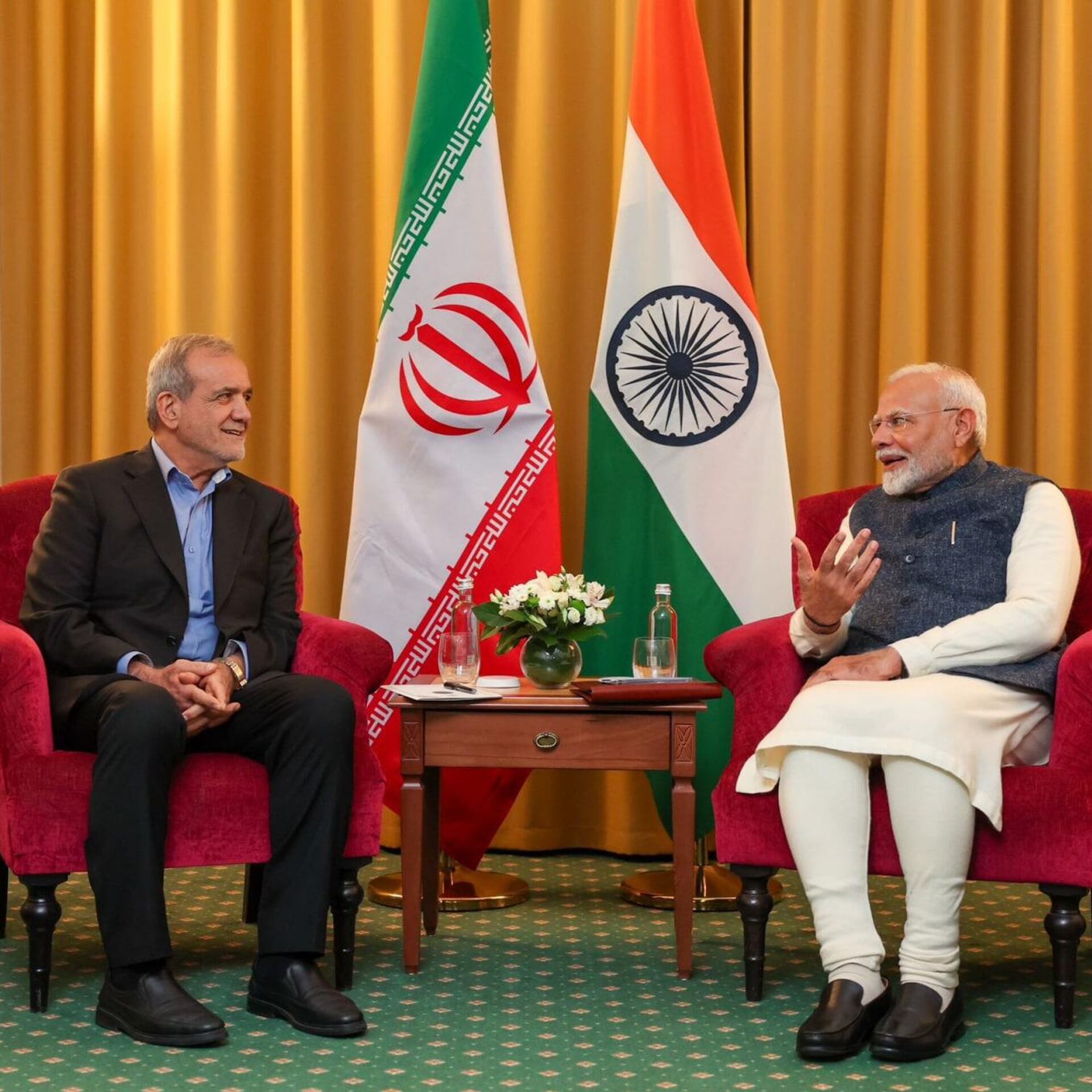
© Photo : Twitter/@narendramodi
Subscribe

Iran and the US have been locked in a stalemate, especially on the issue of the Strait of Hormuz, following the collapse of their Memorandum of Understanding (MoU) to end the war, which began in February.
Iran’s Consul General in Mumbai, Saeid Reza Mosayeb Motlagh, has urged India to help bring his country and the US to the negotiating table so that stalled peace talks between the two bitter foes resume amid heightened tensions in West Asia.
“We have said this many times: India is a great country, the Indian people are a great people, and India is a peace-loving country,” Motlagh told ANI.
The Iranian envoy underscored that India’s track record as a peace-loving nation was well established before emphasising that New Delhi should play an active role in creating a conducive environment to enable Iran and the US reach an agreement.
“As you can see, the Islamic Republic of Iran already has several intermediaries, with several countries working as mediators. India can also play a role in this regard. As a leading country committed to peace, India can help create conditions that enable these two countries to reach an agreement,” he added.
Despite Motlagh’s desire for an Indian mediation role, analysts reckon that India’s position on mediation has been consistent: it has traditionally avoided directly mediating between states involved in a conflict. Instead, New Delhi has used its diplomatic goodwill and good offices to encourage dialogue, restraint and de-escalation.
“This approach is likely to continue in the present crisis. India does have substantive relationships with both Iran and the United States, but these relationships are distinct and based on different strategic and economic considerations. This gives India credibility with both sides, but it does not necessarily translate into an intention to assume the role of a formal mediator,” Dr Vishwajeet Singh Akhawat, a research scholar linked to the New Delhi-based think tank Vivekananda International Foundation (VIF), told Sputnik India.
India has significant stakes in regional stability, particularly because of its energy security, trade and the safety of its large diaspora. Therefore, India will continue to encourage the parties to resolve their differences through diplomatic negotiations and to avoid further escalation, he stated.
However, unlike countries that may be actively seeking a mediating role, India is likely to remain cautious about becoming directly involved in a formal mediation process. Its approach will be one of constructive engagement and sustained advocacy for dialogue rather than active mediation, the strategic affairs analyst pointed out.
“India certainly has important strategic and economic interests in the stability of Iran and the wider region. Iran remains significant for India’s connectivity ambitions, particularly because of the Chabahar Port and its potential role in facilitating access to Central Asia and beyond. India also has broader economic and energy interests in a stable West Asian environment. But these interests do not necessarily imply that India should assume an active mediating role in the conflict,” Akhawat asserted.
The situation also involves multiple actors and interconnected strategic equations. Israel, for instance, is an important part of the conflict, while India simultaneously maintains a close and expanding strategic partnership with Israel. This makes a formal mediating role considerably more complex, he highlighted.
Furthermore, the Strait of Hormuz’s immediate strategic significance has somewhat evolved in recent days. The fact that substantial volumes of oil and other commercial cargo continue to transit through the Strait has prevented the kind of severe supply disruption that would otherwise have produced a much sharper spike in global energy prices. The Strait has therefore not been completely closed or rendered non-functional, the Middle Eastern affairs commentator stressed.
“India’s position, however, is clear. New Delhi has a fundamental interest in ensuring the free, safe and unimpeded transit of commercial shipping through the Strait of Hormuz. India would not support any arrangement involving the imposition of tolls, transit fees or other charges on international commercial shipping passing through the waterway,” Akhawat noted.
At the same time, India is unlikely to become an active party to the US-Iran dispute over the Strait. Its preferred approach would be to advocate de-escalation and a return to the established status quo, while making clear that the freedom of commercial navigation must be preserved, he observed.
India is therefore likely to focus on what it can do most effectively: using its diplomatic relationships and good offices to encourage restraint, dialogue and peaceful resolution. New Delhi will continue to emphasise the protection of civilians and civilian infrastructure, respect for international law, freedom of navigation and the need to resolve differences through diplomatic negotiations. Its approach is likely to remain one of constructive diplomacy rather than formal mediation, the think tanker explained.
Meanwhile, Ambassador (Retd) Anil Trigunayat believes that India prefers to be an honest interlocutor and have trusted equities with all stakeholders in the region.
“Unfortunately, this war is driven by the Mutually Assured Destruction (MAD) syndrome and when all combatants are not on board to honestly ease the crisis, negotiations will only yield limited dividends. Even so, New Delhi wants this war to end as soon as possible and if all sides want, it could play a constructive role,” the former Indian envoy to Jordan, Libya and Malta said in an interview with Sputnik India.
Nonetheless, there are several negotiators, including Qatar, Oman and Egypt and their efforts could be supplemented and supported, Trigunayat concluded.