https://sputniknews.in/20261013/india-working-closely-with-russia-on-northern-sea-route-shipping-minister-12565038.html
India Working Closely with Russia on Northern Sea Route: Shipping Minister
India Working Closely with Russia on Northern Sea Route: Shipping Minister
Sputnik India
Sonowal said that discussions with Russia on specialised vessels, including ice-class ships and the training of Indian seafarers for the Northern Sea Route (NSR), were “progressing “constructively”.
2026-10-13T19:00+0530
2026-10-13T19:00+0530
2026-10-13T19:00+0530
indo-russian relations
vladimir putin
india
russia
new delhi
narendra modi
northern sea route (nsr)
chennai–vladivostok maritime corridor
strait of hormuz
persian gulf (arabian gulf)
https://cdn1.img.sputniknews.in/img/07ea/0a/0d/12565908_0:0:2730:1537_1920x0_80_0_0_79acdd291ede483c68cecadac210e6ca.jpg
Sonowal said that discussions with Russia on specialised vessels, including ice-class ships and the training of Indian seafarers for the Northern Sea Route (NSR), were “progressing “constructively”.“As Arctic shipping becomes more feasible, it may offer shorter transit times and another option alongside traditional routes, which adds to the resilience of global trade,” he said.Sonowal underscored that the India-Russia MoU on training of Indian specialists for ships operating in polar waters, signed during the visit of President Vladimir Putin to Delhi last December, marked an important aspect of cooperation on NSR.He noted that India was also an observer in the Arctic Council and had its own Arctic Policy, which calls for “sustainable and responsible engagement in the region”.Sonowal also expressed happiness over the full operationalisation of the Chennai-Vladivostok Eastern Maritime Corridor (EMC), stating that the direct sea link had cut transit times, lowered logistics costs and opened new trade opportunities between India and Russia’s Far-East.Sonowal said that his visit to Russia in 2023 marked “a very productive step”in the maritime partnership between the two countries.“India's approach to shipbuilding partnerships is open and multi-directional. We are working with several countries with strong maritime capabilities, and every partnership is assessed on its merits, its commercial viability and its fit with our national priorities,” stated Sonowal.‘India Intends to be a Leading Shipbuilding Nation by 2047’Sonowal said that recent geopolitical events, most notably the West Asia conflict and its impact on India's sea trade, had shown that maritime supply chains had become a “strategic need” for India.He highlighted that the government has been providing financial assistance for Indian shipyards, including long-term financing options through newly-launched maritime funds, as well as backing cluster-based shipbuilding and ship-repair ecosystems.He underlined that one of the main objectives behind these moves was to ensure that India cargo moved on Indian-built and Indian-flagged vessels rather than relying on foreign vessels.According to estimates, India relies on foreign shipping lines for over 90 percent of its EXIM (export-import) trade at present.Our aim is strategic autonomy with global integration. India will stay an open, reliable partner in world shipping, Sonowal said.
https://x.com/i/web/status/2087455102529401242
india
russia
new delhi
strait of hormuz
persian gulf (arabian gulf)
the arctic
Sputnik India
feedback.hindi@sputniknews.com
+74956456601
MIA „Rossiya Segodnya“
2026
Dhairya Maheshwari
https://cdn1.img.sputniknews.in/img/07e6/0c/13/138962_0:0:641:640_100x100_80_0_0_2cb44360dbcdf6d84bf4b299cd045917.jpg
Dhairya Maheshwari
https://cdn1.img.sputniknews.in/img/07e6/0c/13/138962_0:0:641:640_100x100_80_0_0_2cb44360dbcdf6d84bf4b299cd045917.jpg
News
en_IN
Sputnik India
feedback.hindi@sputniknews.com
+74956456601
MIA „Rossiya Segodnya“
Sputnik India
feedback.hindi@sputniknews.com
+74956456601
MIA „Rossiya Segodnya“
Dhairya Maheshwari
https://cdn1.img.sputniknews.in/img/07e6/0c/13/138962_0:0:641:640_100x100_80_0_0_2cb44360dbcdf6d84bf4b299cd045917.jpg
vladimir putin, india, russia, new delhi, narendra modi, northern sea route (nsr), chennai–vladivostok maritime corridor, strait of hormuz, persian gulf (arabian gulf), strategic autonomy, the arctic, us-israel war with iran, global supply chains
vladimir putin, india, russia, new delhi, narendra modi, northern sea route (nsr), chennai–vladivostok maritime corridor, strait of hormuz, persian gulf (arabian gulf), strategic autonomy, the arctic, us-israel war with iran, global supply chains
India Working Closely with Russia on Northern Sea Route: Shipping Minister
Exclusive
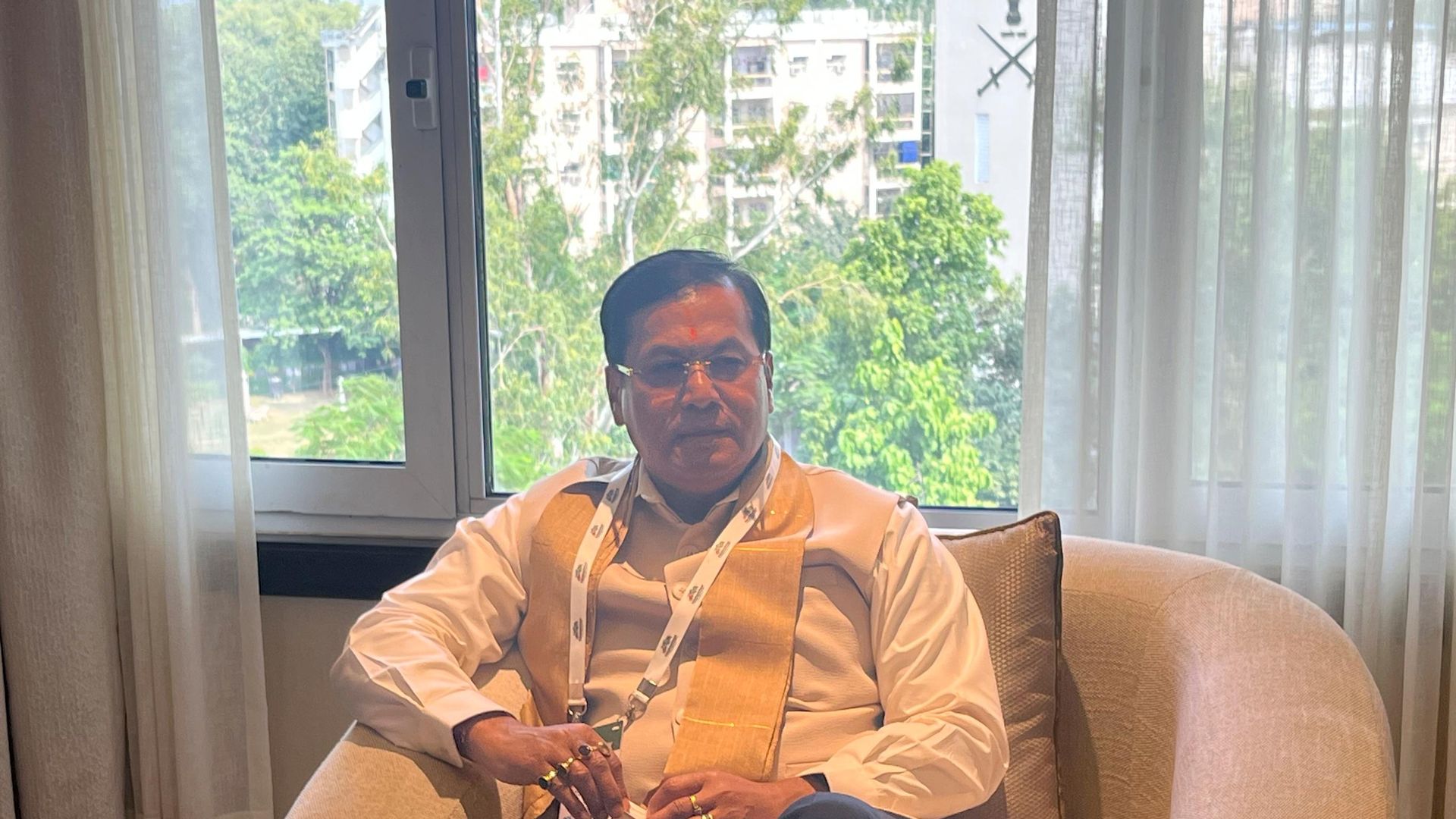
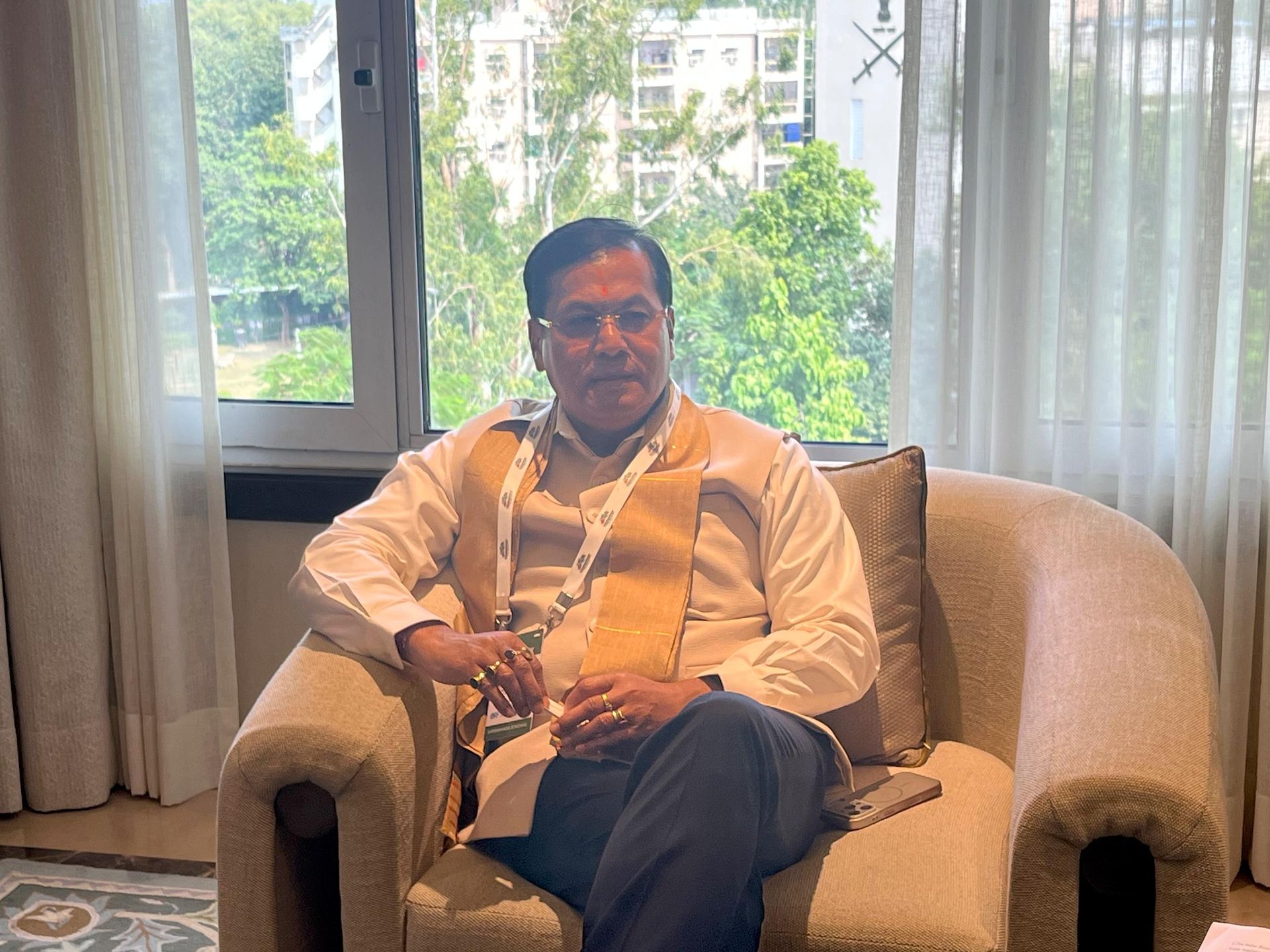
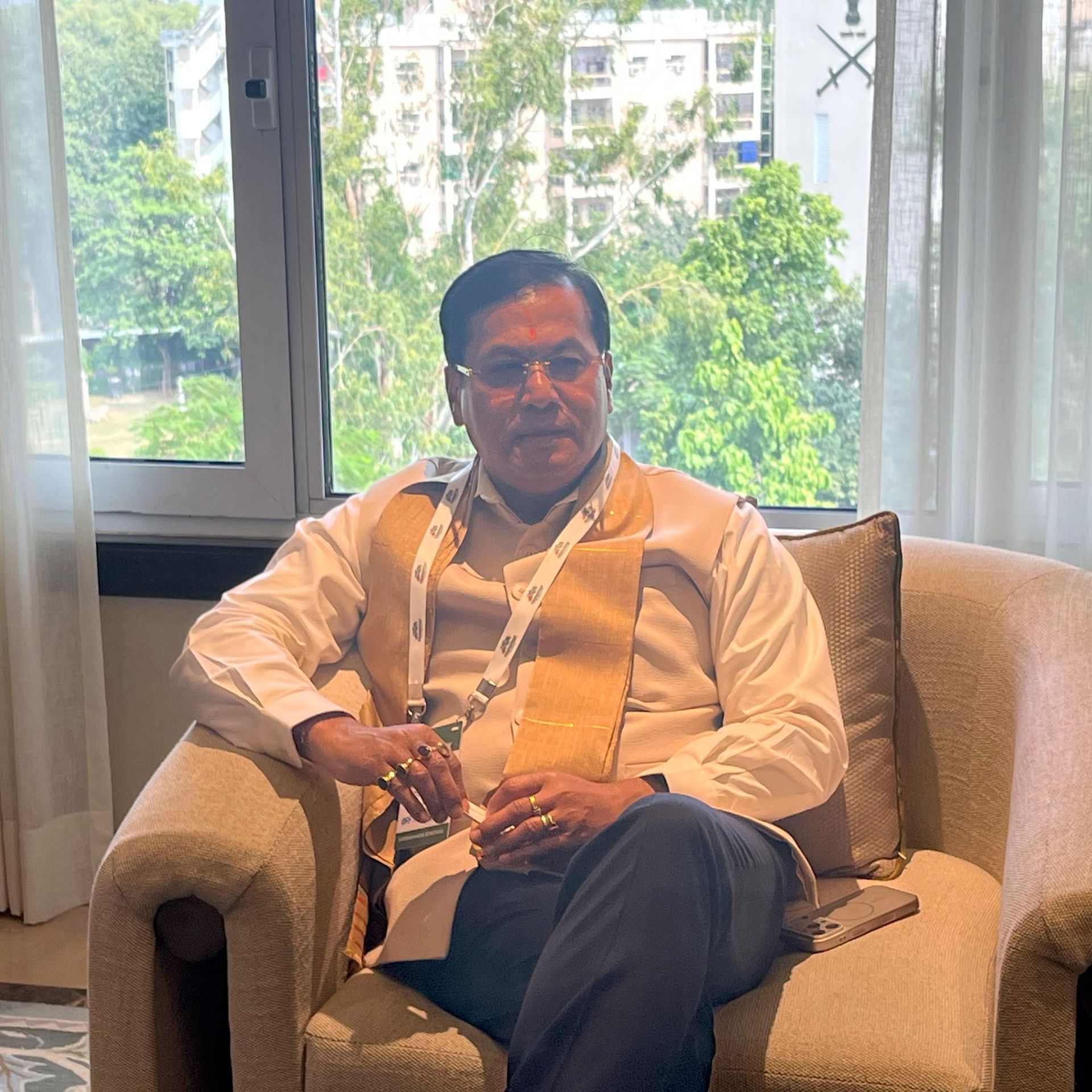
“India and Russia have a long-standing, time-tested partnership, and maritime cooperation is a natural part of it,” India’s Ports and Shipping Minister Sarbananda Sonowal told Sputnik in an exclusive interview on the sidelines of ‘Sagarmanthan’ Ocean Dialogue in New Delhi.
Sonowal said that discussions with Russia on specialised vessels, including ice-class ships and the training of Indian seafarers for the Northern Sea Route (NSR), were “progressing “constructively”.
“We are working closely with our Russian friends on the Northern Sea Route, which can offer an alternative to traditional choke points and make global supply chains more resilient,” he said.
Sonowal said that New Delhi was following all the developments on the Northern Sea Route with interest.
“As Arctic shipping becomes more feasible, it may offer shorter transit times and another option alongside traditional routes, which adds to the resilience of global trade,” he said.
Our engagement so far has focused on understanding how commercially viable the route is, what infrastructure and ice-class vessels it requires, and what crew training is needed, Sonowal said.
Sonowal underscored that the India-Russia MoU on training of Indian specialists for ships operating in polar waters, signed during the visit of President Vladimir Putin to Delhi last December, marked an important aspect of
cooperation on NSR.
He noted that India was also an observer in the Arctic Council and had its own Arctic Policy, which calls for “sustainable and responsible engagement in the region”.
Further, Sonowal stated that as part of cooperation on NSR, India welcomed Russian investments and its deep expertise in co-developing specialised ice-class ships under the Make in India policy.
“Russia has deep expertise in specialised vessels, including ice-class ships, and India offers a fast-growing shipbuilding base, skilled manpower and a large domestic market. We welcome partnerships that bring technology transfer, co-development and manufacturing in India, in line with Make in India and our shipbuilding goals,” the minister said.
Sonowal also expressed happiness over the
full operationalisation of the
Chennai-Vladivostok Eastern Maritime Corridor (EMC), stating that the direct sea link had cut transit times, lowered logistics costs and opened new trade opportunities between India and Russia’s Far-East.
“In parallel, we are working with Russia on the Chennai–Vladivostok Eastern Maritime Corridor (EMC), which complements these discussions. India values connectivity in every direction and supports keeping all sea lanes open, secure and rules-based,” the minister highlighted.
Sonowal said that his visit to Russia in 2023 marked “a very productive step”in the maritime partnership between the two countries.
“India's approach to shipbuilding partnerships is open and multi-directional. We are working with several countries with strong maritime capabilities, and every partnership is assessed on its merits, its commercial viability and its fit with our national priorities,” stated Sonowal.
‘India Intends to be a Leading Shipbuilding Nation by 2047’
Sonowal said that recent geopolitical events, most notably the West Asia conflict and its
impact on India's sea trade, had shown that maritime supply chains had become a “strategic need” for India.
“The Government of India is working on several fronts at once. On shipbuilding, the long-term roadmap under Maritime India Vision 2030 and Maritime Amrit Kaal Vision 2047 aims to make India one of the world's leading shipbuilding nations”, the minister said.
He highlighted that the government has been providing financial assistance for Indian shipyards, including long-term financing options through newly-launched maritime funds, as well as backing cluster-based shipbuilding and ship-repair ecosystems.
He underlined that one of the main objectives behind these moves was to ensure that India cargo moved on Indian-built and Indian-flagged vessels rather than relying on foreign vessels.
According to estimates, India relies on foreign shipping lines for over 90 percent of its EXIM (export-import) trade at present.
Importantly, Sonowal said that reliance on a small number of P&I clubs, a western consortium of insurers, had put India at a risk.
“We are working with domestic insurers, reinsurers and industry to build a credible Indian marine insurance capacity that is accepted internationally and complements the global market,” Sonowal said.
Our aim is strategic autonomy with global integration. India will stay an open, reliable partner in world shipping, Sonowal said.