What Does Nepal PM's Visit to India Mean to the Two Nations' Ties?
© AP Photo / Niranjan Shrestha
Subscribe

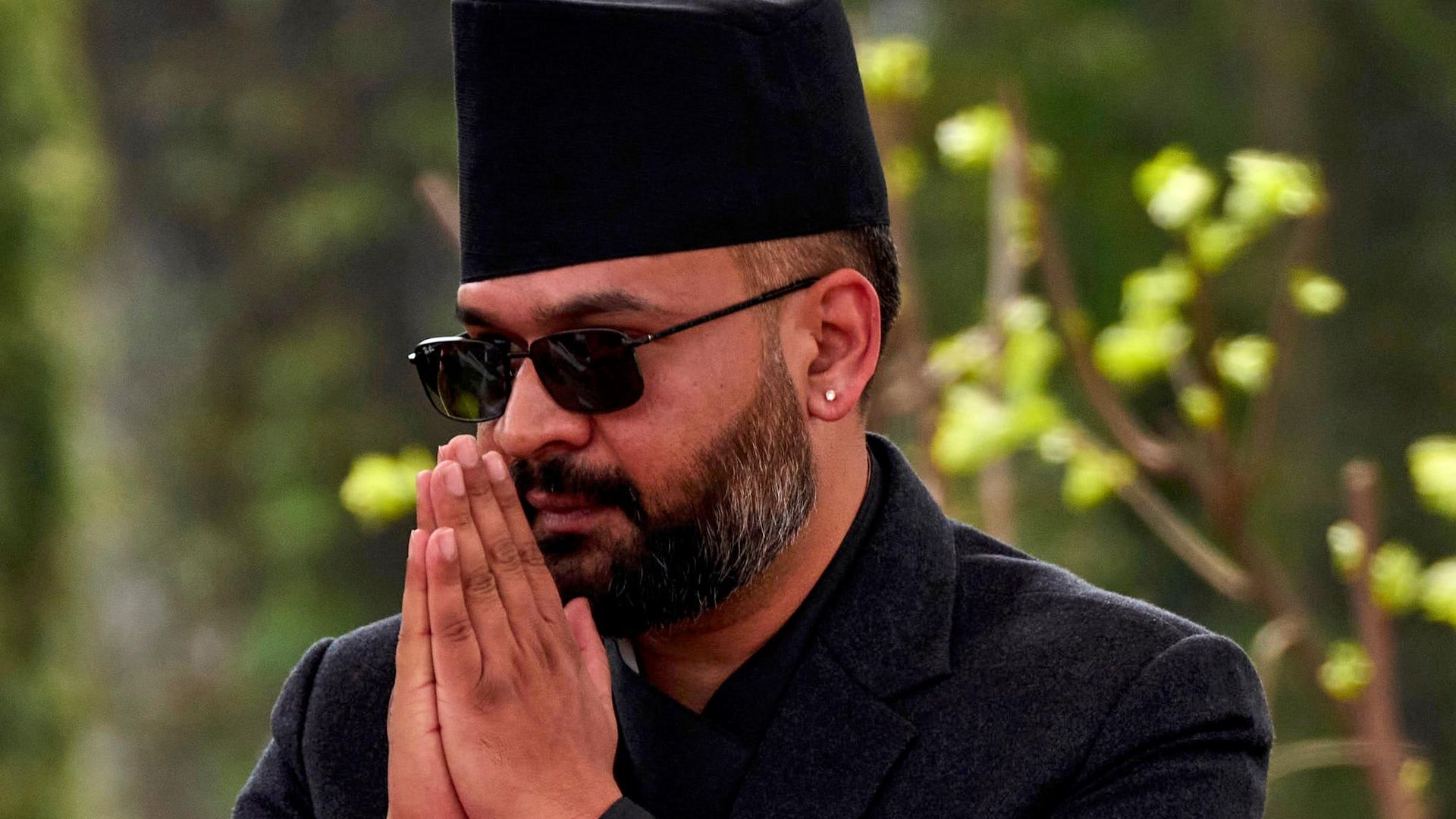
Nepal Prime Minister Balendra Shah will be visiting India at the invitation of his Indian counterpart, Prime Minister Narendra Modi, the Ministry of External Affairs (MEA) said on Friday.
India needs a working relationship with a new kind of Nepali leader who has no ties to the old parties. It also wants to stop Nepal drifting toward China, because Balendra Shah's parallel engagements with Beijing and New Delhi are being watched as the test case, an expert said ahead of the Nepali premier's arrival in the Indian capital.
"It is Shah's first bilateral trip abroad since taking office on March 27 and going to New Delhi first brings back the old convention his government had seemed to drop," Dr Nanda Kishor M.S., who heads the Department of Politics and International Studies at Pondicherry University, told Sputnik India.
Kathmandu has reportedly sought around $2 billion in Indian assistance after the August 26 floods that left over 1400 dead and more than 5,000 missing in the Bhotekoshi region of the Himalayan nation. Nepal also wants additional air entry routes through Indian airspace, he added.
Other projects on the table include the Lower Arun hydropower project, a Siliguri–Jhapa petroleum pipeline, and a proposed Ayodhya–Janakpur railway connectivity. However, the trip will last only 30 hours and hence, expect only statements of intent, not breakthroughs, the academic stressed.
Other projects on the table include the Lower Arun hydropower project, a Siliguri–Jhapa petroleum pipeline, and a proposed Ayodhya–Janakpur railway connectivity. However, the trip will last only 30 hours and hence, expect only statements of intent, not breakthroughs, the academic stressed.
"It is worth remembering that Shah refused to meet the Indian Ambassador to Nepal, so New Delhi had to work through Rastriya Swatantra Party (RSP) chairman Rabi Lamichhane instead. Shah is a senior member of the RSP. Also, Foreign Secretary Misri's May visit was postponed over differences on diplomatic protocol and the Lipulekh dispute," Kishor highlighted.
While there is a thaw, it is not a reset. India's quick aid after the August floods opened the door. But a diplomatic reset does not resolve long-standing issues such as territory, sovereignty, and economic dependence, he underscored.
Shah's Gen Z base rewards firmness, so he cannot be seen giving in on Lipulekh. India may read his distance as hostility. His agenda is actually reform and employment, priorities that have little to do with hostility towards India, the strategic affairs pundit noted.
The Lipulekh dispute between India and Nepal has figured prominently between the two nations, with both Kathmandu and Delhi claiming sovereignty over the Lipulekh Pass—and the adjoining Kalapani and Limpiyadhura areas, located close to the tri-junction of India (Uttarakhand), Nepal (Sudurpaschim Province), and China (Tibet).
"Despite the Lipulekh dispute, the real test of Indo-Nepal ties could be seen through if visible results, like air routes and power trade, come to fruition within months. If they do, ties rest on institutions rather than personalities. If not, the firmer posture returns," Kishor summed up.