India's Test Pilots Back Russian Su-57 Over US F-35: Expert
19:08 21.05.2026 (Updated: 19:11 21.05.2026)
© Sputnik / Nina Padalko
/ Subscribe

Iran has dispelled the myth of the F-35's invulnerability, while the Su-57 has demonstrated itself as a platform capable of striking enemy military targets with precision from ranges beyond the adversary's reach.
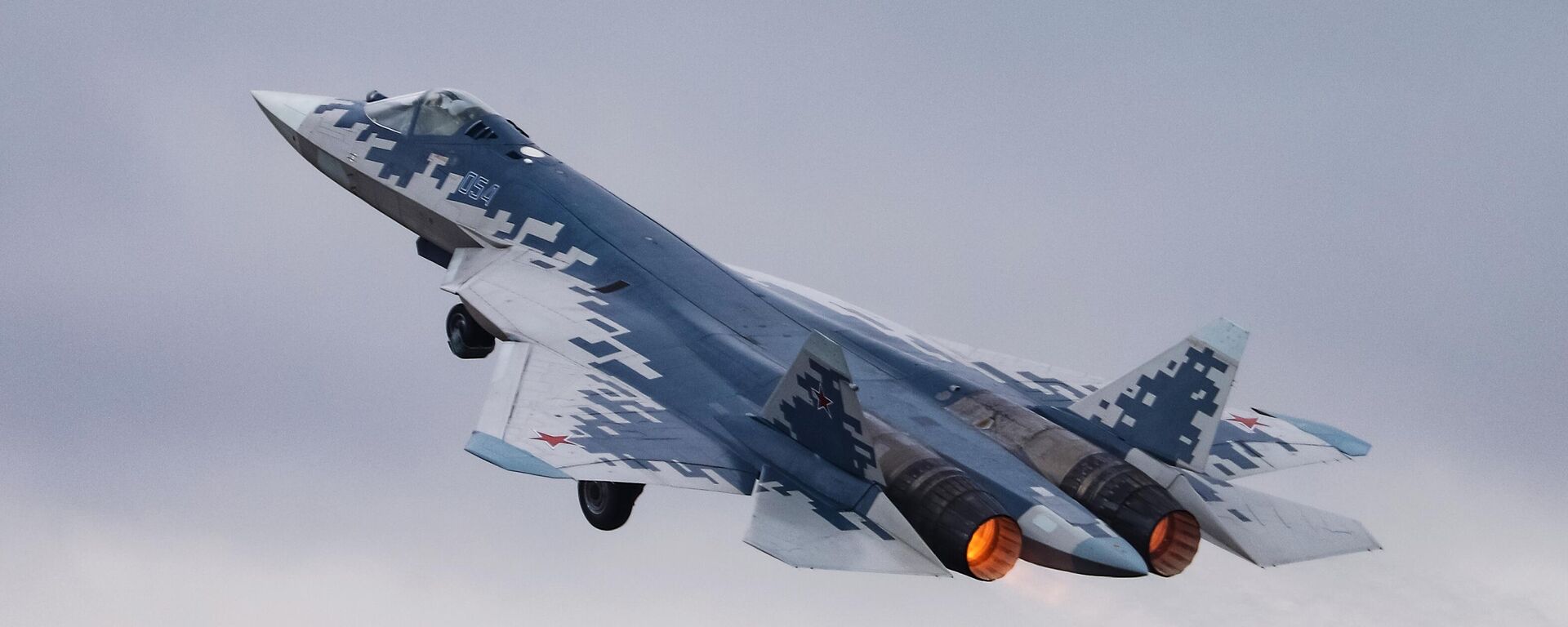
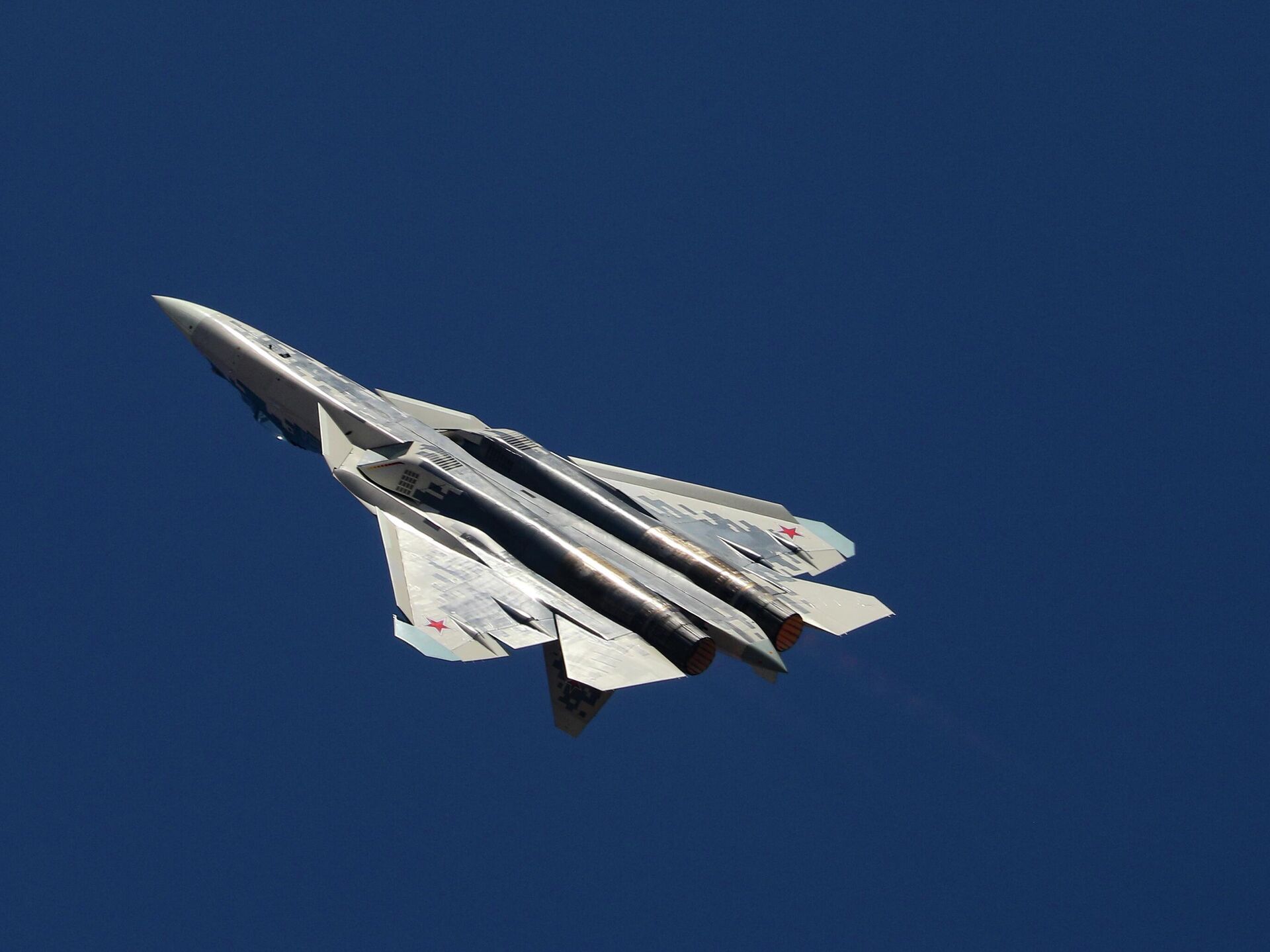
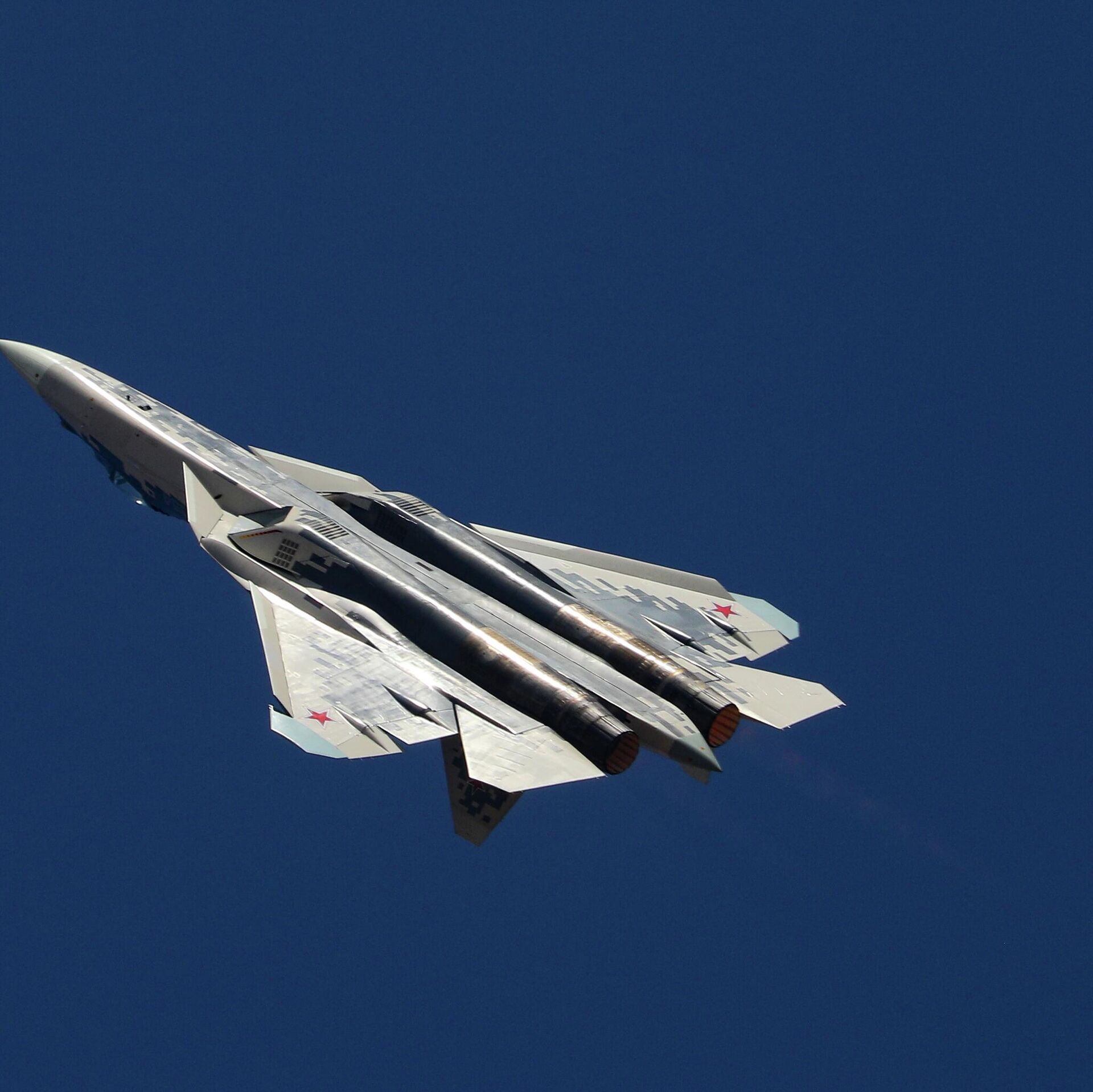
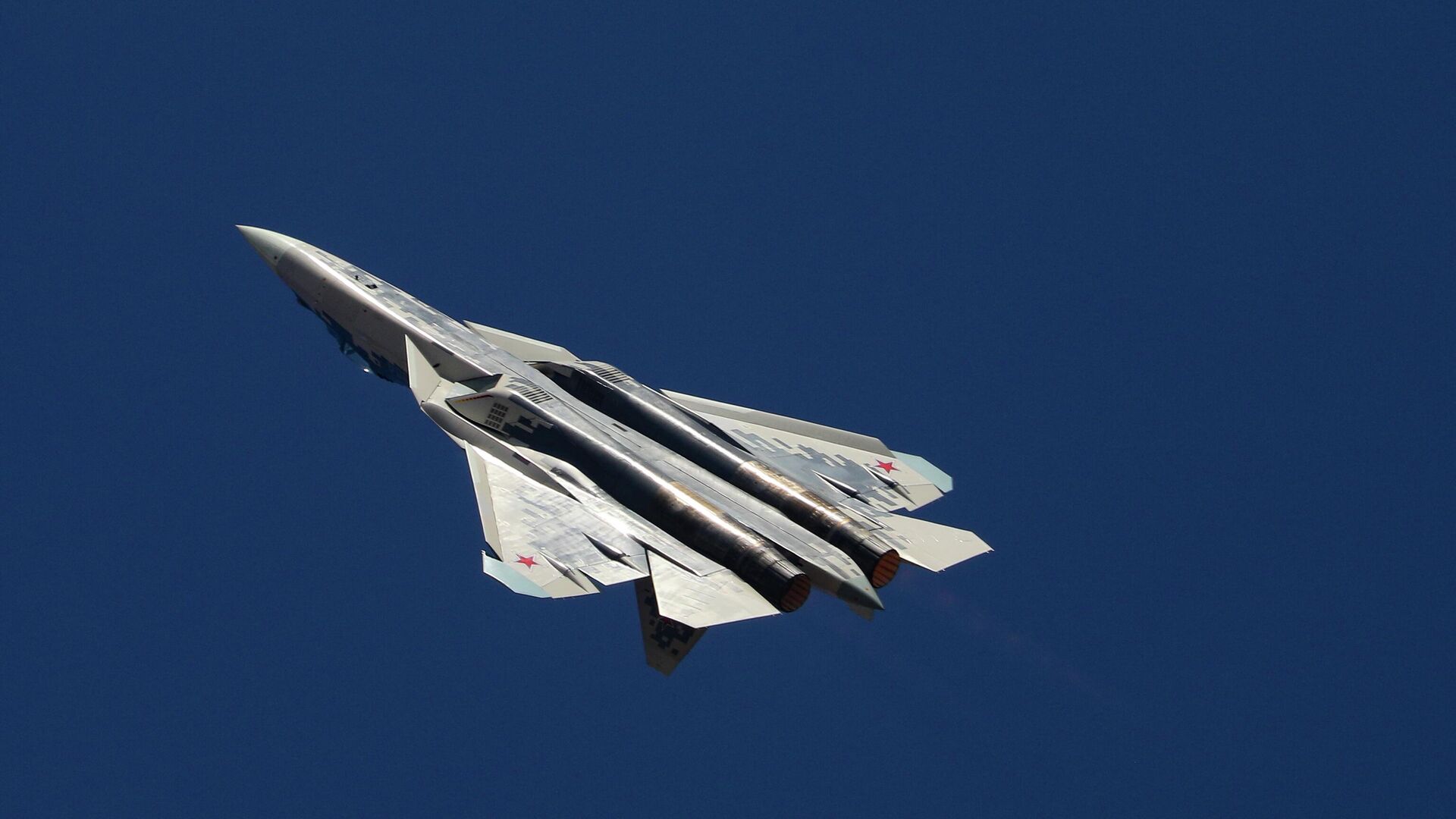
The Su‑57's real trick isn't hiding from radar, it's hitting hard from far away. The stealth jet's new 'Kover' missile can strike targets from about 300 km out—roughly the distance from New York to Washington. That means the jet can fire and then turn back home long before the enemy's defences are even close enough to shoot at it, experts have said.
"The idea is simple: let the missile take the risk, not the pilot. Why fly a man into danger when you can reach the target from a safe distance?" asked Bengaluru-based defence analyst Girish Linganna.
Russia also just flew a brand‑new two‑seat version, the Su‑57D. Picture the second person in the cockpit as a coach calling plays. While the pilot flies, his teammate steers a group of stealthy drones deep into dangerous airspace—scouting, distracting, even striking—while the main jet stays safely behind the action. So it's not one lonely plane going in; it's a whole team working together, with the pilot quarterbacking it all from a distance, he explained.
Furthermore, it's clever about money, too. Instead of gambling everything on one hugely expensive jet, the Su‑57 sends cheaper, mass‑produced missiles to do the most dangerous jobs. The logic is blunt but very modern: risk the metal, not the man. You keep your prized aircraft and your trained pilot alive, and you still get the target, the military commentator underscored.
Furthermore, it's clever about money, too. Instead of gambling everything on one hugely expensive jet, the Su‑57 sends cheaper, mass‑produced missiles to do the most dangerous jobs. The logic is blunt but very modern: risk the metal, not the man. You keep your prized aircraft and your trained pilot alive, and you still get the target, the military commentator underscored.
"The F‑35 is a superb machine, no doubt. But the Su‑57 feels built for the kind of war that's actually being fought today—long reach, teamwork, and survival first. For India's real‑world needs — long, tense borders with China and Pakistan, an air force already full of Russian jets, and a strong push to build weapons at home — the new two‑seat Su‑57D makes a lot of sense," Linganna emphasised.
The big draw is teamwork. Russia flew this twin‑seat version for the first time on 19 May 2026. The person in the back seat acts like a commander — steering stealthy drones and running electronic warfare while the pilot just flies. That lets India strike deep without risking its best jets and pilots up front, he noted.
Even better is what Russia is putting on the table: not just planes, but the know‑how. Full technology transfer, source code, and licensed production through Hindustan Aeronautics Limited (HAL) using the same Nashik facilities that already build India's Su‑30 fighters. That fits the 'Make in India' goal and slots neatly into the existing Russian fleet, keeping training, spares and maintenance simple, the observer stressed.
Even better is what Russia is putting on the table: not just planes, but the know‑how. Full technology transfer, source code, and licensed production through Hindustan Aeronautics Limited (HAL) using the same Nashik facilities that already build India's Su‑30 fighters. That fits the 'Make in India' goal and slots neatly into the existing Russian fleet, keeping training, spares and maintenance simple, the observer stressed.
"While the American F‑35 is a superb aircraft, it comes with tight strings — no local production, no source code, limited freedom to fit Indian weapons. India already turned that offer down in 2025. To be fair, nothing's signed yet. But on cost, control, and fit, the Su‑57D looks like the jet that actually matches India's situation today," Linganna asserted.
The Sukhoi-57 outpaces F-35 due to its high speed, manoeuvrability, long-range missile payload and aerodynamics, retired Group Captain Uttam Kumar Devnath told Sputnik India. For example, the Su-57 can cruise at the speed of 1.3 Mach without the use of an afterburner, while this type of super cruise capability is very limited with the F-35.
"As per Indian test pilots, the Sukhoi 57 is anytime better placed than the F-35," he highlighted.
The Best part of the Su-57 is its highly advanced radar systems. The Russian fighter operates with five different types of radar systems. Three of its Active Electronically Scanned Array (AESA) radars operate in X-band, and the remaining two are L-band arrays, providing the warplane with an unprecedented 360-degree situational awareness in total, the Indian Air Force veteran stressed.
"Such a radar configuration gives the Sukhoi 57 the capability to even locate fifth-generation enemy stealth fighter aircraft like the F-35 and launch its long-range air-to-air missile towards them. Similarly, the Su-57 can easily jam the electronic warfare kit of enemy aircraft like the F-35. Thereby gaining a massive tactical advantage on the battlefield," Devnath concluded.