https://sputniknews.in/20260630/uk-reshapes-armed-forces-following-ukraine-conflict-lessons-reports-11462452.html
UK Reshapes Armed Forces Following Ukraine Conflict Lessons: Reports
UK Reshapes Armed Forces Following Ukraine Conflict Lessons: Reports
Sputnik India
The United Kingdom is set to introduce one of the most significant reforms of its armed forces in decades, with the new strategy heavily influenced by lessons... 30.06.2026, Sputnik India
2026-06-30T21:26+0530
2026-06-30T21:26+0530
2026-06-30T21:26+0530
united kingdom (uk)
ukraine
europe
keir starmer
https://cdn1.img.sputniknews.in/img/07e7/08/06/3425872_0:0:1400:789_1920x0_80_0_0_842f3bbf268e7e7e0b75dc75c327b2ca.jpg
The reforms are expected to reshape Britain's defense priorities by placing greater emphasis on affordable, rapidly developed technologies alongside traditional military capabilities.According to the report, the UK Ministry of Defence announced that Prime Minister Keir Starmer will unveil a new defense investment plan outlining the government's long-term military modernization strategy.The plan is said to draw heavily from Ukraine's battlefield experience, prioritizing:The approach reflects how modern conflicts have increasingly relied on inexpensive technologies, including drones and precision-guided systems, to counter more costly military equipment.The review concluded that European security has entered a more challenging era, requiring armed forces that are more agile, technologically advanced, and better prepared for high-intensity warfare.For decades, Britain's defense strategy has centered on its naval power, with major investments in aircraft carriers, nuclear-powered submarines, and other large strategic platforms that have formed the backbone of the country's military capabilities.While those assets are expected to remain important, the new strategy signals a broader shift toward integrating lower-cost, highly scalable technologies capable of responding to modern threats.The report argues that the widespread use of drones, precision strikes, and rapidly evolving battlefield technologies has challenged traditional assumptions about military superiority and highlighted the need for more flexible, cost-effective capabilities.The planned reforms represent one of the UK's most comprehensive defense transformations in decades, reflecting the government's effort to prepare the armed forces for the changing nature of modern warfare.By combining traditional military strength with rapidly deployable, lower-cost technologies, Britain aims to build a force better suited to the evolving security environment and future conflicts.
https://sputniknews.in/20260630/uk-to-pour-record-66b-into-armed-forces-drones-ministry-11453944.html
united kingdom (uk)
ukraine
europe
Sputnik India
feedback.hindi@sputniknews.com
+74956456601
MIA „Rossiya Segodnya“
2026
Sputnik India
feedback.hindi@sputniknews.com
+74956456601
MIA „Rossiya Segodnya“
News
en_IN
Sputnik India
feedback.hindi@sputniknews.com
+74956456601
MIA „Rossiya Segodnya“
Sputnik India
feedback.hindi@sputniknews.com
+74956456601
MIA „Rossiya Segodnya“
united kingdom (uk), ukraine, europe, keir starmer
united kingdom (uk), ukraine, europe, keir starmer
UK Reshapes Armed Forces Following Ukraine Conflict Lessons: Reports
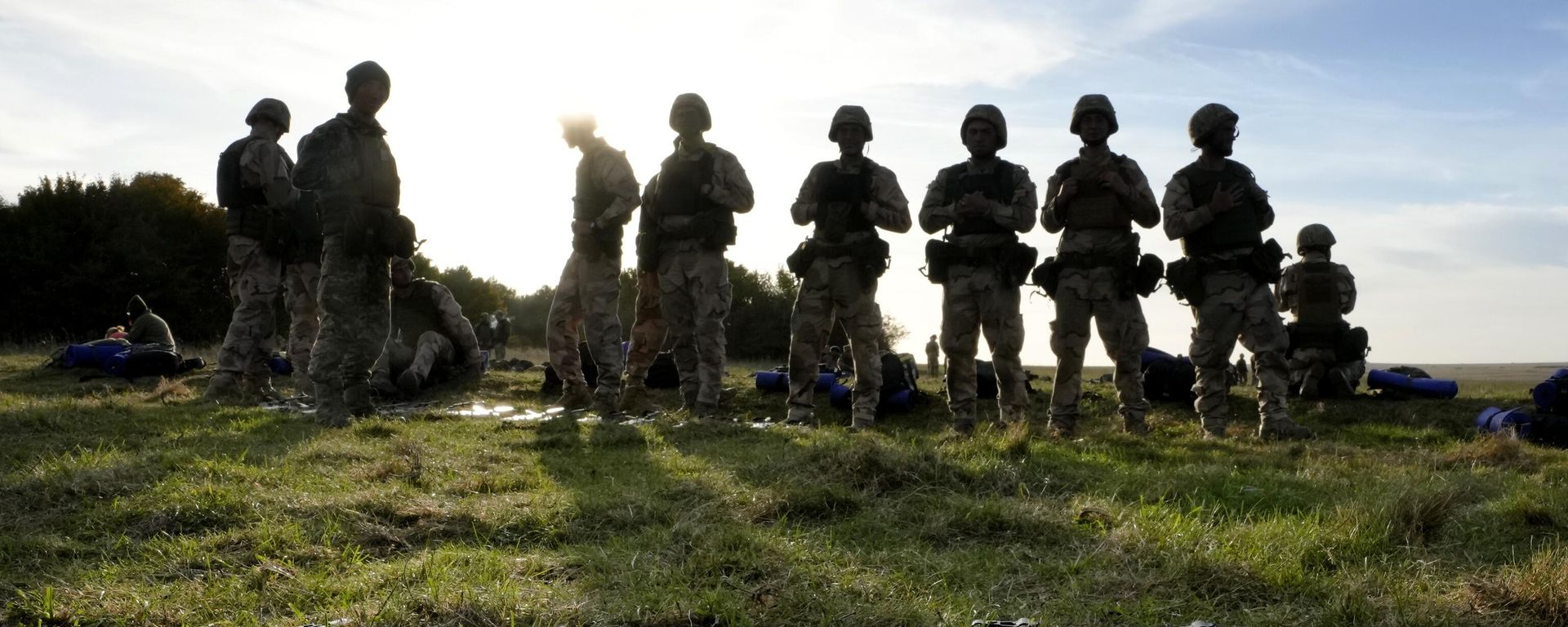
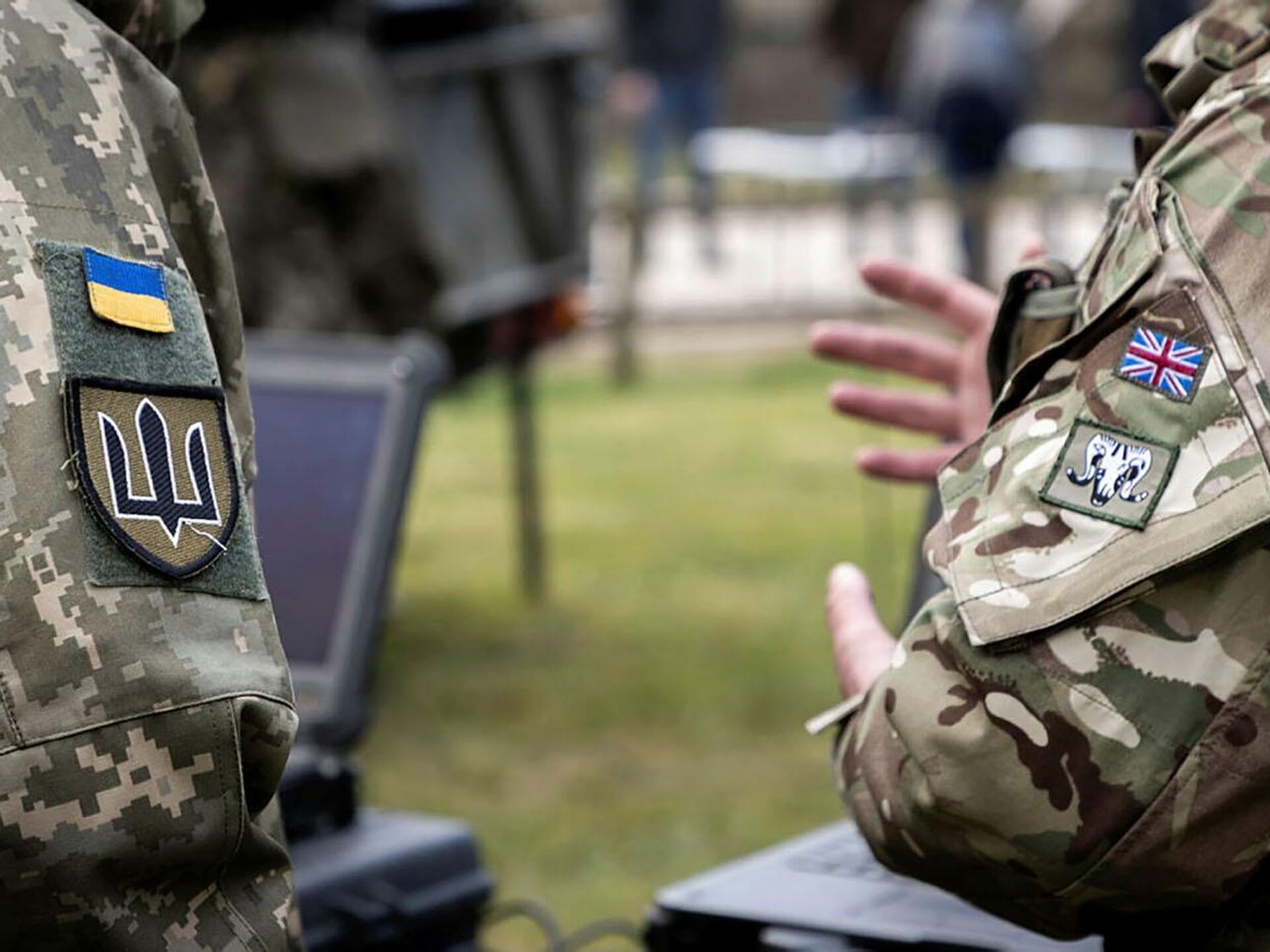
The United Kingdom is set to introduce one of the most significant reforms of its armed forces in decades, with the new strategy heavily influenced by lessons learned from the conflict in Ukraine, according to a report by Politico.
The reforms are expected to reshape Britain's defense priorities by placing greater emphasis on affordable, rapidly developed technologies alongside traditional military capabilities.
According to the report, the
UK Ministry of Defence announced that Prime Minister
Keir Starmer will unveil a
new defense investment plan outlining the government's long-term military modernization strategy.
The plan is said to draw heavily from Ukraine's battlefield experience, prioritizing:
Low-cost systems capable of neutralizing high-value military assets.
Faster innovation and procurement cycles measured in weeks rather than years.
Greater adaptability to rapidly evolving battlefield conditions.
The approach reflects how modern conflicts have increasingly relied on inexpensive technologies, including drones and precision-guided systems, to counter more costly military equipment.
The defense plan is intended to deliver on the objectives outlined in the UK's Strategic Defence Review, which warned that the return of interstate conflict in Europe requires a fundamental reassessment of Britain's military posture.
The review concluded that European security has entered a more challenging era, requiring armed forces that are more agile, technologically advanced, and better prepared for high-intensity warfare.
For decades, Britain's defense strategy has centered on its naval power, with major investments in aircraft carriers, nuclear-powered submarines, and other large strategic platforms that have formed the backbone of the country's military capabilities.
While those assets are expected to remain important, the new strategy signals a broader shift toward integrating lower-cost, highly scalable technologies capable of responding to modern threats.
According to Politico, the conflict in Ukraine has significantly influenced defense planning across Europe by demonstrating both the effectiveness of affordable unmanned systems and the vulnerabilities of expensive conventional military platforms.
The report argues that the widespread
use of drones, precision strikes, and rapidly evolving battlefield technologies has challenged traditional assumptions about military superiority and highlighted the need for more flexible, cost-effective capabilities.
The planned reforms represent one of the UK's most comprehensive defense transformations in decades, reflecting the government's effort to prepare the armed forces for the changing nature of modern warfare.
By combining traditional military strength with rapidly deployable, lower-cost technologies, Britain aims to build a force better suited to the evolving security environment and future conflicts.