What India Could Learn From Russia's Hypersonic Missile Programme?
20:30 07.10.2026 (Updated: 20:50 07.10.2026)
© AP Photo / AJIT KUMAR
Subscribe

Former Defence Research and Development Organisation (DRDO) Chairman Dr G. Satheesh Reddy has exhorted scientists to develop an indigenous hypersonic missile that can be deployed by the Indian Armed Forces by 2035.
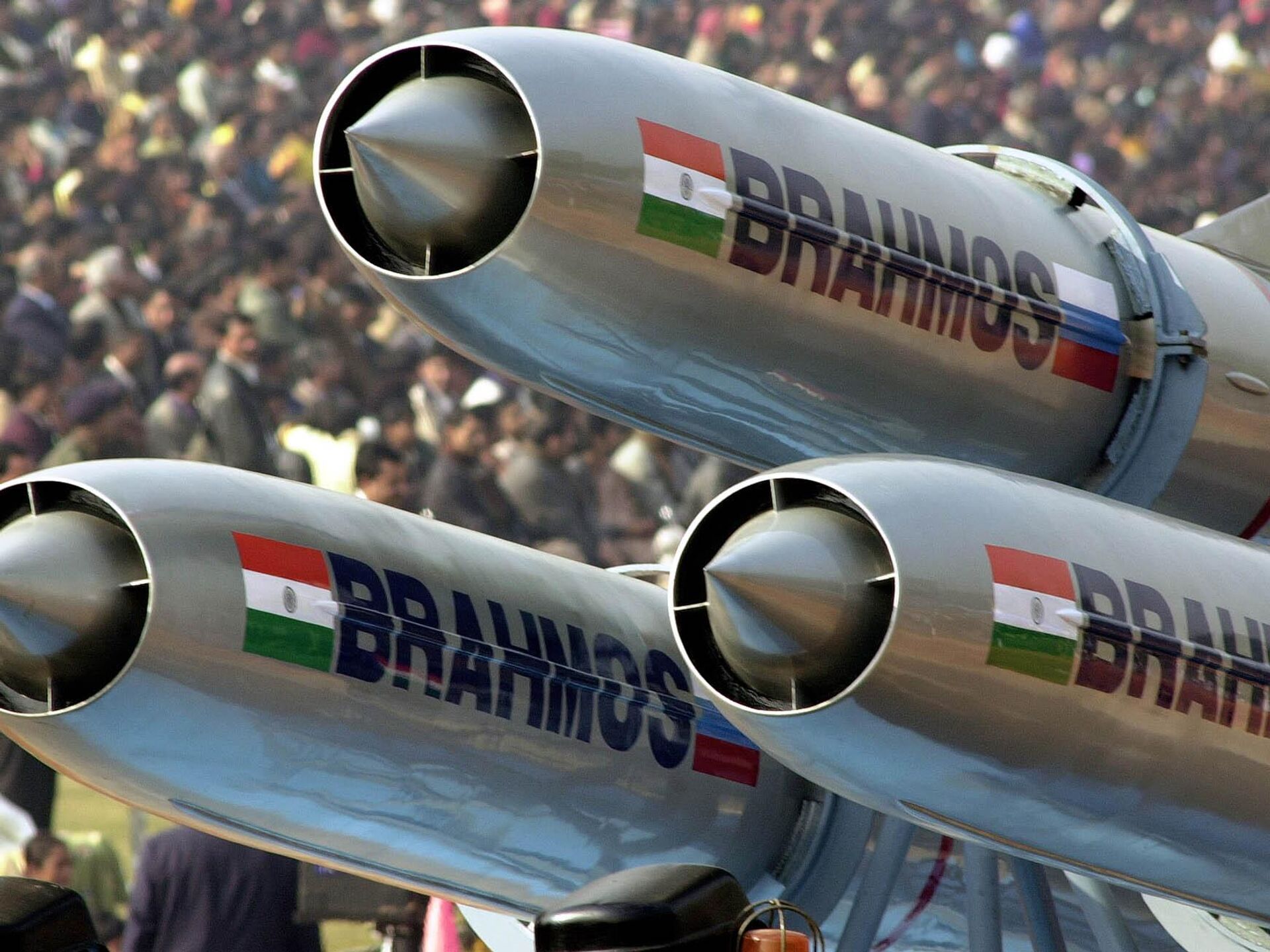
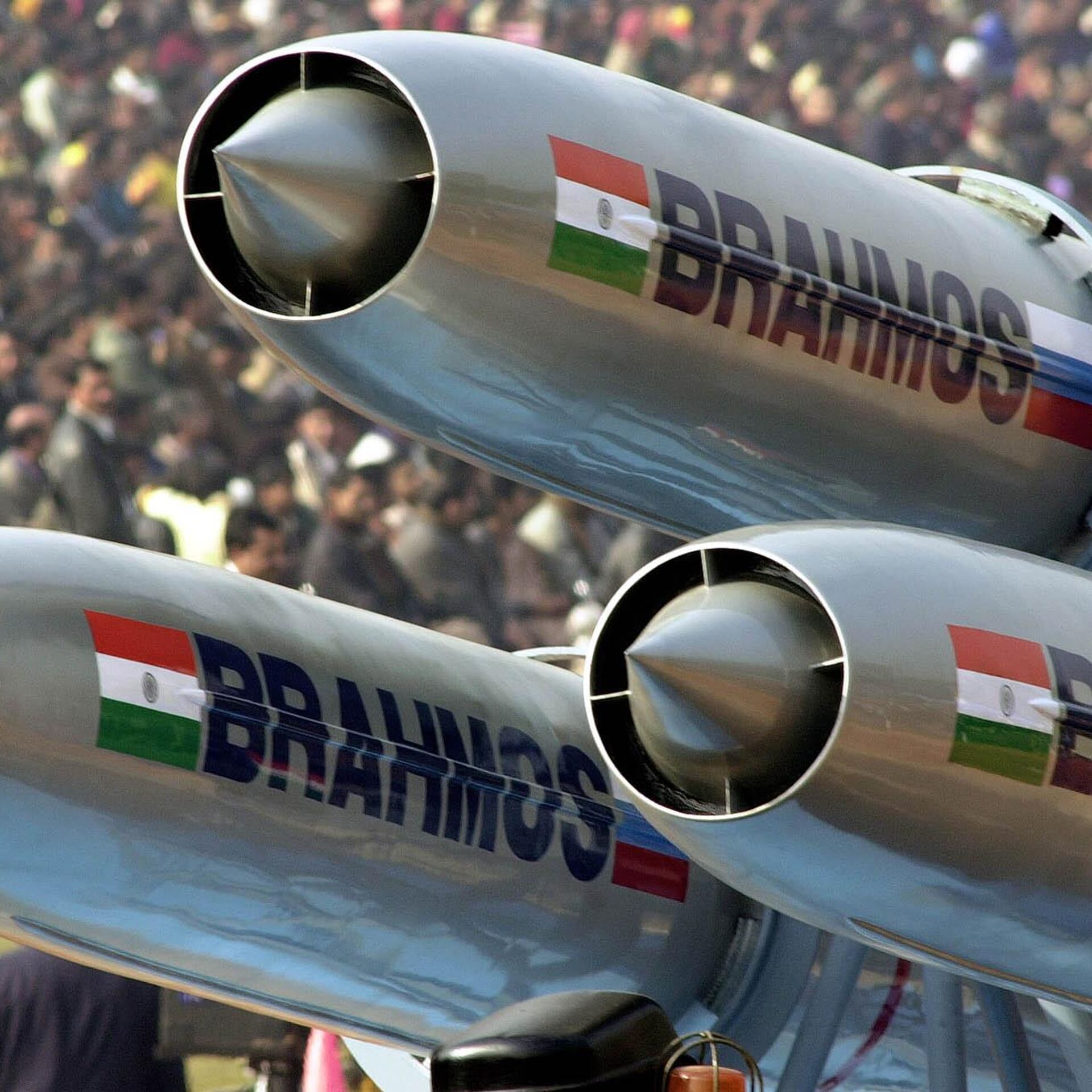
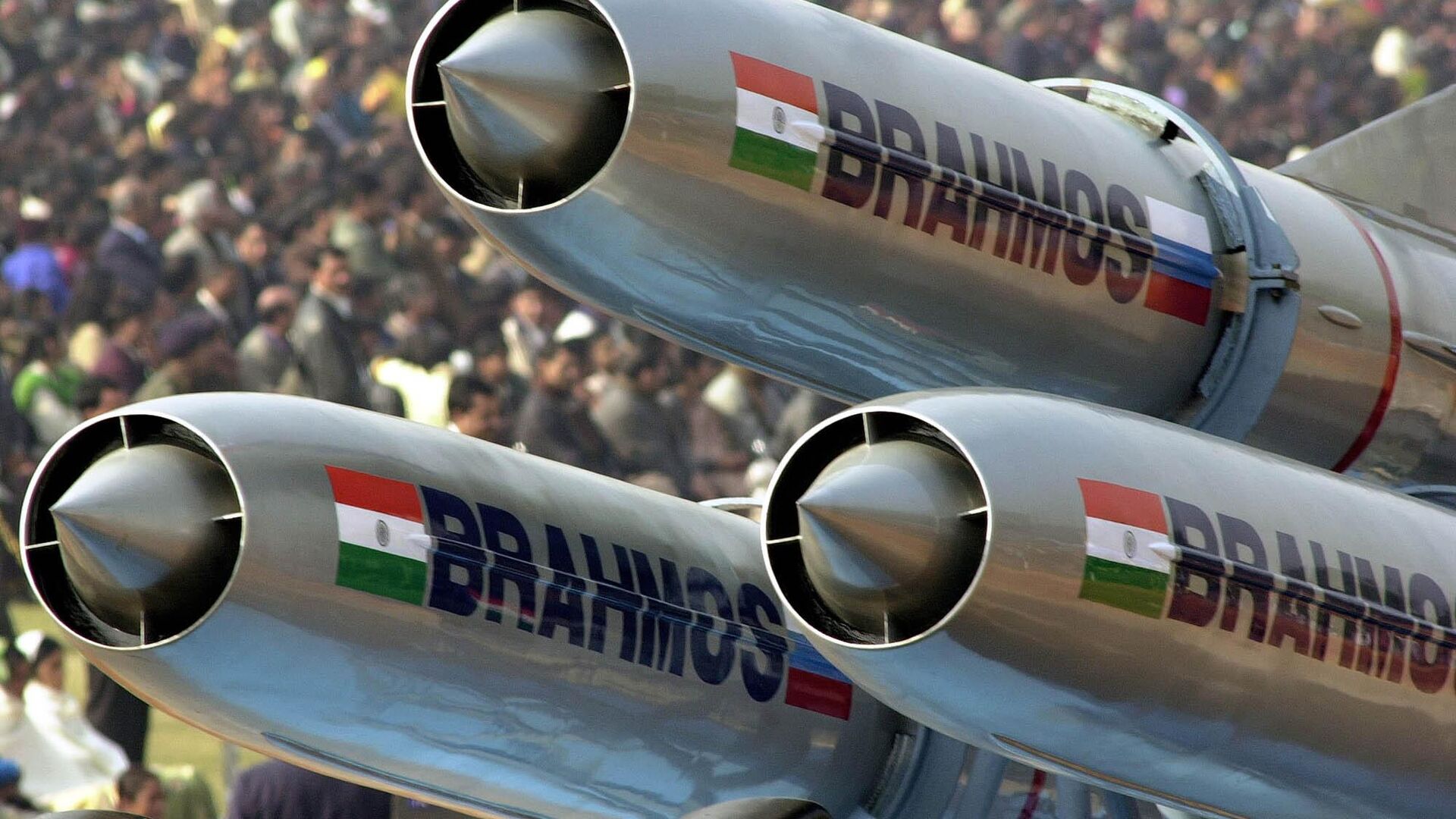
Every Indian who has watched a BrahMos leave its launcher knows what cooperation with Russia can achieve. BrahMos grew from an Indo-Russian partnership into one of India's most important strike weapons. It has now also demonstrated its value in actual operations, an expert has said.
"Russia's conflict with Ukraine offers India another kind of lesson. Russia has been using some of its most advanced missiles in real combat and a battlefield can reveal weaknesses that even hundreds of controlled tests may not expose," Defence analyst Girish Linganna told Sputnik India.
Hypersonic generally means travelling faster than five times the speed of sound. But Russia's experience shows that speed alone does not make a missile successful. It must also find its target accurately, survive enemy defences, remain reliable and be affordable enough to manufacture in useful numbers, he added.
Russia has also increasingly relied on large attacks involving different types of missiles and drones. This can make life extremely difficult for defenders because they must detect and respond to many threats arriving with different speeds and flight paths, the military commentator highlighted.
Russia has also increasingly relied on large attacks involving different types of missiles and drones. This can make life extremely difficult for defenders because they must detect and respond to many threats arriving with different speeds and flight paths, the military commentator highlighted.
"Then there is Zircon, Russia's naval hypersonic weapon. Moscow has advertised extraordinary speeds for the weapon and used it extensively during major attacks in 2026. Avangard is different again. It is a strategic hypersonic glide vehicle designed primarily for nuclear deterrence," Linganna stressed.
Oreshnik, meanwhile, is a road-mobile intermediate-range ballistic missile capable of carrying multiple warheads. Russia has used it against Ukraine, but it remains a relatively scarce and expensive strategic weapon, he stated.
India should therefore avoid simply copying any Russian missile. Instead, it should study what has actually worked, what has failed and what Russia has changed after battlefield experience, the observer pointed out.
India is already moving in that direction. In May 2026, DRDO successfully ran its indigenous full-scale scramjet combustor for more than 1,200 seconds. A scramjet is particularly difficult because fuel must burn while air is racing through the engine at supersonic speed—rather like trying to keep a flame alive inside a storm. But an engine test is still only one step towards an operational missile, the Bengaluru-based strategic affairs specialist noted.
India should therefore avoid simply copying any Russian missile. Instead, it should study what has actually worked, what has failed and what Russia has changed after battlefield experience, the observer pointed out.
India is already moving in that direction. In May 2026, DRDO successfully ran its indigenous full-scale scramjet combustor for more than 1,200 seconds. A scramjet is particularly difficult because fuel must burn while air is racing through the engine at supersonic speed—rather like trying to keep a flame alive inside a storm. But an engine test is still only one step towards an operational missile, the Bengaluru-based strategic affairs specialist noted.
"India ultimately needs hypersonic weapons that are accurate, reliable, affordable and capable of being manufactured in large numbers. They should eventually be deployable from different platforms rather than existing only as a few prestigious weapons. That may be Russia's most valuable lesson," Linganna underscored.
Mach numbers make headlines. Wars are decided by weapons that can be produced in numbers, survive enemy defences and actually hit what they are aimed at. Hence, India should continue learning from Russia wherever that cooperation saves time. But the final technology, production capability and freedom to improve the weapon must increasingly be India's own, he reckoned.
Why India Needs Its Own Hypersonic Missile Technology
For India, developing its own hypersonic missiles is no longer just about having an advanced weapon. It is about national security and strategic independence, the pundit mentioned.
India is therefore developing these capabilities at home. Ultimately, indigenous hypersonic technology gives India something even more important than speed: the freedom to design, build, improve and deploy a strategic weapon without depending on another country, he summed up.