Why Southeast Asia is Falling in Love With BrahMos Missile?
© AP Photo / AJIT KUMAR
Subscribe

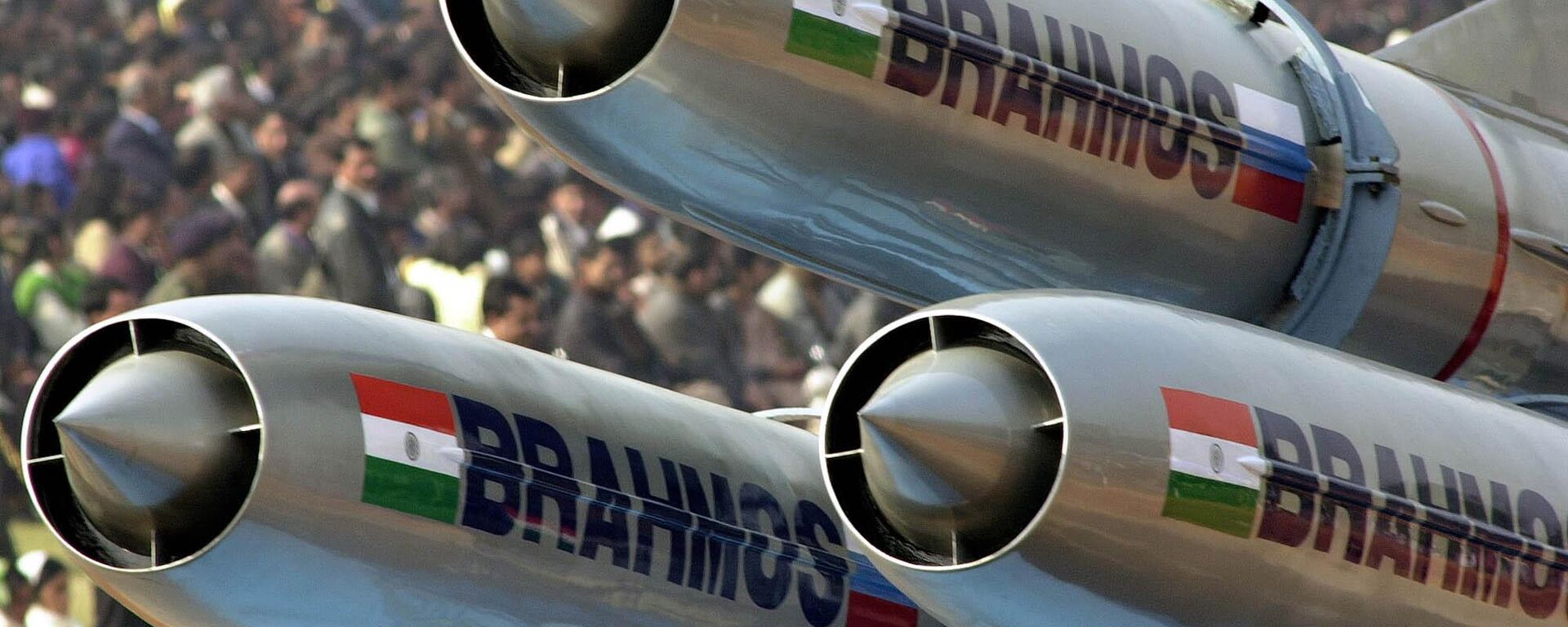
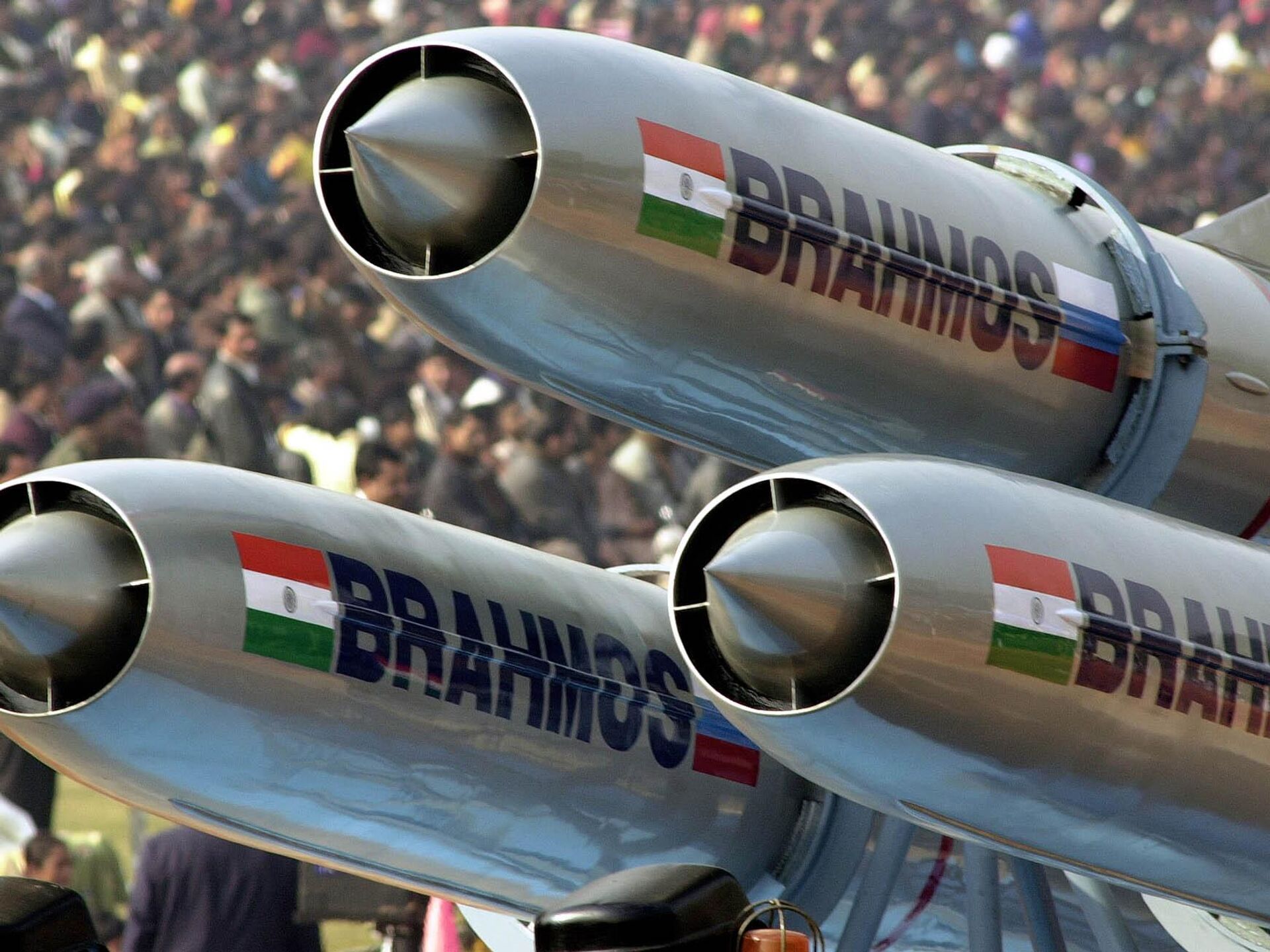
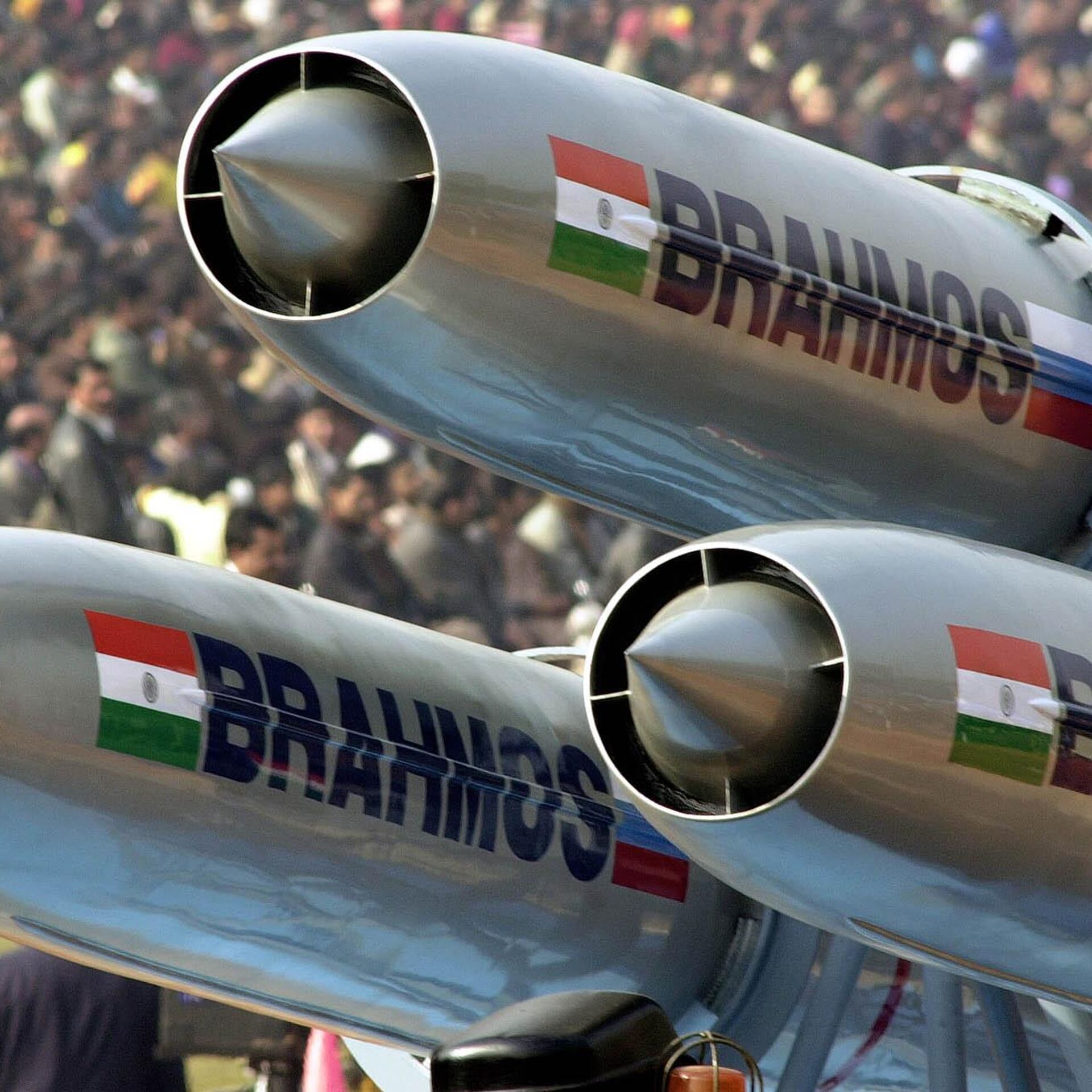
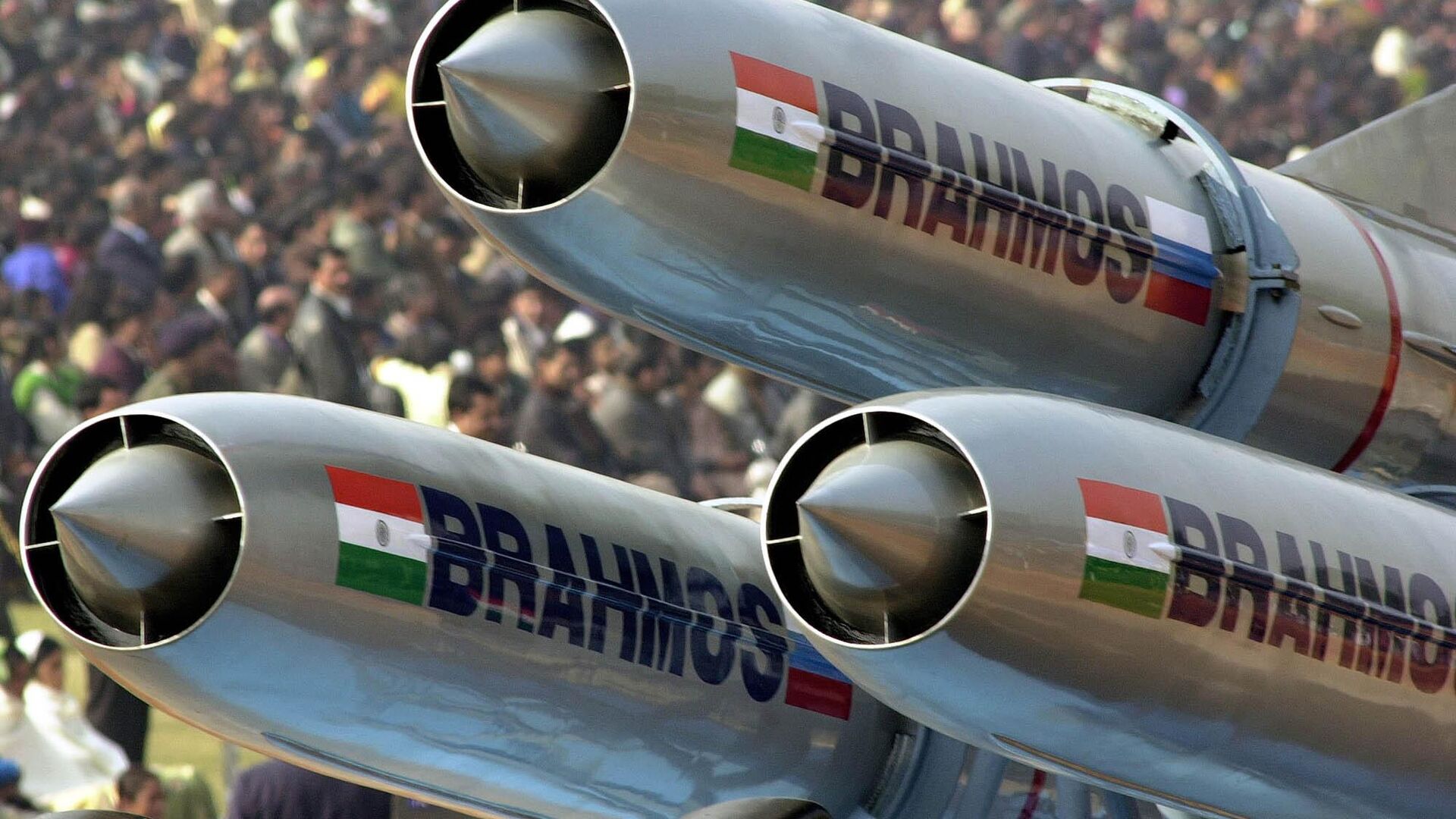
The Philippines was the first export customer of the BrahMos, inking a $375 million contract for three batteries of the world's fastest supersonic weapon system.
Malaysian Prime Minister Anwar Ibrahim has confirmed that Malaysia is in talks to acquire the BrahMos missile from India.
"We did discuss it, but normally my position is always to get the departments or agencies concerned, those having the expertise in the Air Force; they should then continue. They have had initial discussions, and I told Prime Minister Modi that I am very supportive of that because first, the relationship is built on trust and we want to cement it in all fields," Anwar told broadcaster NDTV in an interview.
Notably, Malaysia will become the fourth South Asian nation after the Philippines, Vietnam, and Indonesia to move ahead with the widely acclaimed weapon's acquisition.
According to analysts, the growing interest in BrahMos is driven by a combination of capability, affordability and strategic relevance.
"For countries such as the Philippines, Indonesia and potentially Malaysia, the missile offers a credible way of strengthening maritime deterrence without having to develop an indigenous supersonic cruise-missile capability from scratch," Harpreet Sidhu, a defence analyst at the military market intelligence firm GlobalData told Sputnik India.
BrahMos is particularly relevant to Southeast Asia because these countries have extensive maritime interests and face a security environment where sea-denial and coastal defence are becoming increasingly important. A fast, precision-strike system gives a relatively small or medium-sized military the ability to hold larger naval assets at risk and strengthen its deterrence posture, he added.
There is also an important political dimension. Southeast Asian countries generally want to diversify their defence suppliers rather than become excessively dependent on a single major power. India, therefore, becomes an increasingly attractive partner, particularly because New Delhi has positioned BrahMos as an export-oriented system and is willing to develop broader defence relationships around it, the observer underscored.
"The Philippine experience is particularly important because it has demonstrated that BrahMos is not merely an export concept—it can actually be integrated into an operational coastal-defence architecture. Indonesia’s move further reinforces that trend, while Malaysia’s reported discussions show that interest is spreading across the region. Malaysia is still at the exploratory stage, so one should distinguish between interest, negotiations and an actual signed contract," Sidhu emphasised.
Besides, India is clearly moving in the right direction by expanding the BrahMos' manufacturing hubs, but additional production facilities would not automatically translate into unlimited missile-production capacity, he noted.
The Lucknow facility is an important step in expanding the BrahMos industrial base. The facility began delivering missiles to the Indian Army, and its planned production capacity adds significant additional throughput to the existing manufacturing ecosystem, the defence commentator underlined.
"However, the challenge is not simply about assembling the missile. BrahMos is a complex weapon system involving propulsion, guidance and navigation, seekers, electronics, airframes, warheads, boosters, testing and systems integration. Increasing the final assembly rate, therefore, requires the entire supplier ecosystem to scale simultaneously," Sidhu asserted.
The first challenge will be component and subsystem availability. If one critical component has a longer lead time, it can become the bottleneck for the entire missile-production line. Hence, India needs to scale not only BrahMos Aerospace’s own facilities but also its network of domestic suppliers, he highlighted.
The second challenge is balancing Indian military requirements with export commitments. India is simultaneously modernising its own missile inventory while building an export market. A sudden increase in overseas orders could potentially create scheduling pressure unless production capacity and inventory buffers are expanded ahead of demand, the military expert reckoned.
"Third is testing and quality assurance. For a sophisticated missile system, production cannot simply be accelerated like a conventional industrial product. Each batch requires stringent inspection, integration and acceptance procedures. Increasing output while maintaining reliability will be critical," Sidhu pointed out.
Finally, there is the question of future variants. BrahMos is evolving, including lighter and more compact variants such as BrahMos-NG. Managing production of existing systems while introducing newer variants can temporarily add complexity to the manufacturing ecosystem, he stressed.
So, India has demonstrated the intent and is building the capacity to support multiple customers, but the real test will be whether the entire supply chain can scale at the same pace as final missile assembly. The objective should not simply be to produce more BrahMos—it should be to create a resilient Indian missile-industrial ecosystem capable of supporting both domestic requirements and sustained exports, the specialist summed up.