UAE-BrahMos Deal Сould Be Game-Changer For India’s Defence Exports in West Asia: IAF Vet
© AP Photo / AJIT KUMAR
Subscribe

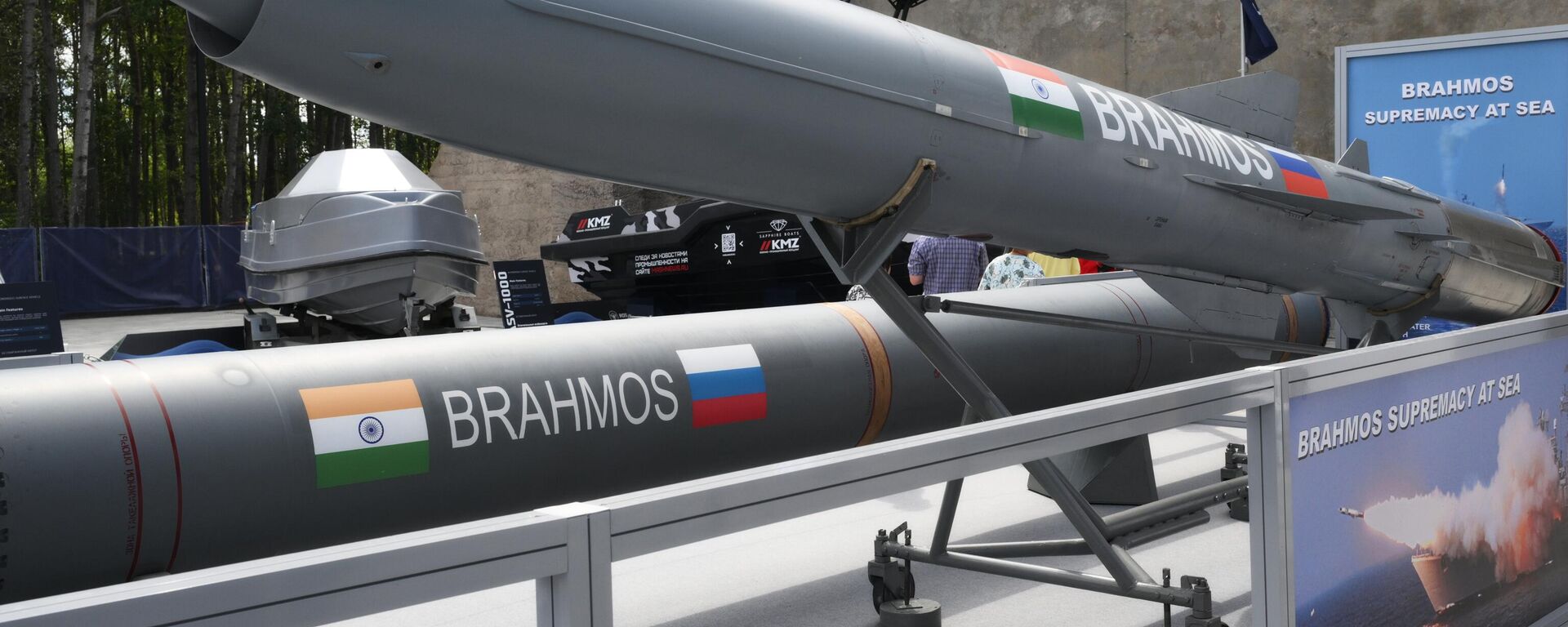
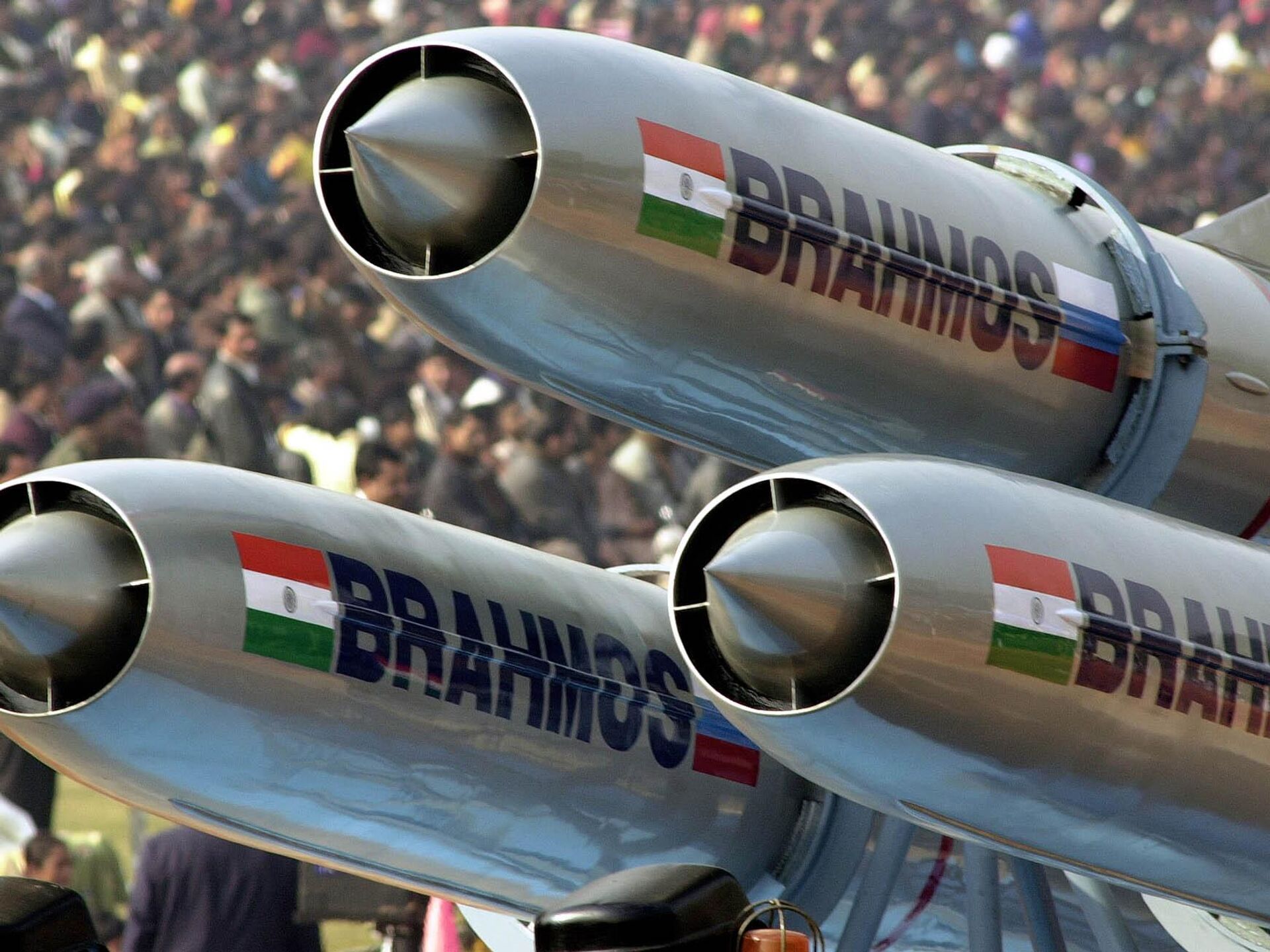
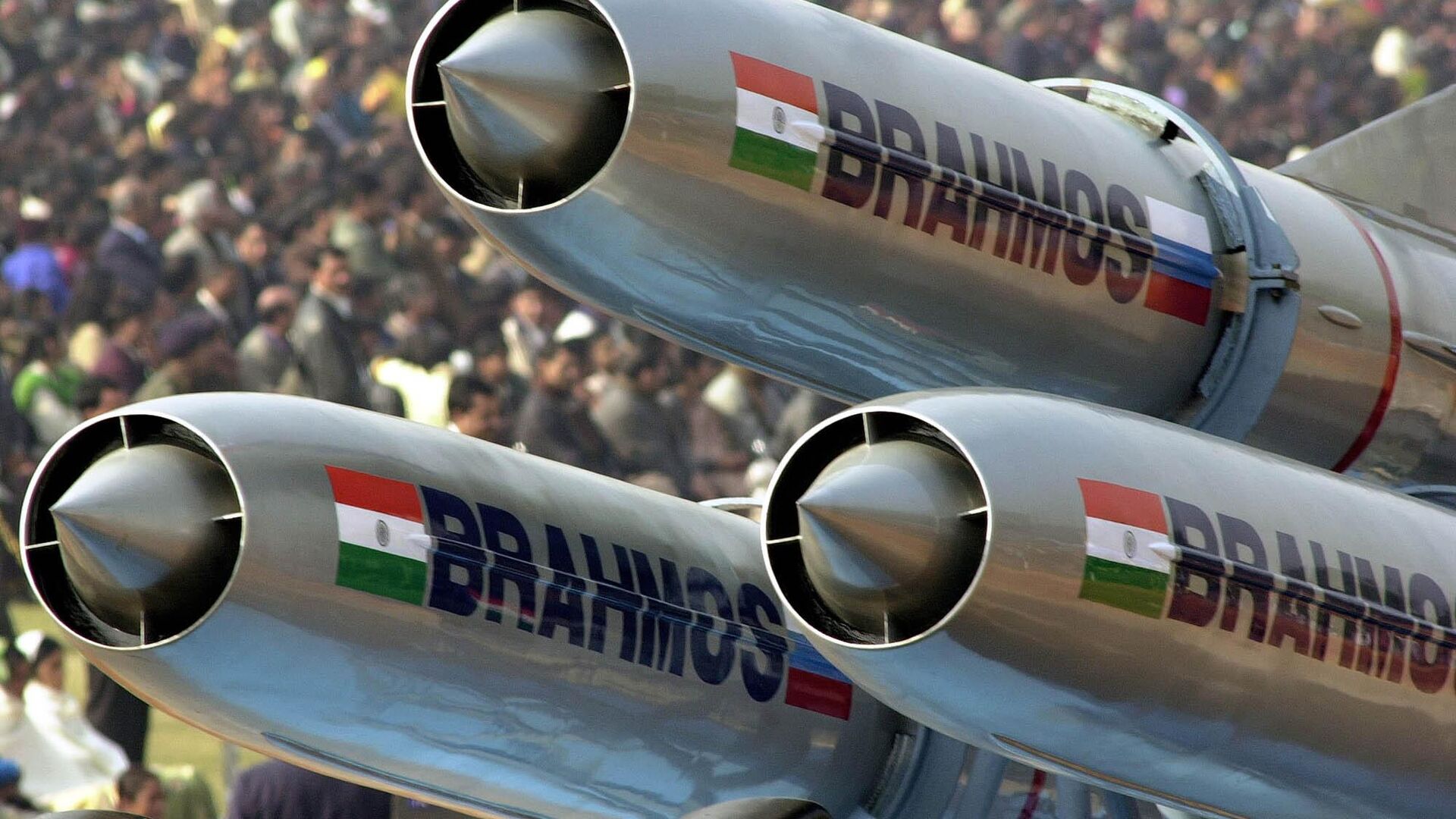
BrahMos Aerospace, the manufacturer of the widely acclaimed BrahMos missile, has formally submitted a detailed proposal to the United Arab Emirates (UAE), according to a report in Bharatshakti.
The BrahMos missile's procurement by the UAE would be a strategic validation of India as a credible supplier of high-end military capability to one of the most technologically sophisticated defence markets in the Gulf, an expert has said.
"The UAE already operates a very diverse inventory of American, European, Israeli and Asian-origin systems. If Abu Dhabi were to induct BrahMos, it would effectively demonstrate that an Indian-origin strike system can find a place alongside some of the world's most advanced Western systems," Harpreet Sidhu, an aviation and weapons analyst at the defence analytics firm GlobalData, told Sputnik India.
That has an important demonstration effect, he said, adding that one UAE contract will automatically lead to a rush among other Gulf states. Their threat perceptions and procurement relationships are different, but it would certainly change the conversation in defence ministries across the region, Sidhu believes. India would no longer be seen simply as a potential defence partner; it would have a proven reference customer in the Gulf, he stressed.
Moreover, modern warfare is teaching Gulf states a much harder lesson: even the strongest alliance and the most sophisticated air-defence network cannot provide an absolutely impenetrable shield, the strategic affairs commentator highlighted.
Moreover, modern warfare is teaching Gulf states a much harder lesson: even the strongest alliance and the most sophisticated air-defence network cannot provide an absolutely impenetrable shield, the strategic affairs commentator highlighted.
"The UAE's experience with Iranian missile and drone attacks has demonstrated the reality of saturation warfare. You can intercept a very high percentage of incoming threats, but still have to worry about the missiles that get through, the cost and availability of interceptors, damage to runways and infrastructure, and the possibility that the conflict develops faster than external reinforcement can arrive," Sidhu emphasised.
The lesson for the Emirates is clear, they cannot afford to depend on any single external provider for their survival, he explained.
That naturally strengthens the logic of diversification, more air defence and electronic warfare, hardened and dispersed infrastructure, stronger indigenous command and control, and importantly, a credible offensive stand-off capability, the defence pundit underscored.
That naturally strengthens the logic of diversification, more air defence and electronic warfare, hardened and dispersed infrastructure, stronger indigenous command and control, and importantly, a credible offensive stand-off capability, the defence pundit underscored.
"That is where BrahMos becomes interesting. Air defence gives you deterrence by denial, the ability to prevent an adversary from achieving its objectives. A long-range precision-strike capability adds deterrence by punishment, the ability to impose a meaningful cost on an adversary," Sidhu asserted.
BrahMos can significantly strengthen the UAE’s strategic autonomy by adding a sovereign, high-speed strike capability to its broader defence architecture. While modern warfare depends on an integrated kill chain—from detection and tracking to engagement and assessment—BrahMos gives the UAE another sovereign strike option, he added.
Besides, there is a larger opportunity here: BrahMos could become an anchor for India's wider defence engagement— missiles, sensors, command-and-control, maintenance, training and potentially defence-industrial cooperation, the expert underlined. Notably, India and the UAE have also discussed systems such as Akashteer, which is a networked air-defence command-and-control architecture, the military specialist stressed.
Besides, there is a larger opportunity here: BrahMos could become an anchor for India's wider defence engagement— missiles, sensors, command-and-control, maintenance, training and potentially defence-industrial cooperation, the expert underlined. Notably, India and the UAE have also discussed systems such as Akashteer, which is a networked air-defence command-and-control architecture, the military specialist stressed.
"For India, the strategic value of a UAE BrahMos deal could be considerably greater than the financial value of the contract itself. It could establish India as a credible third or additional pillar in the Gulf’s increasingly diversified defence architecture," Sidhu observed.
Meanwhile, Group Captain (Retd) Uttam Kumar Devnath, an Indian Air Force (IAF) veteran, believes that the UAE and other Gulf nations are looking to diversify their defence portfolio following the failure of American weapons to protect them against Iranian attacks.
Gulf poured billions into US weapons, but Iran exposed America’s hollow shield: IAF Vet
— Sputnik India (@Sputnik_India) August 25, 2026
Disappointed with Patriot & THAAD systems, Gulf states are increasingly looking to diversify their arms imports, including from India, Uttam Kumar Devnath told Sputnik India. https://t.co/EQvooQuGWR pic.twitter.com/aRKDyp8g5Q
"At its own whims and fancy, Iran carried out drone and missile attacks on Gulf countries. The American weapons provided to these nations couldn't save them from Iranian strikes. Meanwhile, Defence attaches from the UAE were given a detailed briefing by India's BrahMos CEO, where he displayed various types of BrahMos variants. In all probability, the UAE may ask the Government of India to supply the UAE with the BrahMos missile system," Devnath concluded.