https://sputniknews.in/20261027/what-lulas-win-in-brazil-means-for-india-12708259.html
What Lula’s Win in Brazil Means for India
What Lula’s Win in Brazil Means for India
Sputnik India
Luiz Inacio Lula da Silva won a historic fourth term in office, defying pollsters in the Brazilian presidential election, with Indian Prime Minister Narendra... 27.10.2026, Sputnik India
2026-10-27T21:08+0530
2026-10-27T21:08+0530
2026-10-27T21:08+0530
sputnik opinion
narendra modi
lula da silva
india
brazil
global south
critical minerals
delhi
new delhi
https://cdn1.img.sputniknews.in/img/07e9/07/09/9419463_0:161:3070:1888_1920x0_80_0_0_b0ee266f61f92e4bd6de292ea807e3bb.jpg
Lula da Silva's return as Brazil's president provides India with an opportunity to diversify its rare earth supply chains and reduce dependence on China. Brazil possesses the world’s third-largest rare earth reserves, making it a strategically important partner for India’s critical mineral security, an expert has said.Collaboration between Indian public-sector enterprises and Brazilian mining companies could help develop Brazil's rare earth resources while supporting India's growing demand for electric vehicles, renewable energy, electronics, and defense technologies, he added.However, the partnership's success depends on investments in processing infrastructure, environmental safeguards, and commercially viable projects. Thus, Lula's presidency offers India a strategic opportunity to strengthen resource security and reduce vulnerability to China-dominated supply chains, the strategic affairs pundit underscored.Lula's emphasis on South-South cooperation and Brazil's renewed diplomatic engagement with developing countries can complement India's leadership of the Global South. His presidency also offers opportunities to revitalise India-Brazil coordination on issues such as multilateral financial reforms and equitable access to technology, the academic noted.While differences may persist over approaches to major-power relations, Lula's re-election is likely to strengthen the political momentum behind shared priorities. The challenge for both countries will be translating their common vision into concrete institutional reforms and a more representative international order due to ongoing great power rivalry and conflicts in West Asia and Europe, the international relations commentator explained.Meanwhile, another geopolitical specialist, Dr. Indrani Talukdar, a fellow at the New Delhi-based think tank, Chintan Research Foundation, believes that India must invest in joint exploration, processing, refining, and magnet manufacturing, and real opportunity lies in converting political goodwill into a commercially viable, resilient critical-minerals partnership.Lula's re-election offers India continuity with a partner that shares its longstanding call for UN Security Council reform, more representative global governance, and a stronger voice for the Global South, she highlighted.
https://sputniknews.in/20261026/12694083.html
india
brazil
global south
delhi
new delhi
Sputnik India
feedback.hindi@sputniknews.com
+74956456601
MIA „Rossiya Segodnya“
2026
Pawan Atri
https://cdn1.img.sputniknews.in/img/07e6/0c/13/139630_147:0:831:684_100x100_80_0_0_8fa2b25903e7787fe6a2698552c167df.png
Pawan Atri
https://cdn1.img.sputniknews.in/img/07e6/0c/13/139630_147:0:831:684_100x100_80_0_0_8fa2b25903e7787fe6a2698552c167df.png
News
en_IN
Sputnik India
feedback.hindi@sputniknews.com
+74956456601
MIA „Rossiya Segodnya“
Sputnik India
feedback.hindi@sputniknews.com
+74956456601
MIA „Rossiya Segodnya“
Pawan Atri
https://cdn1.img.sputniknews.in/img/07e6/0c/13/139630_147:0:831:684_100x100_80_0_0_8fa2b25903e7787fe6a2698552c167df.png
narendra modi, lula da silva, india, brazil, global south, critical minerals, delhi, new delhi
narendra modi, lula da silva, india, brazil, global south, critical minerals, delhi, new delhi
What Lula’s Win in Brazil Means for India
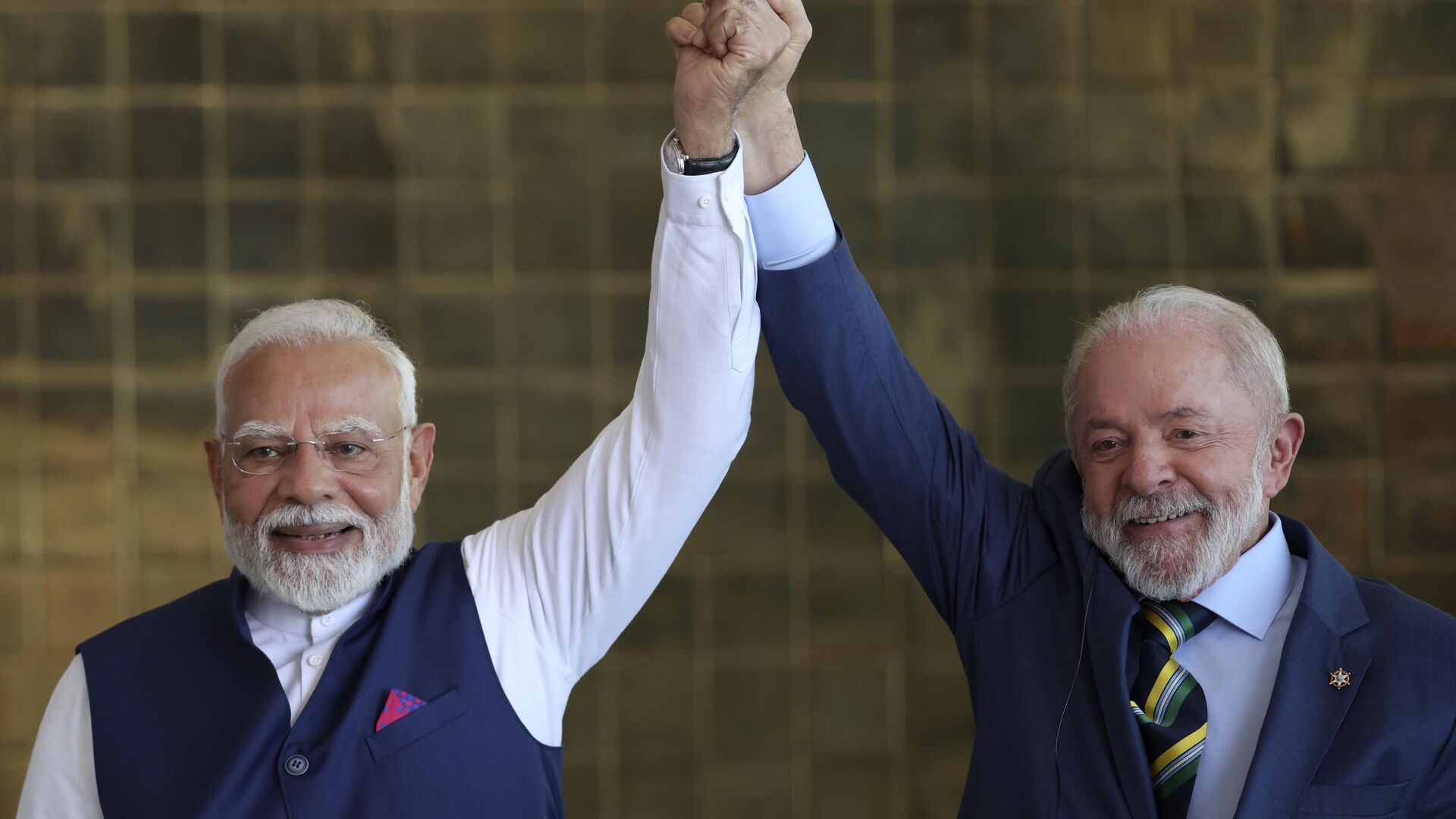
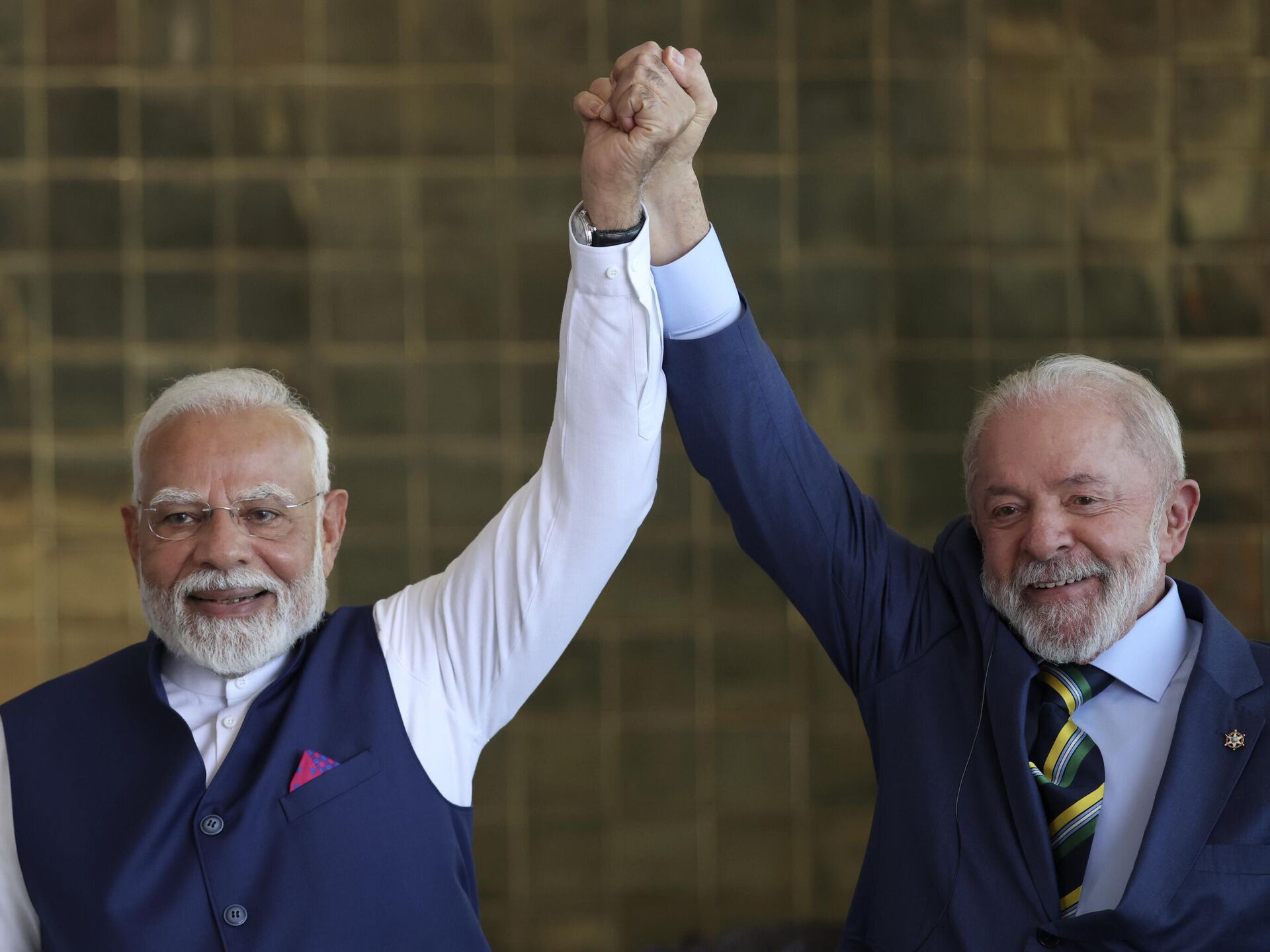
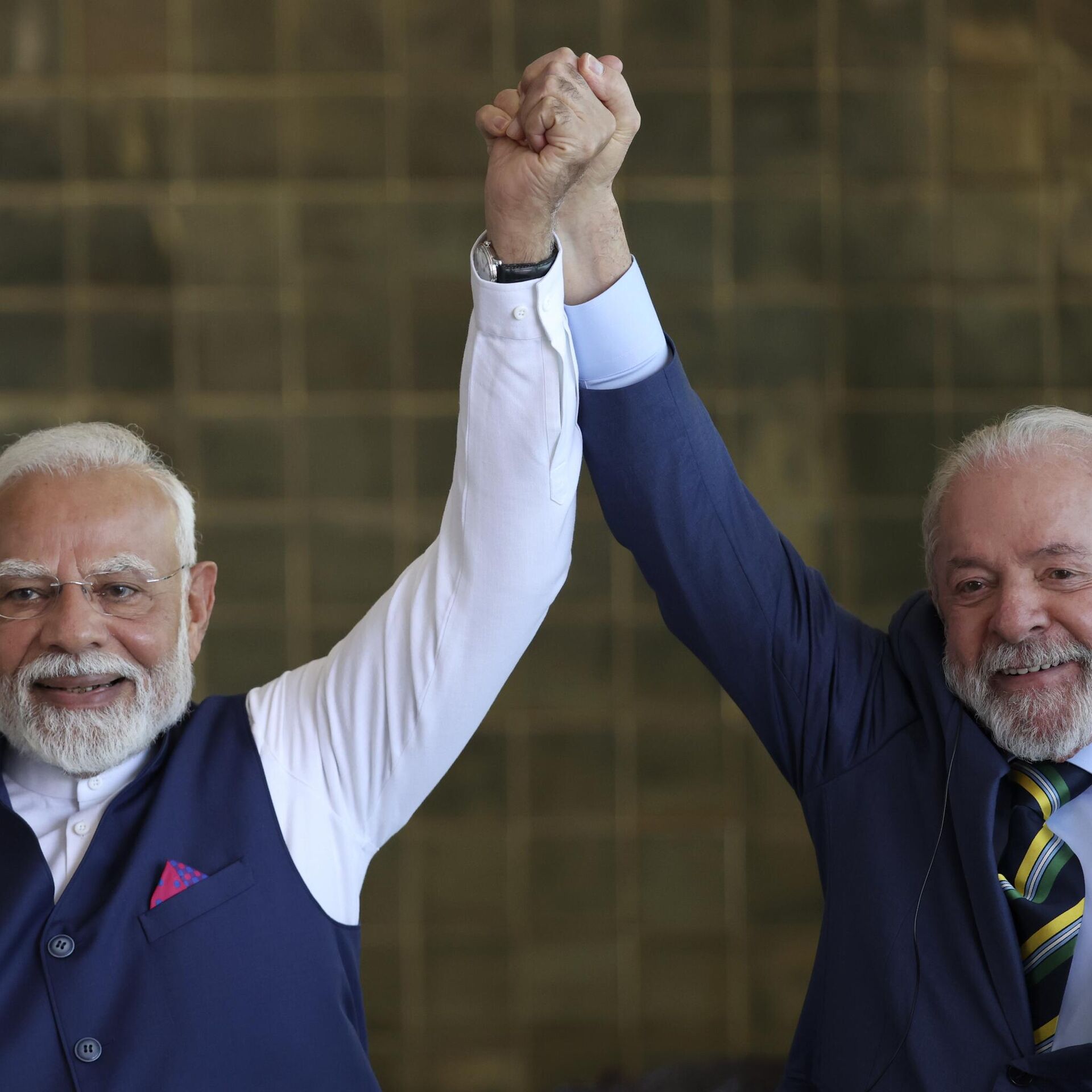
Luiz Inacio Lula da Silva won a historic fourth term in office, defying pollsters in the Brazilian presidential election, with Indian Prime Minister Narendra Modi hailing his re-election and underscoring that the two nations share priorities in the Global South.
Lula da Silva's return as Brazil's president provides India with an opportunity to diversify its rare earth supply chains and reduce dependence on China. Brazil possesses the world’s third-largest rare earth reserves, making it a strategically important partner for India’s critical mineral security, an expert has said.
"Lula's emphasis on South-South cooperation, multilateralism, and stronger BRICS engagement aligns with India's efforts to build alternative sources of critical minerals. India can deepen cooperation with Brazil through joint exploration, mining, processing, and technology transfer," Dr. Raj Kumar Sharma, Associate Professor, International Relations, School of Social Sciences, Business and Law, Suleyman Demirel University, Almaty, Kazakhstan, told Sputnik India.
Collaboration between Indian public-sector enterprises and Brazilian mining companies could help develop Brazil's rare earth resources while supporting India's
growing demand for electric vehicles, renewable energy, electronics, and defense technologies, he added.
However, the partnership's success depends on investments in processing infrastructure, environmental safeguards, and commercially viable projects. Thus, Lula's presidency offers India a strategic opportunity to strengthen resource security and reduce vulnerability to China-dominated supply chains, the strategic affairs pundit underscored.
"Lula's return to Brazil's presidency strengthens India's efforts to advance reformed multilateralism and democratize global governance. Both countries advocate reforming the United Nations Security Council to reflect contemporary geopolitical realities and support greater representation for developing countries. Their cooperation through BRICS, G20, and IBSA provides platforms to coordinate positions on climate justice, development financing, food security, and international economic inequalities," Sharma reckoned.
Lula's emphasis on South-South cooperation and Brazil's renewed diplomatic engagement with developing countries can complement India's leadership of the Global South. His presidency also offers opportunities to revitalise India-Brazil coordination on issues such as multilateral financial reforms and equitable access to technology, the academic noted.
While differences may persist over approaches to major-power relations, Lula's re-election is likely to strengthen the political momentum behind shared priorities. The challenge for both countries will be translating their common vision into concrete institutional reforms and a more representative international order due to ongoing great power rivalry and conflicts in West Asia and Europe, the international relations commentator explained.
Meanwhile, another geopolitical specialist, Dr. Indrani Talukdar, a fellow at the New Delhi-based think tank, Chintan Research Foundation, believes that India must invest in joint exploration, processing, refining, and magnet manufacturing, and real opportunity lies in converting political goodwill into a commercially viable, resilient critical-minerals partnership.
Lula's re-election offers India continuity with a partner that shares its longstanding call for UN Security Council reform, more representative global governance, and a stronger voice for the Global South, she highlighted.
"During his February 2026 visit to India, Lula reiterated support for expanding the Security Council and backed India and Brazil’s aspirations for permanent membership. His return could sustain momentum through BRICS, the G20, and the G4 coalition. However, progress will depend on building broader international consensus, not merely shared political commitments," Talukdar concluded.