https://sputniknews.in/20251229/adani-defence-aims-to-plug-indias-awacs-gap-10289609.html
Adani Defence Aims to Plug India's AWACS Gap
Adani Defence Aims to Plug India's AWACS Gap
Sputnik India
Airborne warning and control systems (AWACS) form the core of an air force in modern times, providing long-range surveillance and acting as a flying radar to... 29.12.2025, Sputnik India
2025-12-29T20:14+0530
2025-12-29T20:14+0530
2025-12-30T07:53+0530
defenсe news
gautam adani
india
pakistan
indian air force (iaf)
operation sindoor
airborne infantry
surveillance
military equipment
delhi
https://cdn1.img.sputniknews.in/img/07e8/02/1a/6676710_0:160:3072:1888_1920x0_80_0_0_300ec6cdd5197d5b3ed5df49998c32f7.jpg
India's largest private sector defence player, Adani Defence, is aiming to plug the country's airborne warning and control systems (AWACS), Sputnik India has learned.Earlier this year, the Government of India approved an INR 20,000 crore ($2.2 billion) AWACS project, under which India is set to develop next-gen AWACS domestically, and Adani Defence will be among the main bidders for this Indian Air Force (IAF) order.AWACS, often referred to as 'eyes in the sky,' are vital for airborne surveillance, but India currently doesn't have the numerical capacity to cover the vast extent of India's territorial and sea borders. Notably, Adani Defence is set to invest INR 1.8 lakh crore ($20 billion) in India's military-industrial complex in 2026, the industry source reflected on the company's plans to invest in defence manufacturing.The industry source further highlighted that the company is now the private sector's biggest integrated player, with a portfolio that dominates:More importantly, it is the only private-sector firm with expertise in AWACS.India's plans to induct 12 AWACS in the next couple of years will vastly improve the IAF's air defence and surveillance capabilities, taking them to a whole new level altogether, retired Group Captain Uttam Kumar Devnath emphasised.
https://sputniknews.in/20250303/russian-mid-air-refuelers-to-strengthen-indias-aircraft-fleet-8826529.html
india
pakistan
delhi
new delhi
Sputnik India
feedback.hindi@sputniknews.com
+74956456601
MIA „Rossiya Segodnya“
2025
Pawan Atri
https://cdn1.img.sputniknews.in/img/07e6/0c/13/139630_147:0:831:684_100x100_80_0_0_8fa2b25903e7787fe6a2698552c167df.png
Pawan Atri
https://cdn1.img.sputniknews.in/img/07e6/0c/13/139630_147:0:831:684_100x100_80_0_0_8fa2b25903e7787fe6a2698552c167df.png
News
en_IN
Sputnik India
feedback.hindi@sputniknews.com
+74956456601
MIA „Rossiya Segodnya“
Sputnik India
feedback.hindi@sputniknews.com
+74956456601
MIA „Rossiya Segodnya“
Pawan Atri
https://cdn1.img.sputniknews.in/img/07e6/0c/13/139630_147:0:831:684_100x100_80_0_0_8fa2b25903e7787fe6a2698552c167df.png
gautam adani, india, pakistan, indian air force (iaf), operation sindoor, airborne infantry, surveillance, military equipment, delhi, new delhi
gautam adani, india, pakistan, indian air force (iaf), operation sindoor, airborne infantry, surveillance, military equipment, delhi, new delhi
Adani Defence Aims to Plug India's AWACS Gap
20:14 29.12.2025 (Updated: 07:53 30.12.2025) Airborne warning and control systems (AWACS) form the core of an air force in modern times, providing long-range surveillance and acting as a flying radar to intercept enemy warplanes and other threats.
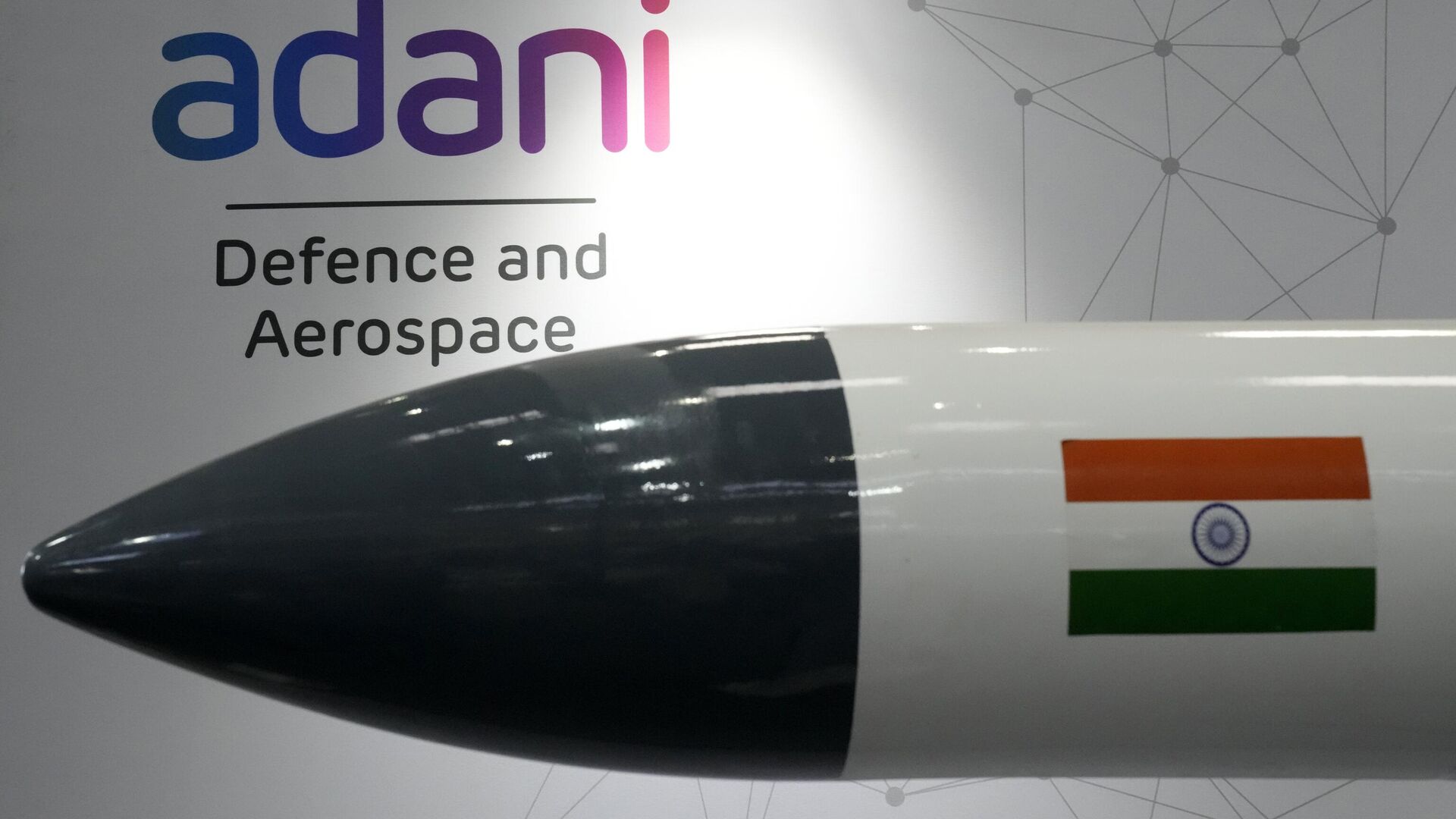
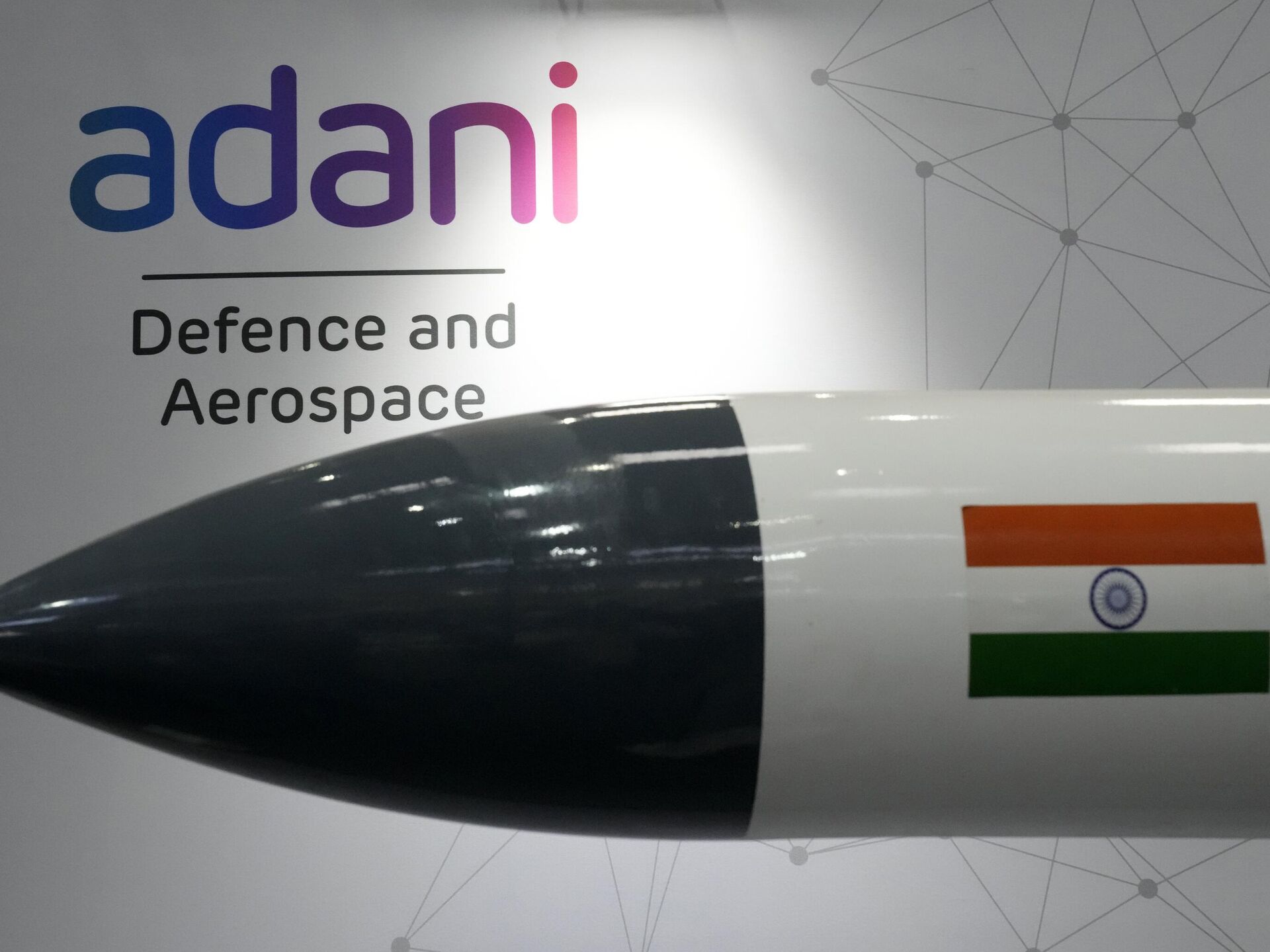
India's largest private sector defence player, Adani Defence, is aiming to plug the country's airborne warning and control systems (AWACS), Sputnik India has learned.
Earlier this year, the Government of India approved an INR 20,000 crore ($2.2 billion) AWACS project, under which India is set to develop next-gen AWACS domestically, and Adani Defence will be among the main bidders for this Indian Air Force (IAF) order.
"Adani Defence will be bidding for this AWACS project," an industry insider said.
AWACS, often referred to as 'eyes in the sky,' are vital for airborne surveillance, but India currently doesn't have the numerical capacity to cover the vast extent of India's territorial and sea borders.
At present, India operates a fleet of three indigenous Netra Mk1s and three Phalcon AWACS built with Israeli assistance. But the Netra platform only offers 240-degree coverage and not the 360-degree coverage that is vital to keep an eye on
enemy threats from the air. On the other hand, the Phalcon AWACS are India's only 360-degree air surveillance systems.
Notably, Adani Defence is set to invest INR 1.8 lakh crore ($20 billion) in India's military-industrial complex in 2026, the industry source reflected on the company's plans to invest in defence manufacturing.
The industry source further highlighted that the company is now the private sector's biggest integrated player, with a
portfolio that dominates:
1.
UAVs and underwater autonomous systems
3.
Guided weapons and loitering munitions
4.
Small arms and ammunition
5.
Aircraft MRO and services
6.
Simulator-driven training
7.
Airborne Warning and Control Systems (AWACS)
More importantly, it is the only private-sector firm with expertise in AWACS.
India's plans to induct 12 AWACS in the next couple of years will vastly improve the IAF's air defence and surveillance capabilities, taking them to a whole new level altogether, retired Group Captain Uttam Kumar Devnath emphasised.
"The current AWACS fleet is insufficient for a nation as large as India. Even Pakistan has far more operational AWACS than India. Moreover, the experience of Operation Sindoor says that India must give heft to its surveillance and intelligence gathering platforms and hence, providing AWACS coverage to the entire country should be among the IAF's top priorities," Devnath told Sputnik India.