https://sputniknews.in/20260306/did-us-commit-war-crimes-by-sinking-iranian-ship-in-indian-ocean-10577991.html
Did US Commit War Crimes By Sinking Iranian Ship in Indian Ocean?
Did US Commit War Crimes By Sinking Iranian Ship in Indian Ocean?
Sputnik India
The IRIS Dena, an Iranian warship returning from an international naval exercise in India, was sunk by an American submarine strike earlier this week. 06.03.2026, Sputnik India
2026-03-06T19:43+0530
2026-03-06T19:43+0530
2026-03-07T13:13+0530
sputnik opinion
iran
india
us
pentagon
indian navy
warship
indian ocean
israel
washington d.c.
https://cdn1.img.sputniknews.in/img/07ea/03/06/10578584_0:75:2442:1449_1920x0_80_0_0_fec62c1e201183501bdc8b6546203c2a.jpg
On March 4, an Iranian frigate sank approximately 40 nautical miles south of the Sri Lankan city of Galle, leaving over 80 sailors dead and more than 30 injured. Both the Sri Lankan and Indian Navies joined the rescue mission following distress calls after a huge underwater explosion. The Islamic Republic of Iran Ship (IRIS) Dena became the first warship to be sunk in the Indian Ocean since World War II and the first casualty of the ongoing Iran-US-Israel conflict outside the Gulf.A video released by the Pentagon that captured the American attack on the Iranian warship showed that it was hit by a massive explosion, which took down the rear of the frigate, eventually resulting it to lift from the water, and causing it to start sinking from the rear.According to naval watchers, the explosion itself was enough to sink the ship, and hence, there was no need to fire a torpedo, which led casualty figures to rise.Presumably, the submarine came close and came up to the periscope depth to observe the damage caused by the missile strike to the ship. This makes it apparent that the US submarine was aware that the Iranian ship posed no threat, he added.The connotation is that the American crew was fully aware that the Iranian ship did not pose a threat to the submarine. While the objective of war is to put your enemy out of the way, this was already achieved by firing the missile at the ship, disabling it in the process, the former Indian Navy official explained.Also, there is a larger message that Americans wanted to convey, as they knew that the IRIS Dena was a part of the International Fleet Review in India in Visakhapatnam and they could have taken out this vessel anywhere close to Iran, either in the Gulf of Oman or the Persian Gulf or wherever. But they chose to do it in the Indian Ocean, which sends a message that 'we can strike at will wherever we want to strike', and there is no place that is safe for the Iranians, the naval pundit stressed. This act of firing at the Iranian ship is in conflict with international law. The guiding principles of the Geneva Convention and the law of the armed conflict regarding the use of force are necessity and proportionality, unless it is an act of self-defence, he noted.
https://sputniknews.in/20260306/10577334.html
iran
india
us
indian ocean
israel
washington d.c.
sri lanka
tehran
Sputnik India
feedback.hindi@sputniknews.com
+74956456601
MIA „Rossiya Segodnya“
2026
Pawan Atri
https://cdn1.img.sputniknews.in/img/07e6/0c/13/139630_147:0:831:684_100x100_80_0_0_8fa2b25903e7787fe6a2698552c167df.png
Pawan Atri
https://cdn1.img.sputniknews.in/img/07e6/0c/13/139630_147:0:831:684_100x100_80_0_0_8fa2b25903e7787fe6a2698552c167df.png
News
en_IN
Sputnik India
feedback.hindi@sputniknews.com
+74956456601
MIA „Rossiya Segodnya“
Sputnik India
feedback.hindi@sputniknews.com
+74956456601
MIA „Rossiya Segodnya“
Pawan Atri
https://cdn1.img.sputniknews.in/img/07e6/0c/13/139630_147:0:831:684_100x100_80_0_0_8fa2b25903e7787fe6a2698552c167df.png
iran, india, us, pentagon, indian navy, warship, indian ocean, israel, washington d.c., submarine , sri lanka, tehran
iran, india, us, pentagon, indian navy, warship, indian ocean, israel, washington d.c., submarine , sri lanka, tehran
Did US Commit War Crimes By Sinking Iranian Ship in Indian Ocean?
19:43 06.03.2026 (Updated: 13:13 07.03.2026) The IRIS Dena, an Iranian warship returning from an international naval exercise in India, was sunk by an American submarine strike earlier this week.
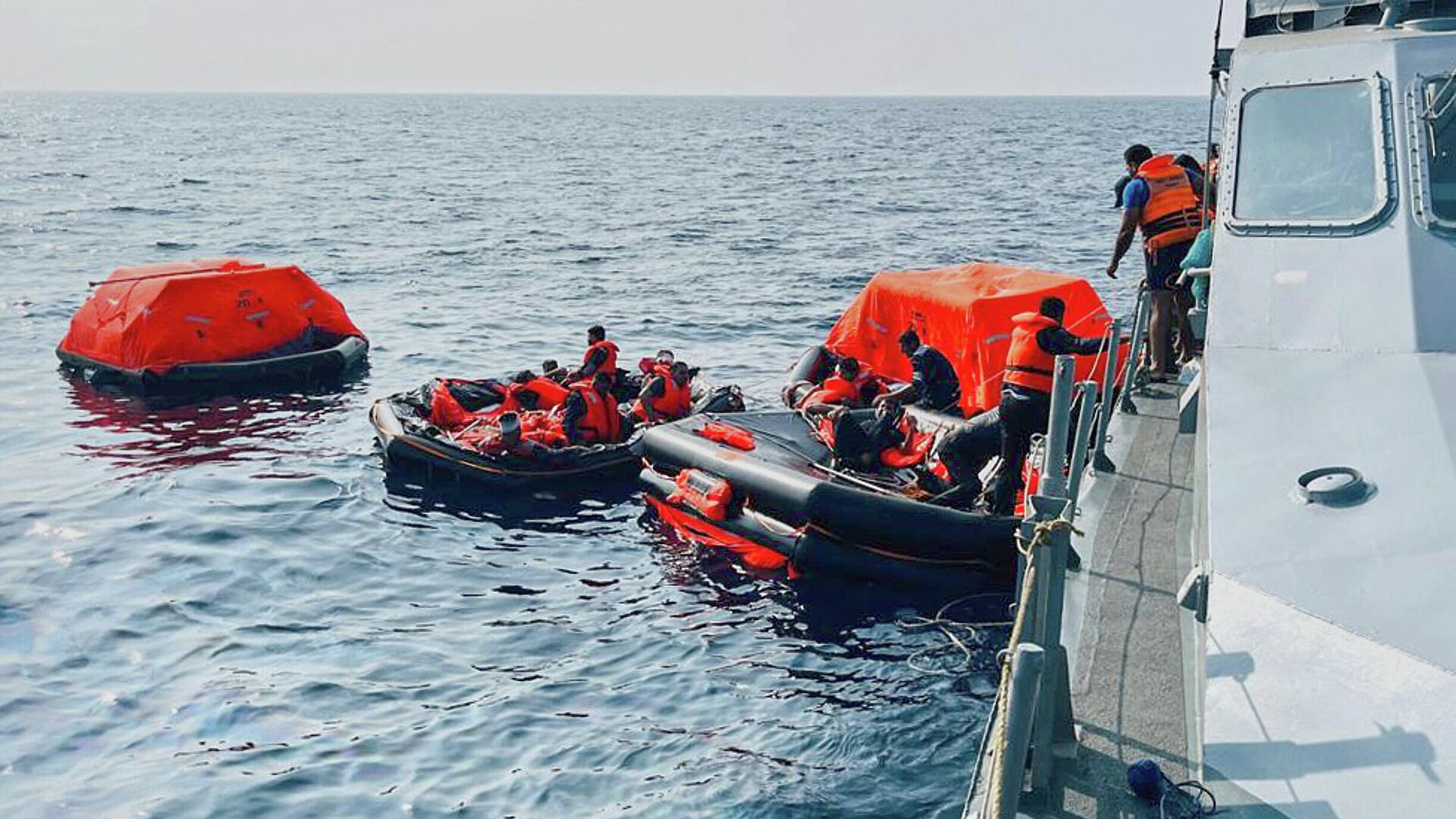
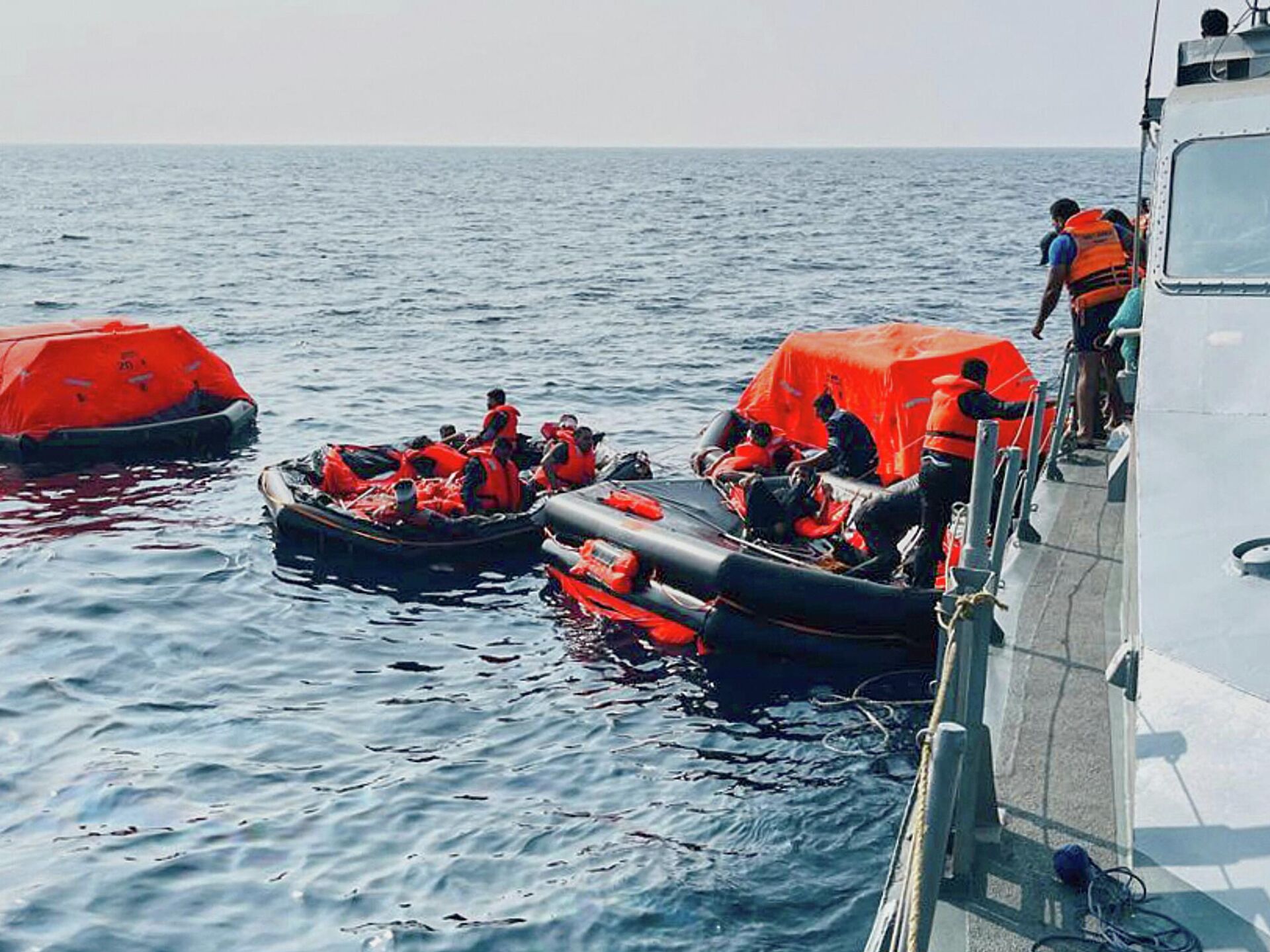
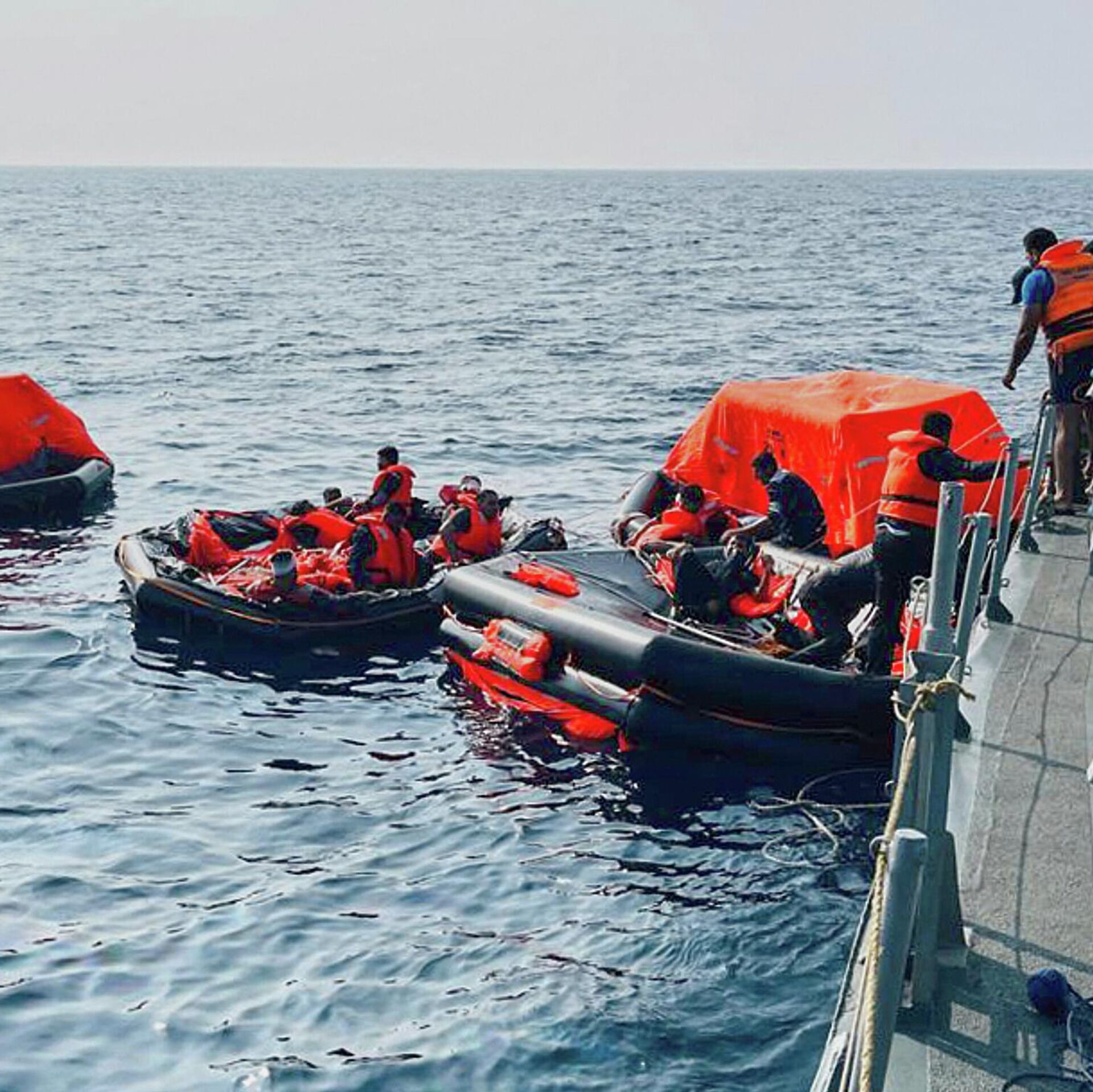
On March 4, an Iranian frigate sank approximately 40 nautical miles south of the Sri Lankan city of Galle, leaving over 80 sailors dead and more than 30 injured. Both the Sri Lankan and Indian Navies joined the rescue mission following distress calls after a huge underwater explosion.
The Islamic Republic of Iran Ship (IRIS) Dena became the first warship to be sunk in the Indian Ocean since World War II and the first casualty of the ongoing Iran-US-Israel conflict outside the Gulf.
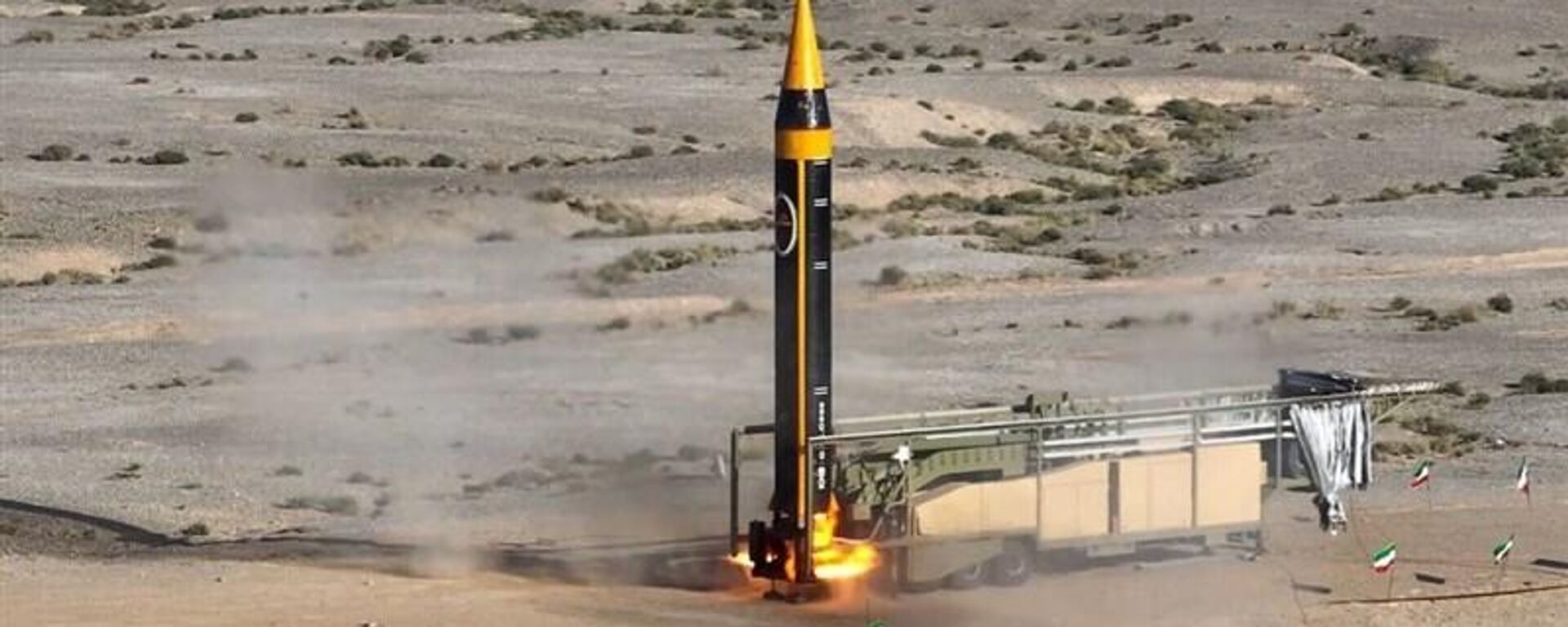
"An American submarine sank an Iranian warship that thought it was safe in international waters. Instead, it was sunk by a torpedo. Quiet death," US Defence Secretary Pete Hegseth told reporters at a media briefing at the Pentagon.
A video released by the Pentagon that captured the American attack on the Iranian warship showed that it was hit by a massive explosion, which took down the rear of the frigate, eventually resulting it to lift from the water, and causing it to
start sinking from the rear.
According to naval watchers, the explosion itself was enough to sink the ship, and hence, there was no need to fire a torpedo, which led casualty figures to rise.
"From the video released by the Pentagon, it is apparent that the ship was already on fire, presumably hit by a missile fired from a standoff range by the same submarine. However, since the missile hit is above the waterline, it only damaged the warship and did not sink it," Captain Anurag Bisen, a veteran submariner of the Indian Navy, currently a senior fellow at the prestigious Vivekananda International Foundation (VIF) in Delhi, told Sputnik India.
Presumably, the submarine came close and came up to the periscope depth to observe the damage caused by the missile strike to the ship. This makes it apparent that the US submarine was aware that the Iranian ship posed no threat, he added.
The connotation is that the American crew was fully aware that the Iranian ship did not pose a threat to the submarine. While the
objective of war is to put your enemy out of the way, this was already achieved by firing the missile at the ship, disabling it in the process, the former Indian Navy official explained.
"If the Americans wanted to further disable the ship, they could have fired at the front part of the warship, which would not have led to the sinking of the ship and loss of so many lives. It is not a military logic to sink this vessel, but it reflects a perverse mindset and could be construed as a premeditated or cold-blooded murder," Bisen reckoned.
Also, there is a larger message that Americans wanted to convey, as they knew that the IRIS Dena was a part of the
International Fleet Review in India in Visakhapatnam and they could have taken out this vessel anywhere close to Iran, either in the Gulf of Oman or the Persian Gulf or wherever. But they chose to do it in the
Indian Ocean, which sends a message that 'we can strike at will wherever we want to strike', and there is no place that is safe for the Iranians, the naval pundit stressed.
This act of firing at the Iranian ship is in
conflict with international law. The guiding principles of the Geneva Convention and the law of the armed conflict regarding the use of force are necessity and proportionality, unless it is an act of self-defence, he noted.
"This was not at all a case of self-defence because the ship was already disabled, and it no longer posed a threat to the US submarine. This is something that is even prohibited by America's own statutes. As per their War Crimes statute of 1996, it is forbidden to attack an opponent or an adversary who has lost the ability to defend itself, and could be construed as war crimes by their own standards," Bisen summed up.