THAAD vs S-400: Is India’s S-400 Outperforming US in Modern Warfare?
© Sputnik / Sergey Malgavko
/ Subscribe

The crown jewel in America's air defence network, the Terminal High Altitude Area Defense (THAAD), took a beating in the ongoing conflict with Iran, losing out to two radars worth $600 million.
Iran's retaliatory missile strikes in response to the Israeli-US combat operations that began late last month have dealt a severe blow to the American AN/TPY-2 radar systems linked to the THAAD Anti-Ballistic Missile (ABM) Systems deployed at the Muwaffaq Salti Air Base in Jordan and the Al-Ruwais Industrial City in the United Arab Emirates (UAE).
The ferocity of Iran's missile attacks was such that both these radars were wiped out, putting the overall air defences of these countries in a precarious situation.
The ferocity of Iran's missile attacks was such that both these radars were wiped out, putting the overall air defences of these countries in a precarious situation.
Ballistic missile defence systems like THAAD are highly capable but not invulnerable, declared Rahul Wankhede, a Research Analyst at India's premier military think tank, Manohar Parrikar Institute for Defence Studies and Analyses (MP-IDSA).
There are several ways an attacker can still penetrate them: First, saturation tactics are a classic method. Iran may have used a large number of ballistic missiles, cruise missiles, and drones simultaneously, thereby straining the THAAD radar's tracking capacity and interceptor inventory. This would have made target prioritisation decisions difficult, he added.
There are several ways an attacker can still penetrate them: First, saturation tactics are a classic method. Iran may have used a large number of ballistic missiles, cruise missiles, and drones simultaneously, thereby straining the THAAD radar's tracking capacity and interceptor inventory. This would have made target prioritisation decisions difficult, he added.
"Second, trajectory manipulation and mixed strike packages can complicate interception. Open source imagery indicates Iran used missiles that changed trajectories in combination with drones and cruise missiles. Third, more than the attacking drones and missiles, the tactics employed itself gives a big advantage," Wankhede told Sputnik India.
Iran may have chosen to target specifically the THAAD's radar – which is the most critical node of any air defence system. If the warning and tracking radars get disabled or destroyed, the entire defensive architecture degrades, regardless of the interceptor missile's quality, the defence analyst underscored.
It is important to recognise that missile defence is not designed to guarantee 100% interception. Even the most advanced systems cannot eliminate all the incoming threats, especially when facing saturation attacks with smart tactics, he stressed.
It is important to recognise that missile defence is not designed to guarantee 100% interception. Even the most advanced systems cannot eliminate all the incoming threats, especially when facing saturation attacks with smart tactics, he stressed.
"In reputational terms, the impact will likely be limited rather than catastrophic. While the THAAD is a symbolically high-value target that Iran was able to destroy, Gulf countries and US allies continue to use the system – so its export market won't be affected as such. That said, such incidents can still affect perception in the global defence market. Air defence systems are extremely expensive, and their credibility depends heavily on combat performance. If adversaries demonstrate the ability to degrade or bypass them, even in isolated cases, competitors and prospective customers will certainly take note," Wankhede noted.
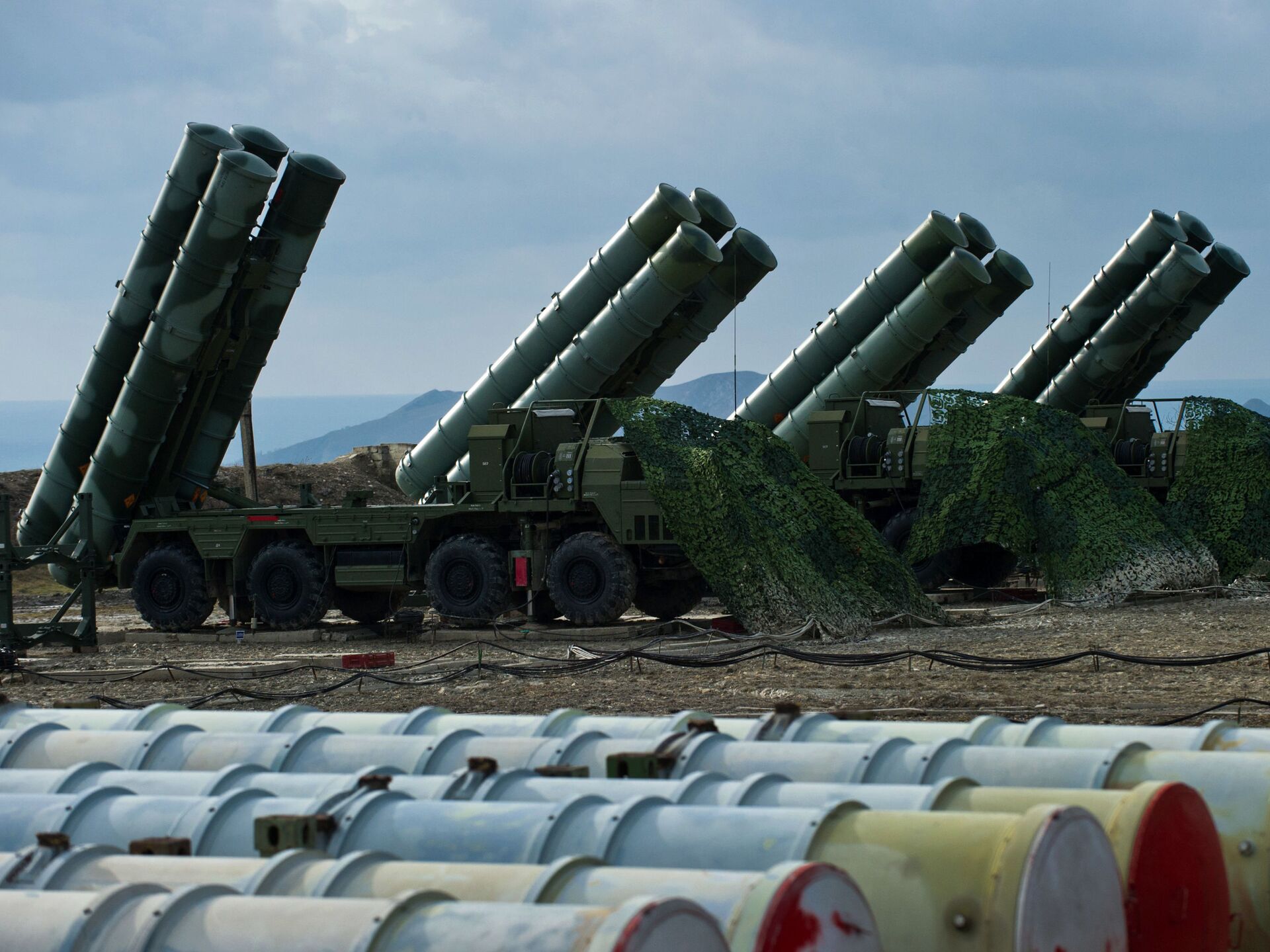
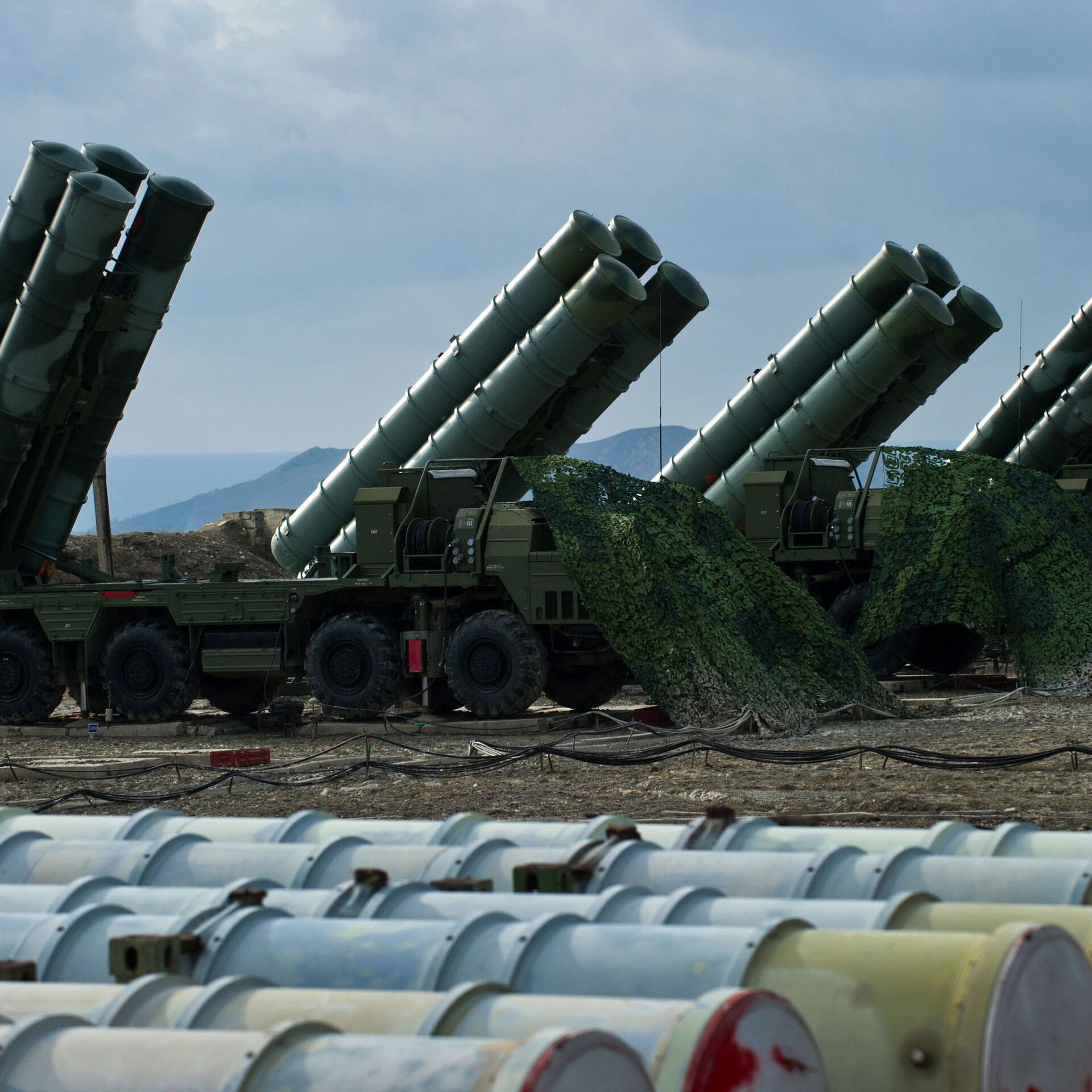
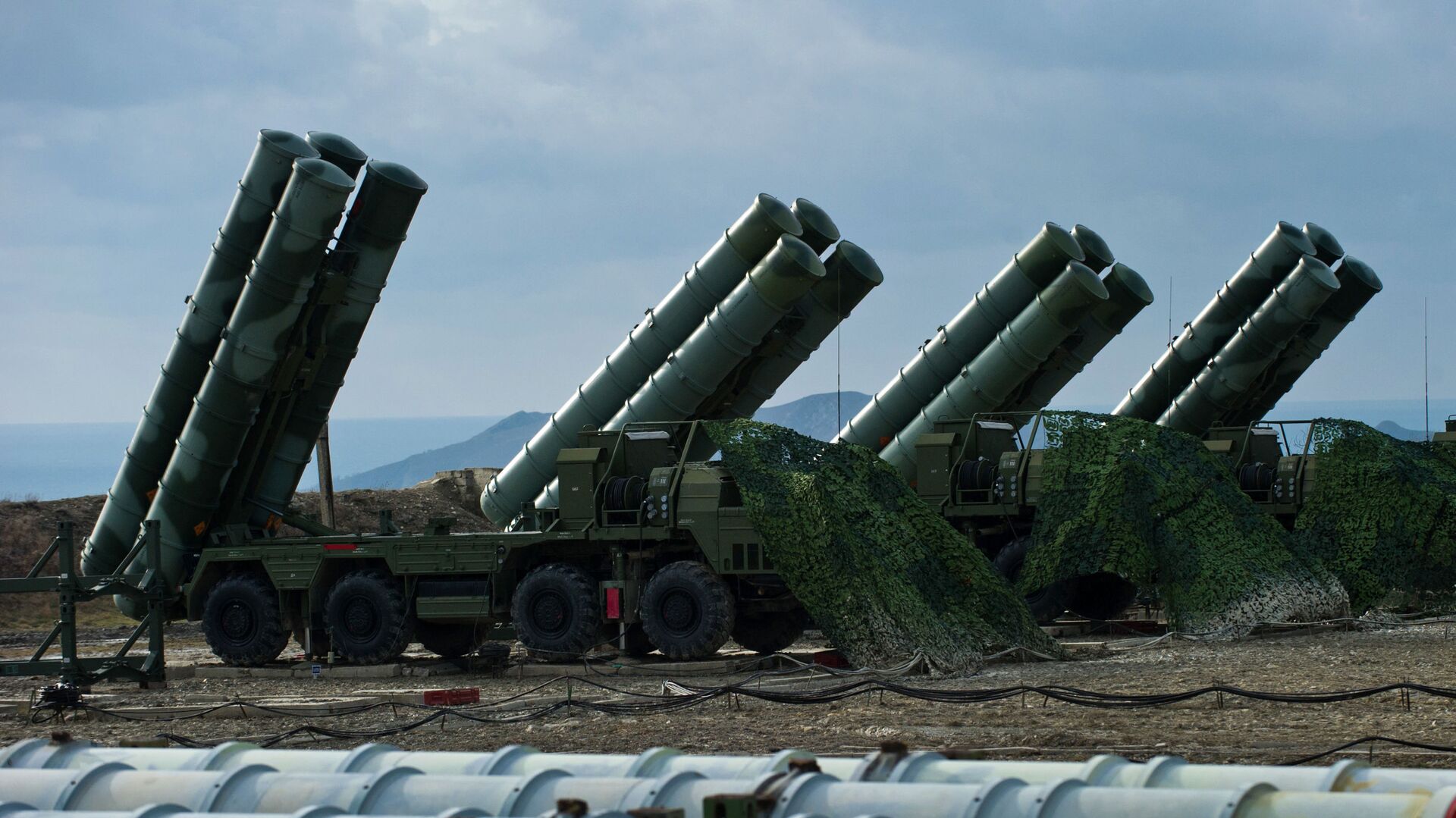
On the other hand, India's S-400 Triumf air defence system acquired from Russia under a multi-billion-dollar contract proved to be the ultimate winner and the "game-changer" in the Indo-Pak conflict last year, as per a statement by the Indian Air Force (IAF) chief Air Chief Marshal Amar Preet Singh.
India's deployment of the S-400 Triumf during Operation Sindoor attracted attention primarily because of its layered engagement capability and long detection range, which make it one of the best air defence systems globally, Wankhede stated.
During Op Sindoor, India too faced saturation attacks from Pakistan through drones and loitering munitions. However, India benefited from the S-400's multi-layer missile architecture that can employ different interceptors for different ranges. This allows the system to engage different types of targets within the same defensive framework, he added.
India's deployment of the S-400 Triumf during Operation Sindoor attracted attention primarily because of its layered engagement capability and long detection range, which make it one of the best air defence systems globally, Wankhede stated.
During Op Sindoor, India too faced saturation attacks from Pakistan through drones and loitering munitions. However, India benefited from the S-400's multi-layer missile architecture that can employ different interceptors for different ranges. This allows the system to engage different types of targets within the same defensive framework, he added.
"Another strength of the S-400 system is its powerful radar suite. The system integrates multiple radars, mounted on mobile platforms, capable of detecting and tracking targets at long distances while simultaneously managing dozens of engagements. This creates a wide defensive umbrella and provides early warning time," the strategic affairs specialist highlighted.
During the operation, when Pakistan attempted to target the S-400 locations, the IAF quickly relocated the system (shoot and scoot), thereby rendering the enemy effort futile. Later, the S-400 interceptors shot down a Pakistani Erieye surveillance aircraft at a range of around 315 kms – making it the longest recorded ground-to-air kill in history, Wankhede pointed out.
The S-400 also stands out because of its integration capability. It can operate as part of a broader air defence grid, linking with other sensors and systems. This layered architecture significantly increases survivability and interception probability. The effectiveness seen in Op Sindoor was the result of this well-integrated air defence architecture, he summed up.
The S-400 also stands out because of its integration capability. It can operate as part of a broader air defence grid, linking with other sensors and systems. This layered architecture significantly increases survivability and interception probability. The effectiveness seen in Op Sindoor was the result of this well-integrated air defence architecture, he summed up.